
PS5 Jailbreak Arrives as Sony Faces Backlash Over Physical Games
A new jailbreak reportedly unlocks homebrew, emulation, game backups, and other features as PlayStation faces growing criticism over its move away from physical media.
News by Mahi Araf on Oct 01, 2026
Sony's reported plans to move away from physical media on PlayStation 5 starting in January 2028 have already sparked a strong reaction in parts of the gaming community. Still, the timing of a newly released PS5 jailbreak has added another layer. The exploit reportedly allows many PS5 consoles, including the PS5 Pro, to be modified, giving users access to features that normally aren't available on the system.
The backlash over physical games largely comes down to ownership and preservation. If physical releases disappear completely, you lose the ability to buy, sell, trade, lend, or resell games through the secondhand market. More importantly, digital games remain tied to licenses and online services, which means access can potentially become complicated if a game is delisted, a license expires, or a service is eventually shut down.
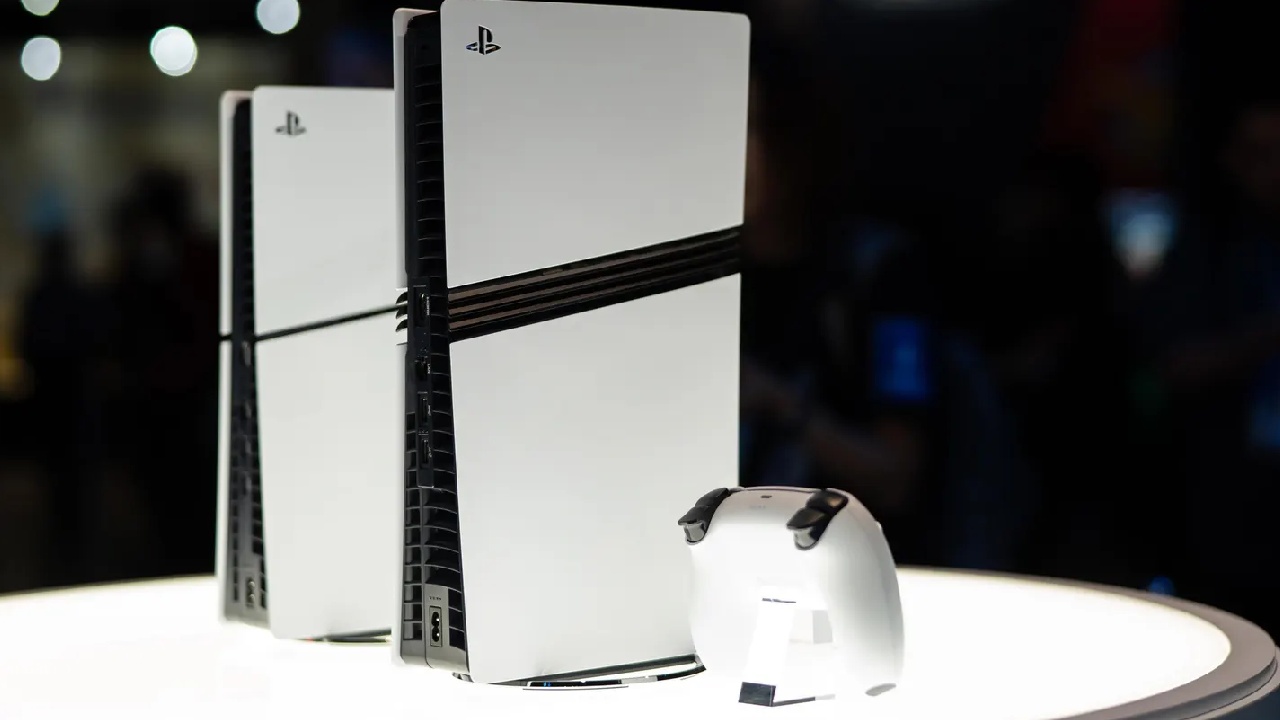
We've already seen concerns around digital ownership play out with other forms of media. Sony previously removed movies from some users' digital libraries because of licensing issues, while games have also disappeared from digital storefronts over the years. Once a title is delisted, getting access to it again can become difficult or impossible, especially when no physical version is available.
That's why the possibility of physical games disappearing has become such a major issue for preservation-minded players.
Even if physical games aren't the dominant way people purchase games anymore, they remain an option. Movies still have Blu-rays, books still have printed editions, and music can still be purchased on CDs or vinyl, even though streaming is the primary method for many people. The argument from players is that games should retain that same choice.
The backlash has included repeated "no disc, no buy" messages, criticism across PlayStation's social platforms, and users making it clear that they don't want physical releases to disappear. At the same time, Sony's position on digital ownership has fueled the discussion, particularly the idea that buying a digital product doesn't necessarily mean you legally own the underlying product in the traditional sense.
That has created an increasingly common argument within the community: if digital purchases are licenses rather than ownership, players should have greater control over the products they've paid for. This is where the PS5 jailbreak comes in.
A new exploit reportedly allows PS5 consoles running compatible firmware to be jailbroken, with Lance McDonald noting that the method also works on PS5 Pro systems. Modded Warfare also reported that the jailbreak works on PS5 firmware up to version 13.60 and that the process is significantly easier than previous methods, reportedly taking only a few minutes.
The exploit reportedly works on consoles that are one firmware version behind the latest release, meaning users who have already updated beyond the supported firmware may not be able to use it. The discovery reportedly happened several weeks earlier, and newer developments have made the process more accessible by bypassing some previous restrictions.
Once a PS5 is jailbroken, the system can do considerably more than it normally allows.
Users can install homebrew software, run community-made applications, and access tools Sony doesn't officially provide. The console essentially becomes a more open platform rather than remaining the closed system it was designed to be.
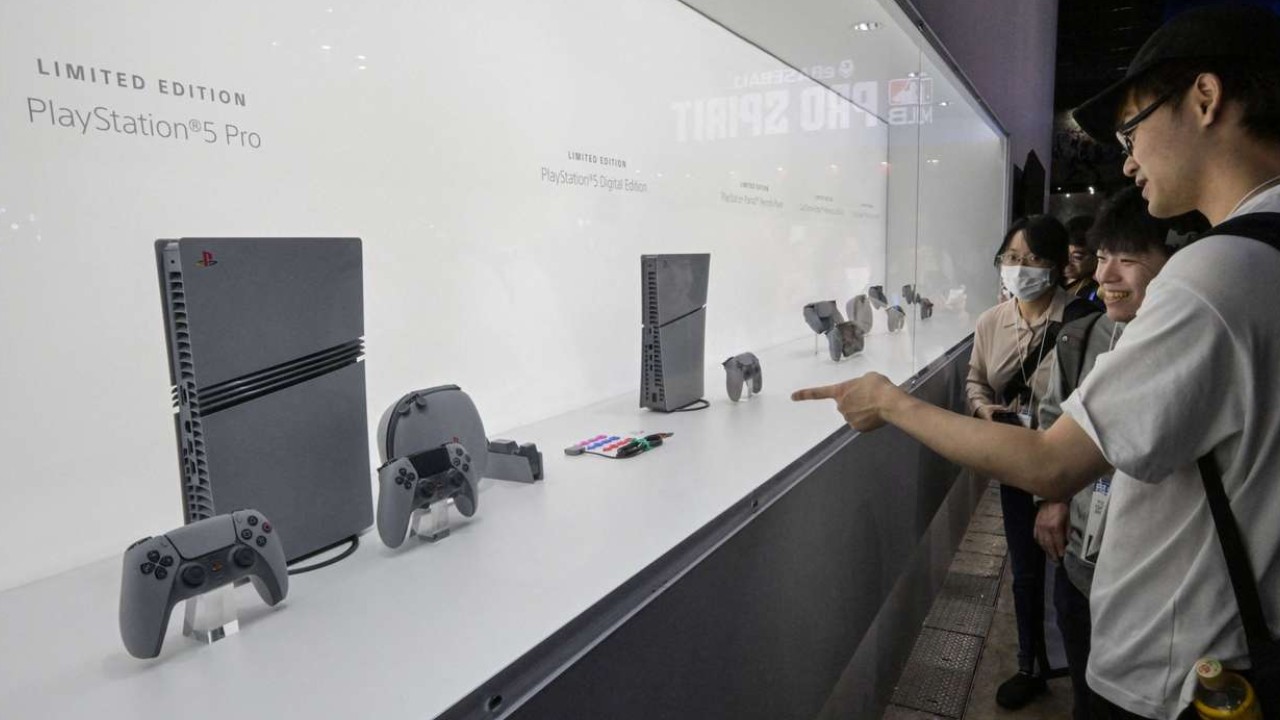
One of the biggest areas is emulation. PCSX2 can reportedly run natively on a jailbroken PS5, allowing PlayStation 2 games to run at higher internal resolutions and with features such as 4K output, widescreen support, 60 FPS patches, save states, filtering, and other enhancements. This means the PS5's powerful hardware can run games from last-gen through community-developed software.
Homebrew also opens up other possibilities. You can install custom games, launchers, utilities, experimental apps, development tools, and other software. FTP access lets you manage files across a local network, making it easy to move files, manage Homebrew applications, inspect system files, and work with development tools.
A modified PS5 can also offer additional media playback options.
Community-made media players can potentially support videos, music, local files, and formats the console doesn't normally support. That turns the PS5 into something closer to a general-purpose media device rather than a machine restricted to Sony's functions.
Game backups are another major part of the discussion, especially given concerns about the future of physical releases. A jailbroken console can reportedly allow users to dump games they already own and keep those copies available for offline use. This is different from downloading somebody else's game files, which raises separate copyright and piracy issues.
The distinction matters because preservation is one of the main arguments for jailbreaking. If you own a game and can create a backup, you have another way to maintain access to it even if the original physical release becomes unavailable or a digital version disappears from a storefront.
A jailbroken PS5 can also run unsigned applications and packages, use game managers to organize locally stored content, and support certain modifications and trainers. Depending on the setup, users can change gameplay, apply experimental patches, adjust performance settings, and otherwise modify software that would normally remain locked down.
Firmware control is another significant feature.
Because newer firmware can patch the vulnerability required for a jailbreak, users may want to prevent automatic updates or control which firmware their console remains on. This makes the firmware version particularly important for anyone interested in maintaining a jailbroken system.
For developers and enthusiasts, the system can become a testing environment for homebrew, ELF payloads, file analysis, custom applications, and other experimental projects. In that sense, jailbreaking can transform the PS5 from a closed appliance into something closer to a development platform.
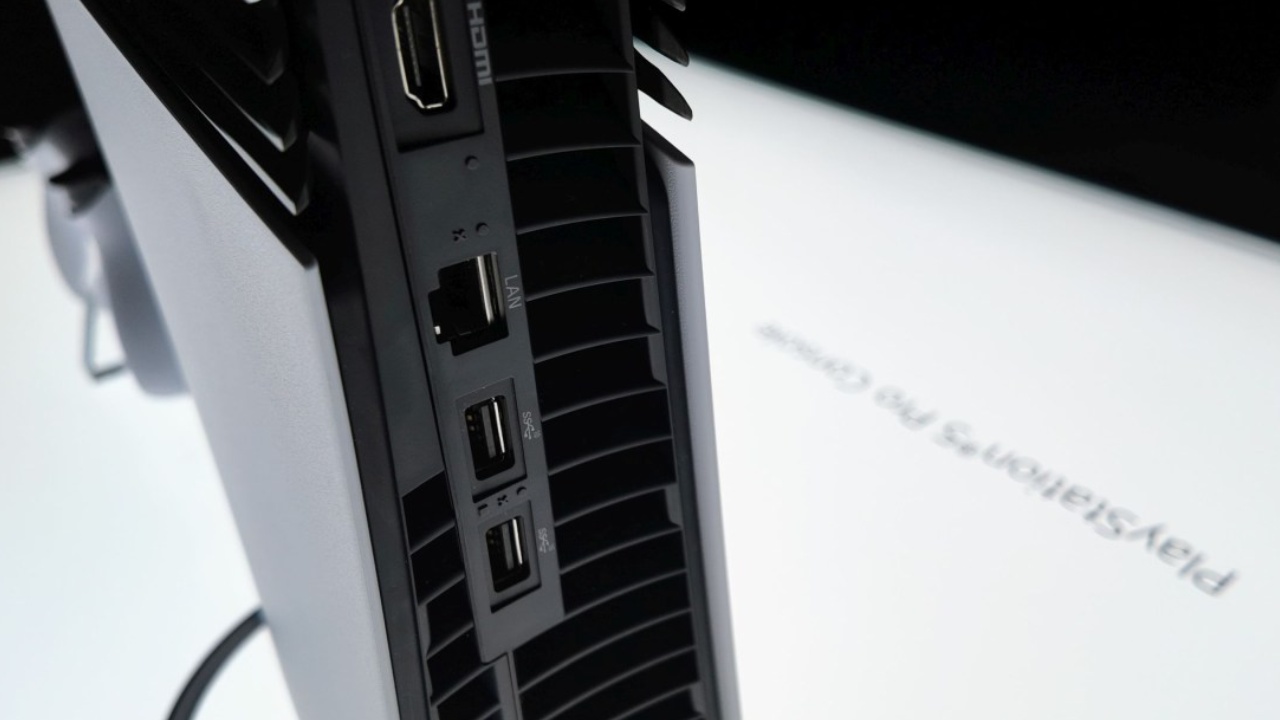
There are serious limitations, though. A jailbroken PS5 cannot simply function as a normal PlayStation Network-connected console. Going online with modified software can result in account or console bans, and the jailbreak itself can potentially create instability or affect warranty coverage. New games may also require newer firmware, giving users another reason to choose between maintaining a jailbreak and keeping their console fully updated.
Piracy is another separate issue. While game backups and preservation are often cited as valid reasons to modify a console, jailbreaking can also be used to run pirated games and software. The fact that these capabilities exist does not mean there are no legal concerns about unauthorized copies.
Another major flaw is that online multiplayer does not work.
A jailbroken console is mostly for offline and single-player purposes, as connecting modified systems to the PlayStation Network could risk your account and console. That means the jailbreak isn't simply turning the PS5 into an unrestricted open-source machine. It gives users additional control, but the system still has important restrictions.
That distinction has become especially relevant as the discussion around physical games continues. Physical releases themselves aren't perfect preservation tools anymore, since modern games can require day-one patches, online authentication, DRM, and additional downloads. A disc doesn't always contain the complete finished game in the way older PlayStation, Nintendo 64, or GameCube releases often did.
Still, physical media gives players something that an entirely digital ecosystem cannot: a tangible copy that can be stored independently of a storefront. That's why some players continue to push for physical games to remain available, even if they don't personally buy every release on disc.
The PS5 jailbreak has therefore arrived at a moment when discussions about ownership, preservation, digital licensing, and consumer control are already intense. A big part of the exploit is the ability to create backups and preserve the software locally, which is important for players worried about losing access years down the line.
At the same time, anyone considering jailbreaking has to accept the trade-offs.
Staying on compatible firmware means giving up newer updates, and using modified software online can lead to bans. The safest use cases discussed around the jailbreak are therefore offline homebrew, preservation, emulation, experimentation, and other activities that don't require PlayStation Network access.
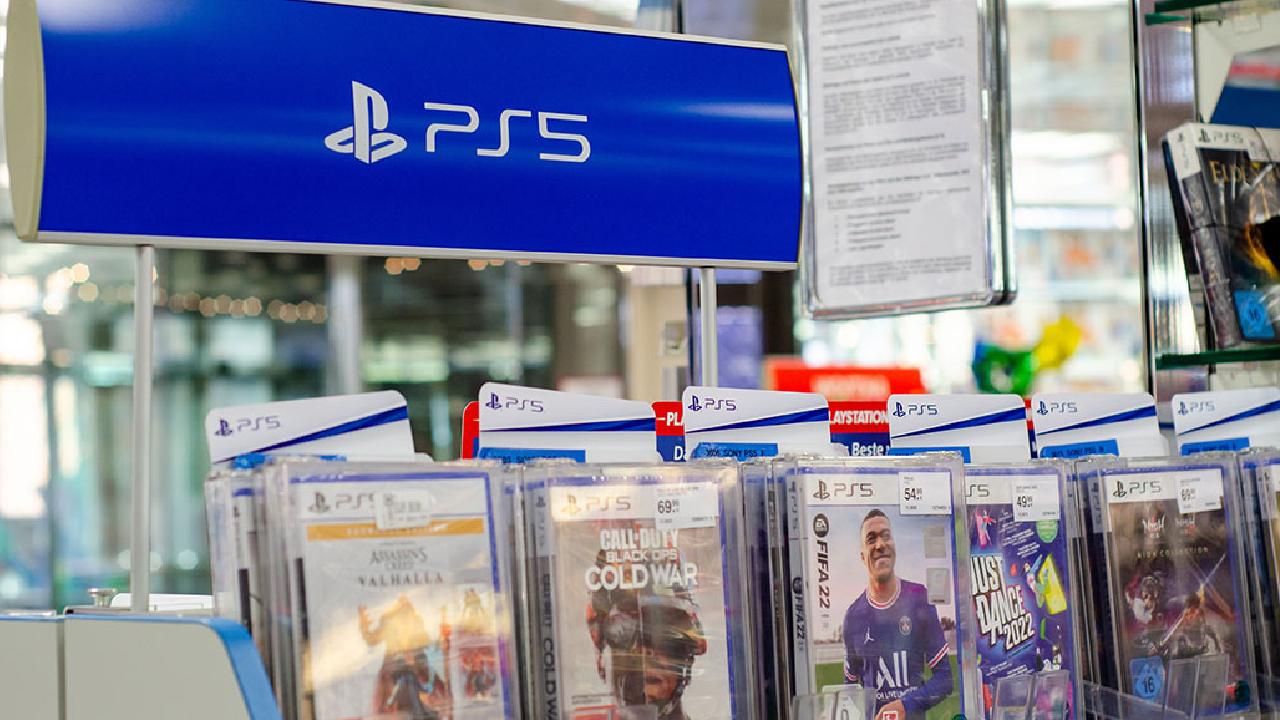
Sony's reported move away from physical media and the emergence of this jailbreak ultimately highlight the same larger issue: who controls access to the games you purchase. As more of the industry moves toward digital distribution and licensed access, preservation becomes increasingly dependent on what companies continue to support.
For now, the new PS5 jailbreak gives users another way to take control of their hardware and preserve games locally, though with major risks and limitations. The exploit's timing will likely fuel ongoing debates about ownership and game preservation, as physical releases are reportedly set for a major overhaul starting January 2028.
Senior Editor, NoobFeed
Related News
No Data.