
PS6 Might Kill Game Downloads Forever; Sony’s Secret Architecture Just Leaked
From hybrid streaming to neural arrays and radiance caching, Sony’s experimental patents hint at a console reset, not just a power upgrade.
News by Zahra Morshed on Feb 17, 2026
There are hints that Sony may be planning the next big step forward in system architecture that you can see. New patents and public conversations about Project Amethyst, which is a joint effort between Sony and AMD, show that the company is looking into more than just small power gains. It looks like the idea is systemic. It has to do with changing how games are presented, played, and understood.
One patent talks about a hybrid download model that could make game files a lot smaller. The console would stream heavy data from remote servers instead of storing all of its ultra-high-resolution assets locally. This would let the core executable parts run directly. A 100 GB system could, in theory, shrink down to a very small amount of space.
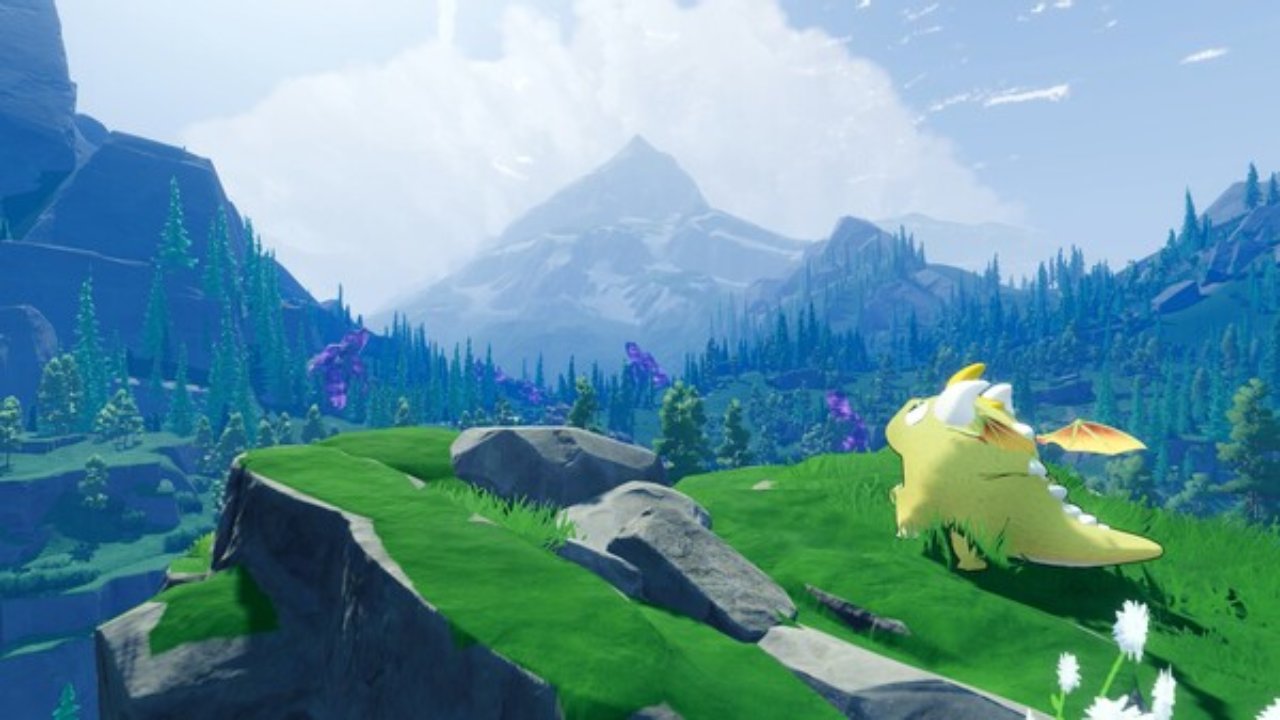
The bottleneck would no longer be storage.
Cloud gaming in the usual sense is not what this is. The game system stays in one place. The speed is still limited to the console. Through network pipes, only asset density can change on the fly. It could change the way devs think about world details and ease the load on expensive SSD expansions if it's done right.
For a business product, nothing is known for sure. Patents are research tools, not promises. Still, the time is very good. Mark Cerny has talked in public about advanced AI acceleration methods and collaborative computing models that are coming about because Sony and AMD are working together. When words like "neural arrays" come up in talk, they are usually not just for fun.
The goal of neural arrays is to improve how computing units work together when AI and upscaling workloads are heavy. Discrete GPU cycles are a big part of current upscaling systems like AMD's FSR. A neural array model would let computing blocks work together in groups, which would save energy and make things run more smoothly. It is not a brute force update, but a change in the way things are built.
Lighting is another new area.
People have talked about neural radiance caching and experimental radiance core designs as ways to handle ray tracing tasks without using up all the system's resources. These methods intelligently spread illumination data instead of making the CPU do a lot of lighting calculations. The quality of the images gets better while the power and temperature levels stay the same.
Then there's compression for everyone. The idea behind this is to speed up transfers between system memories in real time, before the data even gets to its end destination. Less demand for bandwidth means less power use and maybe even smoother speed scaling. For a future wave of consoles, that could mean more stability without having to use a lot more silicon.
The design shows up when these threads are joined together. Through selective streaming, structures can be made smaller. Neural arrays make AI smarter and faster. Radiance caching makes lights work better. Universal compression allows for a wider system improvement. That's not what this is about. It has to do with smart architecture.
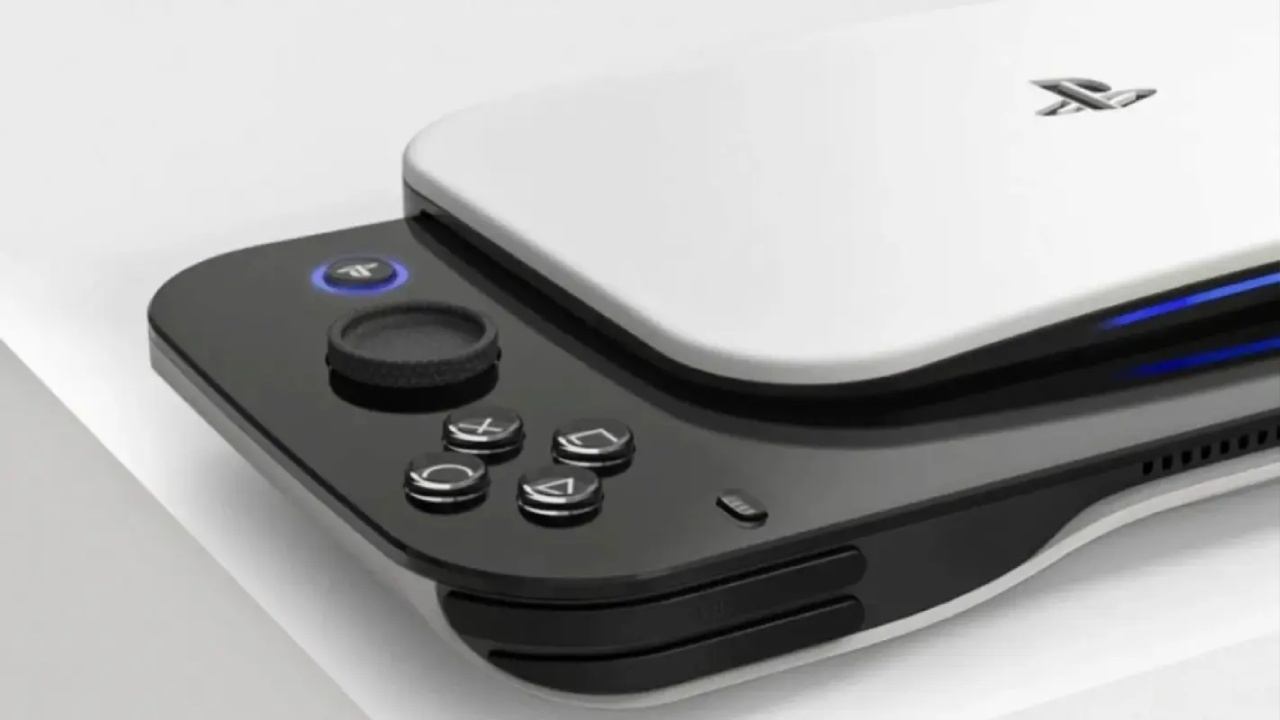
If these systems come together in a future PlayStation, it will have effects beyond images.
The development processes would change. Models for sharing files would change over time. Even the speed plans for online stores could change. It would feel less like an upgrade and more like a reset of the basics of the machine.
Sony hasn't said anything about a PS6. No information about the hardware has been released. But the direction of study shows what the goal is. The next big step might not just be more power. It could be a smarter power. And that difference could set the tone for the next ten years of interactive pleasure.
Contributor, NoobFeed
Related News
No Data.