
PS6 and XBOX Chips Target RDNA 5 Power for Late 2027 Launch
What new chip details and a brutal memory shortage mean for your next console purchase.
News by Adeela Tas on Sep 27, 2026
If you've been trying to figure out when Sony and Microsoft will finally roll out their next-generation hardware, you just got a pretty solid clue. A recent online discussion, stirred up by someone with a track record of accurate chip information, gave you your first real look at what the PS6 and XBOX Helix might actually pack under the hood.
Along with the excitement, there's also a heavy dose of nervousness about what these machines will cost you. According to the numbers now floating around, the PS6 is expected to land around 40 teraflops, while XBOX Helix is rumored to sit higher at 56 teraflops.
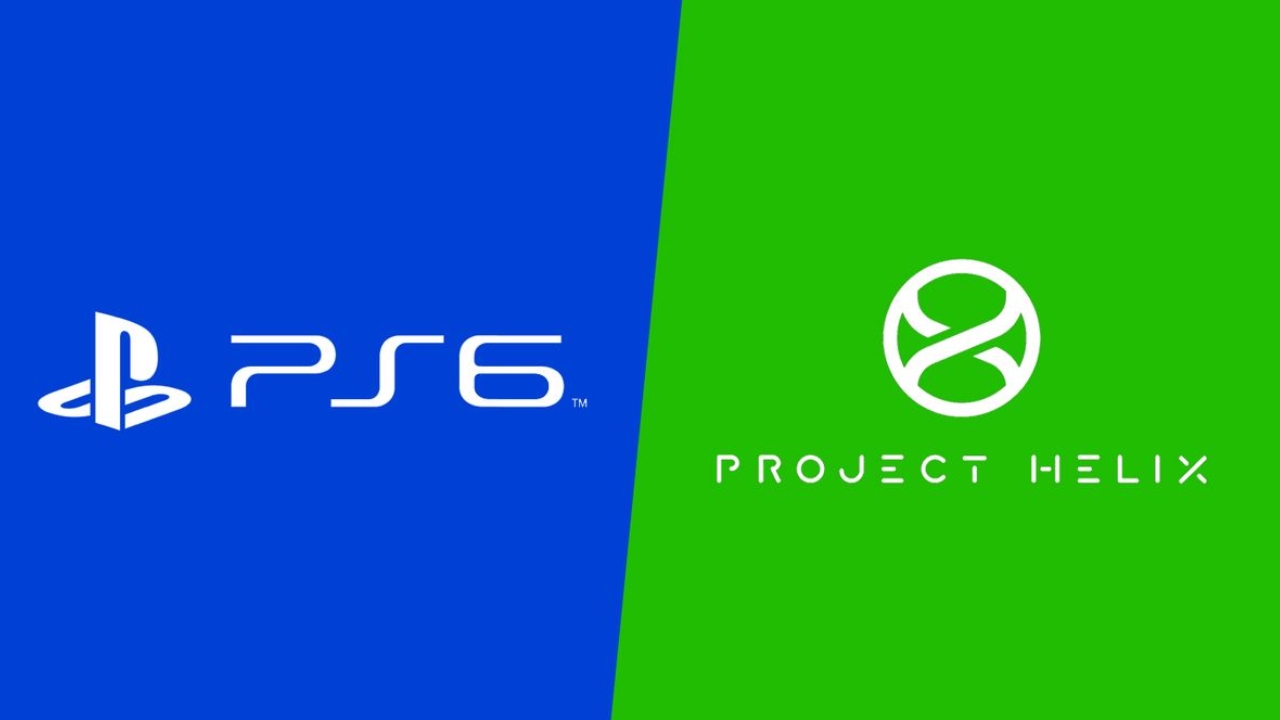
Before you start doing math in your head comparing that to the PS5's roughly 10.5 teraflops or the Series X's 12, know that it's not that simple.
Teraflops aren't a clean multiplier for how much better your games will look or perform. You're dealing with a completely different architecture this time around, jumping from RDNA 2 to RDNA 5, so old comparisons don't really hold up. You'll probably see people comparing it to something like a Radeon RX 9070 or RX 9070 XT graphics card, but even those are built on RDNA 4, a generation behind what's expected in the PS6.
Sony's ongoing collaboration with AMD, known as Project Amethyst, means this hardware could include entirely new features that haven't even been discussed publicly yet. AMD is also expected to release its own consumer graphics card built from that same shared research, so this partnership is clearly paying off in more than one direction.
Speaking of graphics cards, you're living through a strange moment on the PC side too. Many buyers are snapping up Nvidia's RTX 5090 not for gaming, but to run local AI models, and that demand has pushed prices into wild territory. Cards with 32GB of GDDR7 memory have reportedly sold for anywhere between eight and ten thousand dollars in some markets.
Meanwhile, something more reasonably priced like AMD's Radeon RX 9070 or RX 9070 XT is still holding its own for gaming performance, even if paying six or seven hundred dollars for a GPU now feels like a win. AI-driven demand matters more than you might think for your next console, but before we get into pricing, it's worth talking about what's actually changing on the hardware side.
This generation already introduced a built-in solid-state drive as a standard feature rather than an optional upgrade, and that's expected to get even faster.
Word has it the SSD inside the PS6 could be roughly three times faster than what's in the current PS5, opening the door to streaming far more game assets on the fly and even using storage in ways that resemble extra memory. Ray tracing is also expected to become a non-negotiable standard rather than an optional visual bonus. You've already seen titles that require ray tracing hardware just to run at all, and that trend is only going to grow.
Developers say this approach can cut development time and reduce file sizes, since lighting no longer needs to be baked in manually. On top of that, upscaling technology is expected to be built directly into the hardware from day one, instead of being limited to a smaller subset of systems the way PSSR was tied mainly to the PS5 Pro.
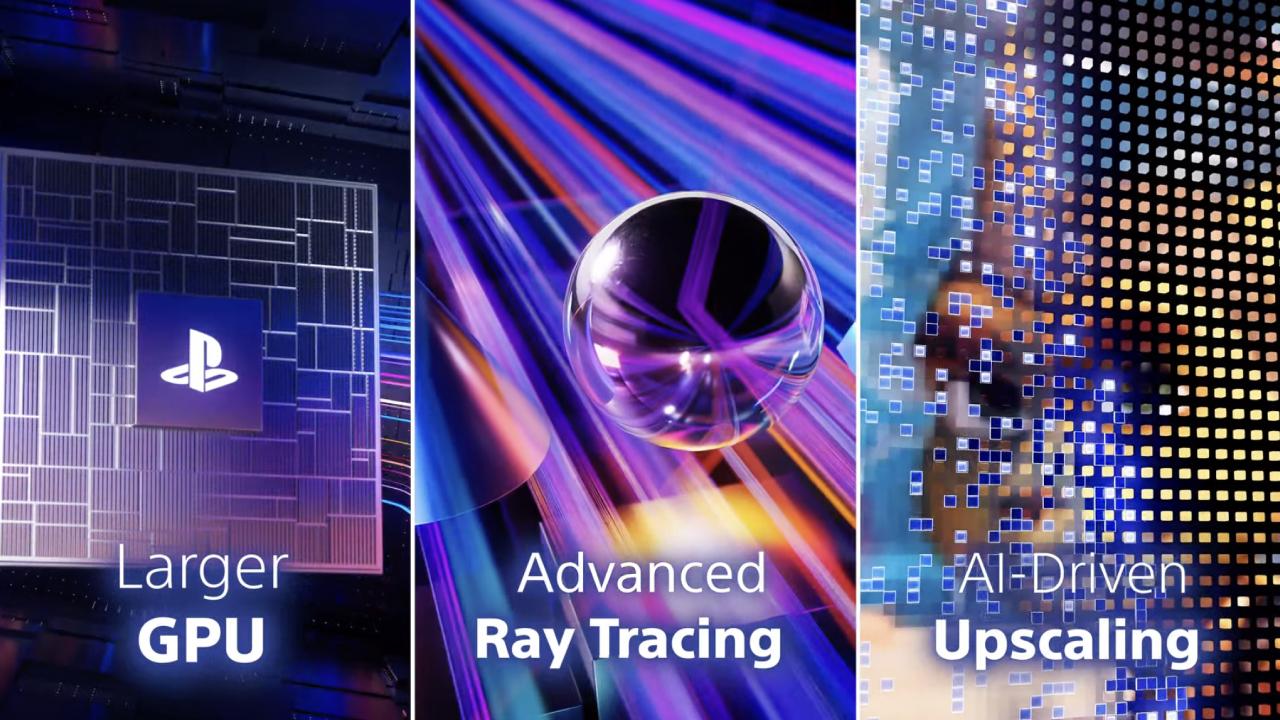
The part you should pay closest attention to is the CPU. That's been the area most left behind this generation, and it's expected to see the biggest leap forward with the PS6. Better CPU performance could also mean smarter implementations of things like frame generation, with less noticeable input lag since developers will be working with fixed, known hardware instead of guessing across a range of PC configurations.
Beyond raw power, there's hope that this generation finally delivers more interactive worlds instead of just bigger maps. Picture environments where objects react physically when you interact with them, rather than staying frozen in place, and where that interactivity doesn't tank your frame rate or force a locked 30 FPS experience.
That same wish extends to smarter NPC behavior, including things like believable daily routines, ideas that have been talked about for years but rarely delivered in a meaningful way. Ideally, all of this creates real, memorable gameplay moments instead of developers zooming in on skin texture or eye reflections that nobody will notice while playing.
Unfortunately, all of this ambition runs into a much bigger problem that has nothing to do with game design.
The explosion of AI and large language models over the past several years has completely reshaped the market for DRAM, the memory used in basically every electronic device. Reports suggest that situation won't meaningfully improve before 2027.
Even though most of that demand is for server-grade memory or HBM used in data centers rather than the type found in consumer devices, manufacturers like Micron and Samsung have shifted production toward the more profitable enterprise side, leaving less room to produce consumer-grade memory for things like game consoles.
That shortage is a major reason you should probably expect at least one more round of price increases across gaming hardware. Microsoft already pushed the XBOX Series X up to around $800 with a disc drive included, and further hikes are expected for the PS5 and even the Switch 2 heading into 2027.
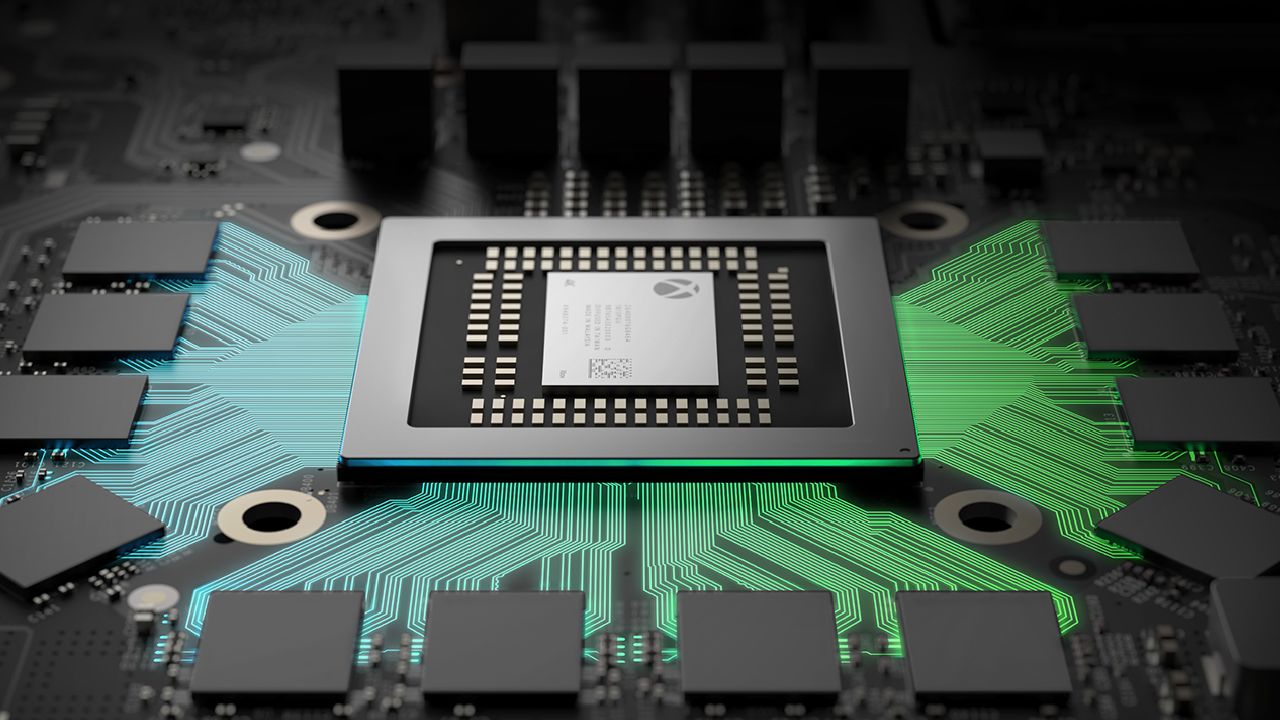
When you consider that the PS6 is expected to include at least 30GB of high-speed GDDR memory alongside a full terabyte of SSD storage, it becomes genuinely difficult to imagine Sony pricing it under $1,000, even with heavy subsidies. Eating a $ 300-per-unit loss across an initial production run of ten million systems adds up to a massive financial hit, and it may make more sense for Sony to sell fewer units at a healthier margin instead.
Some optimism is floating around, too.
One tech executive has suggested that supply issues could level off by the first half of 2027, with real relief not arriving until closer to 2030. Chinese memory manufacturers are becoming a bigger part of that picture as well, with newer players entering mass production and looking to pick up customers being pushed aside by bigger suppliers like Micron and SK Hynix.
Over the next couple of years, that could ease some pressure on the commercial memory market, even as AI-focused production keeps climbing. Sony clearly understands the tightrope it's walking here. Price the PS6 too high, and people will simply walk away calling it a fun ride while it lasted.
In a healthier market, the PS5 would likely be sitting around $300 for a digital model and $400 for the disc version by now, following the same pricing pattern the PS4 saw over its life. On that trajectory, a next-gen console might have reasonably launched around $600. Today, that number sounds almost laughable given how upside down memory costs and AI demand have made the entire industry.
Even with all that pricing uncertainty, both companies appear to be moving faster than expected. Reports indicate that chip designs for both the PS6 and XBOX Helix have already been finalized for manufacturing, a step that typically doesn't happen more than a couple of years before release.
That points toward a launch window sometime in late 2027, especially since AMD is expected to release related graphics hardware from this same shared research as early as next year. CES 2027, running in early January, is worth watching closely, since Sony has used that event before to preview upcoming hardware directions.
Both companies will likely lean into lengthy overlap periods with their current consoles rather than pushing everyone to upgrade immediately.
Microsoft, in particular, may try to bring existing XBOX Series X and Series S owners into this new Helix ecosystem through software updates rather than forcing a hardware jump right away. That still leaves plenty of open questions around system requirements and whether physical media, like PS5 discs, will carry over to the PS6 without needing external hardware.
A November 2027 release now feels far more realistic than the 2028 timeline many expected earlier. With chip designs locked and specifications firming up, it looks like Sony and Microsoft are getting ready to make their case for jumping into next-gen hardware sooner than many players were mentally prepared for.
Editor, NoobFeed
Related News
No Data.