
Sony’s PS6 Controller Might Kill Buttons—Read Your Body Instead
New patents hint at a shape-shifting, biometric-aware PlayStation controller that adapts to your hands, your stress, and maybe even your skill without you noticing.
News by Zahra Morshed on Feb 02, 2026
The research rooms at Sony are becoming home to something strange that has nothing to do with teraflops or silicon. Most people are still interested in how well the PlayStation 6 might play games, but new patent filings show that Sony is secretly thinking about a much more personal aspect of gaming.
That is, the driver. And the answer might be a lot different from what people thought. A new Sony patent describes a controller idea that doesn't use any real buttons at all. No set signs. No switches that work by hand.
.jpg)
A seamless capacitive surface, on the other hand, would be able to pick up touch, pressure, and movements across a single adaptive shell. Based on grip, thumb position, and hand size, virtual inputs would appear on the fly, reshaping the control scheme to fit each player.
The thought is future, but it also goes against what people have learned over many years.
Generations of players have learned how to react automatically to physical buttons. When you press nothing and believe that invisible zones will work like normal inputs, you make a mental jump that could change the way you interact with things.
Sony seems to be well aware of that strain, but the idea was thought up on purpose. However, the text of the patent claims that standard controllers don't take into account differences in hand size, grip style, and physical ability.
A design that works for everyone makes it harder to get to things. An adaptive surface that can recognize taps, swipes, slides, pinches, and multitouch motions could make customization a lot easier and make it easier for players who have trouble moving around.
There are some costs to this freedom.
When tuned to one person, a remote could feel strange when held by someone else. As soon as the gadget is set up for a new user, familiarity goes away. There are tensions between the desire for customization and the ease of following the same rules.
This makes us wonder how social and competitive games would change to these differences. The idea of not having buttons is just one part of a bigger trend. In the past few years, Sony has filed a lot of patents related to controllers.
Many of them go beyond the usual ways of designing inputs. One talks about biometric tracking by using light-based spectroscopy to look at sweat. The system could tell if someone was stressed, tired, or emotionally charged by checking amounts of glucose or cortisol.
The effects are very serious.
Based on physiological input, games could change the difficulty, time limits, or how enemies act in real time. Help would start working without any choices or settings to be changed by hand. The controller acts as a silent go-between, reading the player's body language and reacting before anger sets in.
Philosophical tension is caused by the same process. If a game slightly makes things easier when you're under a lot of stress, it's hard to tell the difference between earned mastery and helped growth. Success may feel real, but it's actually affected by processes that you can't see.
It seems like faith, openness, and player choice are more important than ever. Another Sony patent looks into how to change the shape of things. If the inside of a controller was made to be flexible, it could bend, resist, or apply pressure to mimic forces in the game.
If you squeeze something, the gadget might push back.
When you hit something, you might feel resistance in your hands. Vibration changes to real force during immersion. All of these ideas point to a new way of thinking about what a manager is. Sony isn't just improving feedback or comfort.
It is looking into how to use biometric awareness, adaptive surfaces, and shape-shifting hardware as main ways to engage. It looks like the goal is less about show and more about making the gap between people and machines smaller.
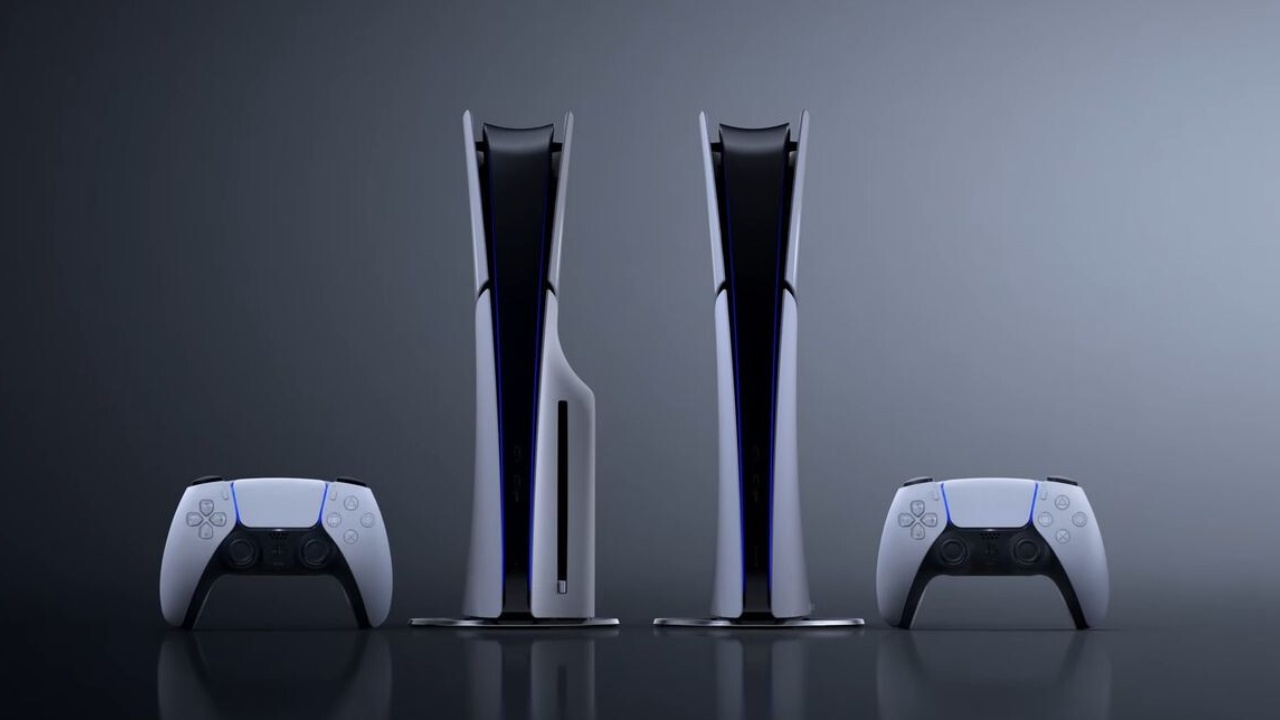
This approach tells us something important about the time of the PlayStation 6. There is no longer just power on the edge of the world. Interaction, ease of use, and response are quickly becoming important principles. But new ideas come with risks. Controllers work best when they aren't noticeable, not when they need to be looked at all the time.
It's still not clear if these rights will lead to consumer hardware. Sony often files ideas that are just for fun and never make it to production. Still, the ambition and consistency of these designs show that the company is constantly questioning long-held beliefs. PS4 might have a different path than we think. It might feel completely strange.
Contributor, NoobFeed
Related News
No Data.