
Soulframe Finally Escapes Warframe's Shadow with Prelude 12 As Proof
With deeper combat, richer worldbuilding, and MMO-like evolution, Digital Extremes signals a rebirth, not a side project.
News by Asura Kagawa on Dec 01, 2025
A new chapter has begun in the world of Soulframe, Digital Extremes's big fantasy project that is very different from the company's history of making science fiction games. The 12th prelude, called Wilds, is a turning point. The update adds a more complex structure, better gameplay, and long-awaited features that make Soulframe more like what the creators had in mind.
With each reveal, the game goes from being an experimental concept to something that makes more sense, is more sure of itself, and is definitely more interesting. Soulframe is a development tool that is alive and well. Digital Extremes doesn't keep early versions of the project secret; instead, they work on it in public, letting players into the dreamy world through playable preludes.
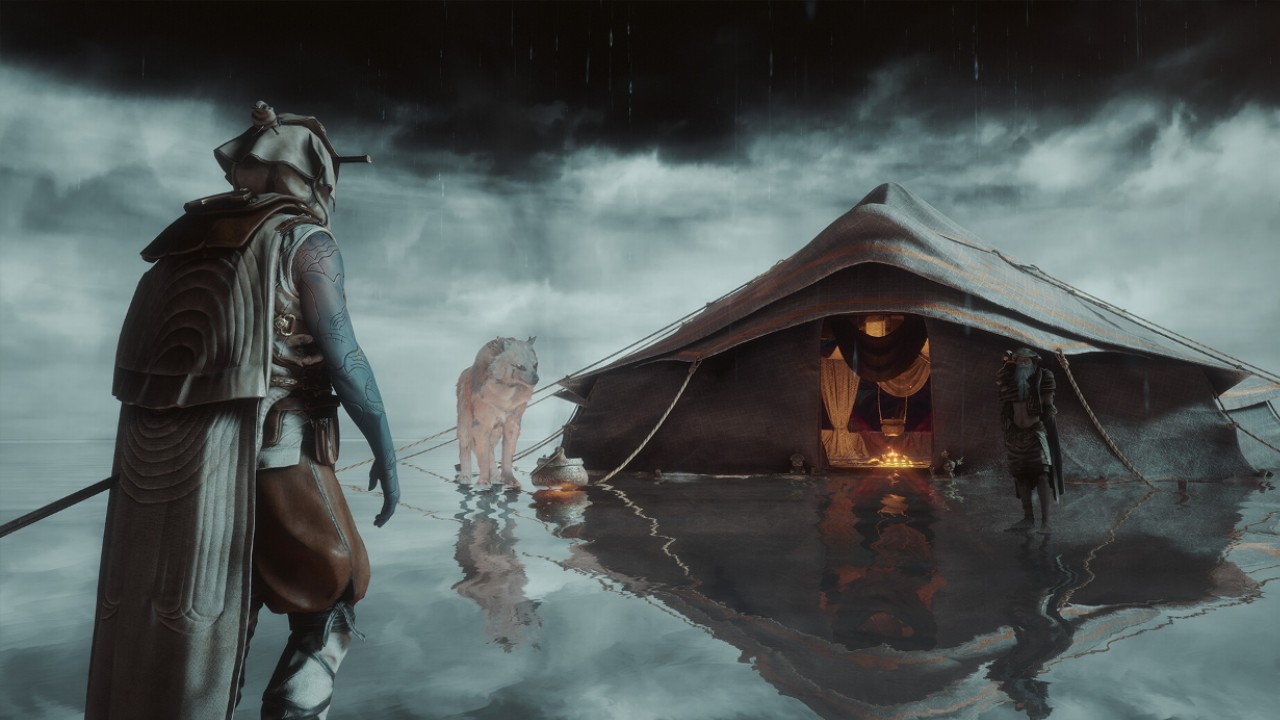
These builds change all the time as changes are made to the difficulty of battle, the flow of discovery, and the basic rules of the RPG. This idea is taken even further in Prelude 12, which marks the end of experimentation and the beginning of building. It feels like the base is stronger, more purpose-built, and ready for the next layer.
Soulframe is an action role-playing game with light MMO elements at its core. It is based on themes of nature, decay, psychic imbalance, and old technology that has been destroyed. The artistic vision leans toward overgrown cities and broken mechanical remains, which is very different from Warframe's high-speed chaos. Every hit counts, every choice has an effect, and every fight depends on timing, strength, and mastering your position.
The rhythm of the fighting has a grounded, deliberate beat that reminds me of Souls-like design while still keeping the shared-world structure that Digital Extremes has always done so well.
Prelude 12 makes this idea much bigger. The Greatsword grip type is one of its most interesting features. It's a heavy weapon family built around wide arcs and powerful hits. The stories behind each of these blades are different and have to do with the world's broken past. The story has different versions, like Needle's Eye, which is linked to the mysterious child queen Muriel Jotar, and Purity, which is an undead blade linked to poor soldiers. Each tool feels like it was made not only to be useful in battle but also to add to the story.
There is a new merchant figure moving across the Nightfold. There is a mysterious figure called Zenith that looks like a camel and has been seen around the Ode without being seen. He opens a shop with strange goods that make the center of the game more interesting. People who work for real vendors make the world feel like it was made by hand, not by recipes. It feels more real with this small but important touch of realism. This is the kind of feature that slowly changes a technical prototype into a world that players can live in.
The update also changes how siege battles work, with a focus on the protected area of Fort Ko. Layouts are improved, goals are made clearer, and player flow is rethought to make fights feel like they're getting tougher. All of these changes make the new-player experience much better. Early work that was once spread out across different systems now feels planned and makes sense. Fast travel, which has been wanted for a long time, is also added, making it easier to get around in the wilds.
Under these system changes is the most interesting thing about the update: the addition of more Pact identities. The basic ideas behind how an envoy fights, changes, and grows are based on these class-style models. They're not just sets of skills; they're also ways of playing that change the flow of battle from moment to moment. Prelude 12 shows three different Paths, and how each one connects to Soulframe's world is different.
The Tethren Pact is a source of power and determination. This path leans toward the part of frontline combatant and is made for players who like to get into direct battle. A precise block, punishing counterattacks, and controlled violence hold it together. Some abilities, like Felust, let out a bunch of quick attacks, and Call of the Ancients draws the enemy's attention and makes you stronger and last longer. The last skill, Clash, sends out an explosion that knocks out enemies and gives you a chance to breathe when things get too tough. The Tethren way of doing things shows focus, toughness, and skill with steel.
It goes in a totally different way with the Ashela Pact. This identity improves your ability to direct the battlefield, hit targets far away accurately, and help others. You can tune the bow to a fine point so you can make charged shots that fall with a pleasing weight. When you shoot arrows at groups of enemies, you make a dramatic flow that helps you get closer to them. As you level up, you can direct crowds and give spiritual orders. Early skills give friends healing blooms that make them feel better. The Ashela way is good for players who like to carefully position themselves and kill enemies at a steady pace.
Then there's the Siren Pact, a mixed-type rule that combines ghostly speed with magical power. Its identity is mysterious—it's a mage that tricks illusions and attacks with assassin-like skill. Glamour makes you temporarily invisible, turning the messenger into swarms of ghostly butterflies. Even in the middle of a fight, backstabs are possible. Advanced skills can blind enemies or call up decoys that trick enemies and break up their focus. The Siren path is the most mysterious of the three because it is somewhere between an ethereal spellcaster and a shadowbound spy.
With these Pact styles together, Soulframe's player expression is changed forever. Their level of mechanical detail makes it easier to see how characters will grow, which shows that Digital Extremes wants to make its RPG framework bigger. Each road is connected by a common theme, but is also different enough to make the experience very different. With better balance, greater progression trees, and new gear sets in the future, these identities could become one of the most important parts of the game.
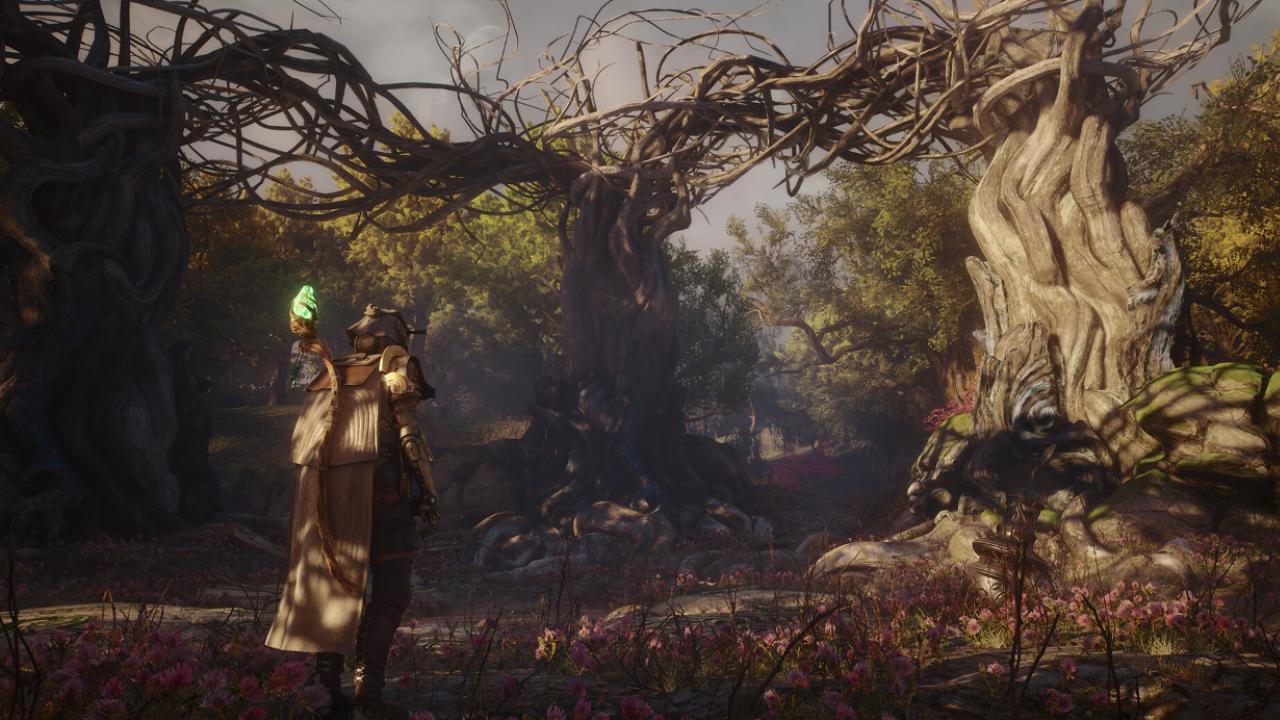
In addition to physics, Prelude 12 emphasizes a more subtle idea: momentum. The world seems more real, the systems work better together, and the fighting is more assured. When animations fall, the feedback is sharper. Enemy contacts send clearer signals. With better lighting, denser foliage, and more intended environmental cues, the environment looks more detailed. Soulframe no longer feels like an experiment, but more like a world getting ready to welcome a much bigger group of people.
Soulframe is still very early in its journey. Preludes, which add new features, art passes, enemy types, and story layers, are still being added to the project. In spite of this, Prelude 12 stands out. It's at this point that Digital Extremes' vision starts to take shape—the dreamlike fantasy, the strategic fighting, and the living-world goals start to come together into something real.
Soulframe could very well become its own thing if the next rounds go in the same direction as this one. Earth and myths have shaped this world. A way of fighting that is based on weight and time. An adventure story told through ruins, beasts, and mental unrest. The goal is not reached with Prelude 12, but it is the most clear sign so far that the way forward is starting to take shape.
Staff Writer, NoobFeed
Related News
No Data.