
Steam Machine Release Date Update Reveals Supply Chain Concerns
Supply chain pressure from AI infrastructure demand creates uncertainty around Steam Machine launch despite backend listings shifting to coming soon.
News by Nahe Yan on Mar 08, 2026
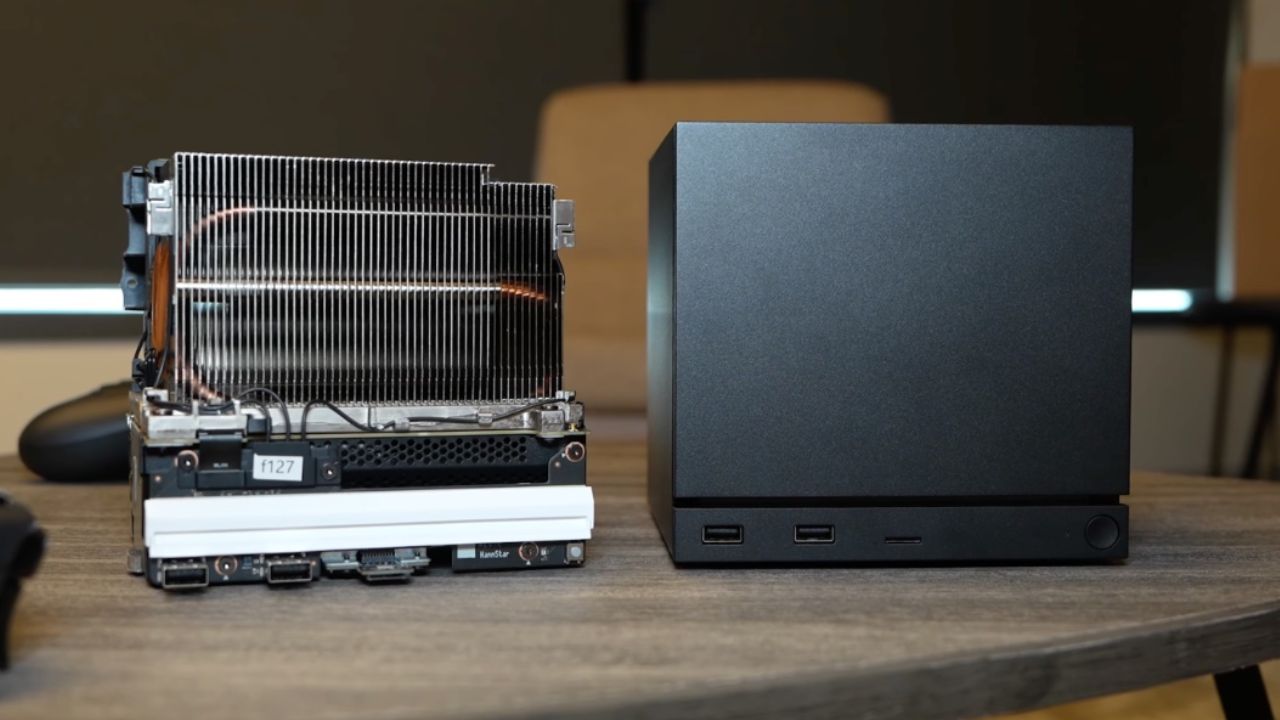
Valve recently released new information about when the Steam Machine will be released. Depending on how things go, the update might be good or bad news.
Steam backend for the Steam Machine, Steam Frame, and Steam Controller now says "coming soon" instead of "unknown" in the release date sections. That update made people excited right away because "coming soon" could mean the game will be out in the coming months.
Valve's 2025 Year in Review post came out not long after that. It had a hardware section that made things further clearer.
The release of the Steam Controller could help build momentum.
Valve said, "We hope to ship in 2026, but as we said recently, it's been hard for us because of memory and storage shortages." When we finish making our plans, we'll let everyone know.
The language in this update makes things less clear than they were in previous declarations. Earlier messages changed the launch window from early 2026 to before June 2026, which is the first part of the year. The new phrasing says the corporation aims to ship in 2026, which widens the window.
That change is a tweak in wording and not a definite delay. Valve is unusual from many big companies in that its public statements don't have to go through as many levels of review. In other circumstances, individual writers can post updates without worrying too much about every word. So, the language change does not mean that plans are changing in a big way.
But the way hardware supply is going is making people worried. It's still not certain how much memory and storage will be available, and demand from other industries continues to disrupt supply chains.
The problem of insufficient memory is closely linked to the rapid rise of AI infrastructure. Data centers running AI workloads still need a lot of RAM and storage, and demand isn't slowing.
Companies in the semiconductor and hardware supply chains are still making a lot of money. Quarterly earnings generally beat expectations, even when investors' feelings change. These businesses remain lucrative in part because many of them supply parts to one another, creating a loop in which demand keeps growing.
Because of that situation, it's still hard to say when memory supply conditions will become stable. AI data centers will still need a lot of RAM and storage, and consumer device makers will have to fight for those same resources.
One possible way to address the situation is to absorb part of the escalating hardware costs. Prices for parts rose quickly for a while, sometimes changing within hours. Recently, those hikes have leveled off, giving manufacturers a brief break.
If the hardware is already ready for production, delaying the launch creates another problem: the longer the gear remains unpublished, the more obsolete its parts appear compared to competitors' gear due out soon.
More and more companies are announcing new gear. There are plans for hybrid PC-console systems to be released in the future, and it's possible competitors will try to release their hardware around the same time. That competitive pressure can mean that releasing hardware sooner is better, even if the profit margins are lower.
In the past, console makers have sold hardware at a loss and made money from software sales and platform services. If the goal is to compete directly in the living room gaming hardware industry, a similar method could work here.
Valve is in a different place than most console makers. Most people who buy Steam devices already buy many games through the Steam ecosystem.
There are other launchers, such as GOG and the Heroic launcher. However, most people who buy Steam-branded hardware still prefer buying games directly through Steam. That means when people buy hardware, the whole ecosystem instantly benefits.
Other firms that make PC-based gaming hardware face a different problem: users can buy games right away from several retailers, including Steam. This makes it harder for the platform owner to make money from software sales to offset the cost of hardware.
For Valve, having the hardware and storefront work more closely together makes it easier to get feedback on revenue.
There are dangers involved in launching hardware while the supply is unknown. After the release, the cost of parts could rise further, making them harder or more expensive to obtain.
If that happens, manufacturers will have to make tough choices, such as raising product prices or taking bigger financial hits. Both choices will affect how the market views them and their long-term profitability.
Because of these dangers, it is safer to wait until supply chains are stable before releasing the product, even if that means entering the market more slowly.
One way to win over users might be to release the Steam Controller on its own. A controller doesn't need much RAM or storage, unlike the Steam Machine or Steam Frame.
That difference makes it easier to find controller parts than it is to find parts for whole hardware systems. Releasing the controller might keep interest alive and keep things moving forward while bigger hardware announcements are still delayed.
The controller would also work with many different platforms. It might work with the Steam Deck, desktop PCs, and eventually the Steam Machine when it comes out.
The issue makes some within the company angry because the announcement about the hardware came just before the parts shortages worsened. Steam Machine, Steam Frame, and Steam Controller were all shown off after they were already made, and supply chain problems occurred soon after.
That scheduling makes it challenging to launch the finished hardware since the costs of the parts change so quickly.
Even with those problems, it still looks like a launch could happen by 2026. Interest may have dropped a little due to prior delays. However, competition remains strong, and the gaming hardware industry remains busy.
Using SteamOS on PC hardware shows how powerful the platform may be. Download games via preload systems, unlock them when they release, and they operate seamlessly with minimal setup. When you set the graphics to high and the performance to stable, it feels like you're playing on a console.
The sleep mode feature also impacts how you play games. Instead of having to manually save their progress, players can pause the game and resume right away. That feature shortens play periods and makes it easier to get through games.
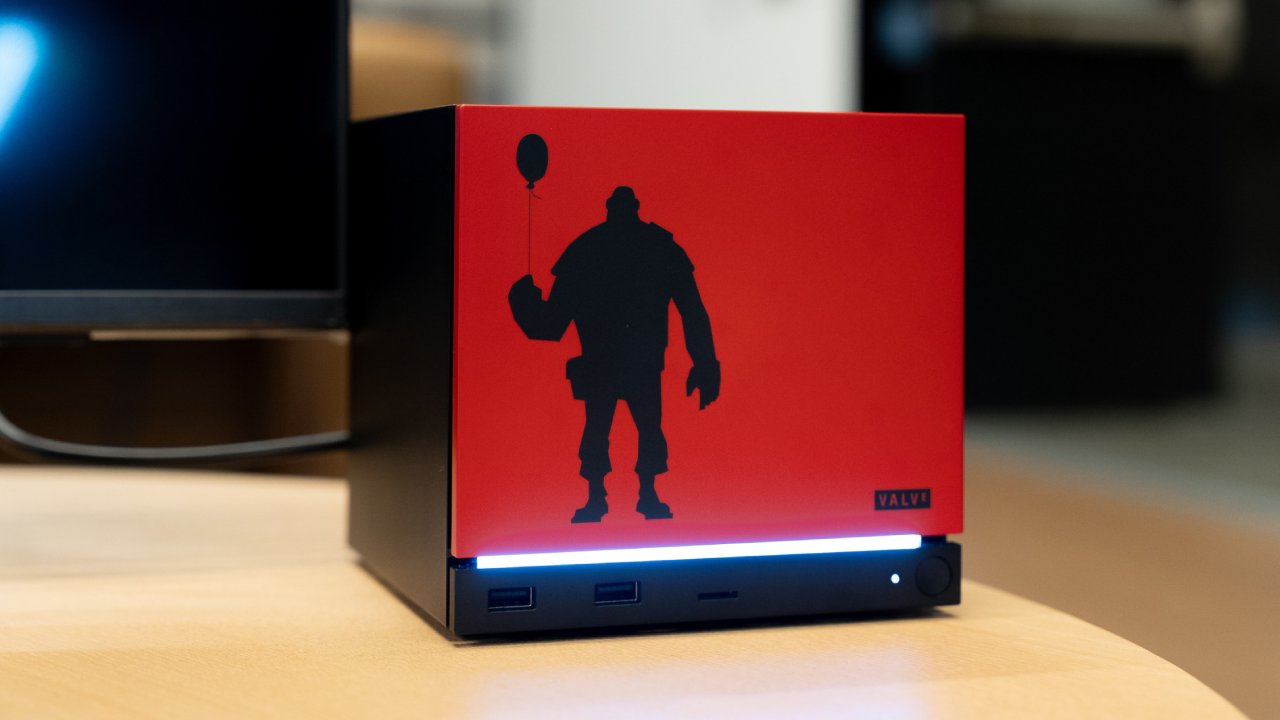
The only thing left to do is start up the system, which still needs a keyboard instead of a controller. That problem could be fixed with special gear made for living rooms.
One persistent problem is the timing of communication about the hardware. People who are thinking about buying something are unsure.
They announced it and then not saying anything for a long time.
Regular displays of real gameplay ease those worries. If the hardware is already set in stone, showing off how well the system works and how well it plays games would help people feel more confident in the platform.
Unless big hardware enhancements are planned before the system comes out, showing it off to the public might boost curiosity and keep the momentum going until launch.
The most recent update makes things appear muddled. People were excited to see that the status was "coming soon," but the change to a larger "hope to ship in 2026" schedule makes things less clear.
The launch still seems possible in 2026 for now. Still, the final schedule will depend heavily on the amount of memory and storage available. The situation is still up in the air until Valve makes a definitive release strategy.
Editor, NoobFeed
Related News
No Data.