
Switch 2 Gets Final Fantasy XIV, Nintendo Expands to Spotify, and Walmart Shakes Up Game Pricing
From a major MMO announcement to strong sales in Japan and unexpected discounts on upcoming Switch 2 games, Nintendo had a packed week of news with plenty to unpack.
News by Asura Kagawa on Apr 25, 2026
Nintendo had a surprisingly stacked week, with a wave of announcements that touched nearly every corner of its business, from major third-party support and software sales to music streaming and retail pricing. It was the kind of news cycle that felt bigger than a typical roundup, especially because several of these stories hint at larger shifts that could continue to unfold in the months ahead.
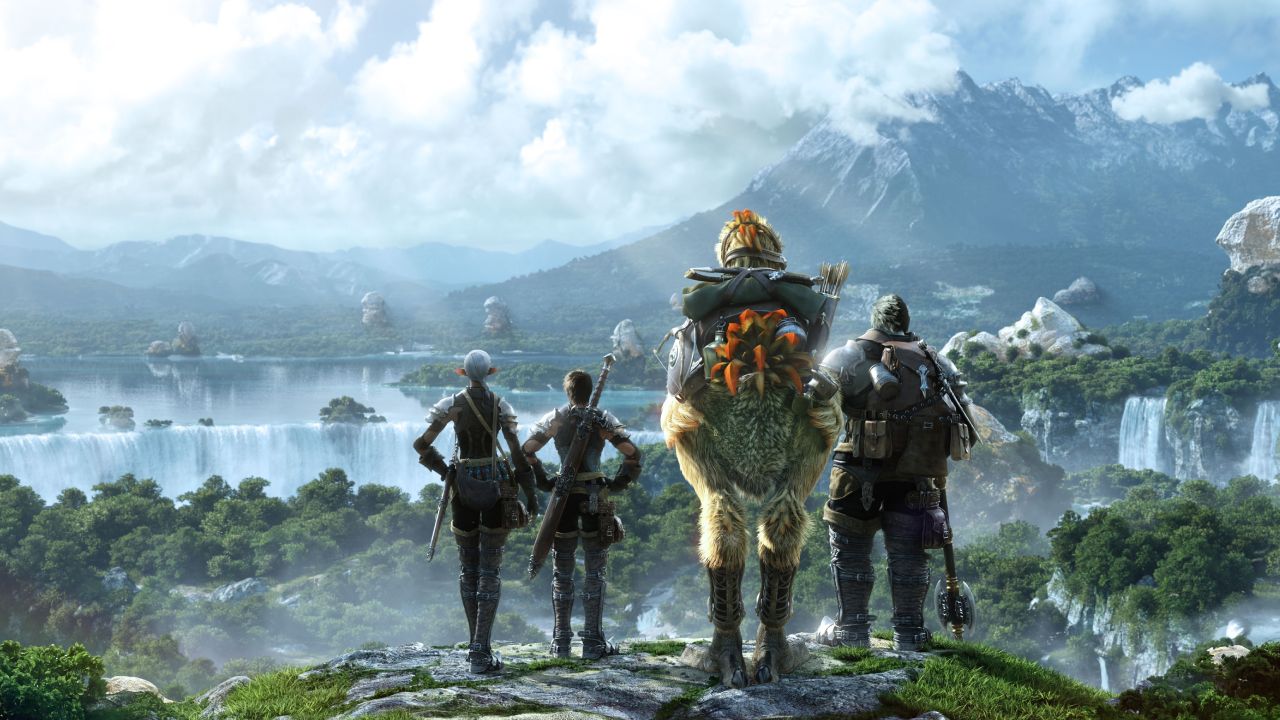
One of the biggest reveals was that Final Fantasy XIV Online is finally coming to Switch 2 this August. It’s a major addition to Nintendo’s next platform, and one players have been hoping to see for years. Square Enix had hinted at the possibility before, but this announcement was the official confirmation, bringing one of the biggest MMORPGs in gaming to Nintendo hardware in a meaningful way.
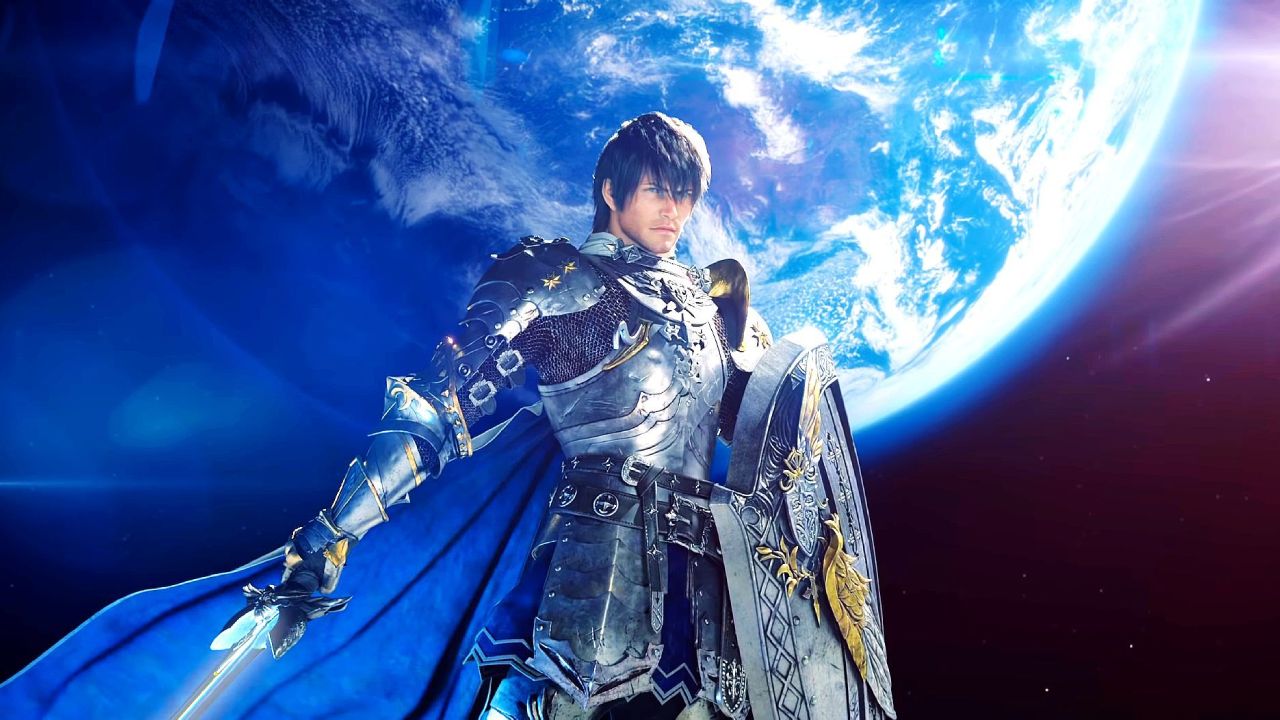
The launch will include a one-month free early access period, likely intended to test servers and give players a chance to jump in before regular subscription fees begin. That part is fairly standard for an MMO, but the discussion quickly shifted to the catch attached to the Switch 2 version.
Unlike the game’s existing structure on PlayStation, Xbox, and PC, where a single subscription covers multiple platforms, the Switch 2 version will require a separate subscription. Existing players can carry over their accounts and characters, and current subscribers will receive a 50 percent discount on the Switch 2 subscription, but it still stands out as an odd exception in a game otherwise known for shared access.
That decision has understandably raised some concerns, especially for players who planned to use Switch 2 alongside another platform.
It feels like the kind of thing that may need more explanation, particularly since it differs so sharply from how the game operates elsewhere. One positive note is that Nintendo Switch Online will not be required, as the game runs on its own subscription model. Even with that caveat, the arrival of Final Fantasy XIV is a major boost for Switch 2 and another sign that Nintendo is continuing to strengthen support from major third-party publishers.
Away from Switch 2 announcements, Nintendo also had reason to celebrate in software sales, with Tomodachi Life: Living the Dream delivering a massive performance in Japan. The game debuted at number one in the latest Famitsu charts with 565,000 physical copies sold in a single week, and that total doesn’t even include digital purchases.
Those are enormous numbers on their own, but they look even stronger when viewed alongside early international reports. In France, the game reportedly sold around 70,000 physical units in its opening week and immediately became the year’s best-selling game there.
That kind of launch goes beyond nostalgia-fueled curiosity and starts to look like a genuine breakout hit.
Capcom’s Pragmata followed at number two, while Pokémon slipped to third due to new releases entering the chart. Familiar Nintendo staples like Mario Kart World, Minecraft, and Animal Crossing: New Horizons also continued to hold strong positions.
Hardware sales offered another reminder of Nintendo’s staying power. Switch 2 moved more than 44,000 units for the week, pushing past 5.1 million sold, while the original Switch family also posted notable numbers. The standout was the original Nintendo Switch itself, moving roughly 30,000 units despite now being in its ninth year.
For hardware this late into its life cycle, that kind of performance remains remarkable and speaks to how durable the platform continues to be. Nintendo also made an unexpected move outside traditional game news by bringing some of its music to Spotify.
For the first time, the soundtracks for Super Mario Galaxy and Super Mario Galaxy 2 are available on a major streaming service outside Nintendo’s own music app.
Combined, the two albums feature 130 tracks spanning roughly five hours of music. While the release appears tied to Mario’s 40th anniversary celebrations, it also feels significant because it suggests Nintendo may be more open to broader music distribution than many assumed.
That possibility matters because Nintendo’s music catalog has long felt underused outside its own ecosystem. Releasing even part of it onto Spotify opens the door to speculation that more soundtracks could eventually follow. For now, Galaxy and Galaxy 2 make for a strong starting point, and even if it begins as a limited experiment, it feels like a meaningful change.
Another long-awaited update came from Yacht Club Games, which confirmed Mina the Hollower has officially gone gold. Development is complete, and the game has entered submission for platform approval, putting release much closer.
With spring still the stated release window, a launch sometime in May feels increasingly likely.
For a game that has built anticipation for years, going gold is the kind of milestone that makes the release suddenly feel real. Early impressions have already pointed to something special, blending classic Zelda-inspired design with mechanics and ideas of its own, and the update only adds to the momentum.
It also adds another notable release to a year that is increasingly crowded with software worth watching. Then came one of the more unexpected stories of the week, centered around Nintendo’s new pricing model for Switch 2 games and Walmart’s apparent response to it.
Nintendo recently introduced a pricing structure in which some physical releases cost $10 more than their digital versions. Yoshi and the Mysterious Book launches at $70 physically and $60 digitally, while Splatoon Raiders launches at $60 physically and $50 digitally. That sparked immediate discussion about whether Nintendo was effectively raising the prices of physical games.
.jpg)
Then Walmart stepped in and complicated the entire conversation.
Online pre-orders for both titles are currently appearing at reduced prices once added to the cart, with Yoshi and the Mysterious Book dropping to $59.88 and Splatoon Raiders to $49.94, in both cases matching or slightly undercutting the digital versions. That dramatically changes how those prices look.
Rather than physical copies carrying a premium, they suddenly become the cheaper option, at least through one retailer. The discounts appear limited to online pre-orders shipped directly from Walmart, and it remains to be seen whether other retailers follow, but the move immediately turned what looked like a pricing concern into something far more consumer-friendly.
It also serves as a reminder that MSRP doesn’t always define the final price players pay, particularly when major retailers decide to be aggressive.
Taken together, the week felt less like isolated announcements and more like several larger threads moving at once. Switch 2 gained a major MMO, Nintendo saw another first-party hit explode, classical music reached mainstream streaming, a long-awaited indie moved closer to release, and retail pricing around upcoming games took an unexpected turn.
Some of these stories still carry open questions, particularly around the subscription model for Final Fantasy XIV, and others may only be the beginning of larger developments. But taken as a whole, the news pointed to momentum across multiple fronts. And that made the event feel like more than a routine Nintendo news cycle. It felt like a glimpse of where several parts of the company could be heading next.
Staff Writer, NoobFeed
Related News
No Data.