
PlayStation Network Outage Fuels Fresh Doubts Over Sony's Digital Future
A widespread PSN disruption has reignited concerns over Sony's planned shift away from physical games, with players questioning whether a fully digital PlayStation ecosystem is ready for the future.
Opinion by Wasbir Sadat on Jul 25, 2026
The PlayStation Network (PSN) was down for hours because of a major outage, bringing renewed scrutiny to Sony's ambition of an all-digital future for PlayStation. The disruption is particularly delicate timing since the studio is still under scrutiny over its alleged plan to cut away from physical game releases starting in 2028.
For many players, the outage was a prime example of a main fear of digital-only gaming. Without physical discs, customers are almost entirely dependent on Sony's infrastructure, including the PlayStation Store and PlayStation Network, to buy, download, authenticate, and, in some cases, even access titles they already own. If those systems go down, gamers could be stuck with limited options.
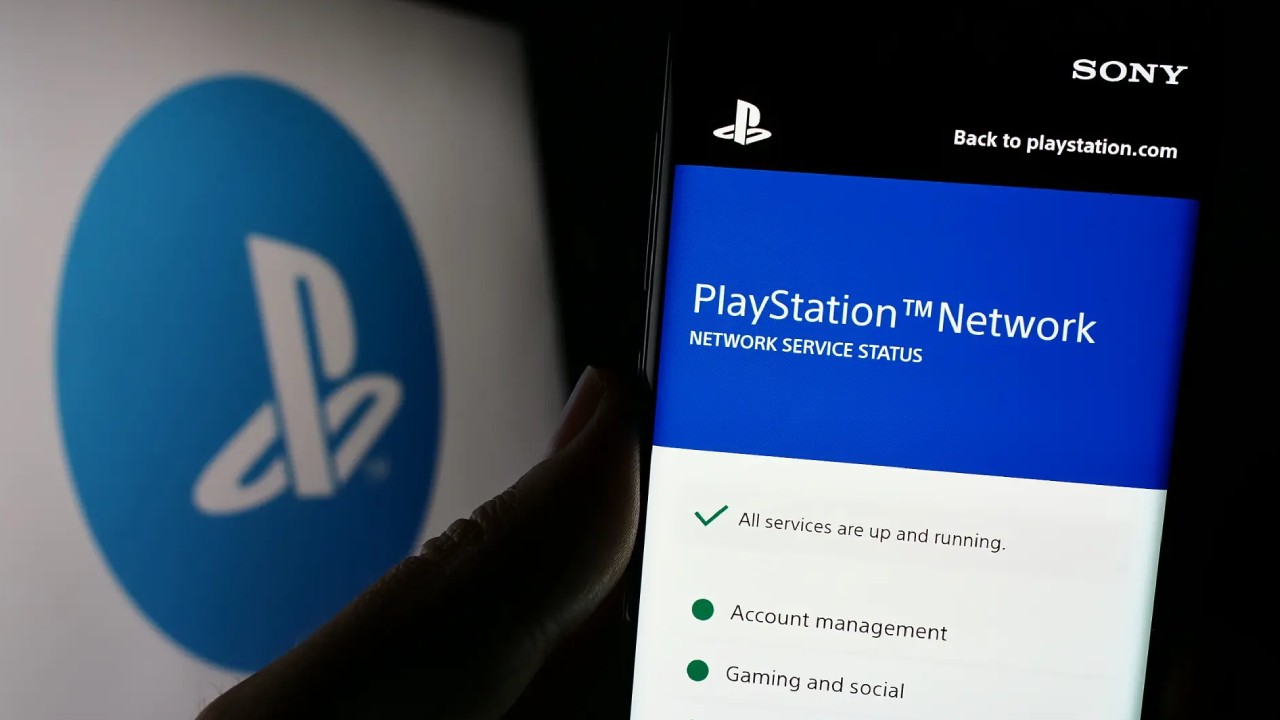
Users in multiple regions reported the outage early in the morning on Reddit and social media, saying they couldn't browse the PlayStation Store, access friends lists, view trophies, or launch some digital titles. Some users experienced sporadic issues, but others were unable to access large parts of the PlayStation environment for several hours.
The timeline of the incident showed reports beginning to surface around 7 a.m. ET, with updates throughout the morning as Sony worked to figure out the issue.
Early indications pointed to Amazon Web Services (AWS) – the backbone of the infrastructure of numerous internet services – being involved in the outage. Even when the AWS services were restored, Sony still needed more time to fully bring up its own network. By about 3 P.M. Eastern Time, the disruption was resolved, and most services seemed to have returned to normal.
But the episode had already ignited a huge controversy inside gaming communities and major media sources, with news reaching far outside the gaming press. The outage was more than just another momentary server hiccup. Many of the participants interpreted the disturbance as an illustration of what could become increasingly regular if physical media disappears, as Sony is reported to be planning to embrace a digital-only future after January 2028.
During the downtime, Sony's status page indicated difficulties with numerous services. Players in some regions had trouble navigating the PlayStation Store, looking for titles, downloading purchases, and using online services. Some European customers appeared to be more seriously impacted than those in the United States, and reports appeared to be location-based.
The disruption was widespread and drew considerable attention. Discussions on social media garnered millions of views, with mainstream publications such as the BBC covering the outage, and a sharp surge in reports seen on DownDetector. If Sony's goal is to build a future where every game purchase depends on digital stores, then network disruptions are significantly more damaging than they were in the days of physical media, critics say.
Even a few hours of downtime can effectively cut off access to purchases, downloads, and online services for millions of players. Storage restrictions compound the problem. Modern PlayStation 5 games are often over 100GB; therefore, many players delete games to free up space. If the PlayStation Store goes offline in an outage, you can't just reinstall a deleted game until services are back up and running.
The outage also renewed discussions about what is lost when physical media goes away.
Under normal conditions, many digital games can be played offline, but significant limitations continue to frustrate users. Those who have set their console as their primary PlayStation system should be able to launch downloaded digital titles without the need to reconnect online. But those who depend on secondary consoles, account sharing, or games that require repeated authentication could have problems whenever PlayStation Network has issues.
Some publishers still require persistent online authentication or always-online digital rights management (DRM), even for mostly single-player games. Those restrictions can prevent players from playing purchased titles even if they have previously downloaded them. Physical discs, in contrast, still provide some level of independence from online infrastructure.
Many of the PlayStation 5's Blu-rays come with a playable version of the game right on the disc. Updates are frequently speed improvements or new features, but gamers can still download and play the prior version without having to redownload the whole game. This truth contradicts the popular belief that all physical PlayStation games are only download keys.
Some releases require large downloads, but a good chunk of PS5 disc games are still fully installable from the physical media. The event has also sparked larger conversations about digital ownership and consumer rights, beyond momentary outages. One of the proposals gaining traction is to make it easier for players to archive digital games they buy to external storage devices.
Players may theoretically keep fully functional copies of major games on external drives and transfer them between compatible systems, rather than removing them to make space for other games. Supporters say a system like that would offer a digital experience that more closely mirrors real ownership. Users would have more control over software they already own, rather than being wholly dependent on Sony's servers whenever storage runs out.
The principle also becomes particularly essential during outages.
This would mean that if you already bought a game, you could restore it directly from external storage without needing to go through any other verification. Server outages would affect gamers who just want to keep playing offline a lot less. As digital libraries continue to increase, many consumers believe Sony will eventually need to address concerns about long-term ownership, mobility and accessibility if traditional media is phased out completely.
The outage has also raised worries about the PlayStation Network’s ability to handle some of the industry's biggest future blockbusters. Although there’s no evidence that the present outage was caused by gaming traffic, upcoming releases such as Grand Theft Auto 6 are expected to create unprecedented demand for downloads via the PlayStation Store.
In the past, digital shops have had problems with huge releases, especially when millions of customers want to access content at the same time. Sony and publishers have already explored ways to ease launch-day bottlenecks by allowing people to buy boxed versions of games with digital redemption codes before launch. This way, downloads can start before launch, rather than overloading servers at midnight on release day.
Still, the new outage serves as a reminder that network dependability will become more critical as more of the gaming experience moves online. Now, every interruption has even worse repercussions than previously.
PlayStation Network is mostly back, but the controversy about Sony’s digital future isn’t disappearing. The outage served as a reminder for many players of the trade-offs of convenience. As Sony embraces a future of digital distribution, reliable access, enhanced ownership protections, and resilience in the face of service outages could become as vital as the games themselves.
Contributor, NoobFeed
Latest Articles
No Data.