
Sony Could Make 100GB Game Downloads a Thing of the Past and You’ll Never Guess How
A new patent hints at hybrid cloud streaming that shrinks massive game files while keeping gameplay seamless—but offline fans might feel the squeeze.
News by Zahra Morshed on Feb 17, 2026
There may be a time in the future when 100-gigabyte files are no longer an issue. This is suggested by a new patent from Sony Interactive Entertainment. The filing, which was first brought to light by sources, describes a hybrid design that combines only a small amount of local installation with some cloud-streamed assets. It sounds less like incremental improvement and more like a new way of thinking about how to distribute things.
Most new AAA games are bigger than 80 to 120 gigabytes. Install footprints have grown to unimaginable sizes because of high-resolution images, uncompressed audio, and cinematic assets. What used to be impossible is now an everyday occurrence.
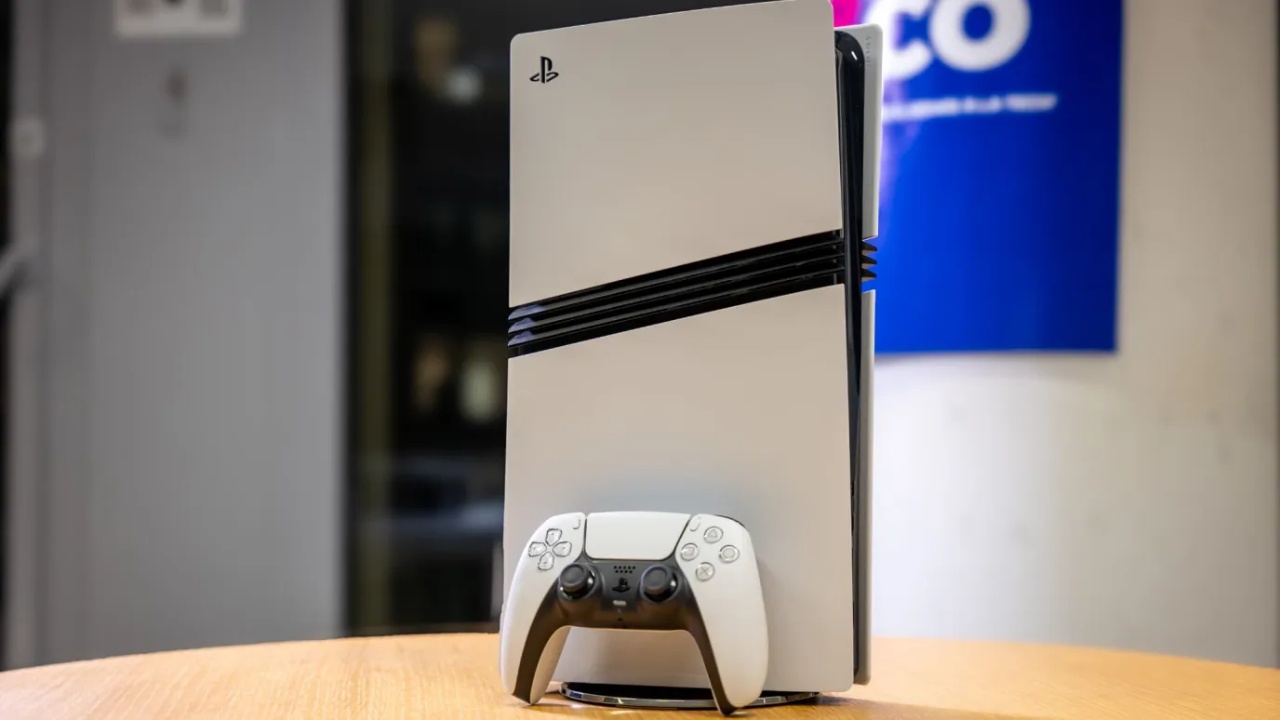
People now plan their downloads in the same way that people used to plan their disc swaps.
Sony's patent suggests a different set of steps. Core executable files and logic that are important for gaming would download locally in a small package. Large texture files, ambient sound banks, and assets that aren't necessary could stream dynamically from servers far away. The goal is to reduce the size of the initial download to a small part of its original size while keeping the game responsive.
It is said that the paper stresses that frame rendering shouldn't stop while waiting for streamed data. If an image doesn't show up on time, a placeholder with lower quality may show up for a short time. Integrity in performance is more important than outward completion. During active play, the method is meant to keep input responsiveness and avoid latency penalties.
This method is similar to how partial installations are done on the PS5. A lot of new games have a "ready to play" barrier that lets users start a game before the whole package is installed. The patent seems to take that idea even further. Instead of getting most of the experience all at once, the system could send less important parts to the cloud during early sessions.
This kind of model solves a problem that keeps coming up in internet commerce.
Depending on bandwidth, the time between confirming a buy and getting involved in an interactive way can last anywhere from minutes to hours. In an attention market where speed is valued, that delay increases the risk of being abandoned. The conversion loop between impulse and immersion could be made tighter by lowering the size of the original payload.
There are effects on how things work. The prices of storage continue to change in the chip market, and DRAM and solid-state components are sometimes hard to get. At the same time, consumers' standards for visual quality keep going up. Streaming some assets is a way to find a balance between the limits of hardware and the desire for an immersive experience.
However, the idea creates new responsibilities. For the best performance, you need to be able to connect to the internet reliably over broadband. If streamed materials can't be accessed, being completely offline could lower the quality of the images. The reasoning of the game would stay local, but the depth of the aesthetics might depend on how stable the network is. Some groups have good reasons to be worried about that trade-off.
The way distribution is going points to bigger changes coming.
In many countries, sales of physical media have gone down year over year, and digital stores have taken over console ecosystems. As cloud game services continue to grow, remote execution will likely become an important addition to local hardware in the future. Sony's patent doesn't mean that it will be used right away, but it does show that the company is planning for a future with more network integration.
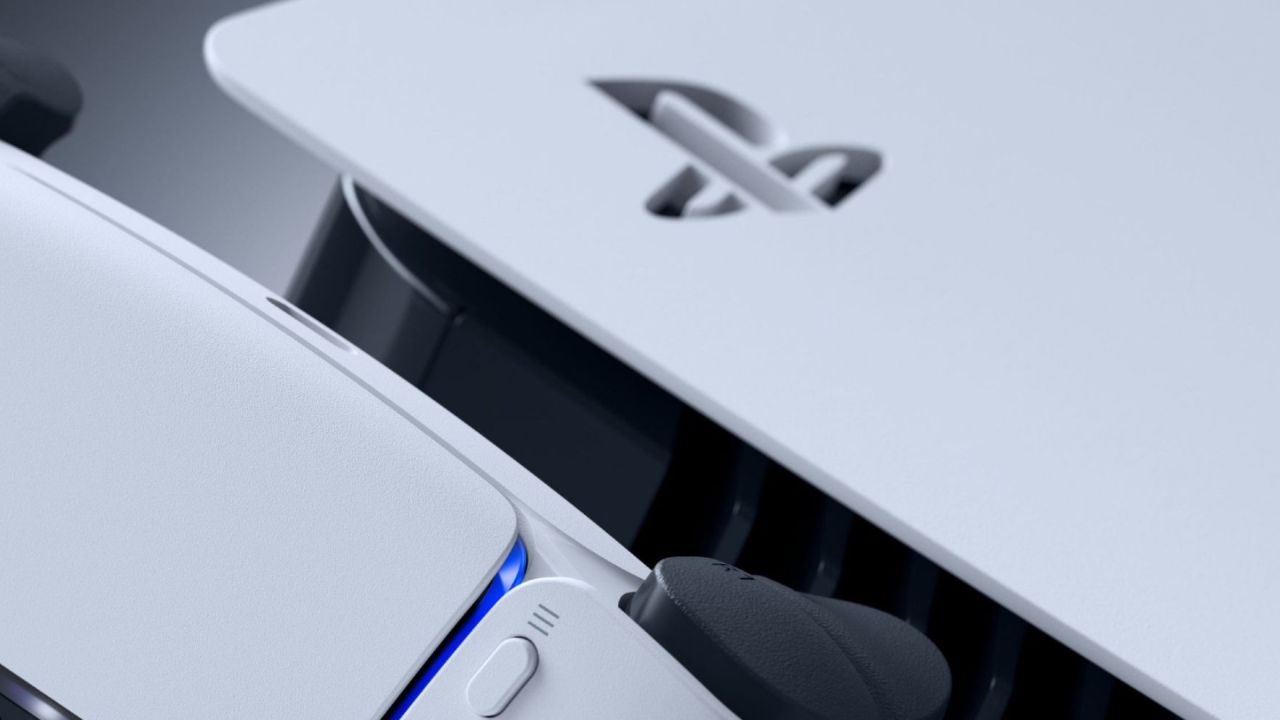
Importantly, patents are more often than not used as exploratory fences rather than product roadmaps. To keep their options open, tech companies regularly protect intellectual property. It's still not clear whether this system will show up in a firmware update or a new wave of consoles. It is clear that people know that increasing file sizes can't go on forever without new ideas.
You should also think about the user experience. Engagement is boosted by smooth hiring. The chance of retention goes up as the gap between curiosity and control goes down. When used correctly, streaming design can break down barriers that seemed inevitable at first.
The business world is at a turning point. Scale is needed for fidelity. Bandwidth is needed for scale. Bandwidth needs equipment to work. Sony's patent shows one way to solve that problem by combining local speed with the flexibility of the cloud.
Whether seen as a comfort or a dependency, the idea changes the way we think about a question that we have been taking for granted for a long time. What if there was no wait at all?
Contributor, NoobFeed
Related News
No Data.