
Sony Faces New Backlash Over Physical Games Strategy
Growing criticism suggests Sony's silence is deepening concerns over the future of physical games.
News by Elme Dhee on Jul 24, 2026
Sony is still facing criticism for phasing out physical games. The company has drawn fresh criticism for its digital-first strategy. While the drop in physical game sales may offer some financial rationale for the business decision, many players feel that it raises far larger concerns.
No suggestions. The argument isn't just about changing consumer behavior, but also about what will be lost as physical media slowly fades away from the PlayStation landscape. Many consumers say the move threatens long-held benefits of physical games, including ownership, preservation, resale, and more consumer choice.
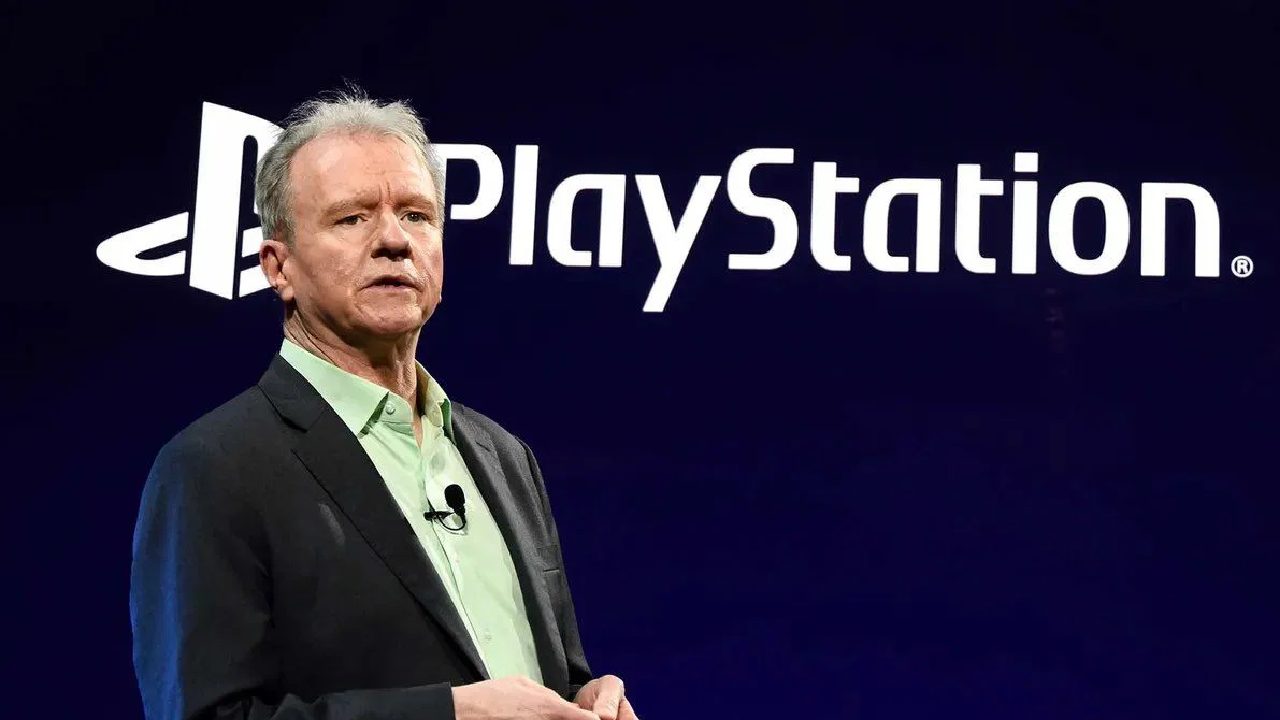
The debate has only gotten hotter with new claims about Sony's internal communication policies. Reports say the company expected significant public backlash. Those charges have only fueled the ongoing debate about whether the move to a fully digital future is moving too fast.
Sony's digital strategy is contrary to consumer concerns.
There are two very different views at the heart of the debate, and the same market forces drive both. The decline of physical games is seen as an opportunity to cut manufacturing, shipping and retail costs and push purchases through the PlayStation Store. But consumers say that removing physical media restricts ownership rights and diminishes their ability to preserve, lend or resell games after purchase.
Critics also point out that a completely digital marketplace gives platform owners more control over pricing and distribution. Players fear that without physical editions to accompany digital releases, consumers will have fewer options when purchasing new titles. For many, the discussion is not about convenience, but about keeping long-term consumer choice within the gaming industry.
Accusations of Sony anticipating public backlash arise.
The controversy gained further spotlight after comments from former Santa Monica Studio writer Alanah Pearce. In the announcement accompanying the physical game phase-out, Pearce said first-party developers disclosed that Sony had implemented its most stringent social media guidelines to date, limiting what employees could publicly say about the company's decision.
Some players have speculated that Sony was expecting a major backlash even before the announcement, given the reported restrictions. The company hasn't publicly responded to the allegations. Still, the alleged communication policy has fueled speculation that executives expected a flood of negative response, and wanted to limit internal conversation as public response continued to mount across gaming communities.
The silence surrounding all this also contains criticism.
Many players have said that Sony's poor communication with the public has become as controversial as the decision itself. The company has cited changing market trends, but critics say several major concerns remain unanswered, including questions on game preservation, digital licensing, long-term access to purchased titles, and the future role of physical retailers.
That lack of specific answers has only added to the uncertainty for consumers who still support physical games. Some people think better communication about preservation efforts and ownership protections would ease concerns. In contrast, others say Sony missed a chance to reassure players before moving further into an increasingly digital ecosystem.
The falling sales explain the decision, but not the frustration.
The continued decline in physical games makes a strong business case for Sony's digital strategy. Still, many gamers feel that the financial data does not fully address the issues of ownership and consumer rights. The market has clearly shifted to digital purchases. However, physical media remains an important option for collectors, preservationists, and players who value the flexibility to resell their games.
As Sony continues to build its digital ecosystem, the argument about physical games isn't going away. From a business standpoint, declining sales might support the company's long-term strategy. Still, many consumers remain unpersuaded that abandoning physical media is the correct answer, ensuring that the debate will continue long after the transition itself.
Editor, NoobFeed
Related News
No Data.