
The Witcher 3 Remaster Is Already Getting More Fixes, and Nvidia HairWorks Is Somehow Back
CD Projekt Red is still working through visual and performance problems across PC, Switch 2, and PlayStation, with another update already in development.
News by Mahi Araf on Oct 04, 2026
The Witcher 3 remaster is getting more fixes, and CD Projekt Red has confirmed that the work isn't finished yet. The studio has already released several fixes since the remaster launched, but it's still monitoring player reports and working on additional changes across platforms.
One of the bigger issues currently being addressed is the game's bloom effect. CD Projekt Red's global community director, Marcin Momot, confirmed that the team is looking into bloom problems across all platforms and is hoping to have changes ready for the next update. There isn't a release date for that update yet, so it's too early to say how substantial the patch will be, but the important part is that the team is actively working on another update.
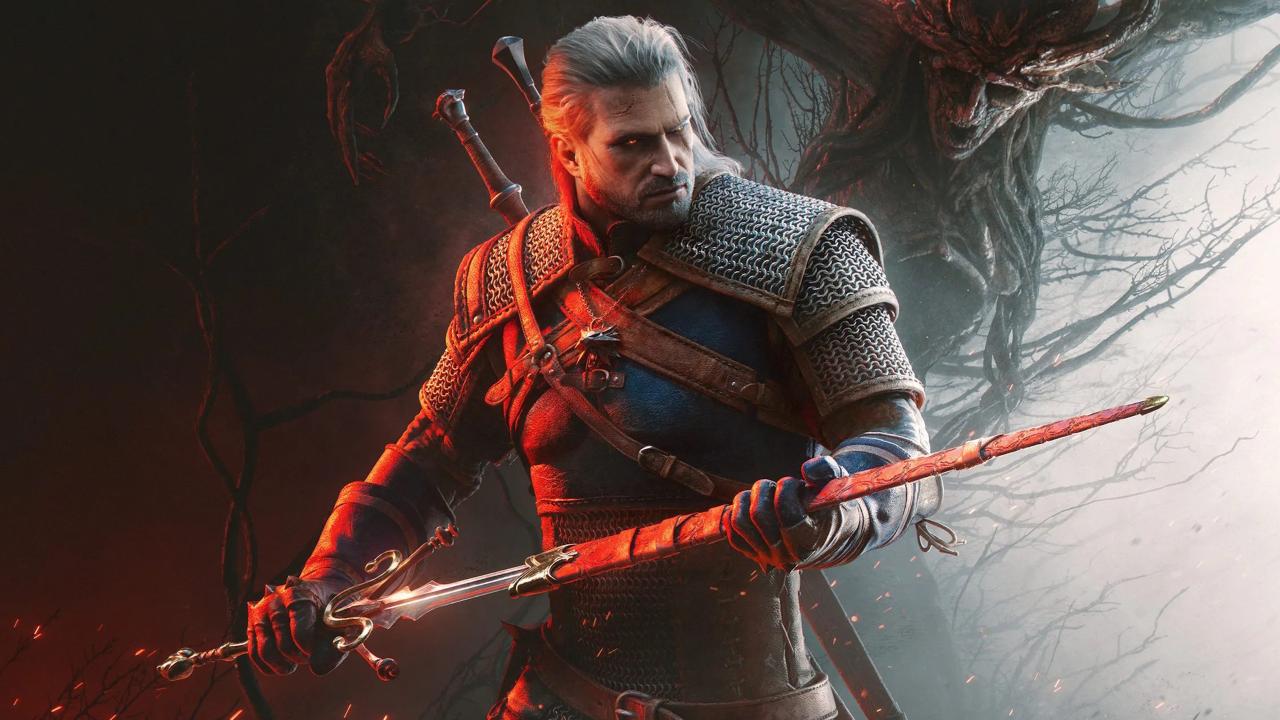
Bloom has been one of the more noticeable complaints since the remaster arrived. If you've compared the original game with the remastered version, you've probably noticed how different the lighting can look depending on your settings. With everything pushed to maximum and bloom enabled, certain areas can appear overly bright or washed out, while other situations can make the lighting feel inconsistent.
That has led to some strange comparisons around the remaster, where parts of the original game can actually look better than the updated version.
Some of that comes down to how the settings interact with the new visual systems. If you take the time to adjust everything manually, you can get the image looking much closer to what you'd expect from a modernized Witcher 3. If you leave everything at maximum, though, some visual changes can work against the game's overall presentation.
CD Projekt Red has already started making adjustments. On October 1, the studio released a hotfix that included visual changes throughout Velen. The update adjusted several elements, including bloom, vegetation, lighting, saturation, and path-tracing lighting. That means the team isn't simply waiting for a larger patch before touching the game's visuals. Changes are already being made.
Momot saying the team is still investigating bloom across every platform suggests the work is far from finished. Another update is coming, but exactly when it will arrive and how many additional changes it will include remain unknown.
That seems to be the general situation with The Witcher 3 remaster right now. The game isn't fundamentally broken, and underneath the technical problems it's still the same Witcher 3 that players know. The issues are more about the smaller visual and performance problems that can appear differently depending on the platform and hardware.
CD Projekt Red has also said that its teams are monitoring player reports and continuing to work on fixes. The company has already shipped two hotfixes, with additional changes in development, including the bloom improvements. That's especially important for a remaster that changes so many parts of a game that's been around for more than a decade.
No matter how much internal testing a developer does, putting a game in front of a massive player base can expose problems that simply aren't possible to find in a controlled environment.
With a game as large as The Witcher 3, countless combinations of hardware, settings, resolutions, graphics options, and platforms must be accounted for. Changing one system can also create an unexpected problem somewhere else.
And that brings us to one of the funniest problems to return from the original game: Nvidia HairWorks. Somehow, in 2026, players are once again talking about Nvidia HairWorks destroying performance in The Witcher 3. If you played the original game back in 2015, you probably remember exactly why this is so amusing.
.jpg)
HairWorks was one of those PC settings that looked impressive but could come with a serious performance hit.
Turn it on, and Geralt's hair could suddenly become much more detailed, with individual strands and additional effects making his already impressive hairstyle look even more ridiculous. The trade-off was that your graphics card could struggle to keep up.
Back in the day, a GTX 980 could struggle with HairWorks enabled. Now, more than 11 years later, players have far more powerful hardware, modern upscaling technologies, frame generation, ray reconstruction, and all kinds of other graphical features. Yet HairWorks has somehow managed to become a performance problem again.
It's almost fitting that a remaster of The Witcher 3 can bring back one of the game's oldest PC jokes. You can have a modern graphics card in your PC with enough power to handle technologies that weren't even around when the original game launched, only to find Geralt's hair causing problems again.
CD Projekt Red has already acknowledged the issue. The studio's support page confirmed that it had identified a problem with Nvidia HairWorks on PC that could significantly affect performance.
Until a patch addresses the issue, the recommendation is to turn HairWorks off.
The 5.00 hotfix has already improved the situation by reverting a change that caused significant performance problems. So, while HairWorks remains a funny reminder of the original game's PC troubles, CDPR has already taken steps to reduce the impact.
AMD GPU users also have a separate recommendation from CD Projekt Red. If you're experiencing visual problems with The Witcher 3, installing the latest recommended driver may help. It's another reminder that some of the problems surrounding the remaster aren't necessarily the same for every player, and keeping your drivers and game up to date could resolve some issues.
PC isn't the only platform getting attention, either. Nintendo Switch 2 players have their own problems, particularly when playing in handheld mode. The remaster can look noticeably blurry in handheld play, which has already stood out as one of the bigger visual complaints on Nintendo's newer hardware.
One thing to keep in mind with Switch 2 updates, though. Unlike other platforms, patches for Nintendo's platform must go through Nintendo's approval process before release. That means even if CD Projekt Red has a fix ready internally, Switch 2 players may not receive it immediately.
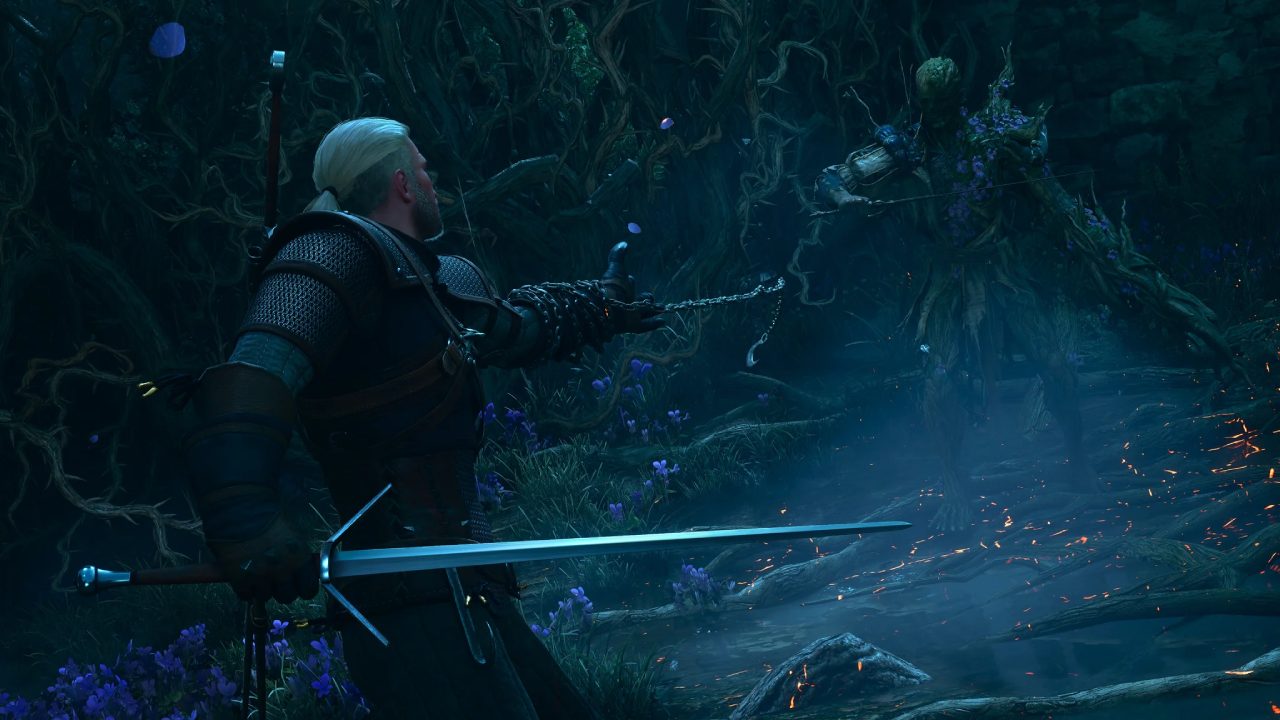
CDPR has confirmed that additional Switch 2 improvements are in the works, so more changes are coming. The exact timing will depend on the usual platform approval process.
PlayStation players have also reported some visual issues, particularly with the game's interface. On larger screens, some UI elements can look less crisp than expected, with noticeable pixelation around certain parts of the interface.
Some of that could simply come down to the display being used. A large projector, for example, won't necessarily present UI elements the same way as a smaller television or monitor. Still, players noticing a lack of sharpness adds another item to the growing list of smaller technical issues CD Projekt Red is keeping an eye on.
Despite all this, there's a bigger reason getting these problems sorted out now could help CDPR. The Witcher 3 remaster is expected to serve as an opportunity to clean up these issues before the next major expansion, Songs of the Past, arrives next year.
Having these problems appear now gives the developers time to identify and fix them before the expansion launches. By the time Songs of the Past arrives, the hope is that most of the performance problems, graphical glitches, and other technical issues will already be out of the way.
That's especially important because an expansion of this scale could potentially become another major Game of the Year contender. A big expansion can attract the same level of attention as a standalone release, and launch-day technical problems can quickly affect how the entire package is received.
Getting the remaster into a more polished state before Songs of the Past arrives therefore makes sense. The current issues can be frustrating, particularly for anyone who expected the remaster to be completely polished from day one. Still, the upside is that CD Projekt Red is addressing them well ahead of the next major release.
There's also a reasonable explanation for why a game that's more than 11 years old can suddenly have problems after receiving a modern overhaul. The Witcher 3 was originally built using Red Engine 3, an engine CD Projekt Red spent years modifying and expanding. The remaster then adds modern technology on top of that existing foundation. You're dealing with upgraded models and textures, improved lighting systems, path tracing, ray tracing, HairWorks, and support for current platforms, including Nintendo Switch 2.
You're essentially taking a huge game built around an older technology stack and trying to modernize it without breaking everything underneath it.
That becomes even more complicated when you remember how much content The Witcher 3 actually contains. The game has huge open-world areas, two massive expansions, thousands of quests, countless NPC interactions, different environments, weather systems, and many interconnected gameplay systems.
.jpg)
When you start changing something as fundamental as the lighting or rendering systems, the effects can spread further than expected. A change that looks harmless in one location can create an entirely different problem somewhere else.
In the most ridiculous example, you could end up with Geralt's hair suddenly consuming a huge portion of your GPU performance.
It's also why it doesn't make much sense to immediately blame one external studio simply because it's involved in development. Virtuos has been linked to the remaster's development, but pointing at one studio and treating it as the sole reason for every problem oversimplifies what CD Projekt Red is actually trying to accomplish.
You're dealing with an enormous game that has been heavily modified over the years and is now being pushed toward modern visual standards. Complications were inevitable when that many systems changed at once.
It's also one reason CD Projekt Red eventually moved away from its own engine and toward Unreal Engine 5 for its future projects. The challenges of continuing to modernize an engine that has already been extensively modified over many years are hard to ignore.
At the same time, the remaster isn't simply a higher-resolution texture pack. The game also includes legitimate improvements, including upgraded visuals, lighting changes, improved environments, and other graphical enhancements that make it look significantly different from the original release.
Those improvements also mean more things can go wrong.
For players expecting a completely flawless experience right after launch, the current situation can be disappointing. Some people may have even planned their time around returning to the game, only to run into technical problems. But because this is a free upgrade, the game isn't going anywhere.
The Witcher 3 will still be there once these problems are fixed, and CD Projekt Red has made it clear that the current update isn't the studio's final word on the remaster. Instead of releasing the upgrade and walking away, CDPR is continuing to monitor feedback and release fixes. The team knows there are problems, and it's working through them one at a time.
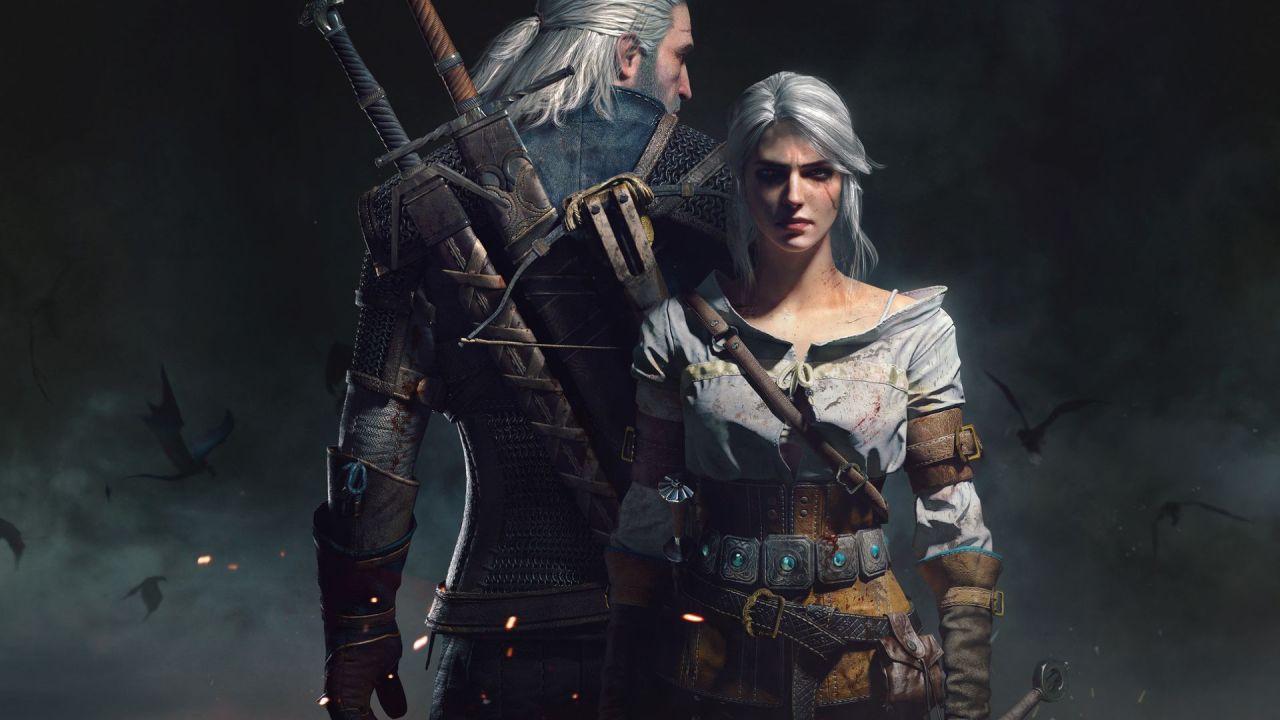
The situation is therefore a lot more encouraging than it might initially appear. The remaster has issues, but CD Projekt Red is actively addressing them. Bloom is being investigated across all platforms, Nvidia HairWorks has already received a performance fix, additional hotfixes are in development, Switch 2 improvements are in the works, and player reports are still being monitored.
And after all these years, the funniest part is that some things really haven't changed at all.
You can have modern GPUs, path tracing, DLSS, FSR, ray reconstruction, frame generation, and all the other technologies that have arrived since 2015. However, The Witcher 3 players can still end up talking about Nvidia HairWorks destroying their frame rate. Eleven years later, Geralt's hair is still finding ways to cause trouble.
Senior Editor, NoobFeed
Related News
No Data.