
Titan Quest II Awakened a Forgotten Goddess and She's Out for Blood
Nemesis rises, chaos spreads, and Titan Quest II begins its mythic revenge in early access today.
News by Maisie Scott on Aug 02, 2025
A forgotten goddess awakens. The realms tremble. And the curtain rises on a myth reborn. After years of silence, Titan Quest II emerges from its celestial slumber—ushered into early access today alongside THQ Nordic's showcase. For fans of classic ARPGs and modern myth-making, this launch offers more than nostalgia. It invites players to regain God's favor in a world where chaos is growing beneath marble ruins and old woods.
Titan Quest II takes place in the mythological lands of Greece and follows the angry path of Nemesis, the goddess of revenge. Her hand, which can't be seen, causes chaos in many places, but no one knows why. People take on the role of a hero marked by the gods, chosen—or cursed—to confront her judgment.

From its first moments, the game signals a return to deliberate, considered action RPG gameplay. Combat is not a flurry of mindless clicks, but a measured dance of timing, positioning, and response. Bosses use devastating, telegraphed moves that must be read, countered, and beaten. Mastery is rewarded over speed alone. Dodging and putting up barriers are important defensive tools that give the game a tactical depth that is missing from many other games in the same genre.
The first step in progressing is choosing your divine masteries, which are models that affect how you fight and how powerful your magic is. When early access starts, players can mix and match two tiles from Earth, Rogue, Storm, or Warfare. Each pair makes a new class with benefits and ways to play that haven't been fully explored yet. More masteries are being worked on and will be released in later updates.
Core systems give early-stage ARPGs an amount of flexibility that is often missing. Ritual Shrines are located all over the world and let players change their traits, make the world easier or harder, respawn enemies, and even call back bosses they've already beaten, which is great for getting more items or improving your strategy. As you move through the story and fight elite enemies, you'll earn divine points. These points help your character grow by letting you access higher levels of masteries, change skills, and improve passives.
Loot is still important, but in this case, growth isn't just about stats; it's also about style. A future transmog system is being worked on, which will allow players to make their characters look like gods. For now, gear is tied to function and rarity, with powerful set pieces hidden in dungeons and guarded by mythic foes.
The early access build includes the entirety of Act I and supports solo and cooperative multiplayer from day one. Though multiplayer functionality wasn't live in the early preview build, developers have confirmed full support—with known limitations in stability as expected during this phase. There are no plans for PvP, mounts, or pets, a design choice intended to preserve pacing and player focus. Fast travel between waypoints and portals on death provides the necessary conveniences without compromising immersion.
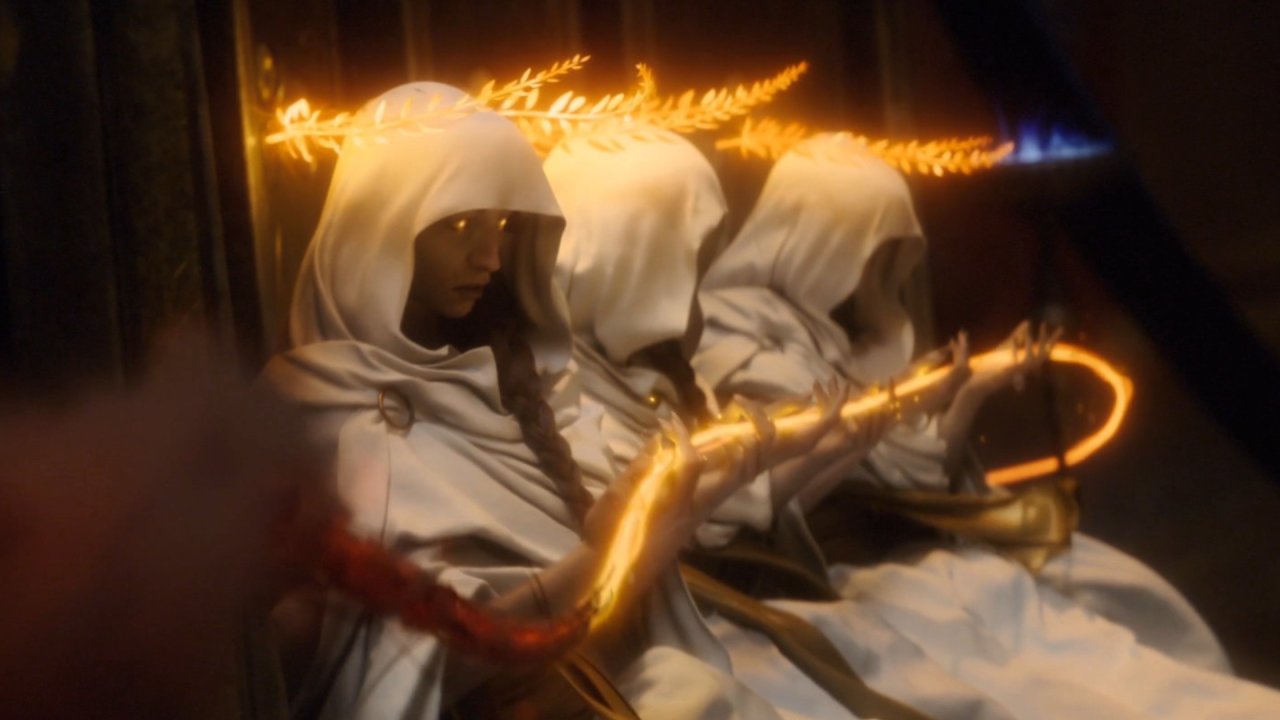
Exploration is both vast and rewarding. Environments—from coastal ruins to mist-veiled mountains—are dense with secrets, side quests, and story fragments. Many reward players with mastery points or attribute boosts, subtly encouraging deviation from the main path and reinforcing the importance of wandering.
Notably, Titan Quest II makes a clear philosophical break from genre trends. There are no microtransactions. No always-online requirements. No monetized grind loops. The game is fully playable offline, single-player, with all future content—including expansion plans—set to follow a traditional DLC model. In a space increasingly crowded by games-as-a-service models, this commitment to player-first design is nothing short of radical.
The cadence for future updates has been established: major content drops every three months, each introducing new chapters, masteries, systems, and features—including the long-awaited visual character creator and shared stash functionality. Balancing, a known challenge in ARPG design, will be a continuous process throughout early access, with community feedback shaping key decisions.
Console players will need to wait—the game will arrive on additional platforms with its 1.0 launch. Until then, the world of Titan Quest II belongs to PC players who choose to step into the early access crucible. The risk is real: this is a game still evolving. But the promise? A return to high-fantasy action RPGs rooted in myth, built for mastery, and driven by design—not monetization.
The gods are watching. The battle begins. And Nemesis is waiting.
Editor, NoobFeed
Related News
No Data.