
Xbox Magnus Leaks Reveal Microsoft’s Ambitious Next-Generation Gaming Plans
Rumored next-gen Xbox platform could merge console and PC gaming, feature cutting-edge AMD technology, massive memory upgrades, and even a handheld companion device.
News by Wasbir Sadat on Mar 06, 2026
A lot of leaks and insider reports point to an ambitious next-generation platform called Project Magnus. This could mean that the future of Xbox is already being planned behind the scenes. New information suggests that Microsoft is planning a lot more than just one change for the consoles. Instead, the company is said to be working on a wider range of game devices that will combine console, PC, and handheld gaming into a single, powerful system.
A special chip made by AMD seems to be the most important part of this plan. The chip, which is internally called "Magnus," is said to run a flagship Xbox, a possible handheld system, and even a PC-style device made in partnership with an OEM.
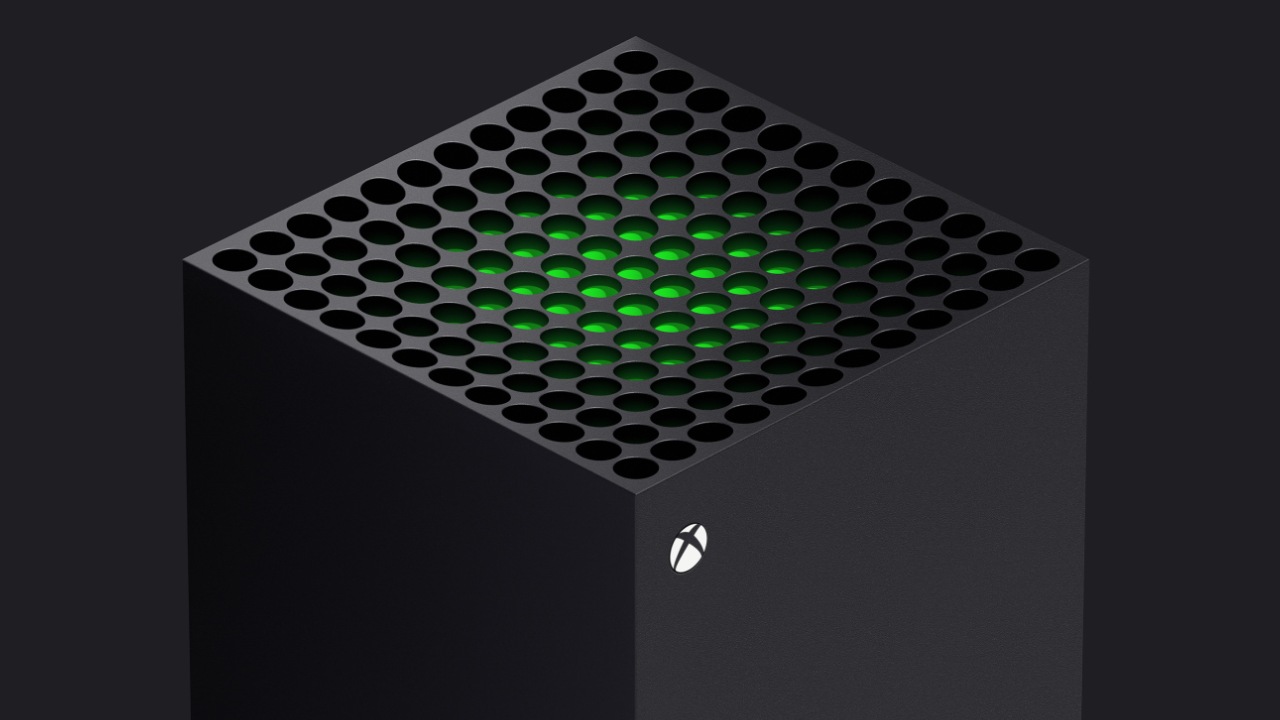
This approach, which combines the flexibility and power of modern PC hardware with the design of traditional consoles, shows a change in Microsoft's long-term hardware plan.
Developers and hardware experts have shared leaks that suggest the chip is already getting close to being ready for mass production. Sources say that TSMC's advanced fabrication method will be used to make the processor. The goal is to get the platform ready for a launch window around 2027. AMD's leaders have also hinted that the company's hardware roadmap fits with that time frame. This adds to rumors that the next version of Xbox games is already well underway. way.
If it's true, the Magnus architecture is one of the most powerful console ideas that has ever been tried. Microsoft doesn't seem to be content with small changes; instead, they seem to want a huge step forward in performance, graphics, and system flexibility. A complex system-on-chip made with a cutting-edge manufacturing method is at the heart of Project Magnus. It is said that the design uses a dual-chiplet architecture, which puts a central working unit and a huge graphics engine on the same chip.
According to early specifications, the processor will likely have a number of next-generation Zen-based CPU cores as well as a neural processing unit that will help with AI jobs. This set of hardware should be able to do a lot of different things, from physics calculations and character simulations to complex AI systems and operating system jobs.
Additionally, the CPU design is said to have more cores and threads than the current Xbox Series X. That jump could make multitasking, simulations with more complicated rules, and real-time game calculations a lot better. Also, developers would have more freedom to make complex game systems without having to worry about CPUs that are too busy.
It is said that the graphics processor will be based on AMD's next major GPU design, which will give it a big boost in rendering power.
According to early sources, the GPU will have dozens of compute units and many shader engines. This will let developers improve the quality of the graphics even more. With that much visual power, game worlds could have more details than ever. Developers might be able to make environments with more details, lighting models that are more advanced, and on-screen complexity that is much higher than what current systems can handle.
Memory is said to be another big improvement for the Magnus platform. Reports say the machine might have a shared memory pool with about 48 GB of fast GDDR7 RAM. That much memory would be a huge improvement over modern consoles, which use much smaller amounts. With more memory, developers would be able to load wider environments, textures with higher resolutions, and data sets with more complex structures straight into memory.
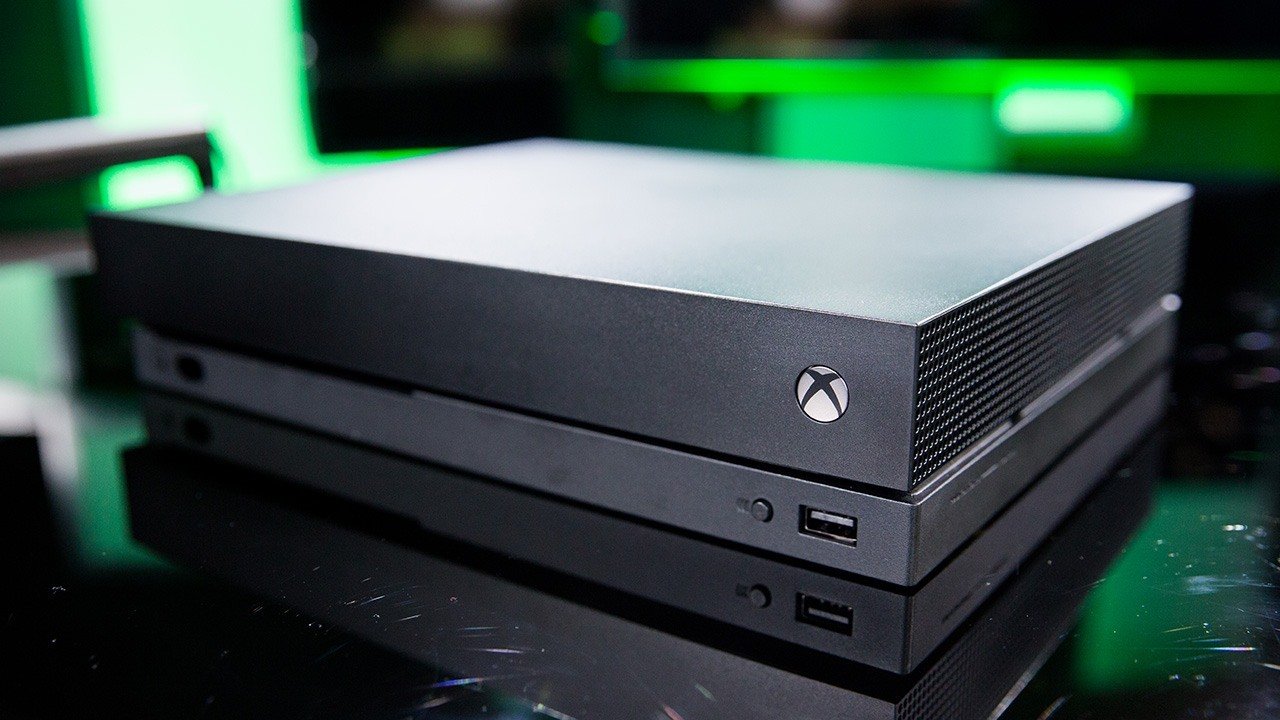
More memory could lead to huge, unified worlds with fewer loading screens and faster movement. The better memory bandwidth and capacity would also help with complex geometry and large-scale settings. If the Magnus system had a wide memory bus, it might work more like a high-end PC game system than a regular console. This much power would probably make the system pricey, but it would also help make sure that it can run the newest games for years to come.
For the next generation of Xbox devices, Microsoft is apparently putting a lot of money into advanced rendering technologies in addition to improving the hardware itself.
AutoSR is the internal name of a machine-learning-based upscaling solution that is one of these technologies. By using AI to constantly reconstruct images, the software should be able to improve resolution and frame rates. Developers could use the extra processing power for things like ray tracing, more complicated scenes, or higher frame rates if they cut down on the work needed to render frames at native resolution.
It is thought that AutoSR will build on AMD's current FidelityFX Super Resolution technology while adding improvements made just for Xbox hardware. A specialized rendering framework that helps real-time lighting calculations is another part that has been talked about. With this technique, ray tracing and path tracing effects could get better without slowing down the frame rate.rate. In the past, lighting was one of the hardest parts of real-time image design. By improving how lighting data is predicted and displayed, developers might be able to make scenes look a lot more real without slowing down the system too much.
Microsoft is also said to be redesigning the Xbox user experience from the ground up, along with making new hardware. The next-generation dashboard should have some features of current PC game platforms and some features that make console interfaces easier to use. With the new method, players might be able to see and start both console and PC games from a single library.
Access to more than one PC shop is one of the biggest changes that could happen. Reports say that the next Xbox device might be able to play games bought on stores like Steam, Epic Games Store, and others, in addition to the Xbox environment. If this were to be put into action, it would greatly increase the number of games that could be played on the app. The library for the Xbox system alone has thousands of games, including hundreds of games that work with older consoles.
It is also said that Microsoft is looking into neural graphics technology, which could make older games better in real time.
The system could improve resolution and lighting in old games without having to do formal remasters by guessing frames and rebuilding visual elements. Apple and other companies are moving toward digital marketing, but Microsoft may still support physical game discs. However, leaks say that the company might choose to use modules instead of a built-in disc drive.
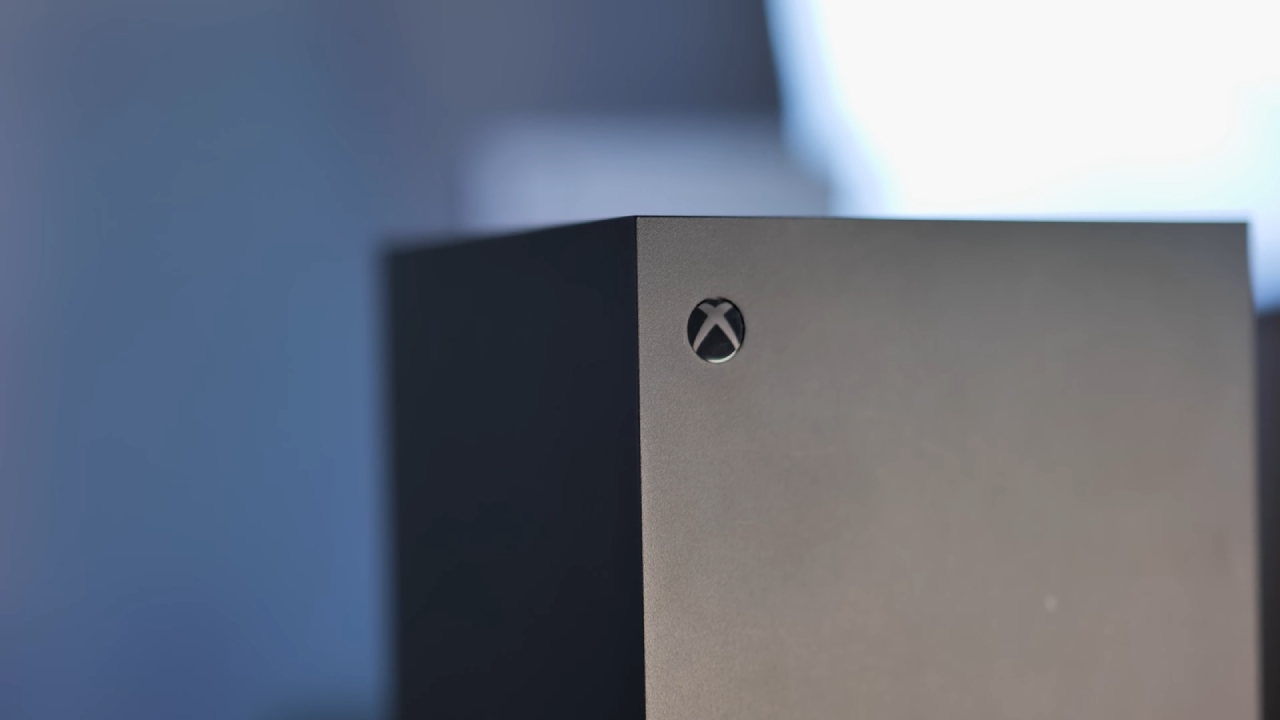
In this idea, players who like real media could buy an add-on that has an external disc drive. With this plan, Microsoft could please collectors without making everyone buy gear they might never use. A big update is also likely to come to the next-generation device. It is said that a new design has better vibration systems, advanced haptic feedback, and better wireless connection. The goal is to make the controller easy to connect to more than one device and give better tactile feedback during gameplay.
On the other hand, the Magnus platform may make it even harder to tell the difference between a game and a PC. Reports say the system might be able to run a customized version of Windows, which would let users switch between a normal game interface and a desktop mode like on a PC. If that feature comes true, the device could let you use work apps, browse the web, and do other PC-like tasks right from your TV or monitor.
A dedicated Xbox handheld device is another surprising part of Microsoft's plan.
The company has already tried portable games through partnerships with hardware makers, and sources close to the company say that work is still being done on a first-party handheld system. It's possible that this portable console will have the same architecture as the Magnus platform, which means that it will work with the same games. It's possible that players could access their whole Xbox ecosystem on a portable device, similar to how handheld PC game systems work now.
However, this kind of hardware would probably cost more because it has more features and is meant to work better. Reports say that the Magnus system has a lot of high-tech features, so experts think it will cost a lot. There are reports in the business world that the next Xbox could cost between $1,000 and $1,500, which would make it more like a high-end PC than a typical console. Microsoft may also want to make money straight from hardware sales, unlike previous generations.
If everything goes as planned, Microsoft could show off the system at the 25th anniversary party for Xbox in 2026. There could be a full launch in late 2027, which could happen at the same time as the start of the next version of consoles. Of course, hardware alone won't decide how well the platform does.
Reports say that Microsoft's gaming business is working on dozens of projects at the moment, but the company is still under a lot of pressure to make big-name games that people all over the world want to play. Major releases, especially highly anticipated games like the next Elder Scrolls game, could be very important in getting people to switch to the new platform. A lot of the Magnus project is still not public yet, and things could change. But if even some of these rumors are true, Microsoft's next Xbox could be one of the most ambitious game systems ever made, combining the ease of use of a console with the power of a PC in a single device.
Contributor, NoobFeed
Related News
No Data.