
Burning Sword: Death Sun Review
PC
Early Access
Aggressive sword combat, spectacular fire abilities, and acrobatic movement deliver a martial-arts adventure that puts action first.
Reviewed by Tahmid Mahi on Nov 19, 2026
Burning Sword: Death Sun is an interesting project because it draws on classic Chinese wuxia cinema and brings that action style into a modern hack-and-slash experience. Its focus on fast swordplay, acrobatic movement, and dramatic encounters gives it a distinct identity compared to more traditional Soulslike and action games.
Developed by Nomadic Games, a Bangkok-based indie studio, Burning Sword: Death Sun draws heavily from martial arts films such as Crouching Tiger, Hidden Dragon and House of Flying Daggers. If you have watched these movies, you will probably recognize the kind of experience the developers are trying to recreate.
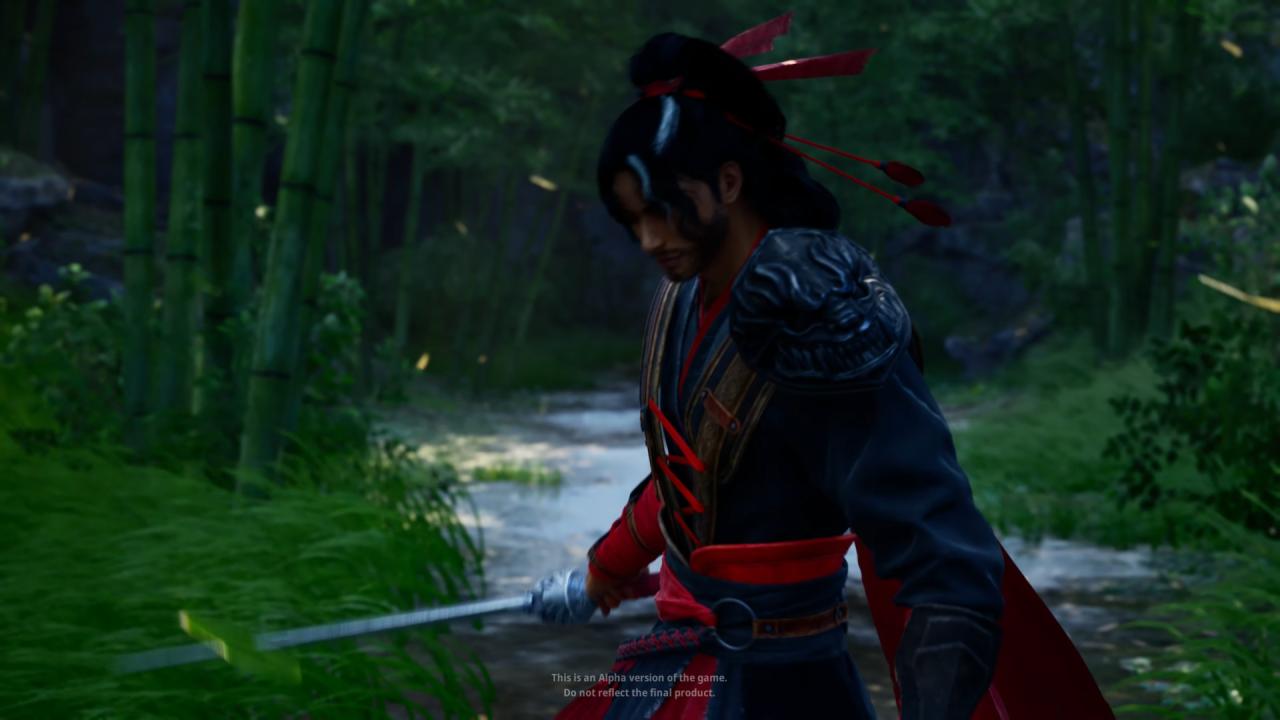
Rather than building its experience around a traditional Soulslike formula, Burning Sword: Death Sun emphasizes speed, aggression, and flashy combat. You are encouraged to chain attacks, set your sword on fire, parry incoming blows, and use special abilities to overpower your opponents. But that doesn't mean you can run in every encounter and start button mashing. More powerful enemies and bosses require a lot more attention, as their attacks can knock a good chunk of your health down.
Burning Sword: Death Sun also draws inspiration from several well-known action franchises, blending elements from Ninja Gaiden, Sekiro: Shadows Die Twice, and other martial arts adventures. The combat is much faster than you'd expect from a traditional Soulslike, and its movement mechanics give you plenty of ways to approach encounters from different angles.
The foundation is interesting, but the devs are clearly working with a smaller budget than major productions like Phantom Blade Zero. Burning Sword: Death Sun doesn't need to reinvent the genre to stand out, but it does need to make its existing mechanics work together consistently. The story takes place in 12th-century12th-century China's Southern Song dynasty, a time of political upheaval, oppression, and constant fighting between powerful martial arts factions.
You play as Zhang Yixian, the leader of the Crimson Dust Demon Sect, who was stripped of his position and almost killed by the Northern Mountain Elder. Galiani is presented as one of the most dangerous fighters in the martial arts world, with his deadliest weapon being a poison known as Death Sun. His role in Zhang Yixian's downfall gives our protagonist reason to chase him, but the story also involves the deaths of his family and the divine doctor.
The story also includes a few martial arts sects fighting for power and control of the kingdom.
These factions exist in a world where might is right, and powerful masters eliminate anyone who challenges their place. You meet characters connected to the protagonist's past, learn more about what led to his downfall, and slowly uncover the conflicts surrounding the martial arts world.
The storytelling is fairly straightforward, relying on dramatic confrontations, character interactions, and environmental details, rather than complex political systems or branching dialogue. It doesn't attempt to offer the kind of richly developed narrative you'd get from a long-form role-playing game. Still, it provides enough context to support the revenge-driven adventure.
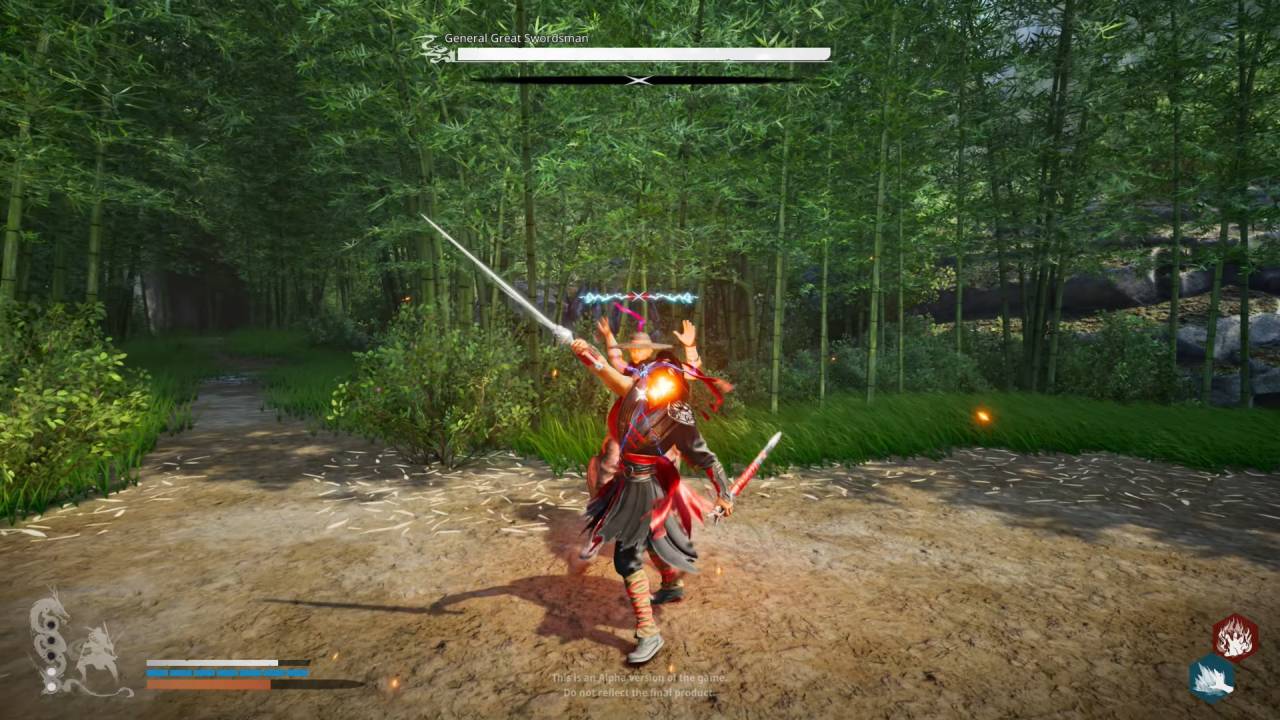
One thing worth understanding before jumping into Burning Sword: Death Sun is that it wants you to spend most of your time fighting. You move through a series of environments, encounter groups of soldiers and martial arts fighters, and occasionally reach a more important character who stands between you and your next objective.
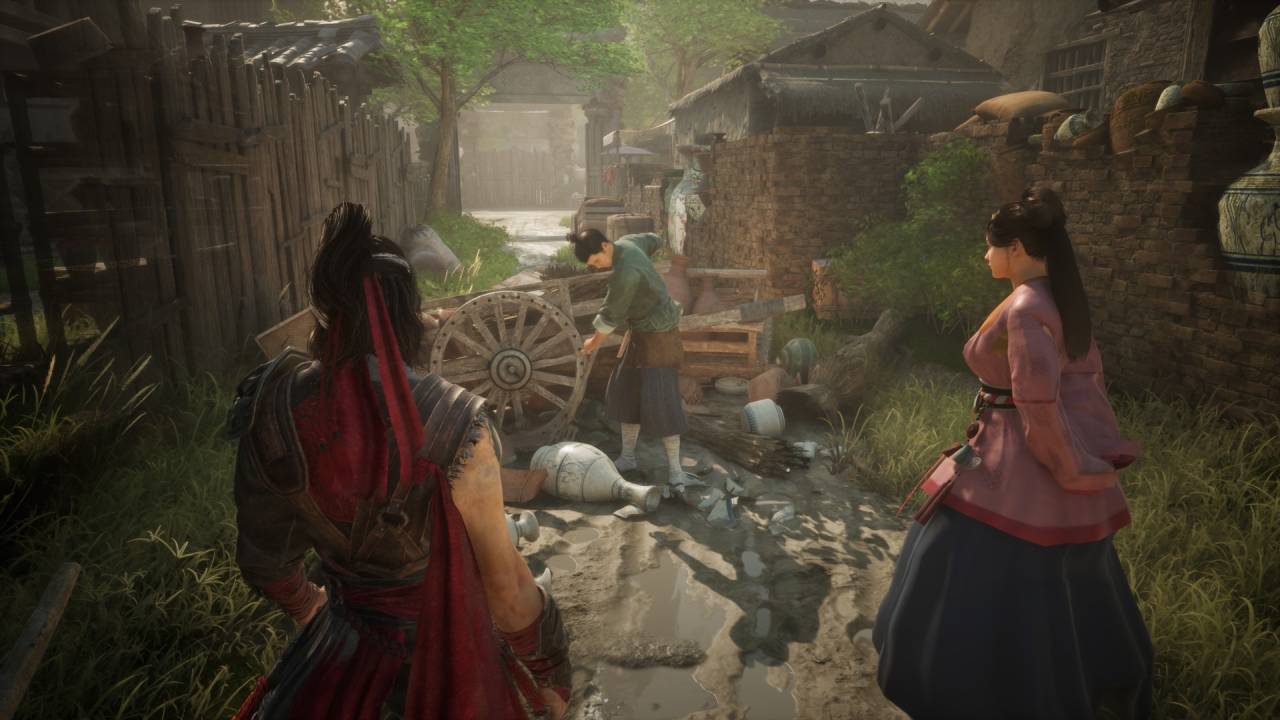
The structure is fairly linear, so don't expect enormous open areas filled with optional activities. If you are used to spending half an hour exploring every corner of a Soulslike map in search of hidden equipment, the straightforward level design might take some getting used to. That said, the developers have included some secrets and additional content to encourage exploration.
You can look around the environments for upgrades and other unlockable items, although invisible boundaries occasionally make it clear that you are expected to follow a particular route. The main attraction is moving from one encounter to another while learning how to use your growing collection of abilities. The story also provides breaks between major fights, giving you opportunities to understand the characters and the circumstances surrounding your next confrontation.
The movement system is one of the first things that makes Burning Sword: Death Sun feel different from a conventional sword-fighting game.
Zhang Yixian is far more agile than many action-game protagonists, and you can use his abilities to move across environments without relying entirely on ordinary jumping and running. One of the most useful mechanics allows you to run along walls by holding the appropriate button. You can jump from surface to surface, cover large distances, and soar through the air before crashing down on enemies below.
Together, these abilities create more dynamic traversal, especially in areas with multiple levels and raised platforms. Another key movement ability that enables these acrobatic moves is King Gong. You don't have to start every encounter from scratch, and being able to walk on walls and fly through the air can open up the potential for surprise attacks on your enemies.
It also fits the wuxia inspiration particularly well, as the protagonist's movements resemble the exaggerated martial arts techniques commonly seen in Chinese action cinema. Combat, however, will take up most of your attention. Burning Sword: Death Sun uses a fast-paced system that lets you string different attacks into short combos.
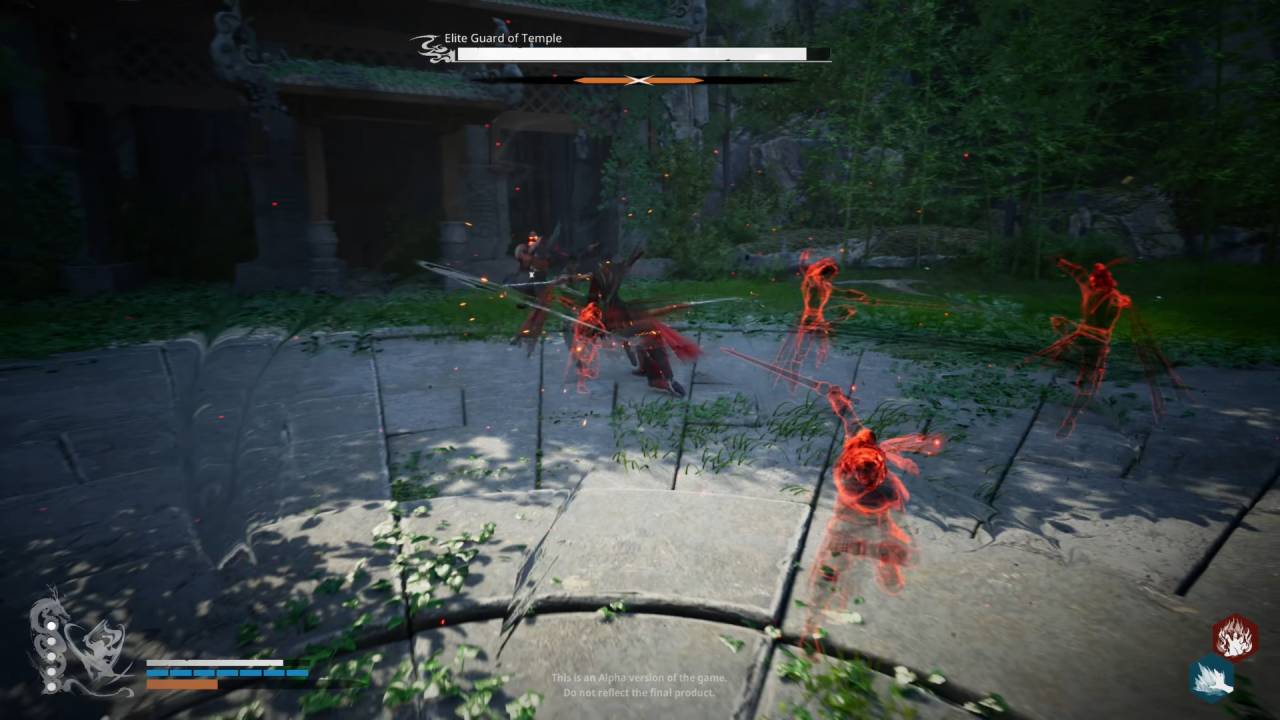
Against ordinary enemies, you can press a couple of buttons to unleash a series of sword strikes and activate your burning blade. Once your sword catches fire, your attacks become considerably more powerful, letting you tear through groups of soldiers without spending too much time on individual opponents. The animations also help convey the effect of these attacks, making even relatively simple encounters feel entertaining.
You can mess around with different attacks and abilities instead of using the same combo the whole game.
Quick Shot lets you shoot at range, and you can switch between 3 ammo types during combat. This gives you another option when enemies are positioned away or when you want to break a foe without being in their face. You also have access to Chi-consuming techniques that let you unleash additional attacks and special abilities. But managing this resource matters, because if you run out of Chi, your abilities can start draining your health instead.
The burning sword mechanic is arguably the centerpiece of the whole combat system. You charge its power before triggering it, making your blade burst into flames and deal increased damage with every hit. It's particularly satisfying to trigger it in a group encounter and start chaining attacks.
The mechanic gives you a concrete combat objective to work toward during encounters, rather than just increasing your damage numbers. You want to build enough power, find the right opportunity, and make the most of the increased damage before returning to your regular attacks.
Several additional techniques also give you more control over how encounters unfold. Chi Drain is a forbidden ability that lets you steal health and Chi from enemies, making it especially useful when you are struggling to survive. Rebound lets you launch objects into the air and fling them at opponents, potentially breaking their guards. These powers can supplement your sword attacks, or you can use them as alternatives when an enemy is proving difficult to deal with.
But the game doesn't let you lean on aggressive attacks forever.
While you can occasionally beat ordinary enemies with pretty basic combos, tougher opponents require a much better understanding of the defensive mechanics. You have access to parries, deflections, and dodges, all of which become increasingly important when facing enemies that can deal significant damage.
The defensive system becomes particularly important during boss battles. You can't just keep on attacking and expect to beat every major opponent with pure aggression. You need to watch their moves, identify incoming attacks, and choose whether to parry or dodge. Some attacks can be avoided with careful deflections, while others will require you to get out of the way entirely. Once you start to see these patterns, encounters become much easier to manage.
There's a certain satisfaction in finally understanding a boss attack sequence and reacting correctly, instead of taking unnecessary damage all the time. The fight against the Silent Mask demonstrates this particularly well. The boss is intimidating at first because you can not do the same thing against the regular soldiers. You have to watch his attacks, see which ones you can parry, and look for opportunities to deal damage without immediately opening yourself up to another attack.
You have to consider how much health you have left, how many enemies are around you, and whether it's worth risking an execution attempt. These decisions matter more in encounters with multiple opponents, where getting caught in an attack animation can leave you vulnerable to someone outside your immediate field of view.
Unfortunately, the camera is one of the biggest problems with Burning Sword: Death Sun.
The lock-on system can struggle to keep up with enemies, which can be pretty frustrating in fights against multiple opponents. You can be focused on one enemy when another approaches from behind, leaving little time to respond. This is especially frustrating when you are locked into an attack animation and can't easily change direction.
The camera problems aren't something you only suffer in your first few encounters. They can persist longer, making it harder to avoid an enemy or get into the right position. Even if you know the combat mechanics, poor camera behavior can still get in the way of using them well. That's particularly unfortunate, as Burning Sword: Death Sun relies so heavily on timing and precise defensive actions.
You should be punished for failing to recognize an attack, not because the camera decided that an important enemy no longer deserved to remain on screen. The controls can also take some getting used to, particularly if you have spent considerable time playing other action games.
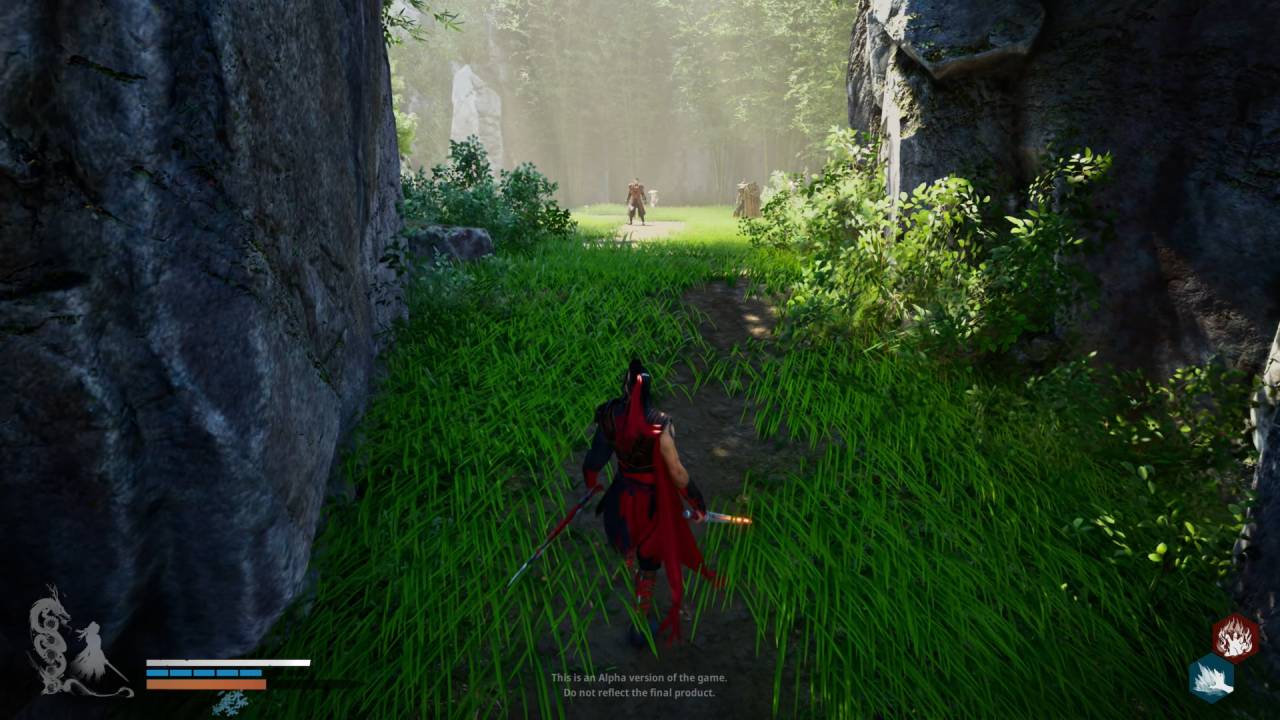
You can remap the controls in the settings, but it can be frustrating at first. If you dodge when you intended to attack, or take the wrong action in a crowded encounter, the flow of combat can quickly get off the rails. Things do get better once you get used to the layout, but the default configuration could definitely be more intuitive.
Progression is handled through a skill tree that lets you develop ZhanYixian's martial arts techniques.
It gives you something to look forward to besides "let's just beat the next set of enemies." Once you're comfortable with the basic mechanics, the additional techniques let you experiment with different combinations and develop a fighting style that works for you. It also gets you to learn how the game's abilities work together instead of treating every upgrade as a stand-alone improvement.
You can combine offensive techniques with defensive options, use Chi Drain to recover resources, and rely on your movement abilities to create better opportunities during encounters. The developers have also indicated that they intend to further refine the balance between unlockable abilities and different combat styles.
The available material offers no detailed explanation of a conventional XP-grinding system, so the emphasis is on unlocking martial arts techniques and improving your combat options rather than repeatedly farming enemies for experience points. Beyond the main campaign, Burning Sword: Death Sun offers additional activities for players who want more opportunities to test their abilities. The available content includes five handcrafted levels, five main bosses, and two secret bosses that you have to discover yourself.
The general presentation is another area in which the game shows its ambition and its flaws.
You can see the developers are trying to recreate the visual language of classic wuxia cinema, and the swordplay, fire effects, and acrobatic movement do a lot to establish that identity. Zhang Yixian's ability to weave through enemies and unleash a flurry of flaming sword attacks can be fun to watch—especially when the animation flows seamlessly.
But keep your expectations realistic when comparing Burning Sword: Death Sun with bigger productions. Burning Sword: Death Sun doesn't quite have the visual polish or the budget of something like Phantom Blade Zero. Some environments and character designs can feel less polished, and the cinematics sometimes have technical issues.
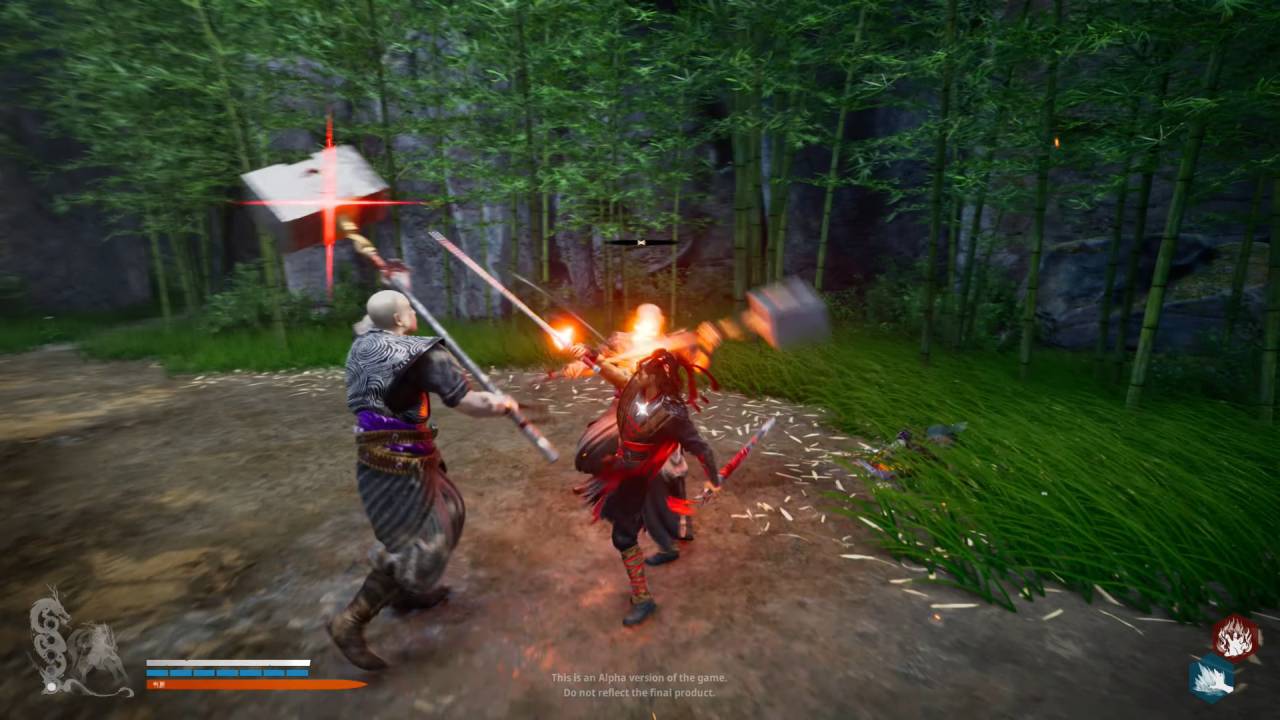
The sound design could be better, too. Sword attacks, fire abilities, and combat effects all add to the fast-paced action, but the English voice acting can be fairly generic. It can get tiresome to hear soldiers repeatedly shouting the same warnings like Watch out!" across multiple encounters. Finally, some of these repeated voice lines fade into the background instead of adding much personality to the fights.
The way the dialogue is delivered also doesn't always match the dramatic atmosphere the developers are trying to create in the story and character interactions. In the end, Burning Sword: Death Sun is an action game that knows its strengths. Its combat system offers plenty of opportunities to experiment with different attacks, defensive measures, and special abilities.
The movement mechanics make traversing environments more engaging. The burning sword is a particularly good central mechanic, letting you increase your damage and turn the momentum of a fight in your favor in a satisfying way. Players searching for a big action RPG with lots of exploration and a strong story may be disappointed by the linear nature and somewhat simplistic plot.
Another adjustment is the jump in difficulty between common enemies and bosses, where regular foes feel much less threatening than the major encounters. Burning Sword: Death Sun offers incentives to keep upgrading your skills through progression and other activities, and the arena mode is a welcome addition for anyone who likes honing their combat abilities. Still, developers need to make sure these systems feel balanced with the core campaign.
Editor, NoobFeed
Verdict
Burning Sword: Death Sun is a fun wuxia swordplay experience with exciting movement and challenging bosses, but camera issues and technical rough edges keep its promising combat from reaching its full potential.
70
Related News
No Data.