
Phantom Blade Zero Review
PlayStation 5 Pro
A fast-paced martial arts adventure with thrilling combat and a world full of secrets.
Reviewed by Mahi Araf on Oct 31, 2026
Phantom Blade Zero is one of those games that immediately catches your attention through its presentation. Like Control Resonant and Gears of War: E-Day, it stands out as a graphical showcase, but it offers much more than impressive visuals. Developed by S-Game, Phantom Blade Zero combines martial arts action with supernatural horror, interconnected environments, and a combat system built around speed, timing, and weapon variety. It draws from several familiar action games without feeling like it is simply trying to imitate them.
S-Game has an interesting history behind this project. The studio's roots go back to Rainblood: Town of Death, an earlier game that helped establish the foundations of the Phantom Blade universe. Over time, that original concept developed into something much more ambitious.
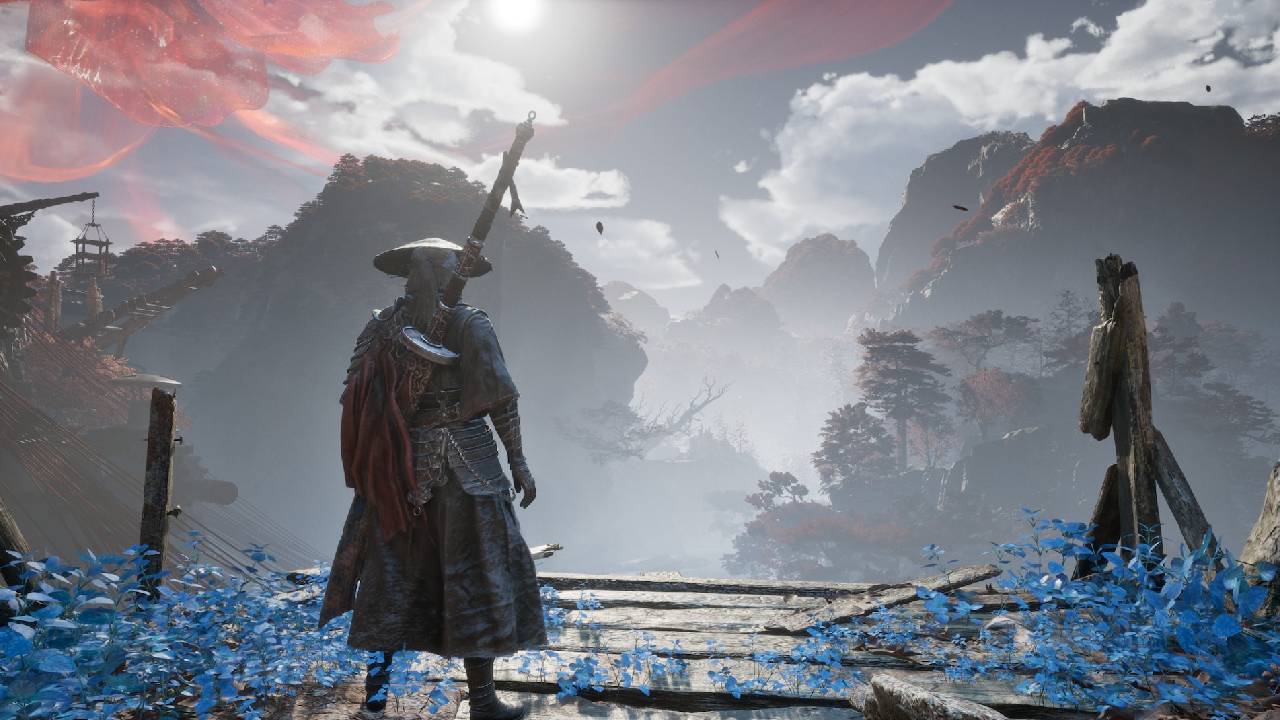
The developers describe the game's style as "kung fu punk", which gives you a reasonable idea of what to expect.
Traditional Chinese martial arts and Wuxia influences sit alongside supernatural creatures, unusual technology, historical references, and horror-inspired environments. Rather than presenting a straightforward historical setting, Phantom Blade Zero creates a world where different periods, ideas, and visual styles coexist.
That mix is one of the game's defining features. You can travel through natural environments, settlements, abandoned buildings, and places with supernatural dangers, all while encountering designs inspired by Chinese history and mythology.
The result is a setting that feels distinct from the fantasy worlds you usually explore in action games. S-Game has also placed considerable emphasis on making the combat look convincing. Motion capture plays an important role in the animation work, with martial arts performers helping bring the fights to life. Donnie Yen, known for his martial arts performances and his role as Caine in the John Wick series, further reflects the studio's interest in making the action feel grounded in real martial arts movement.
You play as Soul, an assassin belonging to an organization known as the Order. His life takes a sudden turn when he is framed for murdering the organization's patriarch. He's badly injured from the incident, and he gets some treatment, but it's not a perfect cure. It doesn't bring him back fully, but it gives him 66 days left to live.
This countdown becomes the story's backbone, giving Soul limited time to uncover the truth behind the murder, investigate the conspiracy surrounding him, and find a way to survive.
The premise gives the narrative an immediate sense of urgency, even if the game doesn't always use it well. You follow a character with a clear reason to keep moving, but the story slowly introduces more mysteries, characters, factions, and supernatural elements.
The Flesh Sculptor, whose connection to Soul's state deepens the mystery, and the different groups and people who shape events throughout the Phantom World. It also explores betrayal, memory, humanity, and transcendence, as the search for answers slowly becomes more than just finding out who framed Soul.
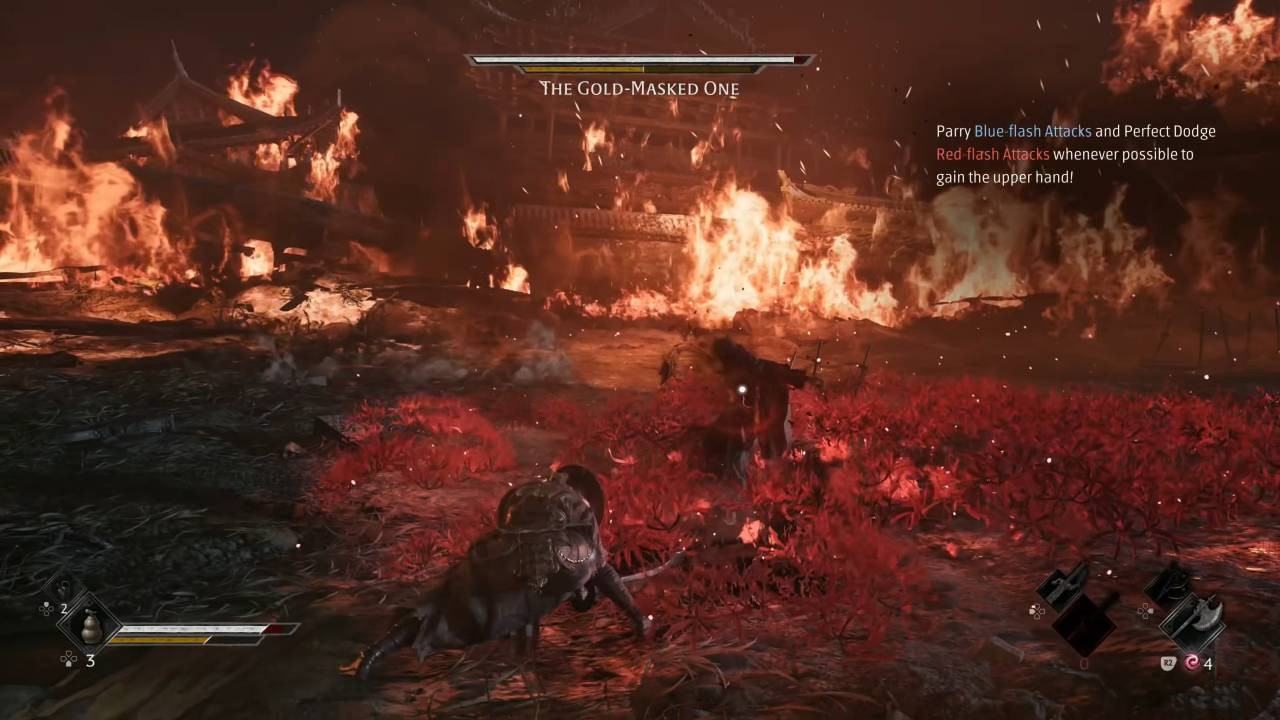
The problem is that Phantom Blade Zero doesn't always tell its story well. Key information is scattered throughout dialogue, optional exploration, documents, and collectibles. You might get the short-term goal but struggle to make sense of the larger events.
The Memory Flowers are particularly important because they add context to the world and its characters while also tying into gameplay rewards. However, relying on collectibles to explain major narrative details means that players who focus primarily on the main objectives might miss information that would make the story easier to follow.
The story gets interesting at times, especially when the game starts tying Soul's situation into the larger supernatural conflict. The constant influx of new terminology and mysteries, though, can make it hard to keep track. Its Wuxia influences give the story a distinct identity, but the writing doesn't always provide enough clarity for every development to land.
You can appreciate the ideas behind the narrative without needing to understand every detail on the first playthrough.
The Phantom World itself does a lot of the work to make the journey enjoyable. Instead of giving you a collection of completely disconnected levels, Phantom Blade Zero uses interconnected regions that gradually open up as you explore.
You travel through valleys, villages, settlements, warehouses, and other locations, each with its own atmosphere and threats. Some areas are more traditional Chinese scenery, while others introduce unsettling supernatural elements. Maybe you walk through a quiet settlement before entering a warehouse full of creepy, puppet-like figures, or cross a dangerous valley inhabited by bandits.
The world also rewards curiosity. You can stay on the main path, but if you take the time to explore the side paths, you'll find extra resources, collectibles, hidden encounters, and helpful equipment. Some areas have shortcuts that make getting back to places you've been before much faster, and others offer discoveries that unlock optional bosses or more challenges. They're not simply there to connect one fight to the next.
They often contain useful items and details that encourage you to look beyond the obvious path.
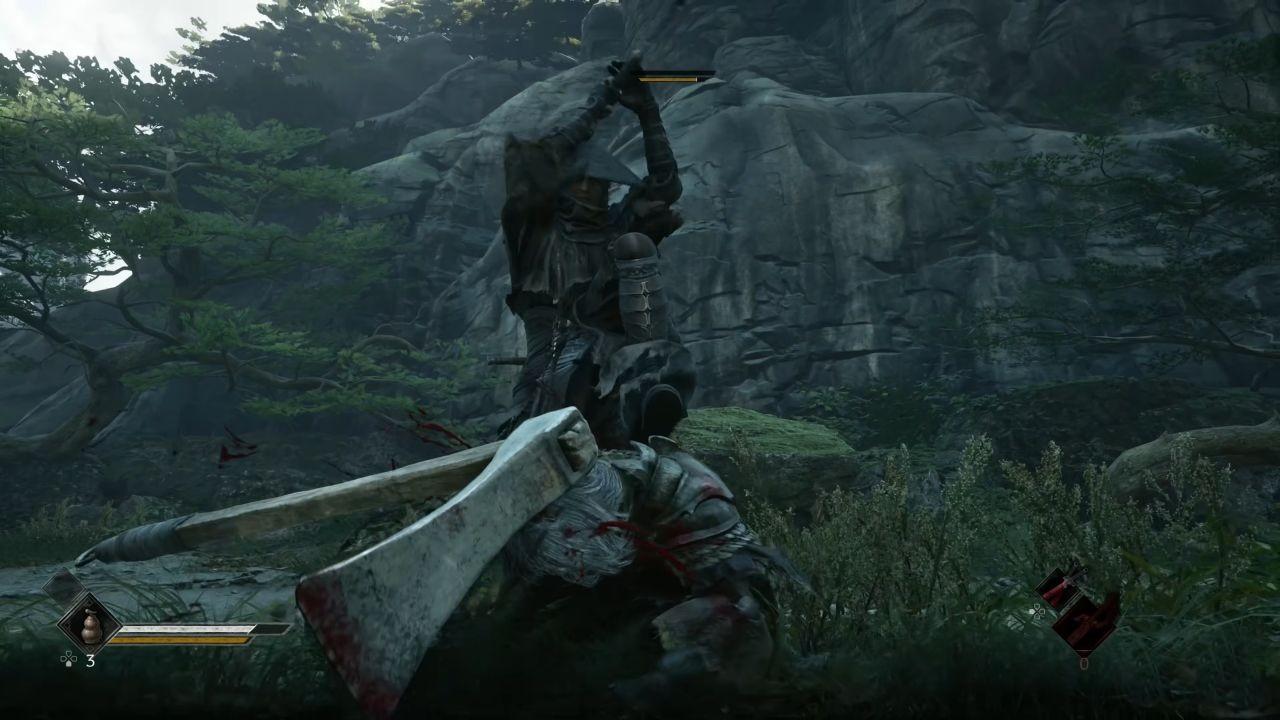
You also need to pay attention to how different regions connect. Backtracking is part of the experience, especially when you find a route or ability that lets you access previously inaccessible areas. Sanctuary Bells are important waypoints in this exploration structure, guiding your journey through the world and back to familiar places. But the interconnected design can make the progression sometimes less straightforward than it should be. If you miss a path or don't recognize where a newly available route leads, you may spend some time figuring out where to go next.
Exploration also ties into the game's Phantom Realm and its various supernatural mechanics. Some abilities and Phantom Edges are not only useful in combat, but can also help you get to places you couldn't otherwise reach. This gives some of your gear a purpose beyond dealing damage. Finding new routes and returning to earlier locations can be rewarding, especially when you discover an area you previously explored still has something left to offer.
Combat is where Phantom Blade Zero makes its strongest impression.
If you are expecting a traditional Soulslike experience, S-Game has been clear that this isn't what it is trying to make. It borrows ideas from challenging action games, but its approach focuses more on fast, expressive martial arts combat. You're meant to learn enemy patterns, react to incoming attacks, and use the right ability at the right time, but the overall experience is more flexible than a typical Soulslike.
Combat mixes regular attacks, defensive moves, weapon abilities, and special resources. You can carry two main weapons and swap between them in fights, so you can switch up your strategy depending on the opponent. You can find about 30 different normal weapons, each with distinct attributes and movesets. Part of the fun is finding a weapon that fits your preferred style, and the variety gives you a reason to experiment instead of just sticking with the first thing that works.
Phantom Edges add another layer to the fighting. These special weapons and abilities can provide powerful attacks, call-up effects, and other advantages during encounters. Others have non-combat uses to help you traverse the environment and reach otherwise hard-to-access areas. But without resource management, you can't just count on them. They are limited in their availability, so you need to consider when using one will make the biggest difference.
The other key resource is Sha-Chi, sometimes shortened to Shi, which ties to the game's combat abilities.
Managing it properly helps you use your attacks and special techniques more effectively. You are not simply pressing the same attack button until an enemy falls. You need to know how your weapons work, spot opportunities to build pressure, and decide when to spend your available resources. The more you learn about the system, the more fights become less about attacking and more about an ongoing give-and-take of offense and defense.
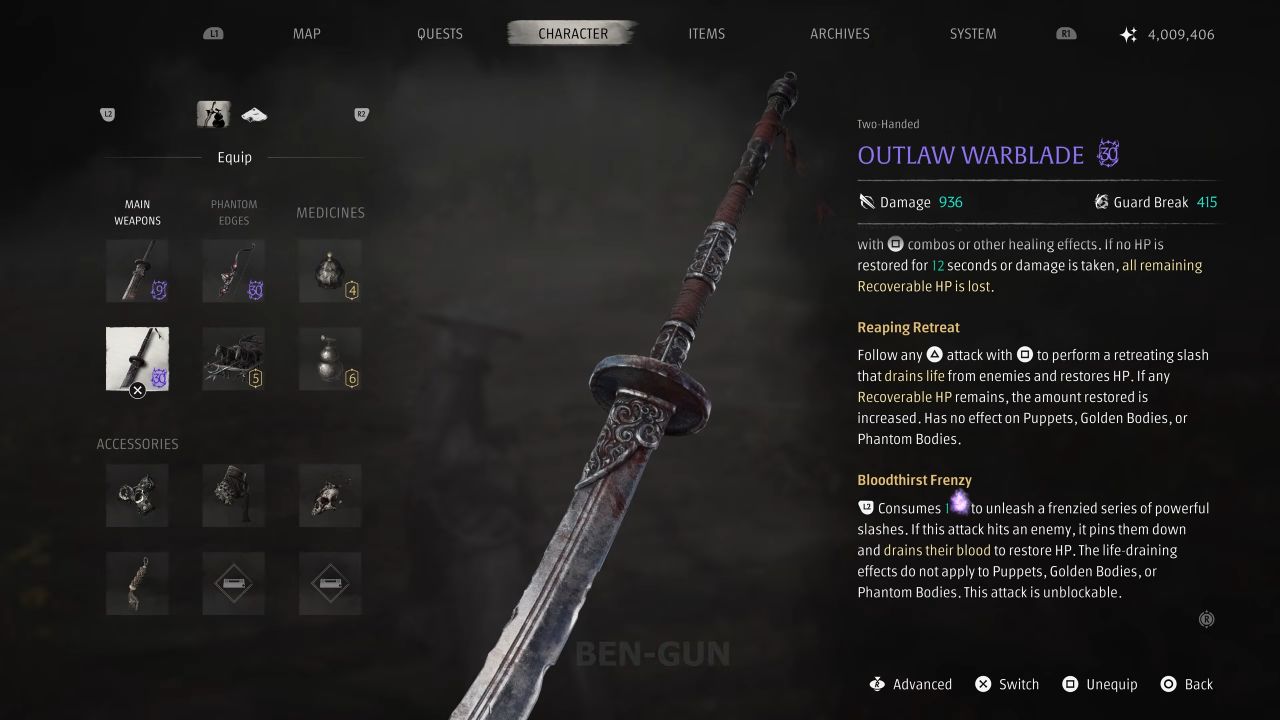
You also need to watch for visual cues for enemy attacks. Color-coded indicators show the difference between Brutal and Killer attacks, so you know what kind of threat is coming your way. You can react with the appropriate defensive action, whether it's a parry or a dodge. Timing is everything, especially against opponents who mix multiple attacks or change things up mid-fight. You can launch a counterattack after a successful defense, so combat feels rewarding when you know what an opponent is trying to do.
Motion-captured animations help sell these encounters. Sword swings, counters, dodges, and special moves have weight, and the way Soul transitions between attacks makes him feel like a trained martial artist, not just a character going through the motions. The influence of traditional Wuxia action is clear, but the game also borrows the pace and aggression you might associate with titles such as Sekiro, Nioh, and Devil May Cry. It does not follow the exact formula of any of them, instead combining elements into a combat system with its own identity.
Boss fights are another major part of the experience. Phantom Blade Zero features a large collection of multi-phase bosses, with some encounters requiring you to recognize entirely different patterns as the fight progresses. These battles test your ability to read attacks, manage resources, and use your weapons effectively. Rather than relying on a single strategy, you may need to change your approach when a boss enters a new phase.
The dynamic music also helps give these encounters a stronger sense of momentum, responding to the action as the fight develops.
One particularly welcome decision is the way some boss encounters handle checkpoints between phases. Instead of always forcing you to repeat an entire battle after a mistake, the game can let you continue from a later stage. This makes difficult encounters less frustrating without removing the need to learn their mechanics. The bosses can still be demanding, but the design generally gives you room to improve rather than making every failed attempt feel like wasted time.
That said, the game is not consistently difficult in the way you might expect from its combat presentation. Its regular difficulty is relatively accessible, and the generous use of saves and healing items means you aren't constantly punished for mistakes.
You also do not lose all your accumulated resources when you die, which makes experimentation less stressful.
Additional difficulty options let players who want a tougher experience choose modes that introduce more demanding encounters and conditions. Hell Walker, for example, uses adaptive boss behavior to make fights more challenging, while 66 Days offers a particularly unforgiving way to experience the game's central countdown.
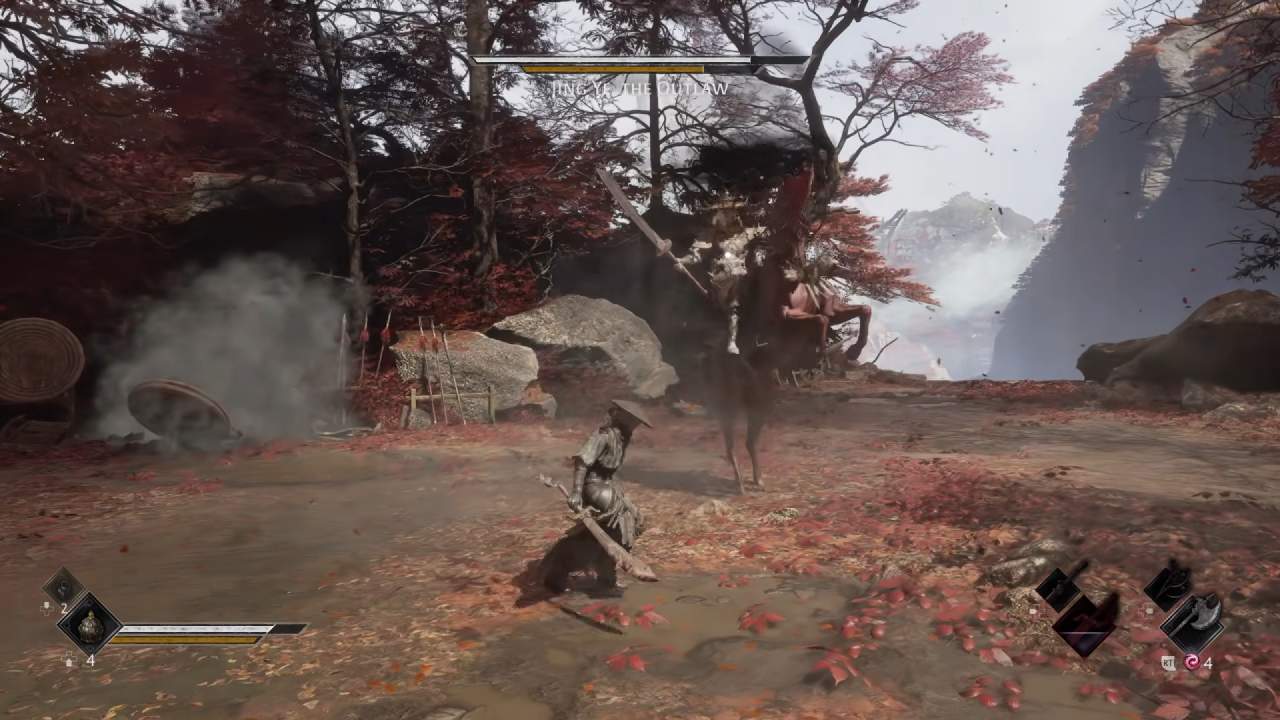
The 66-day premise also shows up in the optional hardcore mode, where death has much more serious consequences. In that mode, reaching 66 deaths can end your run. It is an interesting extension of Soul's situation, though it is clearly not how everyone will want to play.
The standard experience is much more forgiving, letting you learn combat and explore without worrying that every mistake will undo hours of progress.
Progression is handled through weapons, upgrades, skills, and accessories rather than relying entirely on traditional experience-point grinding. You gather resources and materials from across the globe to upgrade your gear and unlock more combat options.
The skill tree adds abilities and upgrades, and accessories can provide useful bonuses that shape how you approach encounters. Weapon upgrades are especially important because they let you keep equipment you like instead of constantly swapping for whatever has the higher base value.
Memory Flowers also help you progress. They link to key narrative discoveries, but can also unlock improvements to Soul's health and abilities. This gives exploring another purpose, as collecting them can help you understand the story and how good you are in combat. The system encourages you to explore optional areas, but it also means some useful upgrades are locked behind optional discoveries you might miss if you just blaze through the main path.
There are some limitations to this sort of progression structure. Currency and upgrade materials can be limited, meaning you can't always upgrade everything as fast as you want. And enemies rarely respawn, so when you return to an area, you don't necessarily get a chance to farm more resources. This is a double-edged decision. On one hand, it makes the world feel more persistent because defeated enemies generally stay defeated. On the other hand, it can make progression feel restrictive if you run short on the materials needed for an upgrade.
The lack of constant enemy respawns also works alongside the game's generous checkpoint system.
You're encouraged to explore, fight, and move forward rather than repeatedly clear the same group of enemies. But the system might feel a bit restrictive for those who like to grind for resources. Watch what you pick up and think about what weapons or abilities are worth your materials. You can't try every upgrade you can get your hands on.
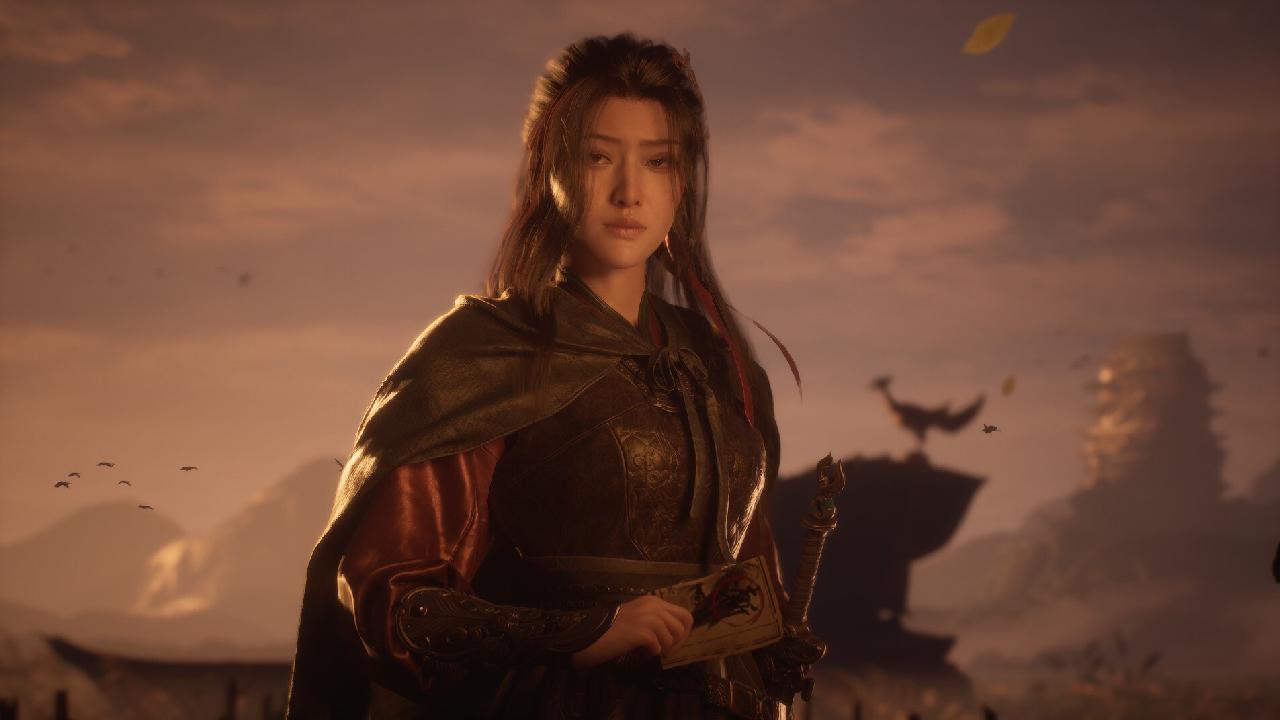
The visuals are one of Phantom Blade Zero's biggest successes. The environments have a nice sense of identity, and the mix of natural scenery, traditional architecture, and supernatural designs gives the world lots of variety. The presentation also comes down to the character models and fighting animations. Because so much of the experience centers on martial arts, movement quality matters as much as environmental detail. Soul's attacks and defenses are fluid, and the bosses are distinct enough visually to make their encounters memorable.
The game also does a good job with lighting and environmental detail.
Calm-seeming scenery can become places of unease, inhabited by strange creatures and unsettling imagery. The contrast helps blend Wuxia and horror influences without making the world visually inconsistent. The developers have clearly put a lot of work into creating a setting that doesn't look like your typical fantasy action-game setting.
However, technical performance may vary by platform. The PC version has been reported to suffer from occasional stutters, which can be particularly noticeable in a game where combat depends so much on timing. The experience on PlayStation 5 is relatively smoother, but it can still vary depending on the settings and mode you select.
The sound design complements the visual presentation, especially in combat. Sounds of Soul's movements, weapon impacts, and enemy attacks all contribute to a more physical feel in combat. The music also plays a key role, especially against a boss, with the soundtrack shifting to emphasize the different phases of a fight. The audio adds a much stronger sense of occasion to major battles than to routine fights.
The soundtrack also fits the game's unusual setting. The mix of traditional influences and modern action elements supports the kung-fu-punk direction without tying the world to one specific period. Voice performances and environmental sounds help create the atmosphere. Still, because the story relies on scattered notes and optional discoveries, the audio can't always make the narrative easier to follow.
By the time you've completed the main campaign, Phantom Blade Zero has plenty of content.
A typical playthrough should take about 30 to 35 hours, depending on how much time you spend exploring and doing optional encounters. There's plenty to discover off the main route too, including hidden bosses, extra equipment, collectibles, and different story endings. The game has multiple endings. The true ending is more difficult to get, requires more effort, and has more challenges.
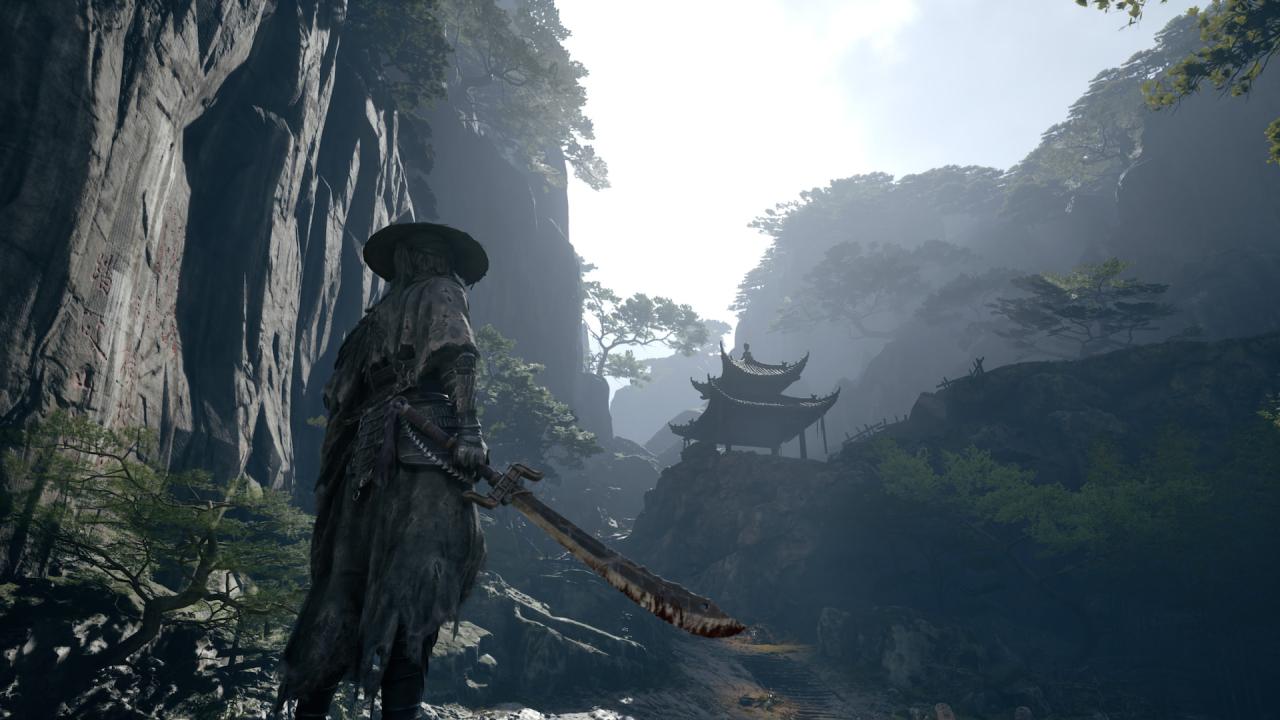
That final ending can feel abrupt, especially given how many questions the story raises along the way. But that doesn't necessarily give you the sense of closure you might expect after spending so much time on Soul's journey. The world has more than the main campaign initially reveals, and the true ending involves tougher bosses and more information. This gives dedicated players an incentive to return, but the gap between the main point and the fuller outcome can make the initial ending feel a bit unsatisfying.
Ultimately, Phantom Blade Zero shines brightest when it lets you savor its combat and explore its world on your own terms.
The story has some interesting ideas, but the telling can be unnecessarily complicated. The use of collectibles and text to convey important story details doesn't always work, and the progression system could use a bit more generosity with its resources. Some technical issues and minor bugs keep the experience from feeling entirely polished.
Those problems do not take away from what S-Game has achieved with the combat. The weapon variety, responsive defensive mechanics, special abilities, and multi-phase bosses give you plenty of reasons to keep improving. The interconnected world also rewards exploration, while the visual design gives the game an identity that separates it from other action releases. It is not a Soulslike, and it is better appreciated when you approach it as its own kind of martial arts action game.
Phantom Blade Zero may not get everything right, but it delivers a memorable combination of fast-paced fighting, supernatural world-building, and rewarding exploration. If you like action games that revolve around learning enemy patterns and trying out different weapons, there is a lot to love here. The storytelling and technical performance could have been better, but the combat is strong enough to make the journey worthwhile.
Senior Editor, NoobFeed
Verdict
Phantom Blade Zero delivers a stylish, satisfying martial arts action experience, with excellent combat and rewarding exploration. Confusing storytelling and uneven technical performance hold it back, but its strengths make it well worth playing.
94
Related News
No Data.