
Mistfall Hunter Review
PC
Bellring Games blends Soulslike combat, RPG progression, and high-stakes extraction mechanics into an experience that feels genuinely fresh, even if a few rough edges stop it from reaching its full potential.
Reviewed by Maisie Scott on Aug 01, 2026
For a genre that's exploded in popularity over the past few years, extraction games have become surprisingly predictable. Most of them ask you to grab a gun, collect valuable loot, survive against both AI and other players, then make it to an extraction point before everything you've gathered disappears with a single mistake. The formula works, but after playing enough of them, they begin to blur together.
That's exactly why Mistfall Hunter immediately catches your attention. Instead of trying to outdo its competitors with bigger maps or more realistic weapons, Bellring Games takes the core extraction loop and rebuilds it around dark fantasy, melee combat, magic, and RPG progression. The result isn't simply another extraction game wearing a fantasy skin. It feels like a genuine attempt to push the genre somewhere new.
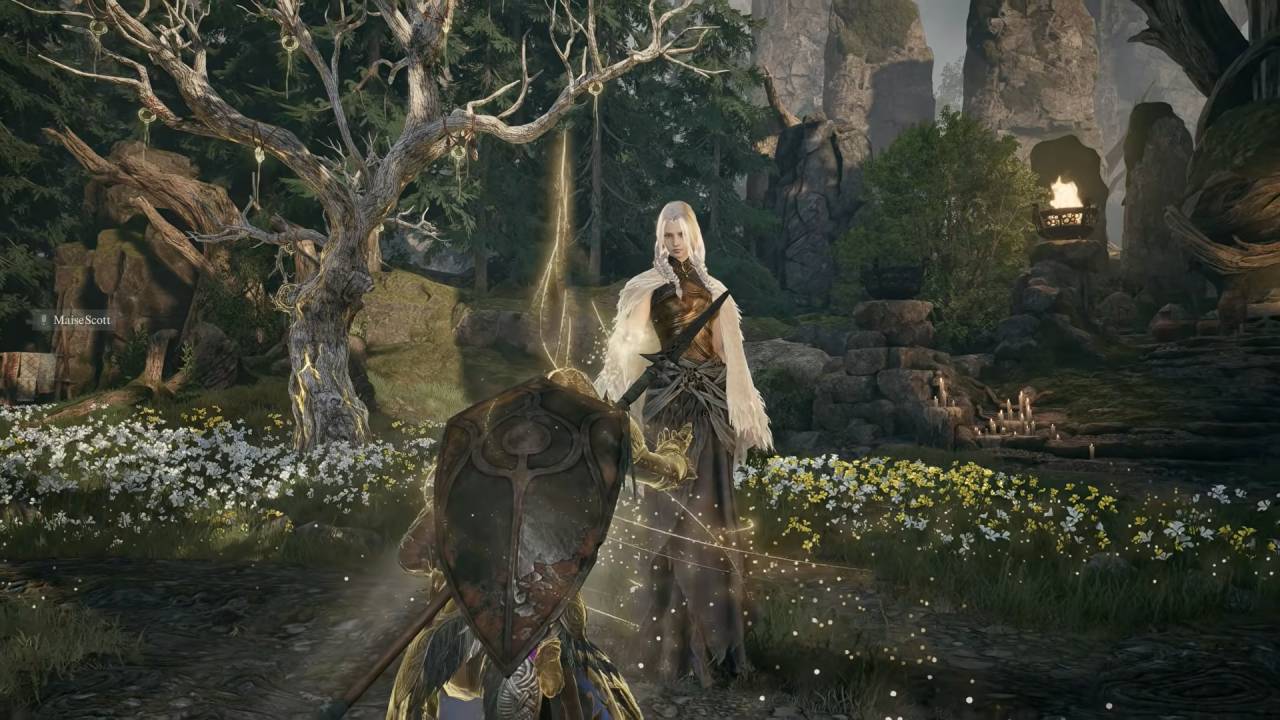
Mistfall Hunter is the debut title from Bellring Games, a studio of roughly 70 developers.
That's an interesting middle ground because the game clearly isn't backed by the kind of budget you'd expect from FromSoftware or Blizzard. Still, it's also far more ambitious than what you'd normally expect from a small indie team. Since its reveal during Xbox Partner Preview in late 2024, the developers have spent nearly two years running closed tests, multiple beta phases, and a popular Steam demo before finally launching the full game.
That lengthy testing period wasn't just marketing either. Bellring delayed the release to polish performance, introduced requested features like female class options, adjusted hardware requirements so more players could run the game, and continued gathering community feedback throughout development. Those decisions are reflected in the final product.
Even with its flaws, Mistfall Hunter feels like a game built by developers trying to create something they'll continue improving rather than rushing out the door. The setting follows that same philosophy. Instead of spending hours introducing characters through lengthy cinematics, the game lets its world do most of the storytelling.
Long before you embark on your adventure, a catastrophic war between the Supreme Gods and the Outer Gods shattered the world. The blood spilled in that war became the Gilden Mist, a supernatural golden fog that slowly corrupts all it touches. Entire civilizations have fallen, monsters roam abandoned kingdoms, and the few survivors cling to whatever hope remains.
You aren't the legendary hero destined to save everyone either. Your character is one of many fallen warriors resurrected by Due, a mysterious fragment of the Goddess of Fate, who sends Guild Hunters into the mist to recover Gilden Blood and slowly repair the fractured Web of Fate.
It's a story that deliberately leaves plenty of unanswered questions, and that works in its favor.
Instead of forcing exposition onto you, the lore is scattered throughout journals, NPC conversations, environmental details, and small discoveries made during each expedition. The Norse-inspired setting also helps sell the atmosphere.
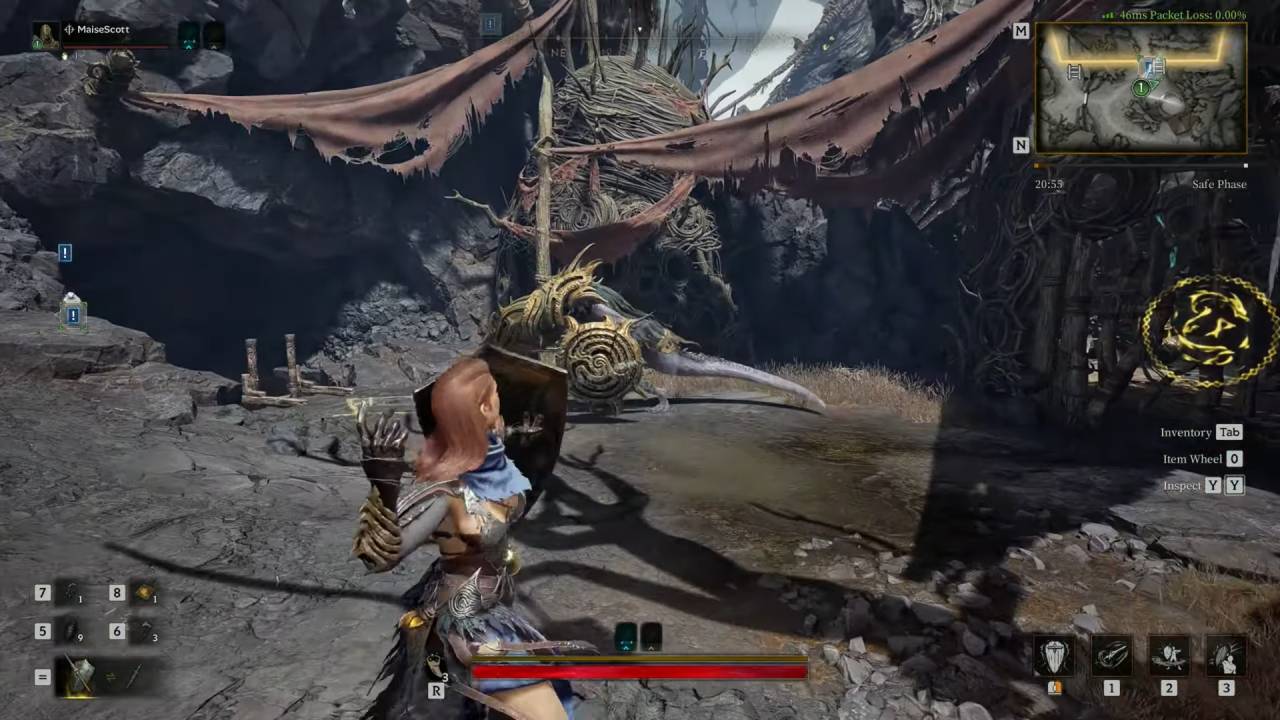
Ancient ruins disappear beneath thick golden fog, corrupted forests stretch into the distance, and every location gives the impression that you're wandering through the remains of a world that collapsed long before you arrived. You don't need constant cutscenes telling you civilization has fallen because the environment already makes that clear.
Of course, the narrative is only there to support what you'll actually spend most of your time doing, and that's heading out on expedition after expedition into dangerous territory. Every run begins inside your camp, where merchants, quests, crafting stations, and upgrades slowly become available as you continue playing. Usually, you'll head out with a specific objective in mind.
Maybe you're hunting resources to improve your camp, tracking down a particular boss, gathering materials for better gear, or simply trying to complete a handful of quests. The interesting part is how quickly those plans fall apart. The maps are packed with distractions. Hidden treasure chests tempt you into taking unnecessary risks, elite enemies guard valuable rewards, rare crafting materials appear where you least expect them.
Before long, you'll notice another player carrying equipment that looks far more valuable than anything currently sitting in your inventory. Suddenly, your carefully planned objective no longer matters because you're improvising every decision. That unpredictability becomes one of the strongest aspects of Mistfall Hunter. No two expeditions unfold the same way, and the game constantly encourages you to weigh risk against reward.
That sense of progression is what keeps you coming back.
Every successful extraction contributes toward several different systems at once instead of advancing only one objective. Resources improve your camp, experience unlocks additional talents, equipment upgrades your build, quests reward new items, and crafting materials gradually expand what you can create between expeditions.
Rather than forcing you into repetitive grinding for one specific reward, almost every successful run pushes multiple progression systems forward simultaneously. Even when an expedition doesn't go exactly as planned, it usually feels like you've accomplished something worthwhile.
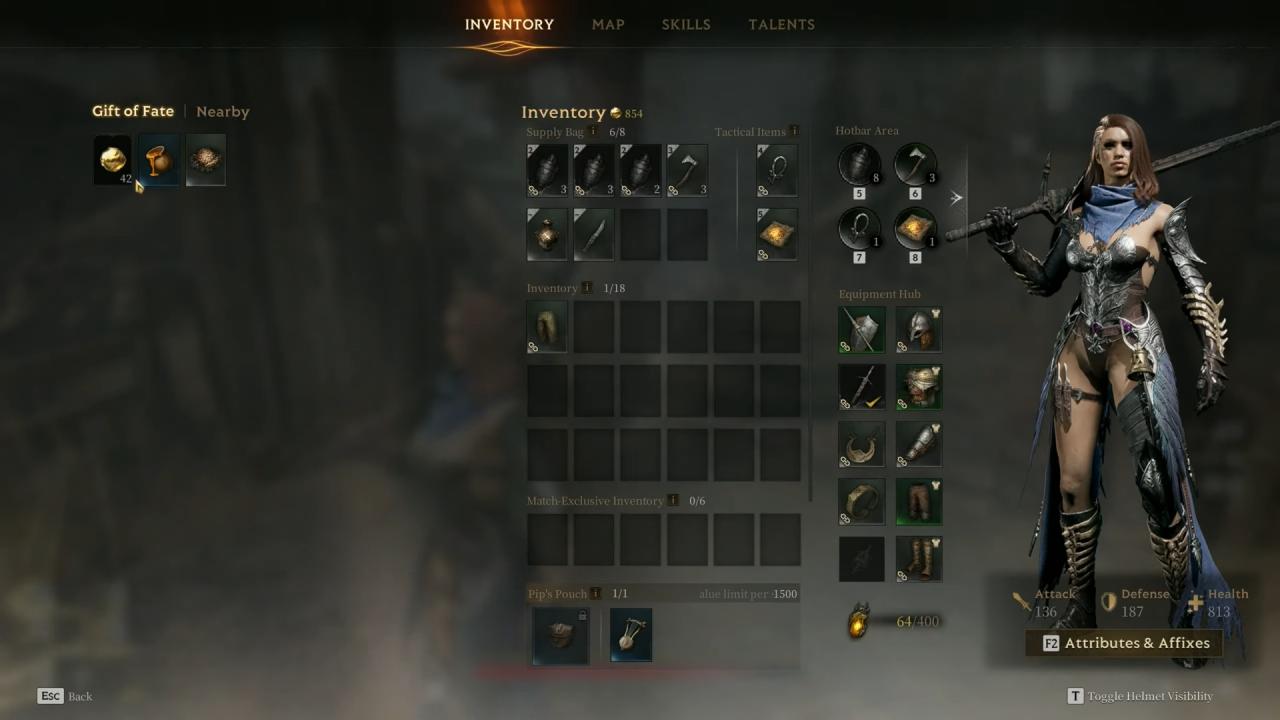
Character progression benefits enormously from the game's class system. At launch, you can choose between six different classes: Mercenary, Sorcerer, Black Arrow, Shadowstrix, Seer, and Withered Knight. Each one plays differently enough that changing classes almost feels like learning an entirely new game.
Black Arrow is all about ranged attack and battlefield control. Shadowstrix is stealth and mobility. Sorcerer is the magic master of the fight. Seer is team support with healing and utility. Mercenary is a balanced approach to the frontline, while the heavily armored Withered Knight crushes enemies through defense and relentless pressure.
Each class not only changes your weapon, but also adds new abilities, talent trees, and playstyles that encourage experimentation. The talent system is especially satisfying because it alters the way abilities work, rather than just adding damage numbers. As you unlock more talents, you start building in a way that fits your style.
One approach may be to freeze enemies before closing the distance; another to stealth, repeated repositioning, and hit-and-run tactics. There are already combinations that players consider stronger than others, but the system provides enough flexibility that experimenting with different builds remains rewarding throughout the game.
Combat is where Mistfall Hunter separates itself from the games it's constantly compared to.
The Soulslike influence is obvious, but this isn't Dark Souls dropped into an extraction shooter. Bellring removes the traditional lock-on system entirely, forcing you to think carefully about positioning, attack direction, spacing, and timing.
Every dodge changes your location, every attack commits you to an animation, and every ability influences the battlefield in some way, whether that's pushing enemies away, freezing them in place, creating opportunities for teammates, or allowing you to escape before the fight turns against you.
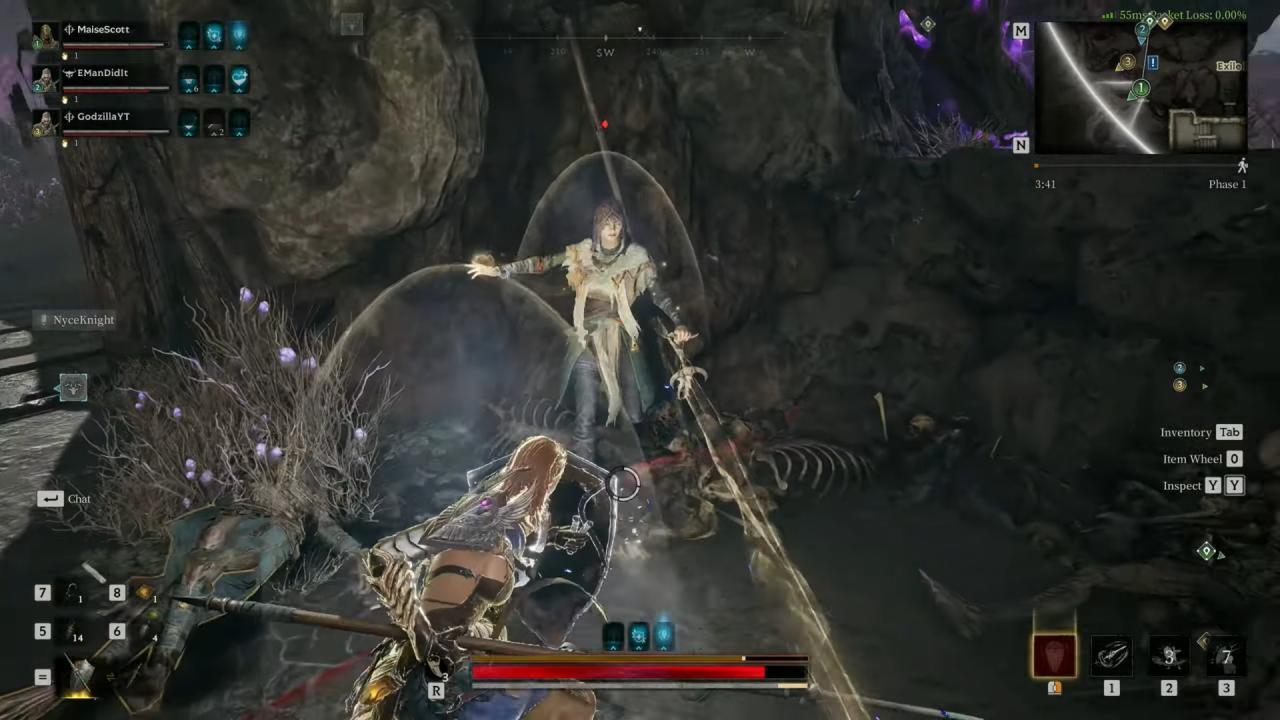
That approach naturally makes PvP encounters feel different from those found in traditional extraction shooters. Instead of being eliminated instantly by someone hiding hundreds of meters away, fights usually become prolonged battles where movement, class matchups, cooldown management, and positioning decide the winner.
Taking down a heavily armored Withered Knight requires a completely different approach than chasing down a Shadowstrix who keeps vanishing into stealth or closing the distance with a Sorcerer attacking from range. With each battle, you adapt and improve, so your victories feel earned and not random.
The PvE side is as much part of that tension. Regular enemies and bosses aren't simply obstacles standing between you and better loot. Every fight costs resources, consumes healing items, drains stamina, and creates noise that other players can hear from nearby. More often than not, another team discovers you while you're already engaged with monsters rather than waiting politely for a fair fight.
That constant overlap between PvE and PvP keeps every expedition unpredictable because the environment itself becomes another threat you have to manage alongside everyone else exploring the map.
The extraction system ties all of those mechanics together surprisingly well.
Rather than simply reaching a marked exit and leaving the map, escaping usually requires a little more effort. Depending on the situation, you'll need to secure the means to extract. At the same time, the Gilden Mist gradually pushes players closer together, increasing the likelihood of running into another team before you can make it home.
It turns the final moments of every expedition into one last challenge instead of a routine sprint to the nearest extraction point. Better still, the game isn't quite as punishing as some of its competitors. If a regular enemy kills you, you're given a chance to return to your body in spirit form and revive yourself.
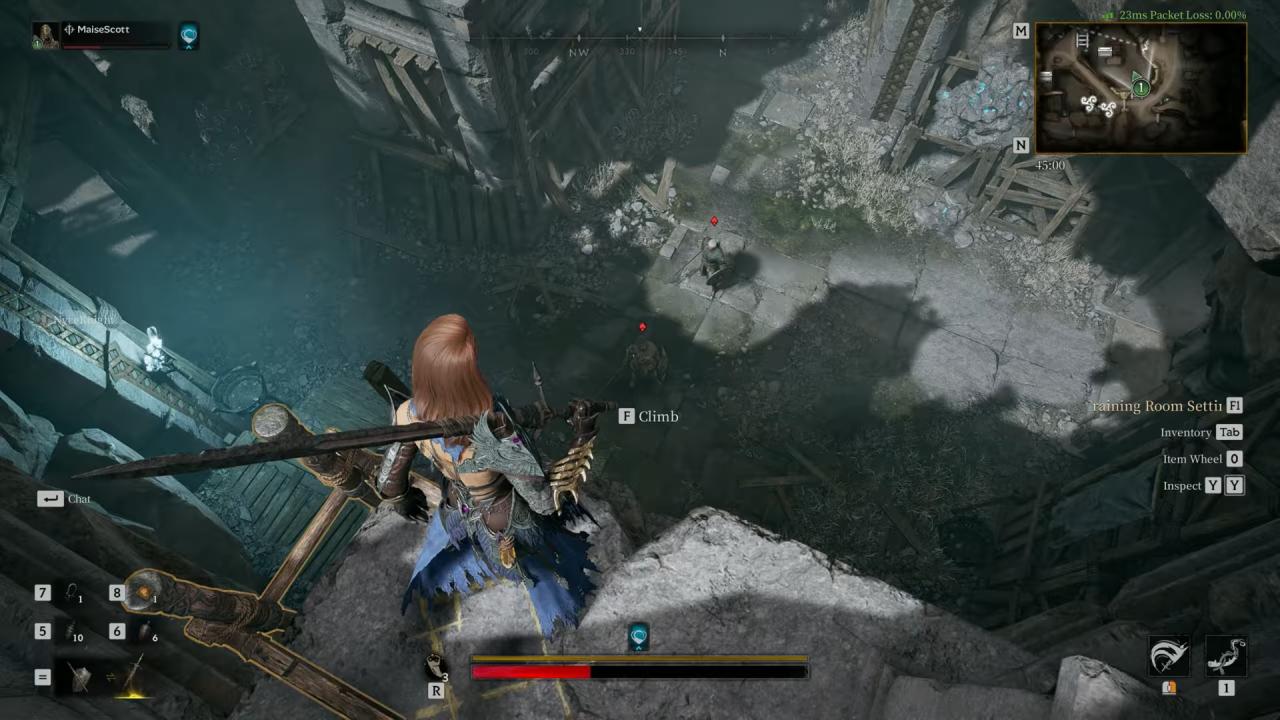
However, dying to another player ends your run immediately. It's a clever compromise that relieves some of the irritation of random PvE deaths, but keeps player encounters as tense as they should be. Loot is also a good balance between accessible and progression. Early losses don't completely derail your progress, because basic equipment isn't particularly hard to replace.
Expeditions give you better gear drops from enemies, treasure chests, and bosses, and leveling your character unlocks stronger crafting options back at camp. Most of the progression is organic through playing the game rather than complex blueprint systems.
And every successful run usually rewards you with something useful, be it a stronger weapon, crafting materials, camp upgrades, or another talent point that helps refine your build. Because multiple progression systems move forward together, the game rarely feels like it's wasting your time.
That said, not every design decision lands as cleanly.
The biggest issue is the Auction House. The idea of a player-driven marketplace where you can buy and sell equipment, crafting materials, and other resources sounds like a useful addition. In practice, it slightly undermines the entire extraction loop. Part of what makes the genre so satisfying is knowing every valuable item in your inventory represents a successful escape.
Losing that equipment should hurt because earning it required genuine risk. Here, if you've accumulated enough currency, replacing a lost loadout often takes only a few clicks. It doesn't completely ruin the experience, but it does reduce some of the tension that makes extraction games so addictive in the first place.
The multiplayer structure is another area that feels inconsistent. Mistfall Hunter supports solo play and three-player squads with full cross-platform play across PC, PlayStation 5, and Xbox Series X|S, making it easy to jump in regardless of where your friends play. The opening map even provides dedicated solo matchmaking, allowing lone players to compete against others on equal footing.
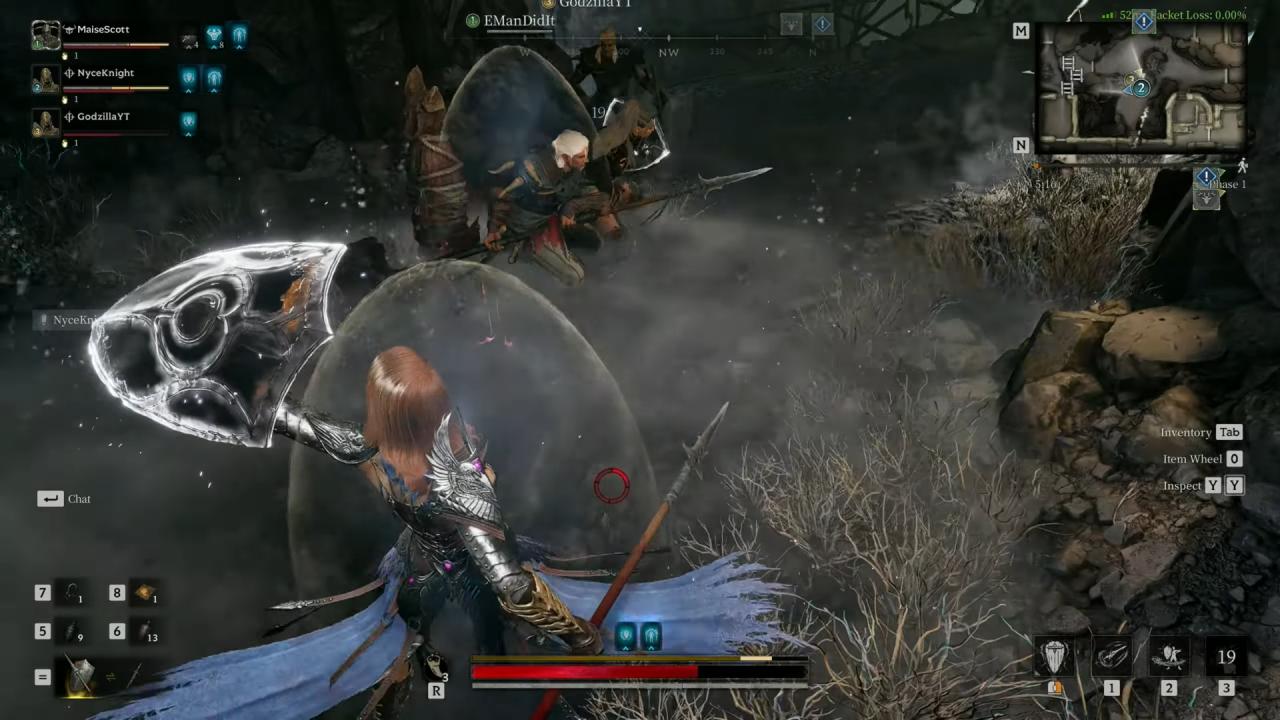
Unfortunately, that changes once you unlock the second map, where solo matchmaking disappears entirely, and the experience shifts toward trios. Bellring Games has already shown that solo play works well, which makes its absence later in the game difficult to understand. Playing alone against coordinated three-player teams is possible, but it rarely feels fair.
A dedicated duos playlist would also have gone a long way toward solving another common problem. Not everyone always has a third teammate available, and forcing two players to either wait or fight at a disadvantage feels like an unnecessary limitation.
Balance is another aspect that clearly needs more time.
Some classes are better than the rest right now, especially Shadowstrix and Seer. Shadowstrix incorporates stealth, mobility, and escape elements, making it very difficult for good players to catch. Seer has healing and control of the team, which can completely change the way team fights play out. On the opposite end, the Withered Knight can become frustrating to fight thanks to its combination of heavy armor, shields, and constant pressure.
None of these issues make the game unplayable, but they do show that Bellring still has balancing work ahead. Considering how quickly the developers responded to player feedback throughout the testing phases, though, these feel more like growing pains than permanent flaws.
Performance is probably the game's biggest technical hurdle. Mistfall Hunter runs well enough for the most part, though inconsistent frame pacing can get in the way at times. Even systems well above recommended specs suffer from random stutters and brief frame drops during exploration and combat.
Most of the time the game maintains a stable frame rate, yet those sudden dips become especially noticeable because combat relies so heavily on precise timing. Missing a dodge because the game briefly hesitated is far more frustrating than missing because of your own mistake.
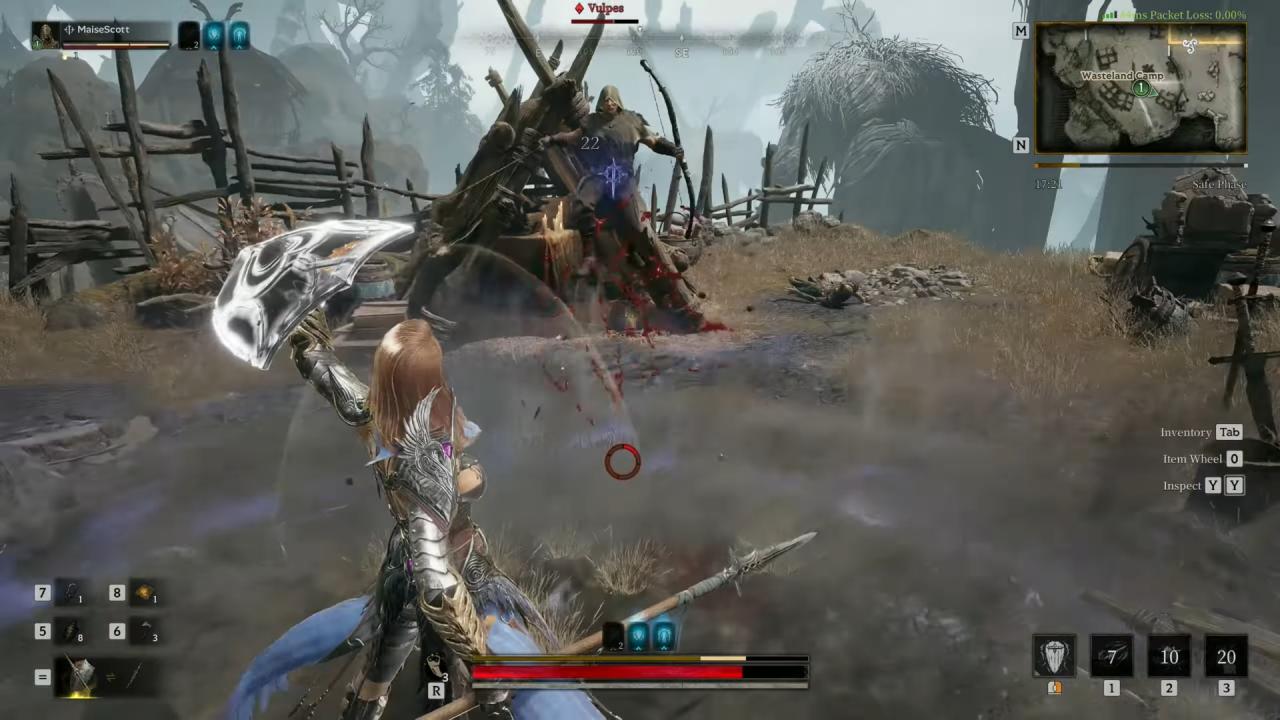
Console performance tells a similar story, with lower-powered hardware occasionally struggling to maintain completely stable performance during busier encounters. Fortunately, these issues feel like optimization problems rather than fundamental engine limitations, and Bellring has already started releasing updates aimed at improving stability.
Server availability has also caused frustration in certain regions.
At launch, players have access to servers across North America, Europe, Asia, Brazil, and China, but dedicated Oceanic servers are missing. For Australian and nearby players, that means dealing with higher latency in a game where split-second timing often determines whether you survive or lose everything.
The criticism surrounding that decision is understandable, particularly given how important responsive combat is to the overall experience. It's the sort of issue that can eventually be fixed, but it's still a noticeable drawback at launch.
Mistfall Hunter works visually because of its atmosphere, not its technical spectacle. The game is built on Unreal Engine and has a dark fantasy aesthetic with corrupted forests, abandoned settlements, towering ruins, and thick golden fog that hangs in the air constantly. It's not the most graphically advanced game you'll play this year, and doesn't need to be.
Bellring instead seeks to build a world that has a definite identity, and that identity is consistent throughout. The Norse-myth-inspired environments help reinforce the lore of the game without long explanations, while the Gilden Mist itself acts as a constant visual reminder of the slow collapse of the world.
The character and enemy designs are both equally good. Each class has its own silhouette that you can instantly recognize, so you know what you're dealing with in the heat of battle. The heavily armored Mercenary and Withered Knight look scary, while the Black Arrow, Shadowstrix, and Sorcerer all have gear and clothing that matches their unique fighting styles.
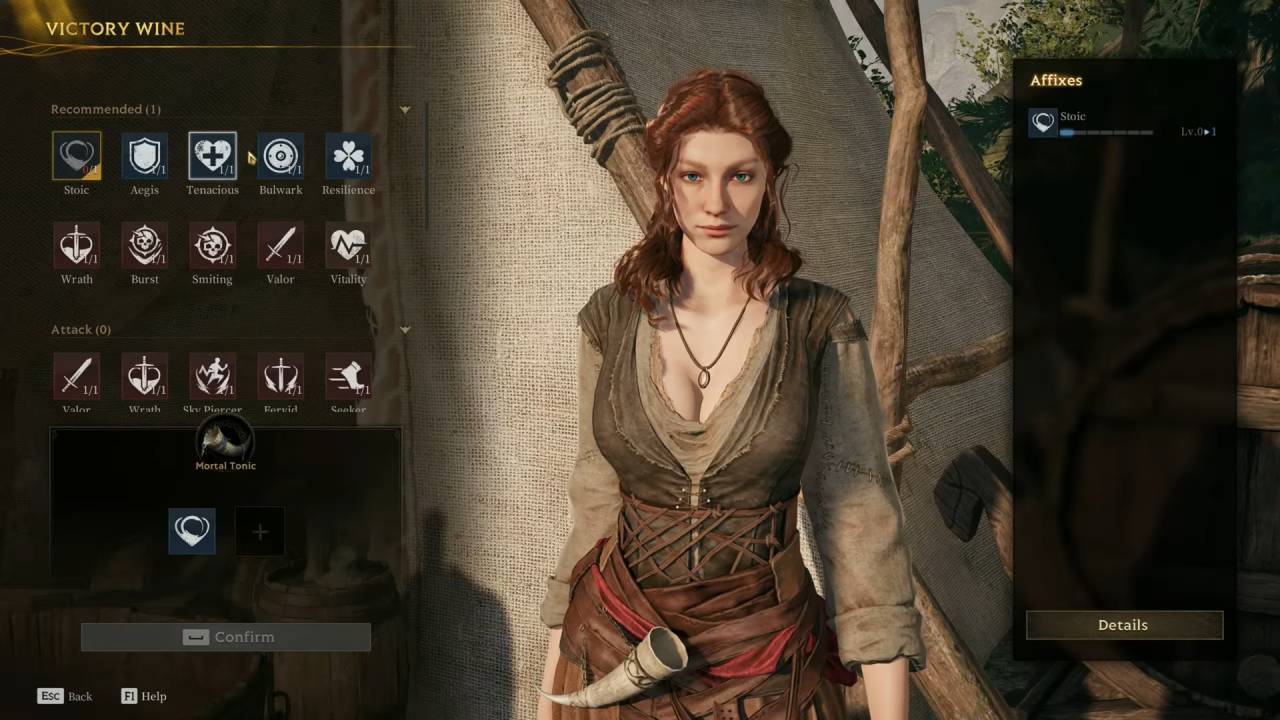
Further into the game, enemy variety also gets better, with bigger corrupted beasts that take heavy inspiration from the game's mythology rather than the usual fantasy monsters.
The combat effects are especially worth praising, because they are both flashy and readable.
Magic attacks explode with lively particles, powerful skills have a pleasing visual heft, and critical hits are weighty enough without cluttering the screen. Even with multiple players and enemies fighting in the same area, it's usually easy to see what's going on.
Clipping still happens from time to time, the environmental detail and textures are a little lacking, and some places feel a little more vacant than they should, but those flaws seldom take away from the overall presentation. Character customization is also functional, not exceptional. The armor sets themselves look great, though the available facial features, hairstyles, and beards are pretty limited, leaving room for future expansion.
The sound design is a quiet underpinning for all the rest. The soundtrack knows when to let the environment build tension, instead of trying to dominate the experience all the time. The wind howls through the abandoned ruins, creatures call from somewhere out in the mist, and the music slowly builds in combat without becoming too much.
Weapon impacts feel convincing, spells deliver satisfying magical effects, and enemy attacks have distinct audio cues that prove surprisingly important during tough fights. The overall audio presentation complements the world instead of competing with it, helping reinforce the atmosphere Bellring has worked so hard to establish.
What ultimately makes Mistfall Hunter easy to appreciate is that it already solves the hardest problem facing the extraction genre. It doesn't feel like simply another retread of something you've already played. It carves out its own space with class-based combat, meaningful RPG progression, and a fantasy setting that actually changes how each encounter plays out.
.jpg)
The extraction loop is just as addictive as its contemporaries, but swapping out guns for swords, shields, magic, and unique class abilities changes the rhythm of the experience entirely. Every run is a story in itself, whether that's escaping with a backpack full of loot, surviving a boss fight by the skin of your teeth before another team shows up, or losing everything because one risky decision didn't pay off.
The game is by no means perfect. Performance needs some smoothing out, class balance is a work in progress, and a few design decisions—especially the Auction House and the lack of solo support on later maps—feel like missed opportunities. The premium currency and cosmetic store also seem slightly out of place in a paid release.
Even so, none of those issues overshadow the quality of the foundation Bellring Games has built. Mistfall Hunter feels more assured than most debut projects, and perhaps even more so, it feels like a game that could blossom into something much bigger with consistent support after launch.
Editor, NoobFeed
Verdict
Mistfall Hunter reinvents the extraction formula with gratifying RPG progression, satisfying combat, and a memorable fantasy setting. Some technical and design issues hold it back, but the foundation is solid.
70
Related News
No Data.