
DragonSword: Awakening Review
PC
A polished anime Action RPG that reimagines the gacha formula without the frustrations that usually define it.
Reviewed by Elme Dhee on Jul 23, 2026
Few genres have evolved as rapidly as anime-inspired Action RPGs, and many recent releases have embraced live-service mechanics and aggressive monetization to keep players engaged. DragonSword: Awakening was originally on a similar path before taking an unexpected detour in its development.
With much criticism during the beta period, the developers opted to rethink the direction of the game instead of doubling down on a formula many players were already tired of. That decision was a defining moment for what DragonSword: Awakening would become. The game is still built on the traditional gacha framework, but every mechanic that ties into pay-to-win progression has been removed.
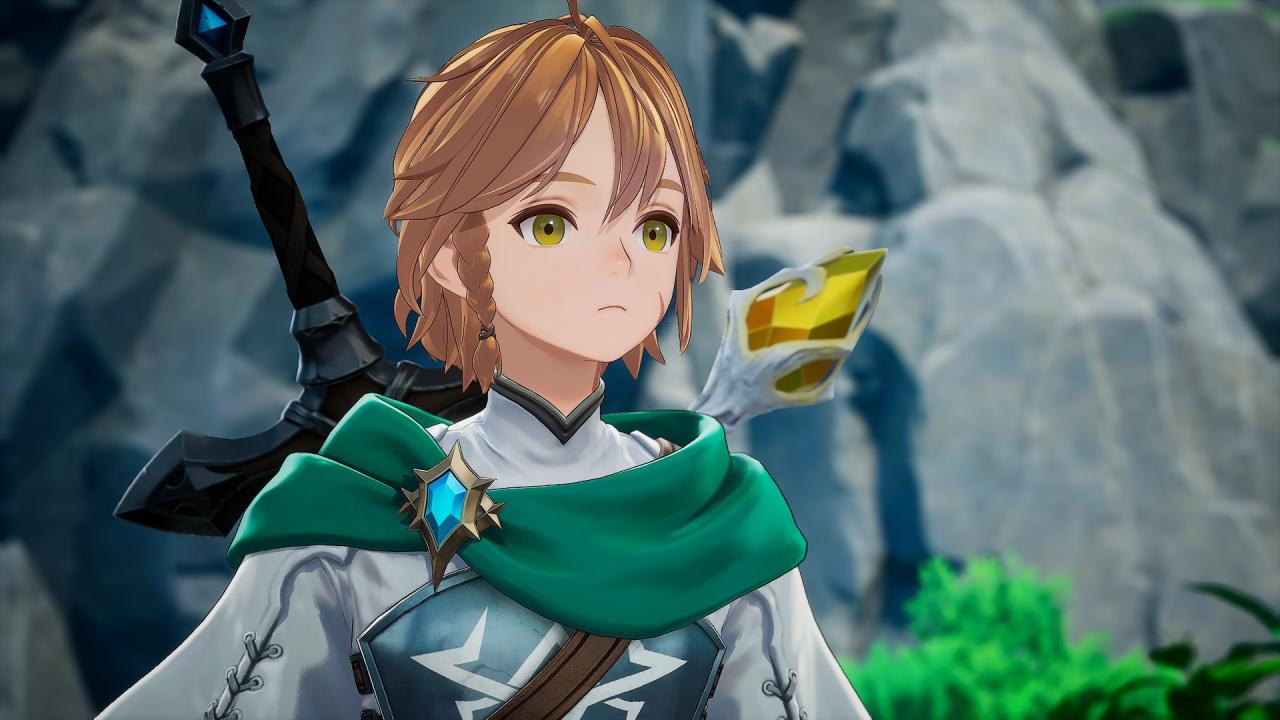
Characters are unlocked through gameplay, premium currency is earned naturally, and the cash shop is almost entirely focused on optional cosmetics. The upshot is a refreshingly consumer-friendly approach, where progression is based on commitment, not constant expenditure. The biggest surprise of all is how confidently the game embraces that philosophy without losing itself.
Rather than feeling like a compromised project stuck between two business models, it plays like a complete Action RPG that borrows a few familiar systems. That balance makes the experience appealing to long-time anime RPG fans, as well as to players who have traditionally avoided the genre due to its monetization practices.
Fast-paced combat is the reason to keep exploring its fantasy world in short order.
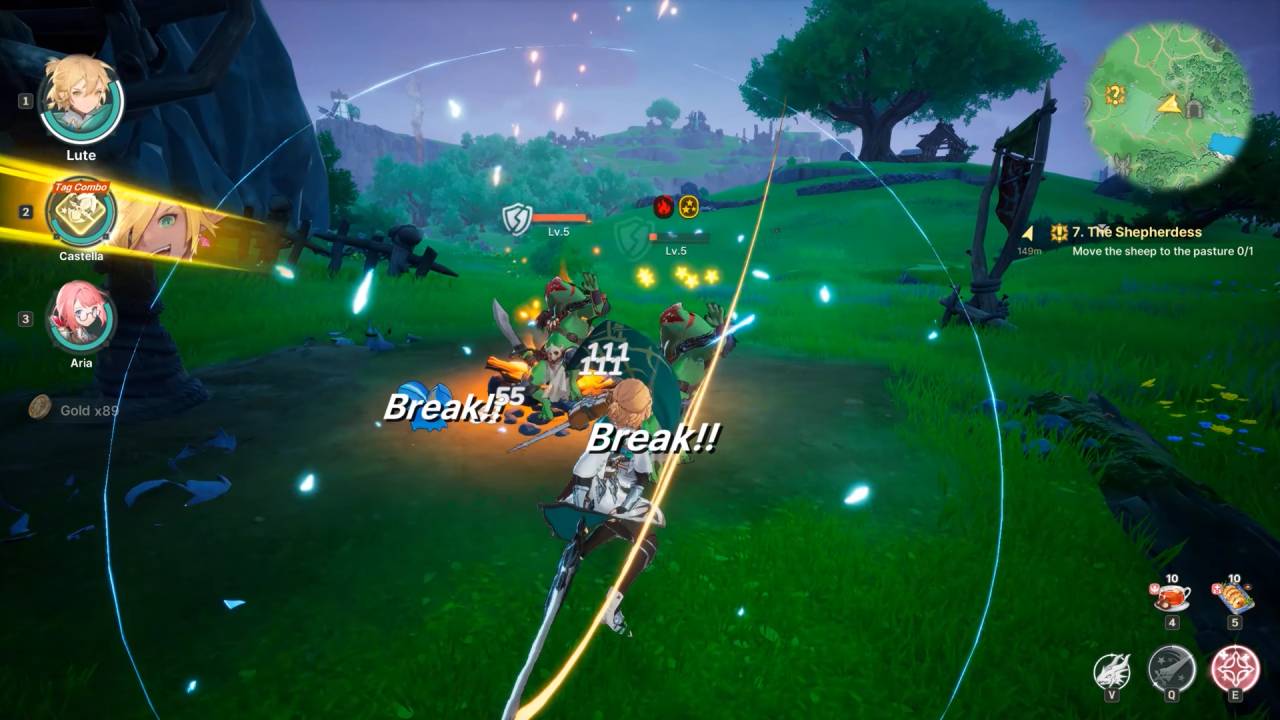
Great combat is a hallmark of memorable Action RPGs, and DragonSword: Awakening quickly shows where its strengths are. Battles are fluid, reactive, and surprisingly technical, rewarding timing and positioning over button mashing. Each encounter encourages experimentation, making even regular fights engaging as players discover new combinations between party members and slowly learn the game’s ever-expanding array of combat mechanics.
Combat is focused on status effects and carefully designed character synergy, rather than the more familiar elemental reaction systems. Knocking an enemy up into the air may allow another party member to pick them up and keep the attack going. Some skills will naturally link together to create extended devastating combos.
These mechanics reward the careful composition of a party and force players to know each character's strengths rather than fall back on a single overpowered strategy. Another standout feature that adds a great sense of momentum to combat is the character switching.
The switch between party members is nearly instant, so even after handing control to another character, you can still perform attacks with long animations. That smooth transition allows for creative combo chains that are satisfying to perform, giving battles a dynamic rhythm not often found outside of dedicated hack-and-slash titles.
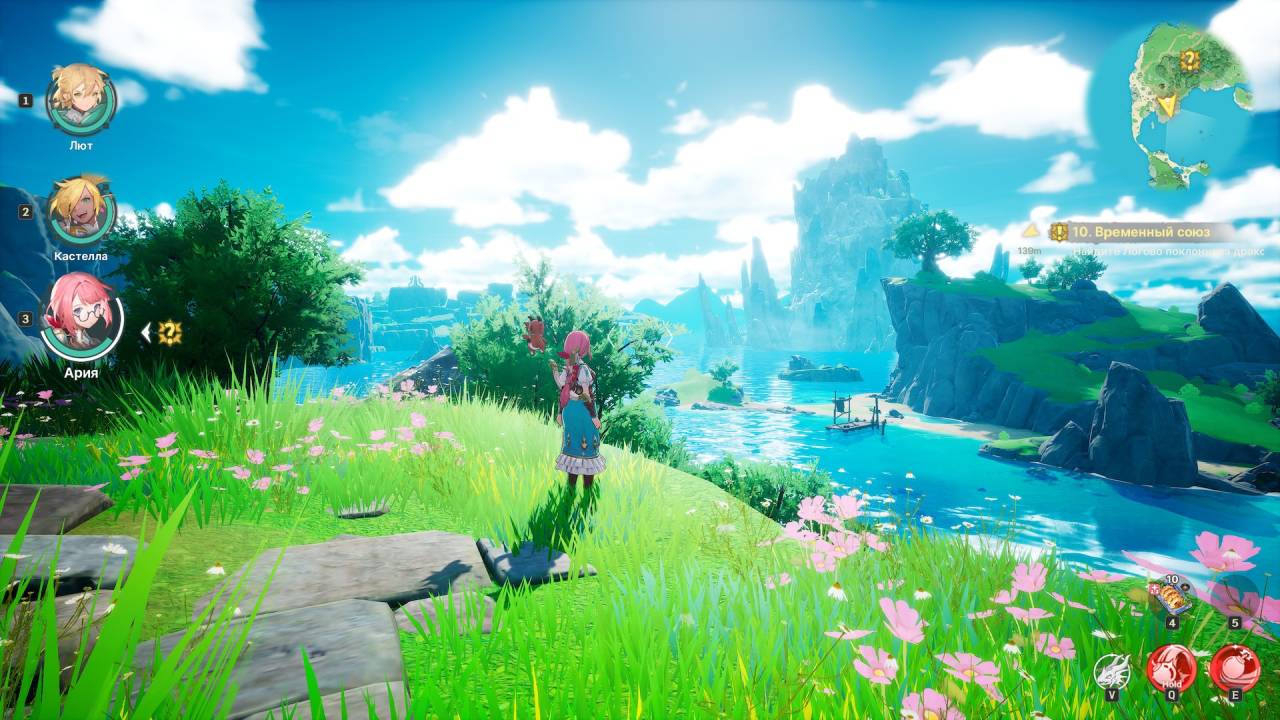
Exploration is rewarding because the world always respects the player’s time.
A massive Open-World doesn’t mean much if navigating it gets monotonous, but DragonSword: Awakening always manages to make exploration fun. The fantasy setting is full of places to find resources, secret passages, and things to do outside of the main story, tempting curiosity without forcing pointless detours. Every area feels crafted to reward the player who likes to meander rather than head straight for the next objective.
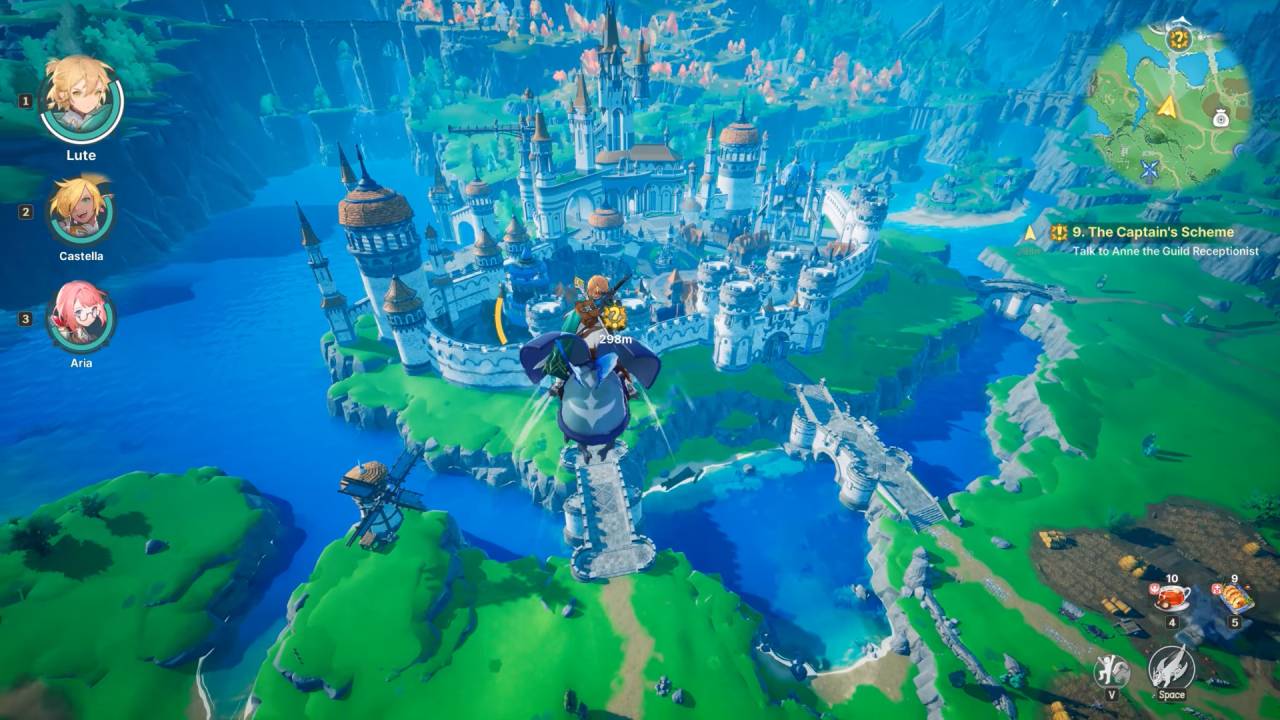
Traversal is also well thought out, with various mounts providing different benefits depending on the environment. Some improve your aerial movement, while others make climbing or crossing difficult terrain much easier. You’re never locked into one style of play when traversing the world, as you can freely change party members while you’re exploring. These systems make exploration feel fresh and make traveling a fun part of the Adventure rather than a boring chore.
That same philosophy carries over into progression, where players are rarely forced into one particular activity. Upgrades can be bought with resources gained in other ways or collected naturally by exploration, so that it’s not a case of one playstyle being more viable than another. You can choose to do long treks across the world or run dungeons over and over again, and neither feels less rewarding. It’s meaningful flexibility in the game.”
Progression is rewarding; not every upgrade is a grind.
One of the most refreshing things about DragonSword: Awakening is its approach to progression without artificial constraints. Energy systems are not restrictive, and players can play as long or as little as they want. Progress still requires commitment, but the struggle is committing time to what matters, instead of waiting for timers to count down so you can keep going.
The upgrade system is flexible enough to support different playstyles but not so complicated as to be intimidating for newcomers. Characters get stronger through equipment, materials, skill upgrades, and careful party building. This means that players have several paths to improve rather than being forced down a single progression path.
Experimenting with different team compositions is as rewarding as increasing raw stats: every party member has unique strengths to bring into combat. Grinding is still a major part of the experience, but it rarely feels repetitive, as players still have meaningful control over how they approach it.
You can get valuable materials by exploring, or, if you are the type who wants to optimize, there are specific resource dungeons. This way, progression never becomes stale, and thus making the party stronger feels like a natural extension of the gameplay rather than an obligation imposed by needless restrictions.
Every dungeon gets harder than the last, so you feel accomplished after every win.
Dungeons are the core of progression, slowly adding harder encounters and rewarding players with more and more valuable resources. They’re not just a series of repetitive obstacle courses; they encourage players to leverage the combat system to its fullest by learning enemy behavior, optimizing team compositions, and mastering character synergy.
All the clears you do successfully feel earned. You do not get rewarded by just trying again and again; you get rewarded more for doing better. These become more and more interesting as the campaign goes on, and they don’t become unfair. More difficult encounters naturally force players to go back and re-examine equipment, improve abilities, and rethink party combinations before another run.
The consistent difficulty curve makes progression feel rewarding, as the game constantly pushes players to improve rather than artificially inflating enemy health or damage to create challenges. The game’s responsive combat mechanics also assist the satisfying gameplay loop.
Every new dungeon is a chance to refine combos, experiment with characters, and discover more efficient approaches to difficult battles. Since combat is fun throughout the experience, repetition of content is rarely such a turn-off, and this makes long-term progression much more compelling than many similar Action RPGs.

Online activities extend the adventure far beyond the main campaign.
DragonSword: Awakening has plenty of reasons for you to keep playing it after finishing the main story. The Open-World is still huge, with hidden locations to discover, optional activities to complete, and extra character progression to chase. There’s plenty of long-term goals to keep you busy if you want to max out all of your party members, giving the Adventure some impressive longevity without feeling artificially extended.
For those looking for co-op content, several Online Co-Op activities are built around teamwork. Groups of players can participate in hunts, which yield valuable skill enhancement materials. Larger raids can yield some of the strongest equipment currently available.
These activities are successful in moving the focus toward coordination and efficient party building, giving satisfying endgame goals to players who enjoy tackling more difficult content with friends. The only real miss is the absence of full Open-World co-op exploration.
Multiplayer activities are fun, but not being able to just wander around the fantasy world together feels like a missed opportunity, especially considering how well the traversal systems lend themselves to shared adventures. Thankfully, the developers have already made this feature a part of their plans for future updates, and it’s one of the most promising additions to the game going forward.
The story has plenty of charm, even if some threads are left hanging.
DragonSword: Awakening may be about combat and exploration, but it’s also got a surprisingly entertaining story that works well within its colorful fantasy setting. The story mixes light humor and more dramatic parts, giving the actors a chance to develop real chemistry as they go. It’s not just the high stakes of the world ending, but the relationships between the party members that feel believable and consistently fun to follow that make it work.
The cast is undoubtedly one of the strongest elements of the campaign. Each new companion has a unique personality and combat role, providing meaningful narrative value to the Party-Based RPG structure beyond its gameplay benefits.
The way these characters interact in the quiet moments helps build up emotional investment, making the adventure feel driven by the people sharing in it rather than just the objectives they are trying to complete. There are, however, some signs of the game’s original live-service ambitions. Several characters are introduced with apparent importance, but their roles get little meaningful payoff before the campaign ends.
Some plot lines do feel a little unfinished, with the last chapters hinting at bigger conflicts on the horizon. The existing story is still fun, but it can feel like an opening act to a much larger tale, rather than a fully self-contained adventure.
Technical problems sometimes plague an otherwise slick experience.
For the most part, DragonSword: Awakening does a good enough job that the excellent gameplay takes center stage. Visuals are enhanced by Unreal Engine 5, which offers detailed environments, expressive character models, and impressive combat effects that complement the game’s anime-inspired art style.
The world is colorful and alive, without sacrificing the quick responsiveness needed in those frantic moments of combat. Performance can be inconsistent depending on the hardware being used. Some areas experience occasional frame-rate drops, and longer play sessions can end unexpectedly due to crashes.
Save data appears to recover well from these crashes, but the accompanying corruption warnings may lead to needless concern. While none of these problems completely ruin the experience, they are irritating enough to justify further optimization in a future update.
Fortunately, these flaws rarely detract from what the game does so well. The responsive combat, satisfying progression, and rewarding exploration are consistently engaging, despite the occasional technical hiccup. Many of the current frustrations feel entirely solvable with continued post-launch support and performance fixes, and the game’s long-term outlook is far more encouraging than its few technical flaws might initially suggest.

DragonSword: Awakening modernizes a familiar formula without losing its identity.
DragonSword: Awakening is not only impressive because of its combat or its generous progression system, but because all of its major features work together to respect the player’s time. The game rarely utilizes frustrating design choices to artificially slow down progression, whether you’re exploring the Open-World, trying out new party combinations, or facing increasingly difficult dungeons.
Every accomplishment feels like it was gained through gameplay, not through pointless repetition. While a handful of unresolved story threads and technical issues keep this title from being absolute perfection, they do little to overshadow the quality of the overall experience.
Hack and Slash combat, flexible progression systems, Party-Based RPG mechanics, and Online Co-Op content all make the Adventure consistently rewarding from start to finish. More importantly, it proves that an Anime Action RPG can have long-term progression without exploitative monetization.
Editor, NoobFeed
Verdict
DragonSword: Awakening delivers exceptional Action RPG combat, rewarding exploration, generous progression, and meaningful Party-Based gameplay, creating one of the strongest Anime Fantasy adventures in recent years.
80
Related News
No Data.