
Onimusha: Way of the Sword Review
PlayStation 5 Pro
A long-awaited samurai comeback that makes every clash of blades feel like a test of skill.
Reviewed by Azfar Rayan on Sep 01, 2026
After being away for so many years, Onimusha: Way of the Sword had a lot to prove. The series already had its place in Capcom's history, but returning to it now means stepping into a very different action-game landscape. Rather than completely reinventing what made this title work, Capcom has built on its samurai foundation.
The result is a combat system centered on timing and precision. It rewards players for landing the right counter at exactly the right moment. You play as Miyamoto Musashi, a fictionalized version of the famous swordsman, whose pursuit of strength quickly becomes tangled up with demons, supernatural powers, and a corrupted Kyoto.
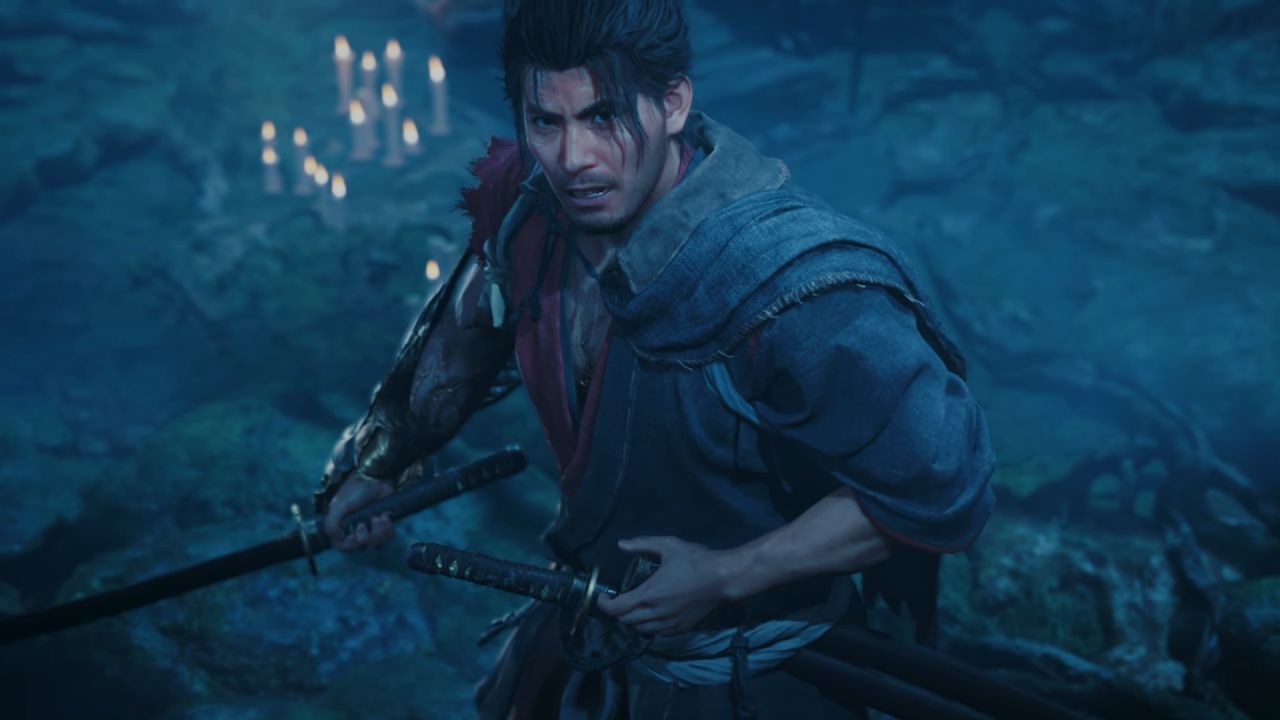
The Oni Gauntlet gives him abilities that can help him survive, but accepting that power isn't something Musashi takes lightly. He wants to become the strongest through his own swordsmanship, which gives his journey a little more personality than the usual samurai revenge story.
The story isn't built around a complicated plot.
From there, you move through an early Edo-period Kyoto threatened by Genma and the spreading Malice, working alongside Shizuka, Takamura, and Okuni as the situation grows more dangerous. The more time that passes playing Onimusha: Way of the Sword, the more you begin to see what this game prioritizes.
The narrative provides players with interesting characters and an ominous world to explore, but the real magic happens during combat encounters, where you have the chance to develop your skills, make more daring plays, and overcome your challenge with ease.
The road back to Kyoto was indeed a long one. After nearly 20 years away, Capcom had people internally who wanted to revive the series, but getting the right team together proved difficult, especially with other major projects demanding years of development and hundreds of staff.
Things finally started coming together around 2020, when the team had the opportunity to build the project with Capcom's RE Engine. That gave the developers the technology and resources to bring back the series while also pushing its classical mechanics further, including the timing-based Issen system, faster soul absorption, and the new dynamic dismemberment that lets your blade visibly cut through enemies based on where it lands.
The game's strongest moments come from its characters.
Musashi has an attitude that immediately separates him from the usual serious samurai protagonist - confident, blunt, sometimes crude, and clearly enjoying every dangerous opponent he faces. You can see that personality in his expressions and movements as much as his dialogue. His face is modeled on legendary actor Toshiro Mifune, and that influence goes well beyond appearance.
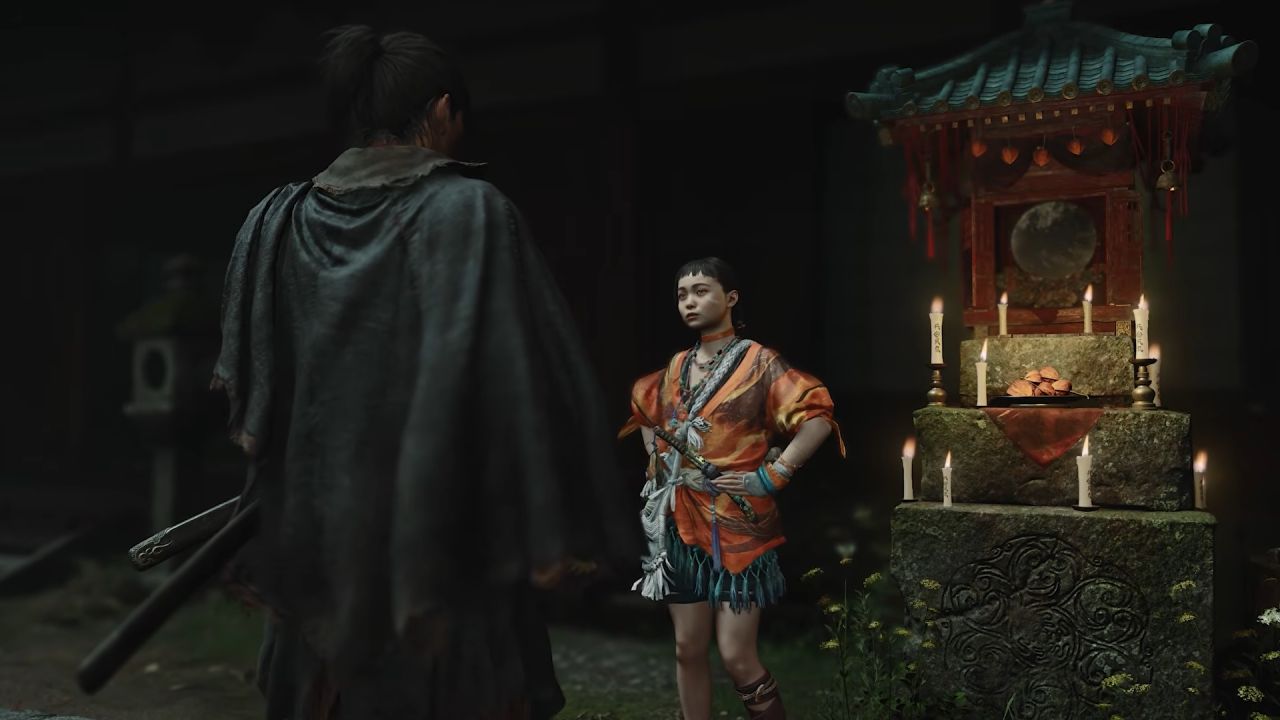
His posture, walk, little gestures, and playful sword-sheathing give him an unusual sense of life. You'll also find a surprisingly strong relationship between Musashi and Shizuka. Their dynamic starts with distance but develops naturally as they begin depending on each other.
Shizuka isn't treated as someone standing behind the hero; her presence and strength are essential to Musashi's journey, and the relationship becomes one of the most enjoyable parts of the story. Okuni brings a different kind of energy, while Takamura connects the Oni to the barrier separating the human world from the Genma realm.
Sasaki Ganryu, meanwhile, gives you a rival whose growing obsession with souls makes him increasingly disturbing. This style leans more toward horror than you might expect. The grotesque changes, unsettling experimentation, corrupt characters, and truly grim scenarios combine with Musashi's humor.
The balance works because Onimusha: Way of the Sword can shift from absurd to unsettling without feeling out of place.
It works even better for the villains as they become more unstable. Once you start playing, the combat becomes the main reason you'll want to keep moving forward. At first, you have a relatively straightforward set of attacks, blocks, and dodges, but Onimusha: Way of the Sword keeps adding mechanics long after the opening hours.
This careful build-up gives the player a distinct sense of being taught how to do something, but in the end, they will have amassed a substantial number of responses for various types of attack. Light and heavy attacks link up to form short combinations, but simply attacking isn’t enough to win the fight. When the situation calls for defense, the safest approach is to block, as long as your stamina holds out.
Dodge lets the player avoid danger altogether, and hitting the right timing triggers a reflex dodge that slows the action, allowing an effective counterattack. Parry draws the player closer to danger but at least decreases the enemy’s stamina; whereas deflection takes it one step further, reducing stamina significantly – especially when fighting armored opponents.
Issen is the skill that stands head and shoulders above the rest. Instead of waiting for the opponent’s attack to land and deflecting it, you time your attack for the moment just before the blow lands. Musashi dodges out of the way and strikes back with a lethal counterattack. The timing is far more precise than a parry, and a miss would mean receiving the very blow that you wanted to dodge.
You don't need to build your entire playstyle around Issen, which is one of the combat system's smartest choices.
Use it when the opportunity is right, but lean on dodges, blocks, parries, and deflections when you don't trust your timing. Certain attacks are better suited to specific responses, so you're constantly reading what an enemy is doing instead of repeating one move.
Another way the game has gained depth is through the addition of the Oni Gauntlet and souls dropped by enemies: each soul color has its own function, such as yellow healing, blue fueling your Oni Armaments, and purple adding to your Oni Awakening meter. The reason that souls are so important is that they stay on the battlefield, which means that you have to decide when to take them.
Oni Armaments give you another way to spend those resources. You gain several supernatural weapons with distinct uses, each capable of changing how you approach an encounter. One armament helps you recover health by producing yellow souls, while others give you powerful attacks or different ways to control enemies.
The Awakening gauge lets you enter a stronger state where you can fight more aggressively, and it even gives you a safer environment for practicing techniques, since damage is directed toward the gauge rather than your normal health. The boss fights bring everything together into one package.
Every fight comes off as being a test of what you know rather than a gauge of your ability to do damage.
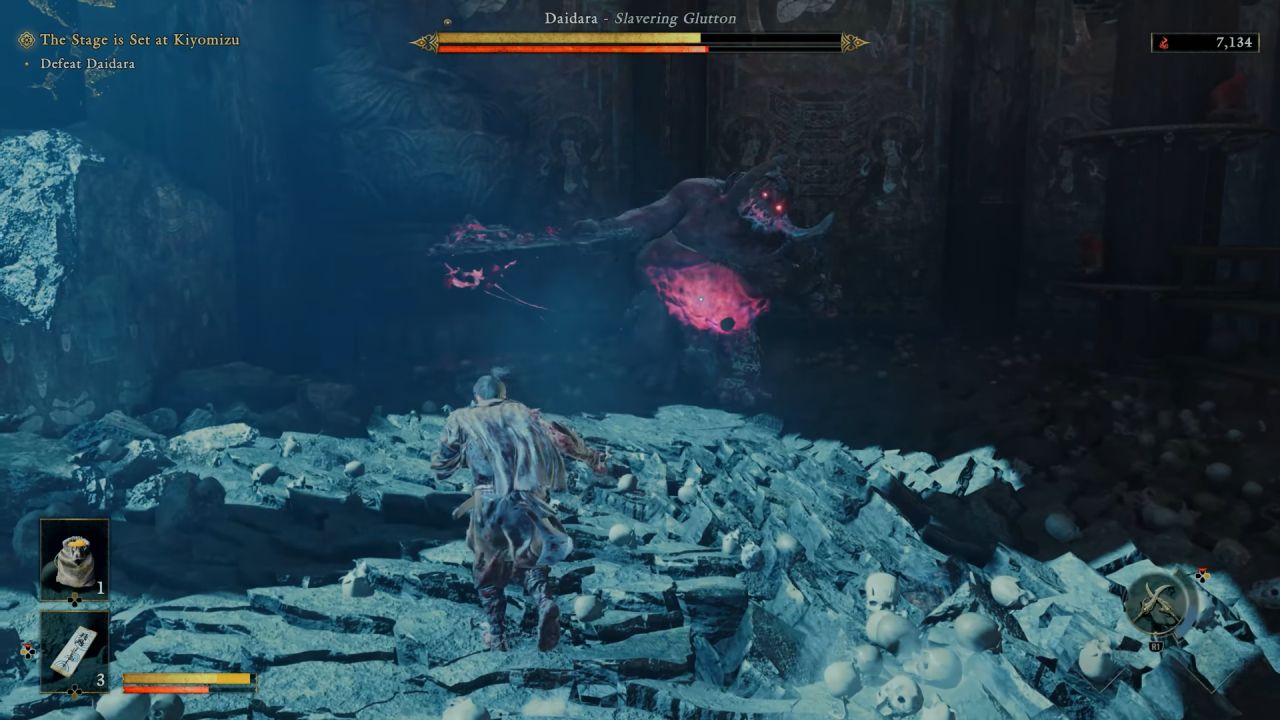
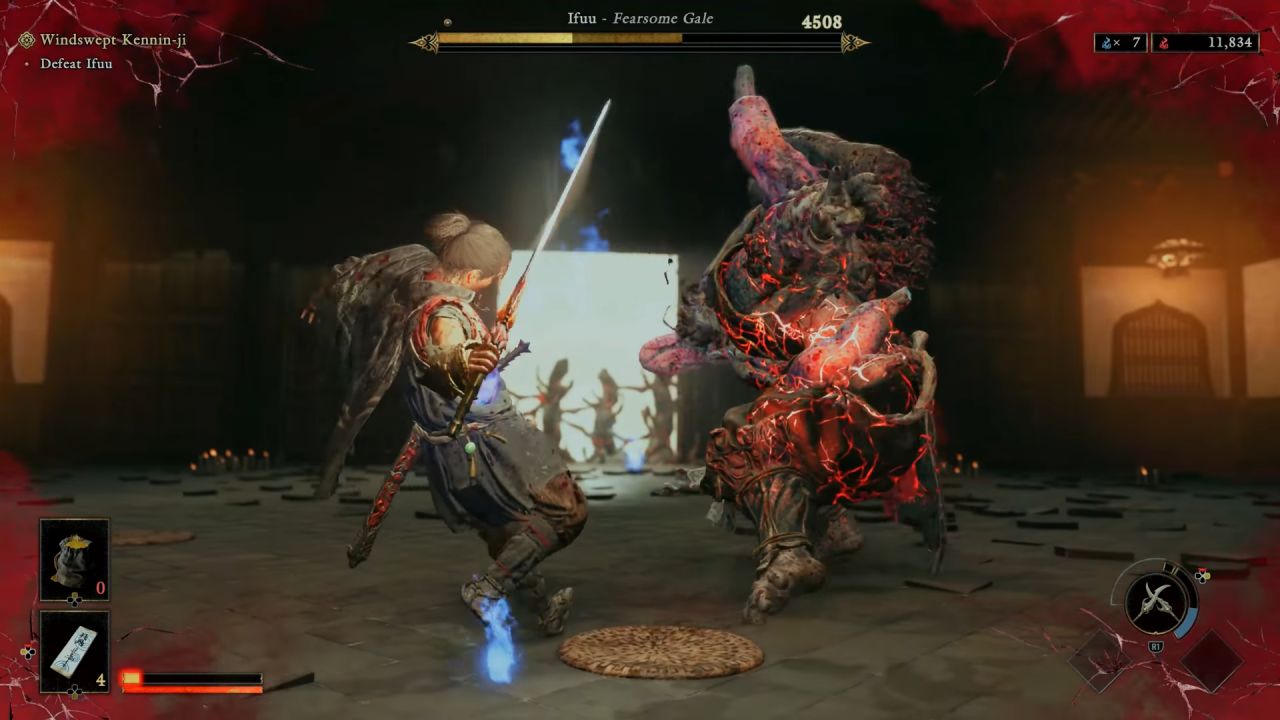
You study the boss, find out what attacks can be parried and/or dodged, figure out what times you need to avoid something, and when it is time to use Issen. Some bosses give you the chance to return their attacks with yours, and some require you to interrupt theirs with your bow. The blade-clash system adds another layer.
Sometimes your weapons lock together, and you need to respond with the correct attack input rather than blindly pressing buttons. Other battles require quick button presses. Because the game's success depends on reading the situation, this type of combat encourages focus.
Visual feedback is extremely useful; the sparks, the sounds, the effects of weapon blows, and the animations of characters make it obvious that one is reacting to the attack. There will also be times when you have the option to utilize Break Issen after breaking the posture of your enemies.
For regular enemies, this can end them on the spot. However, for boss battles, you are presented with options of choosing vulnerable parts; some do more damage, while others give you souls as well. The challenge works the same way. The game may seem very easy at first, particularly when battling simple enemies, but that’s mainly because Onimusha: Way of the Sword is teaching you how to speak its language of battle.
Difficulty rises without simply turning enemies into health sponges; you can play it safe and chip away, or take bigger risks for faster wins.
The combination of the action-oriented settings with the increasing difficulty from simple battles to the challenging bosses works quite naturally. The hardest battles require remembering patterns and staying cool under pressure, but you never feel like you're missing an explanation.
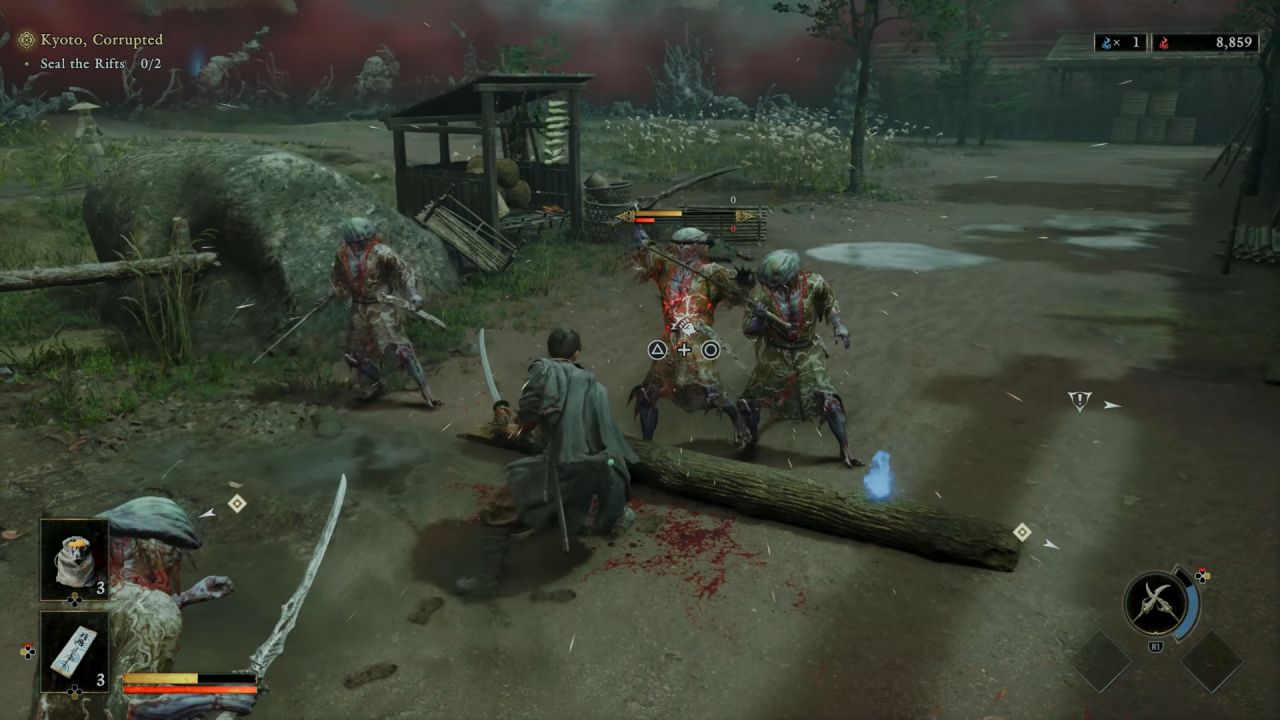
The harder difficulty is unlocked by completing the campaign, and there is also a separate mode for battling the bosses. The exploration structure is more focused than a conventional open-world game. Kyoto acts as a central hub, while the main adventure sends you through distinct locations: temples, mountains, forests, castles, ruined areas, underground facilities, and the Imperial Palace.
Some sections feel almost like classic handcrafted action-game stages, with combat, puzzles, scripted scenes, and environmental routing working together. Kyoto opens gradually as you deal with the corruption spreading through the city.
You can return to areas, find materials, help residents, discover collectibles, and clear optional activities. Onimusha: Way of the Sword also uses a dense purple Malice fog that blocks off sections until you destroy the flowers producing it.
The optional content is varied enough to keep exploration worthwhile.
You can take on simple combat tasks, rescue civilians, complete archery challenges, find hidden lion statues, and pursue more involved Curious Cases. The latter will likely become your favorite optional activities, since they carry stronger narrative context and sometimes send you back into previous areas with a new reason to explore them. Other tasks are more straightforward, usually asking you to clear enemies or retrieve something.
This progression makes sense for you to start collecting items during all of this. Not only can you upgrade your sword, armor, and Oni Gauntlet, but there is even a skill tree that gives you additional abilities. The charms give you passive effects and are capable of being upgraded either using materials or favor, which can be obtained by assisting others.
The bow allows you to have some ranged attack options and even interacts with environmental elements or boss weaknesses. The upgrade system isn't quite as compelling as the combat itself. You mostly strengthen your equipment and expand Musashi's existing abilities rather than creating dramatically different builds. Still, the system in Onimusha: Way of the Sword gives exploration a worthwhile purpose.
The game's structure is outstanding. Some of the mini-bosses show up multiple times; there are some repetitive areas, and the process of clearing out Malice will become familiar to you once you learn the layout. Right after a good boss battle, you will get into a new area where you will have to seal another rift or fight a familiar enemy.
Those carefully crafted levels are where level design truly shines.
You explore unique levels, solving both environmental and combat puzzles while also experiencing a story or encountering new enemies. The game always gives you something new, which affects your approach to combat, building upon itself rather than giving all of its systems to you from the start.
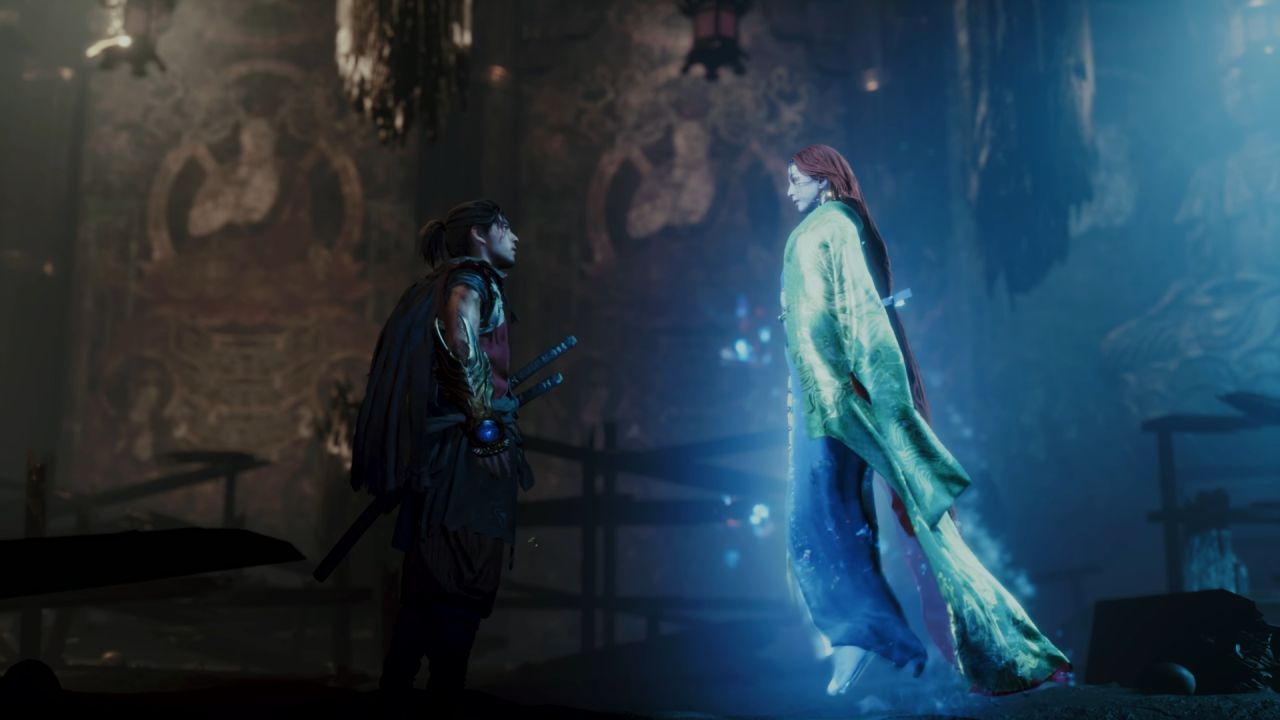
Visually, Onimusha: Way of the Sword makes strong use of the RE Engine. You'll find the environments attractive, the particle effects impressive, and the enemies and bosses especially well designed. Facial animation is one of the highlights, particularly during pre-rendered scenes, where Musashi and the supporting cast communicate a lot through small expressions.
In some environmental settings, the style is simpler, and facial expressions vary in intensity depending on the scene; however, it still looks refined. The performance remains excellent, no matter how tough the situation gets for the performers on screen.
That consistency matters a great deal for the combat, since so much of it depends on split-second timing. A dropped frame at the wrong moment could mean the difference between a clean Issen and taking a hit you should have avoided. Onimusha: Way of the Sword clearly leans on that stability to make its combat feel as responsive as it does.
Sound plays a similarly important role in Onimusha: Way of the Sword.
Sword impacts, parries, deflections, and their accompanying sparks make every defensive success feel substantial. The music supports both the darker atmosphere and larger set pieces, and the Japanese voice track stands out as the strongest option. The English performances are good too, particularly for Musashi and Ganryu, but the Japanese cast delivers a more consistent tone across the full adventure.
By the time you finish, you'll understand why the combat becomes the part you keep thinking about. There will be moments when you stop consciously thinking about the controls and simply react: recognizing an attack, choosing the response, absorbing the right souls, and moving into the next exchange almost automatically.
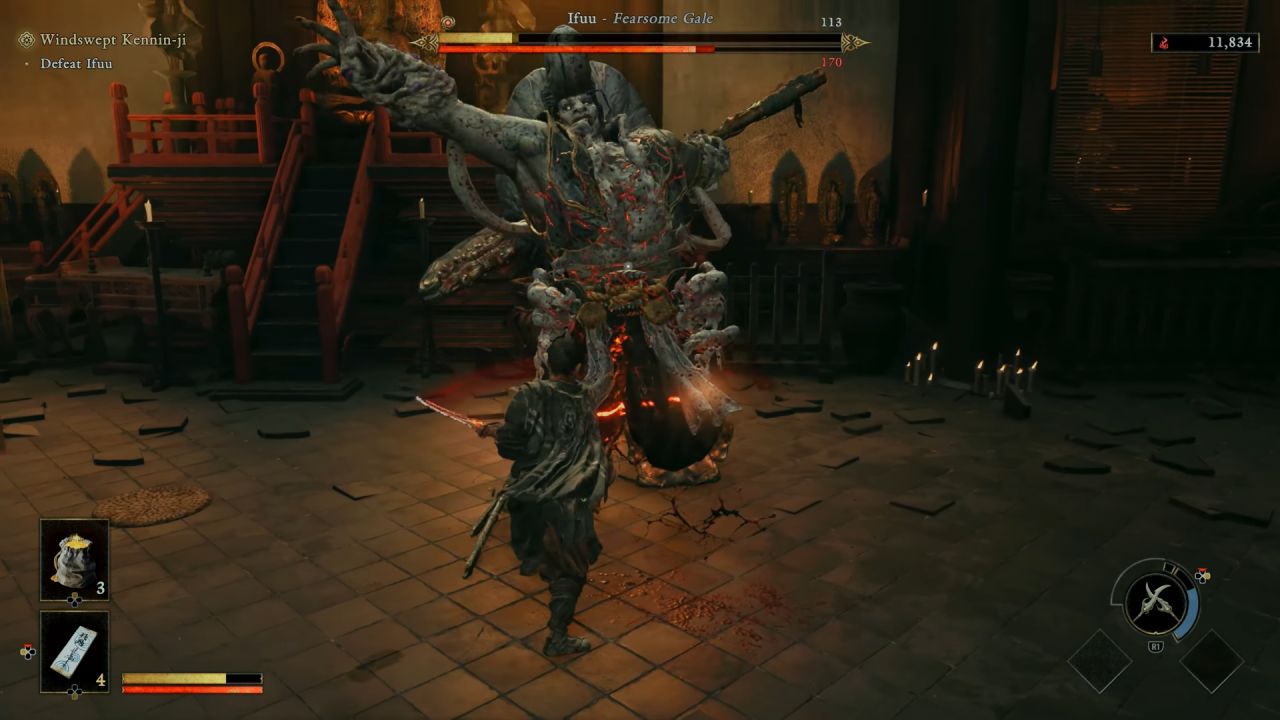
Onimusha: Way of the Sword creates a rhythm where you're not thinking about the controller anymore; you're simply reading the fight. That feeling gets even stronger if you deliberately make the game harder for yourself by avoiding consumable items. Without healing items, revives, or temporary buffs, you have to depend almost entirely on souls, spirit mirrors, and the combat systems themselves to stay alive.
Each good defense call becomes even more important, because a successful Break Issen leads to additional resources, while an unsuccessful one means a few minutes of work down the drain. Beating this type of boss makes all future encounters with Onimusha: Way of the Sword bosses different for you.
You have to learn the bosses' patterns instead of simply surviving them.
Each attempt becomes a small lesson, and the successful runs come from making better decisions rather than simply getting stronger. That's ultimately what makes the game work so well. The combat doesn't force you to play at one speed; you can be cautious, block and dodge, or take the dangerous route and chase Issen counters and faster victories.
The game rewards mastery without making it a requirement to enjoy the adventure. As you spend more time playing the game, the various elements will begin to reinforce each other. Exploring provides the materials needed for upgrades, which help make challenging situations easier.
Side quests provide you with a motive to return to places that you have been before, making every visit back another opportunity to test out the fighting system. The fighting system's secret lies in the storytelling: it makes every return visit feel purposeful, and the characters make it interesting.
At the end of Onimusha: Way of the Sword, you will be sure that the developers didn't need to borrow anything from contemporary action games in order to give their franchise a good second life. The most brilliant elements of it are based on the concept of what makes sword fights exciting: timing, spacing, risk, reactions, and responses of an opponent.
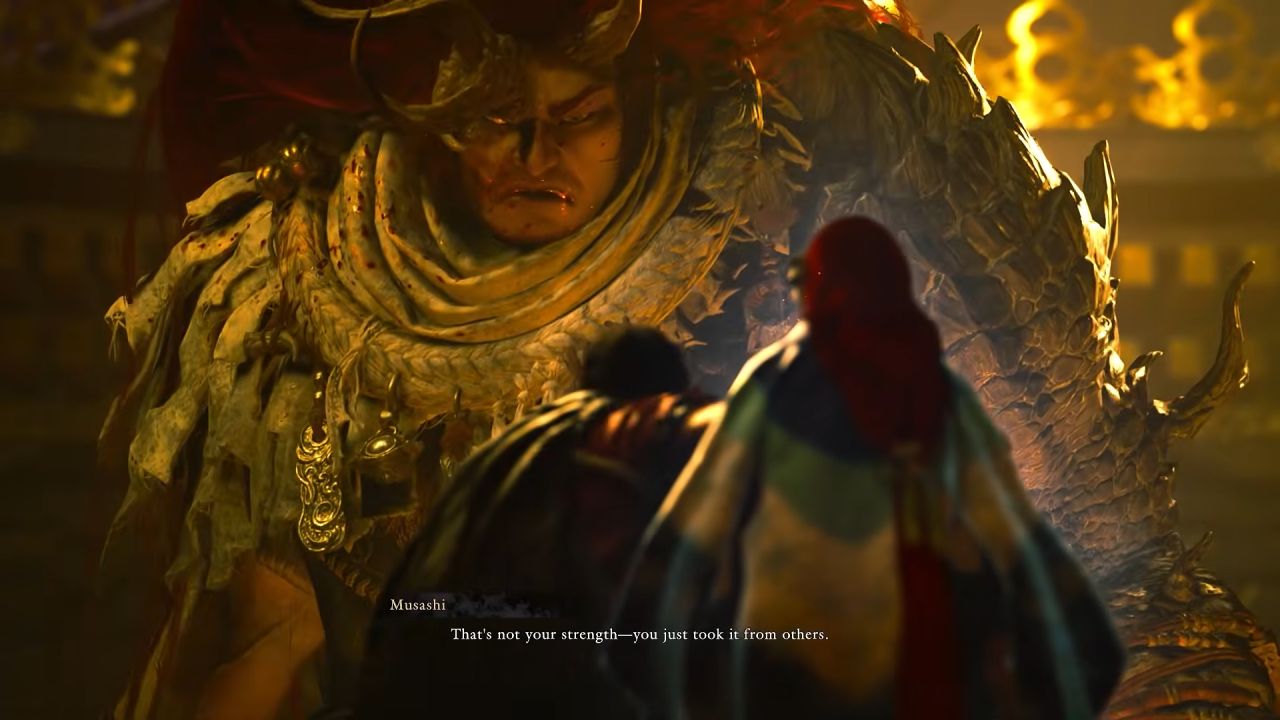
There's a lot to love in Onimusha: Way of the Sword, from great bosses and character work to horror, sound design, and precise combat.
Together, they create something that keeps you engaged from beginning to end. Any minor flaws fade into the background next to a central experience this strong, and by the time the credits roll, they're barely worth mentioning at all. Onimusha: Way of the Sword is an excellent return for a long-dormant series and one of the strongest action games in this style.
It gives you time to learn, time to make mistakes, and, above all, time to experience the difference between merely surviving a battle and really comprehending what it means. When Musashi faces his enemy and the very survival of the match depends solely on your timing, the whole game fades away into insignificance.
Senior Editor, NoobFeed
Verdict
Onimusha: Way of the Sword is a superb samurai action game with exceptional combat, memorable bosses, strong characters, and a striking horror tone. The result is one of the best action games of its kind and an outstanding comeback for the series.
95
Related News
No Data.