
Mortal Shell II Review
PC
Cold Symmetry builds on the original with sharper combat, deeper character customization, and a more approachable difficulty curve, creating a sequel that feels familiar while still carving out its identity.
Reviewed by Azfar Rayan on Aug 18, 2026
Mortal Shell II is the kind of sequel that makes it clear its developer listened to what worked in the original and understood where it needed to grow. Cold Symmetry, the studio behind the first Mortal Shell, has expanded from the roughly 15-person team that made the original into a team of around 30 people for the sequel.
The first Mortal Shell received a mixed reception, but its limitations were understandable for a debut project from a small team. Mortal Shell II does not simply try to polish those same ideas and call it a day. Instead, it takes the familiar Soulslike foundation and adds its own approach to ranged combat, character classes, build customization, exploration, and difficulty.
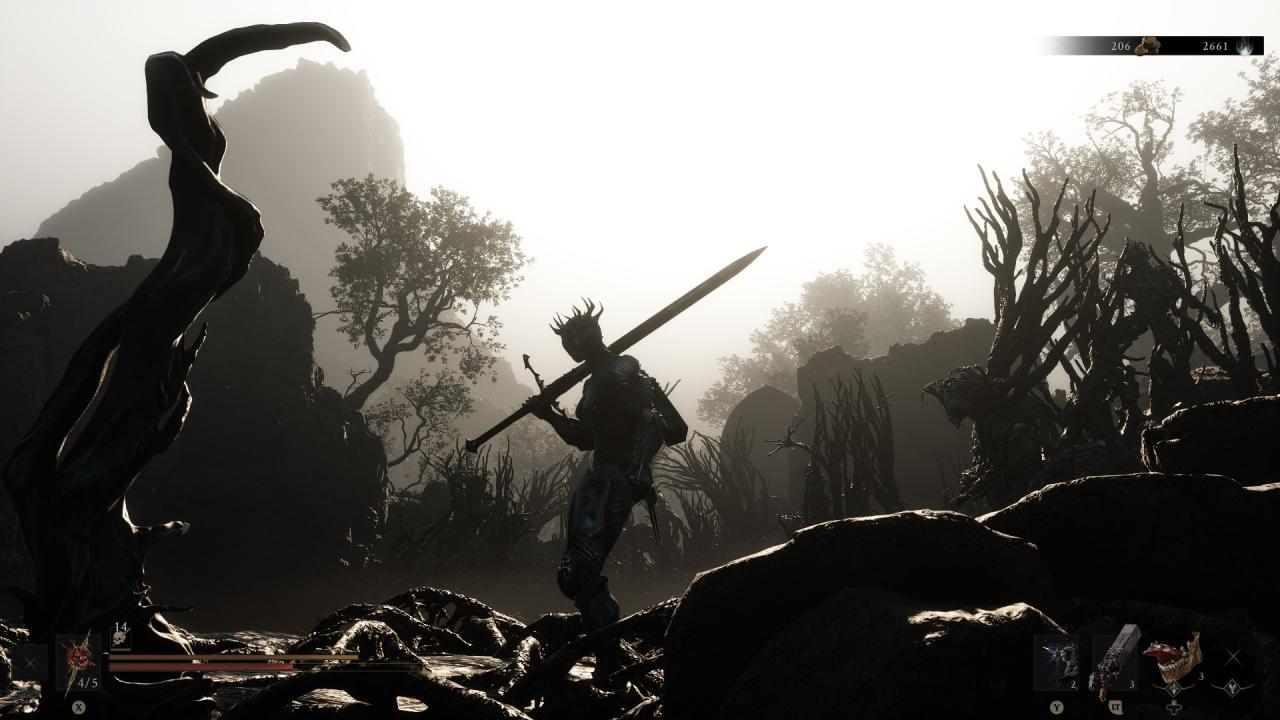
The biggest surprise is how confident the sequel feels.
You still have the expected attacks, dodges, parries, bosses, checkpoints, exploration, and dark fantasy setting, but Cold Symmetry has built enough new systems around them to give Mortal Shell II a personality of its own. The result is not quite one of the genre's all-time greats, but it is a strong and accessible Soulslike that understands what makes its combat and progression enjoyable.
The story opens with a mysterious ship falling out of the sky and crash-landing in a strange kingdom. The inhabitants there begin harvesting the vessel's eggs, hoping to uncover their secrets and use them for their own purposes.
You are one of the eggs that this disease did not affect, and you hatched from it. Now it is your duty to find the remaining eggs and save the future of your race. To survive the journey, you inhabit the shells of long-dead heroes.
The sequel is designed as a standalone story, so you do not need to have played the original to understand the basic premise. Mortal Shell II spreads its storytelling across dialogue, notes, item descriptions, collected eggs, and the memories attached to your shells. Leveling up different shells also lets you uncover pieces of their past, giving you more information about the people whose bodies you use.
There’s lots of lore to dig into, but the story is one of the weaker aspects of the experience. The fractured storytelling fits the Soulslike tradition, but character interactions and lore discoveries can be too brief to draw you in emotionally.
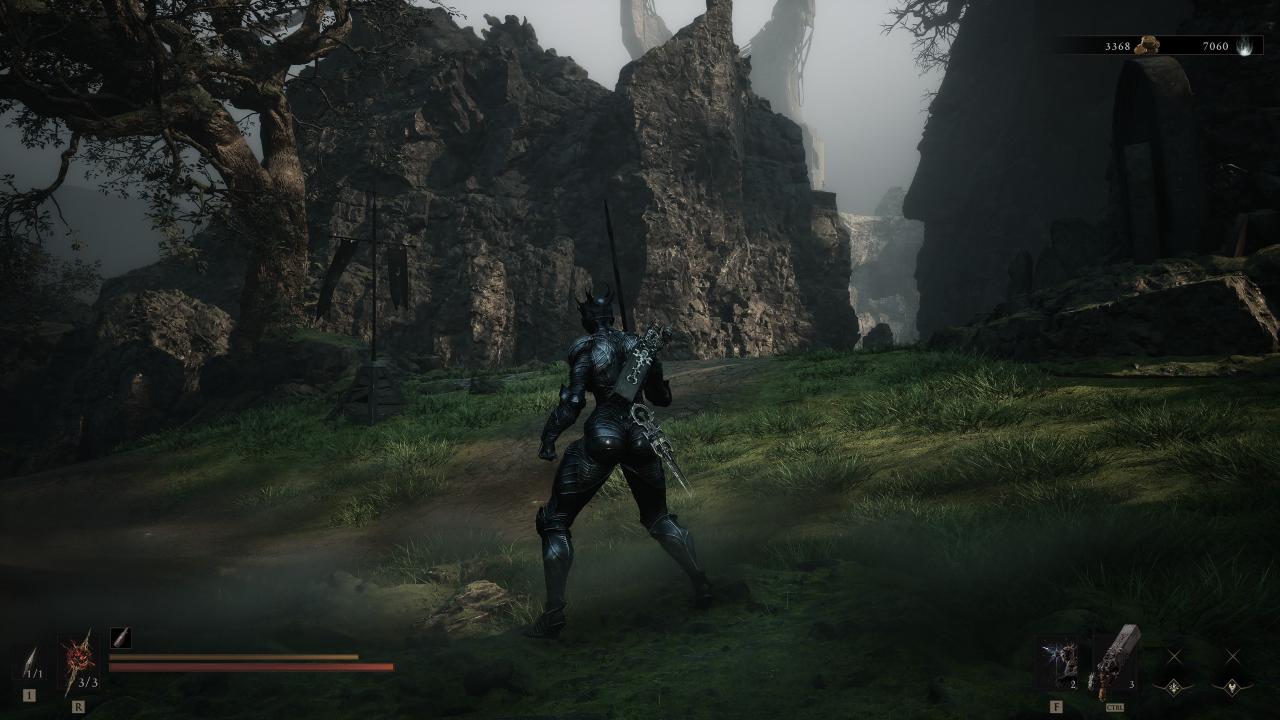
The setup is engaging, and there are memorable characters along the way, including a particularly lovable frog.
But the story lacks enough character development and narrative follow-through to be as compelling as the combat. You get bits and pieces of an intriguing world, but they don't always add up to something that feels particularly meaningful when the credits roll.
Mortal Shell II is about exploring a huge world, fighting enemies, finding new shells and weapons, discovering hidden upgrades, completing dungeons, defeating bosses, and constantly improving your build. You can tackle the bosses in any order, and Mortal Shell II gives you some freedom to explore, though the enemy difficulty suggests a progression of sorts.
The world is divided into several areas rather than being one completely seamless environment. Bridges and warp gates connect these locations, which makes the overall map feel more fragmented and somewhat more linear than you might initially expect.
You can still explore freely, but you do not always experience the same sense of surprise that the best Soulslikes create through areas unexpectedly looping back into one another or revealing large hidden sections.
The dungeons help make exploration more engaging. You can stumble across small caves containing resources and notes, encounter boss arenas, or find puzzle-focused locations that entirely change the pace of your journey. These areas are particularly enjoyable because you never know exactly what you are going to discover, and they give you a reason to investigate corners of the map instead of simply following the most obvious route.
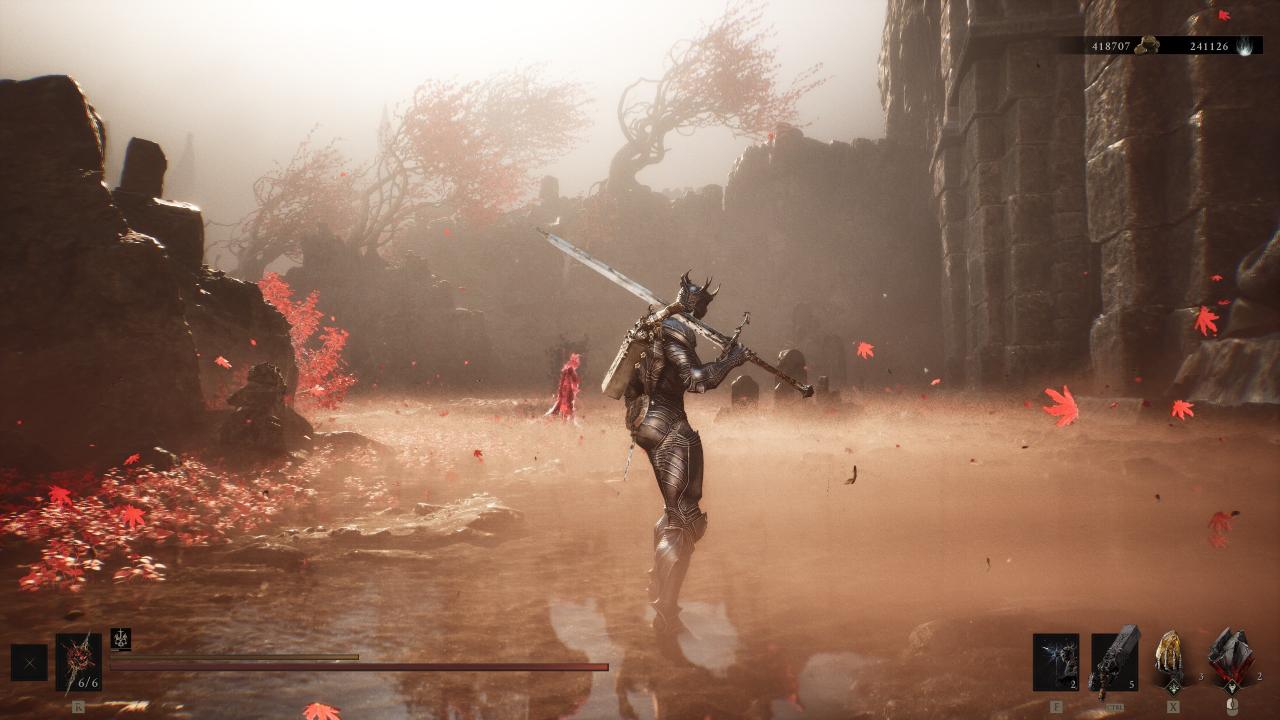
The shell system is central to the game's progression. Each shell functions like a class with its health, abilities, passive effects, and gameplay identity. If your shell is destroyed, you are thrown into your vulnerable natural form. If you die in that state, you return to your last beacon, but surviving and causing enough damage can eventually restore your shell.
There are eight shells to discover, and each encourages a different approach.
You can go for stealth, then go invisible and follow up with a powerful backstab, or you can go for heavy attacks and durability. There are also more unusual options, such as a monk who can briefly stop time. This class-based approach gives you a clearer identity than simply assigning points to a collection of traditional statistics.
The skill trees then allow you to specialize those classes further. Basic level increases happen automatically, rather than allowing you to manually distribute every point among traditional attributes. Instead, you receive points for your shell's skill tree, where you can strengthen particular abilities or create combinations that suit your preferred style.
For example, the assassin can increase the damage and crit potential of its backstab, increase the length of invisibility, or make attacks more powerful the longer you stay hidden. Another choice is to focus on poison, where your backstabs will apply poison stacks that you then consume for extra damage.
Tar stones take that customization even further. You discover them throughout the world, in dungeons, and behind bosses, and they provide additional active abilities and passive effects. Some suggest you use a mix of melee and ranged attacks, while others add elemental effects or change the way your attacks work on enemies.
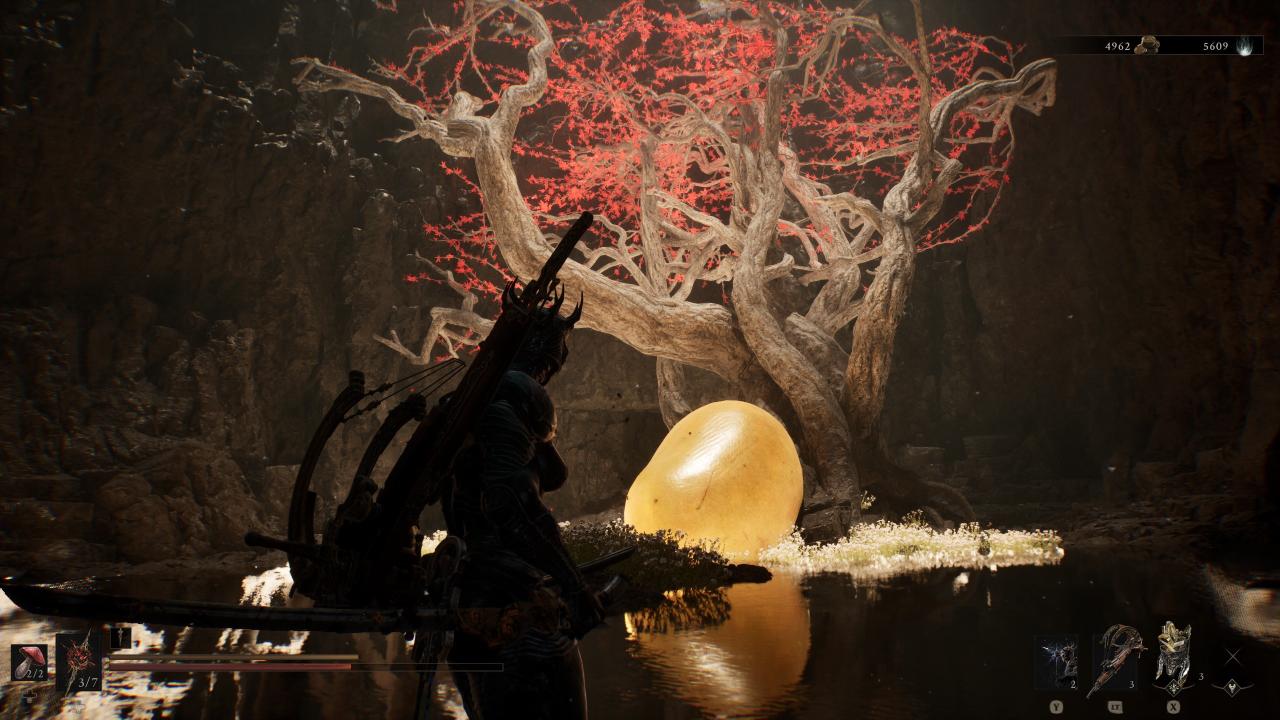
You can equip multiple tar stones at once, allowing you to improve several parts of your character rather than focusing on one narrow aspect of your build. That is important because Mortal Shell II does not give you a giant pile of weapons or armor constantly dropped to chase.
Even the items used for dealing with status effects are handled differently. Rather than relying entirely on limited consumables, some operate through a charge-based system that refills at beacons. They can also provide passive benefits, and collecting more can improve their effectiveness.
Combat is easily the strongest part of Mortal Shell II.
You will know the basics. Melee attacks, dodging, parrying, stagger mechanics, and finishers are all the basis. The animations and sound design give the attacks real weight, while successful parries add to an enemy’s break meter, leaving them open for satisfying finishing moves. Each enemy has its finisher animation, making these moments even more impactful.
The major difference is in how the ranged weapons are woven into the combat loop. Eight secondary ranged weapons are available, including a crossbow and guns like a shotgun and a submachine gun. Ranged weapons and abilities use resolve instead of normal ammo, and you gain resolve by hitting with melee attacks.
The system creates a nice rhythm of moving into melee, dodging and parrying, building resolve, retreating when necessary, then spending that resource on a ranged attack or ability before returning to close combat. You’re forced to use your whole toolkit all the time, not just have ranged attacks as a fallback.
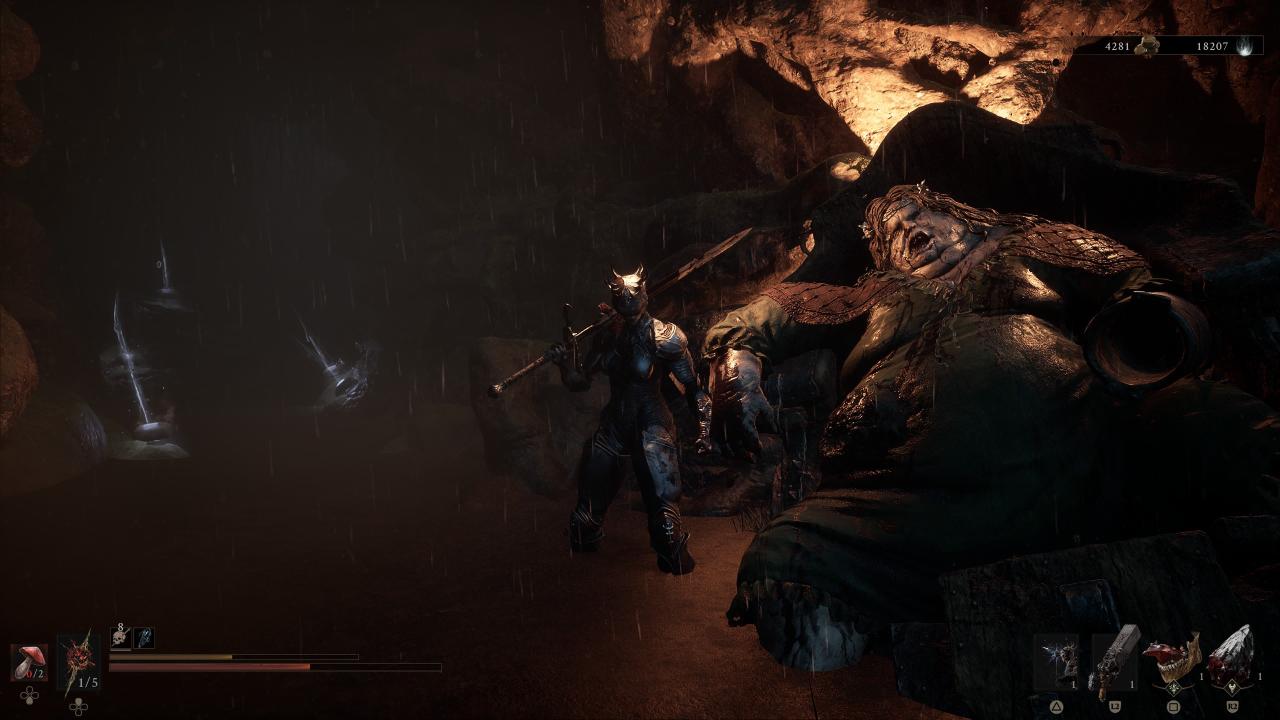
The main problem is that Mortal Shell II can be too lenient at times. There is no stamina bar restricting your dodges; the parry window is generous, and enemies can be staggered fairly easily. Combined with powerful builds, these mechanics make regular encounters manageable. That accessibility is a strength if traditional Soulslikes have always felt too punishing, but it also reduces some of the tension that makes the genre so satisfying.
The issue becomes more obvious with the bosses. Many major bosses have limited and predictable movesets, and it is entirely possible to defeat them in one or two attempts without making significant changes to your build. That means you do not always get the satisfying process of studying an encounter, failing repeatedly, adapting your strategy, and finally earning a victory.
Mortal Shell II does give you control over its difficulty. The Slayer Seal can make combat easier by replacing the traditional parry with a charged attack that deals significant break damage, while also improving ranged break damage and making finishers restore health.
You can also make the game harder through an optional system that increases enemy difficulty, introduces environmental hazards, unlocks additional areas and vendors, and improves rewards.
It is a clever way to change the experience without simply adding a traditional difficulty slider to a menu. However, because it does not fundamentally change enemy movesets, it does not completely solve the problem of bosses feeling too predictable.
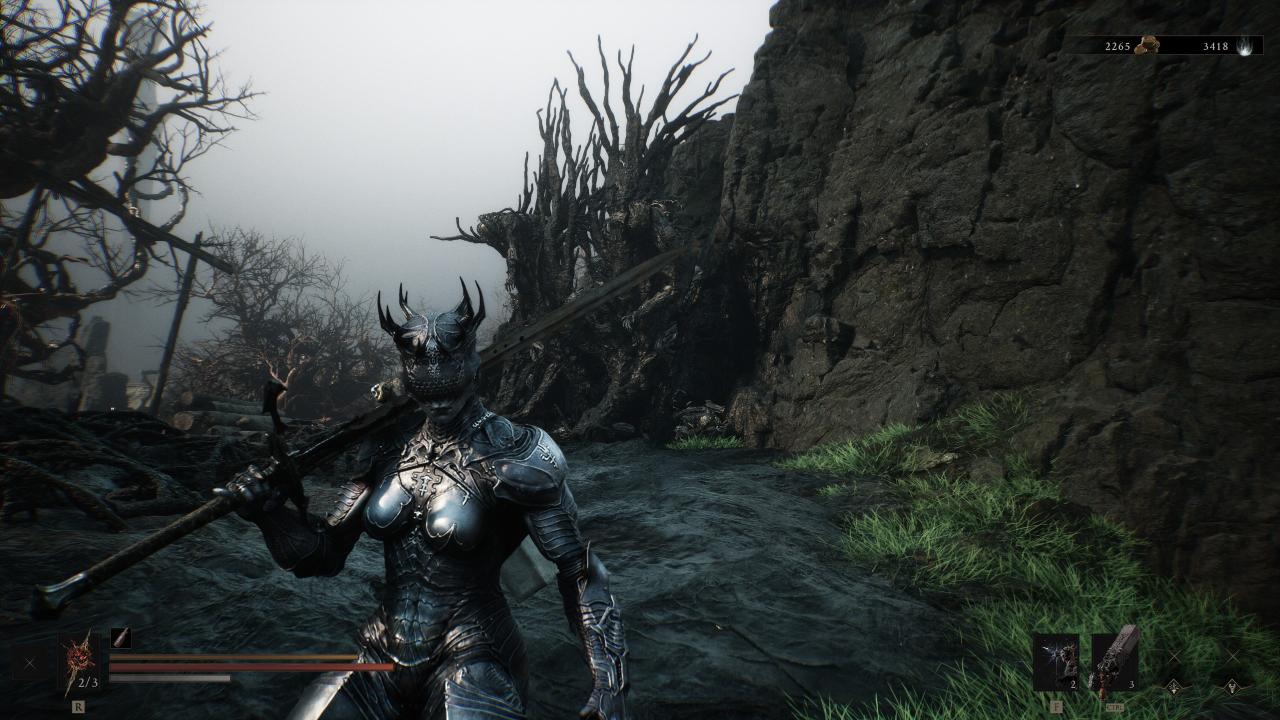
The dungeons provide the game's best puzzle and exploration breaks. Some are simple, while others involve clever spatial tricks, including fake walls and multiple versions of the same room. The puzzles aren’t the main draw, but they do serve a purpose, as they keep Mortal Shell II from being a constant string of battles and provide a different challenge to exploration.
As for progression, Mortal Shell II does not rely on conventional XP grinding in the way many RPGs do. Your progression is more closely tied to leveling shells, unlocking skill-tree improvements, finding tar stones, upgrading equipment, and experimenting with combinations.
That system also encourages exploration. Hidden tar stones, dungeons, shell upgrades, and other discoveries give you reasons to search beyond the main route. Instead of grinding enemies for hours just to gain another level, you can improve your character by finding systems that actually change how your attacks, abilities, and defenses function.
Mortal Shell II looks much more impressive than you might expect from a team of Cold Symmetry's size. The opening sequence immediately establishes a strong visual tone with a corpse-strewn battlefield, detailed armor, meticulously modeled weapons, and a heavy, oppressive atmosphere.
The environments themselves are not always original.
You still encounter ruined castles, dangerous swamps, unusual vegetation, and other familiar dark fantasy locations. What makes them work is the way Cold Symmetry presents them. The lighting, fog, environmental detail, and overall atmosphere give these areas enough personality to be enjoyable even when their basic themes are familiar.
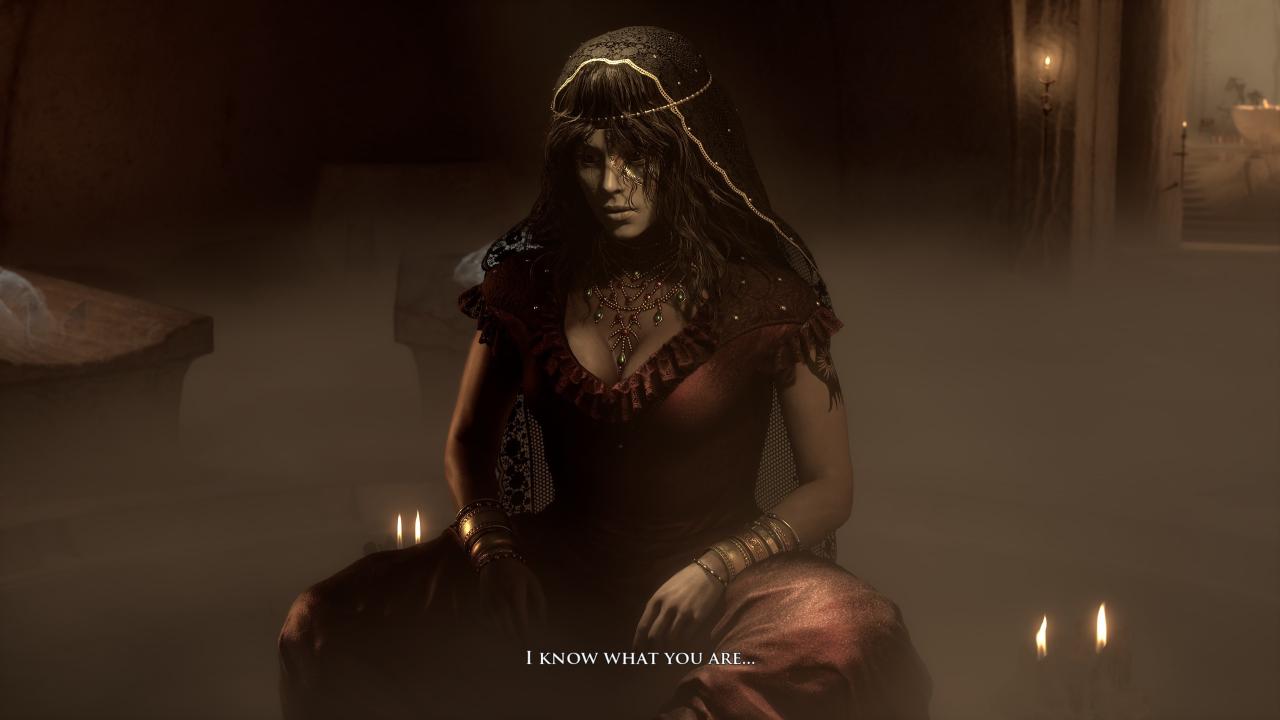
Unreal Engine 5 supports this level of detail, and its technical performance is solid all around. There can still be frame-rate drops in some areas, along with occasional micro-stutters, ghosting, and muddy/distorted lighting effects in some interiors. These are things you can pick up on, but they don’t entirely ruin the experience.
The sound design also plays a big part in making combat feel weighty. Attacks feel impactful, and the audio syncs well with the animations to make parries, hits, and finishers feel more physical. This is particularly important because fighting relies heavily on timing and impact, and the sound helps signal when your attacks land.
Mortal Shell II is not a perfect Soulslike, but it is a confident one. Its story lacks depth; the world can feel more fragmented than the best examples of the genre, and its bosses are often too straightforward to deliver the kind of challenge Soulslike fans expect.
What keeps Mortal Shell II together is everything Cold Symmetry does differently. The shell system gives you recognizable classes without sacrificing customization; skill trees let you specialize those classes, and tar stones provide enough flexibility to make build experimentation genuinely satisfying.
The accessible difficulty is another defining feature.
Mortal Shell II still asks you to learn enemy behavior and improve your timing, but its generous dodges, forgiving parries, powerful builds, and optional difficulty systems mean you have more control over how demanding the experience becomes.
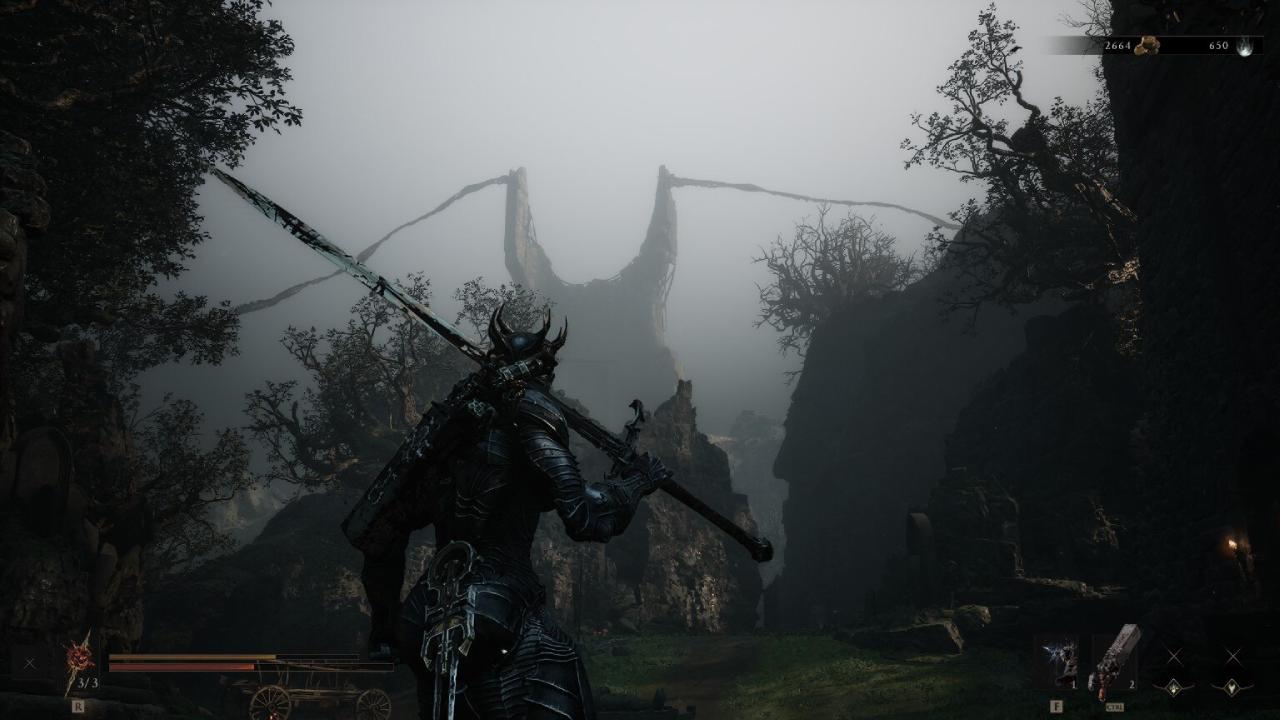
For experienced players, that may make some encounters feel underwhelming, but for anyone who has been kept away from Soulslikes because of their reputation for brutal difficulty, it makes Mortal Shell II considerably more inviting.
The most impressive thing is how much personality the sequel has despite working within one of gaming's most established formulas. Cold Symmetry could have simply made another dark fantasy action RPG with familiar mechanics, but instead, it has built systems that encourage you to experiment and make the combat feel different from its competitors.
Mortal Shell II may not deliver the unforgettable bosses, intricate storytelling, or constantly surprising world design of the genre's best games, but it does not need to. Its combat, character building, atmosphere, and approachable design give it enough of an identity to stand on its own.
Senior Editor, NoobFeed
Verdict
Mortal Shell II is a polished, accessible Soulslike with excellent combat and rewarding buildcraft. It has a weak story, and easy bosses keep it from being great, but its new systems make it stand out.
88
Related News
No Data.