
Ghost of Yōtei: Echoes of Sekigahara Review
PlayStation 5 Pro
A focused return to Ezo that gives Atsu another meaningful chapter while adding a new region, heavier weapons, fresh side content, and a closer look at the past that shaped her.
Reviewed by Adeela Tas on Oct 07, 2026
Ghost of Yōtei: Echoes of Sekigahara arrives as a paid expansion that takes you back into Ezo rather than rebuilding the adventure around Atsu. Sucker Punch Productions keeps the foundation that made the main game work and adds another story, another region, new equipment, and a handful of combat mechanics.
That makes this expansion feel more like a continuation of an established journey than a major reinvention. If you already spent dozens of hours exploring the main game, the return is immediately familiar. It keeps the same emphasis on atmosphere, exploration, sword fights, side activities, and environmental storytelling.
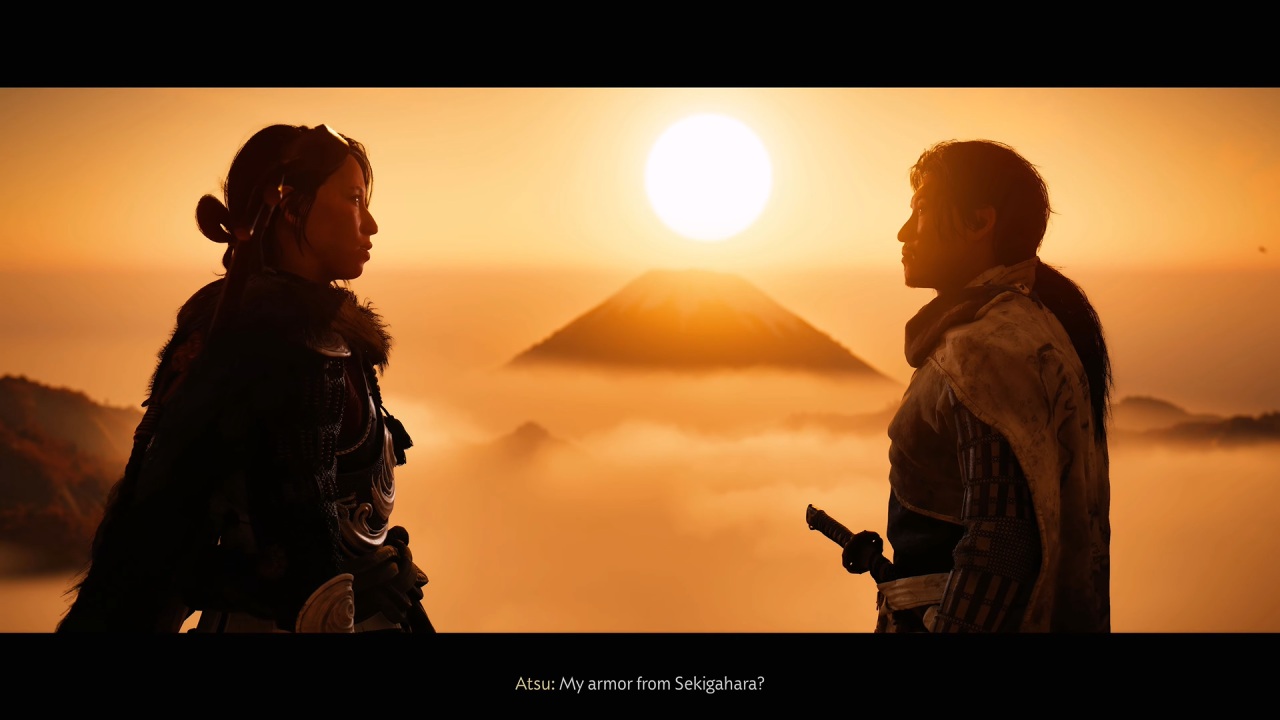
The difference is that you now have the Ashoro Foothills to explore, along with a story that digs further into Atsu's life before she became the onryō seen throughout the main campaign. The expansion becomes available after you progress far enough through the main story.
Once you reach the required point, a new bounty sends you toward the Ashoro Foothills in eastern Ezo.
There, Atsu faces the Vipers, a group of former samurai, bandits, thieves, and mercenaries who once followed the Snake. The Snake was one of the Yōtei Six, and Atsu already killed him during Ghost of Yōtei. However, his death hasn't brought the peace you might expect. The Vipers are stuck fighting each other for control, with different members trying to take the spot the Snake left behind.
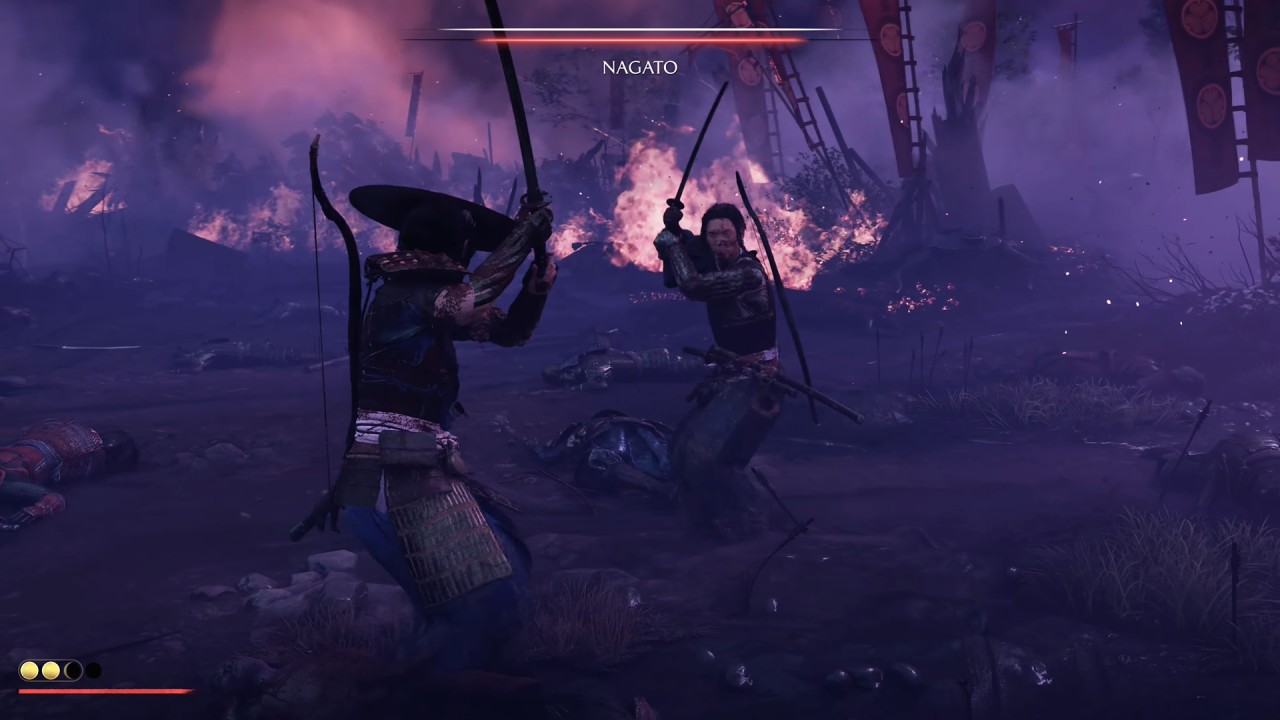
Their struggle has spilled over into the local population, giving Atsu another problem to solve as she pursues her new bounty. That bounty introduces Nagato the Handsome, an old companion from Atsu's past. The two fought together during the Battle of Sekigahara, but their relationship has since deteriorated considerably. Atsu needs information about Lord Saitō's war funds, while Nagato has his own reasons for targeting the Vipers.
Their reluctant partnership becomes the expansion's central thread. Ghost of Yōtei: Echoes of Sekigahara uses this relationship to show you a side of Atsu. Her identity is usually tied to revenge, violence, and the transformation that followed the destruction of her family. Here, you get more of her history and a clearer look at who she was before she became the hardened bounty hunter you know.
Nagato also brings a different energy to the story. His charm and questionable sense of honor contrast with Atsu's more guarded personality, and their conversations let her behave differently than she usually does. The story doesn't treat their past as a simple romance subplot either. Mistakes, resentment, and the fallout from their choices all still matter when they meet again.
It bounces between the present and memories of Sekigahara, filling in their shared history bit by bit.
Those flashbacks are the emotional core of Ghost of Yōtei: Echoes of Sekigahara, especially as you watch their relationship grow and eventually fall apart. The Battle of Sekigahara itself becomes a real part of Atsu's past, not just a name she once mentioned.
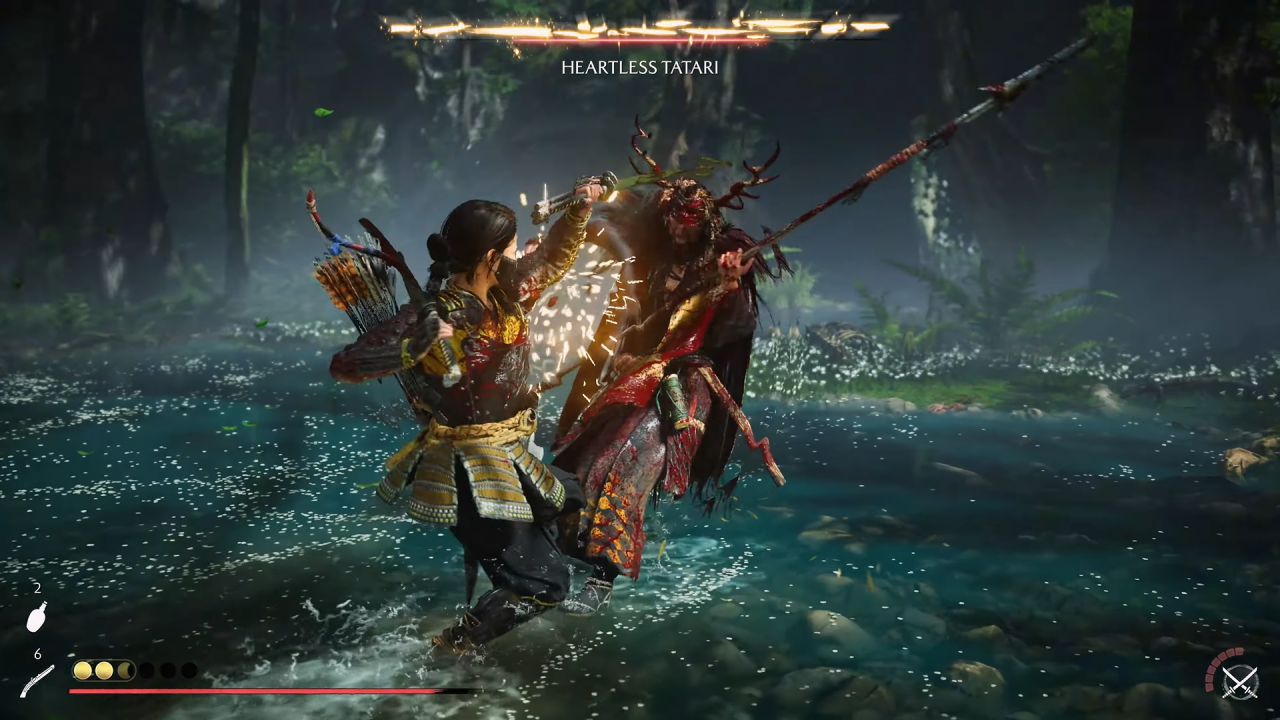
It's a simple setup. You chase leads from camp to settlement to bounty, and the main story kicks in once you've worked through them. At times, the investigation feels like tracking clues and uncovering what is happening in the region. Before long, however, those investigations can turn into larger battles.
Ghost of Yōtei: Echoes of Sekigahara does not deliver a completely unpredictable narrative. Some developments are telegraphed, and the overall story isn't especially interested in shocking you. Its strength comes more from the characters and the additional context it gives Atsu. The expansion also avoids dragging its story out unnecessarily, with the main narrative taking roughly five hours if you stick closely to its core missions.
The Ashoro Foothills themselves can take considerably longer to clear. The region is smaller than the main game's major areas, comparable in size to the Oshima Coast, but densely packed with things to discover. You can do familiar activities like Bamboo Strikes, Altars of Reflection, Gambling Dens, and Hot Springs, while also taking on new quests, bounties, enemy camps, and settlements.
Exploration remains one of the biggest reasons to spend extra time in the region.
As you help the local population and push back against the Vipers, the area gradually changes. The hot springs settlement starts to feel more alive as more people arrive, vendors appear, and wildlife and vegetation return. Your activities therefore have a visible effect on the location, rather than only rewarding you with equipment or experience.
That structure also makes the side content easy to fall into. You can leave one objective, intending to head directly to another, only to get distracted by a nearby quest or activity. The expansion continues using the clue-based discovery systems found throughout the main adventure, allowing smaller stories to build the setting without constantly pulling you away from the larger conflict.
One storyline involving Atsu's wolf leads into a series of rituals surrounding a cruel mercenary, while other encounters deal more directly with the people suffering under the Vipers. Animal welfare also becomes a noticeable theme in the expansion. You spend more time around Atsu's wolf and the extinct makami, while several side stories put animals at the center of their narratives.
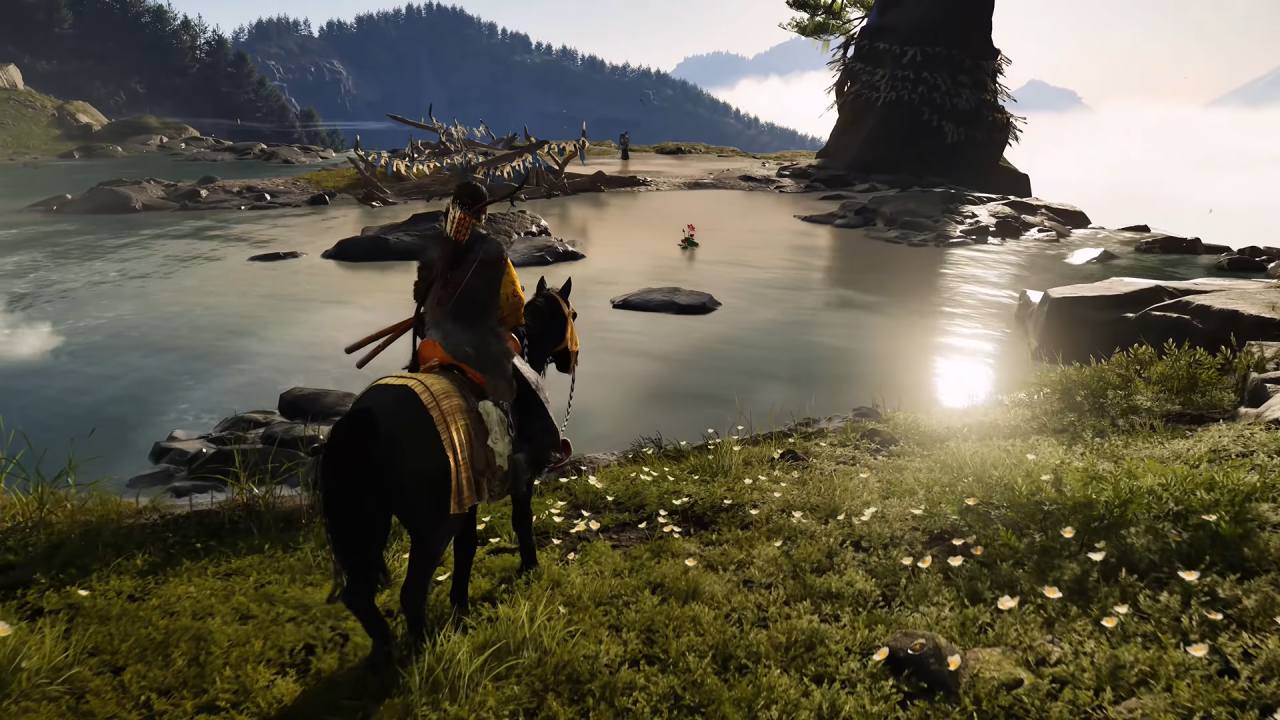
Ghost of Yōtei: Echoes of Sekigahara keeps the world itself feeling like an important part of the adventure. The Ashoro Foothills give you barren stretches of land, forests, caves, abandoned settlements, mountain paths, and open fields. The scenery can pull you away from the objective simply because there is so much to look at. The expansion does not require an entirely new visual identity, as the existing one remains one of its strongest qualities.
Atsu's character model continues to receive the most attention, and the new armor sets complement her especially well.
You get additional armor, dyes, sword kits, charms, and other cosmetics through exploration, merchants, and side quests. The new transmog system also gives you more control over Atsu's appearance, letting you keep one armor set's abilities while using another's look.
As a result, the equipment rewards are more useful than simple collectibles. Some new armor pieces offer unique abilities, while the additional dyes give older equipment a different look. Special black-and-white dyes are particularly striking, and mixing appearance and function makes it easier to build a look without sacrificing the bonuses you want.
The most noticeable mechanical addition is the Heavy Weapon system. You can find oversized weapons such as warhammers and oni clubs in enemy camps, settlements, and towns, then pick them up and use them against your opponents. Their hits hit much harder than your standard weapons, and they work especially well against armored brutes.
Ghost of Yōtei: Echoes of Sekigahara makes them especially handy, since heavily armored enemies can take forever to put down with regular attacks. Heavy Weapons can't be blocked, so they let you punch through that protection more quickly. They also have their own skill progression, which lets you make them last longer and unlock extra attacks. The catch is that they never become a permanent part of your arsenal.
You cannot keep a favorite hammer or club equipped between encounters, and they eventually break after several attacks or after using a Spirit Attack. Once that happens, you have to find another one in the environment. That limitation makes Heavy Weapons feel like a missed opportunity. They feel good to use, and their weight gives combat a different physical punch, but they never quite reach the status of a full weapon category.
A permanent weapon system with deeper upgrades and customization could have made this addition mean a lot more.
The rest of the combat feels familiar. You still need the right weapon for each enemy type, and parries, dodges, tools, and positioning still matter. Enemy aggression can be high in the new region, and attacking at the wrong time can quickly cost you a large portion of your health.
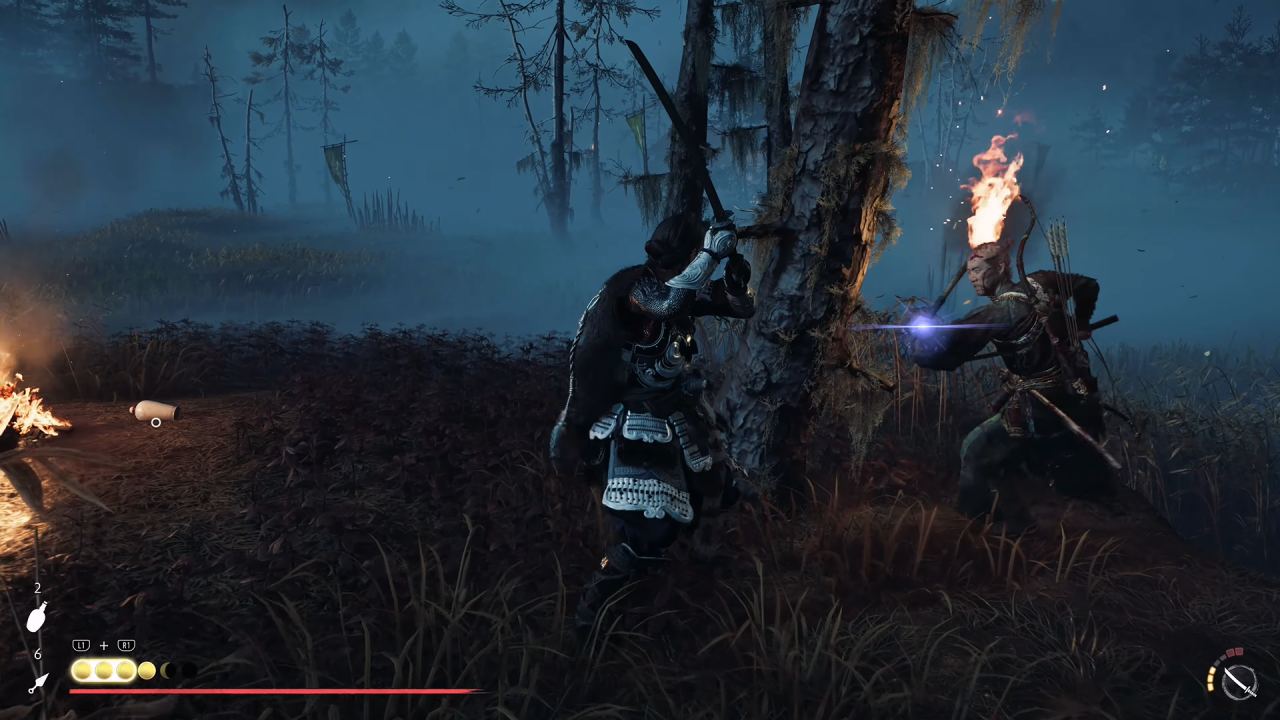
Viper Arrows add another layer of pressure. When one hits Atsu, it can remain lodged in her body and prevent her from gaining Spirit. You have to pull the arrow out before relying on Spirit-based abilities, but the process leaves you exposed. Dodging until you find an opening therefore becomes part of the fight, and a new ability also lets you catch incoming arrows and throw them back.
Ghost of Yōtei: Echoes of Sekigahara also introduces bolas, or Japanese surujin, which you can collect from weapon racks in settlements. You can use them to trap enemies and break their stance, creating an opportunity for a quick execution. Enemies can use the same mechanic against you, making larger battles more unpredictable when they start throwing bolas alongside Viper Arrows.
The general difficulty remains close to the main game, although enemies in the Ashoro Foothills can hit surprisingly hard. Even with upgraded equipment, mistakes can cost you quickly. Ghost of Yōtei: Echoes of Sekigahara also includes an optional boss with a more advanced moveset and attacks capable of defeating Atsu in one or two hits.
These encounters give experienced players something more demanding without completely changing the combat formula.
Many encounters continue to revolve around entering an outpost, storehouse, settlement, or similar location and choosing between direct combat and stealth. The new mechanics add variety, but they don't fundamentally change how these areas are designed. Stealth receives even less attention. Ghost of Yōtei: Echoes of Sekigahara does not introduce a major new stealth system, and hiding spots remain largely familiar.
An alarm mechanic appears very late and never becomes a significant part of the overall experience. If you want the expansion to overhaul stealth alongside combat, little here changes your approach. The addition of special recipes gives exploration another reason to continue. These meals provide specific temporary buffs, giving you more control than standard cooking, where the effects are less predictable.
You have to find the recipes around the region, and Viper Rations become the main ingredient you need to prepare them. Viper Rations also help upgrade the new armor sets, making them an important resource rather than something you collect without a purpose. You can find them around enemy settlements and towns, so clearing areas and exploring the region naturally feeds into your progression.
Progression throughout Ghost of Yōtei: Echoes of Sekigahara remains rewarding without introducing an entirely separate character system. Side quests and exploration can provide skill points, cosmetics, armor, dyes, and other equipment. That means even smaller activities tend to offer something useful, particularly when you are trying to complete everything in the region.
The visual presentation remains excellent.
The expansion keeps the same detailed environments and cinematic presentation as Ghost of Yōtei, while the Ashoro Foothills add another set of landscapes to explore. An optional QSSR update can also sharpen visuals through AI upscaling, and several graphics options let you choose between resolution and frame rate.
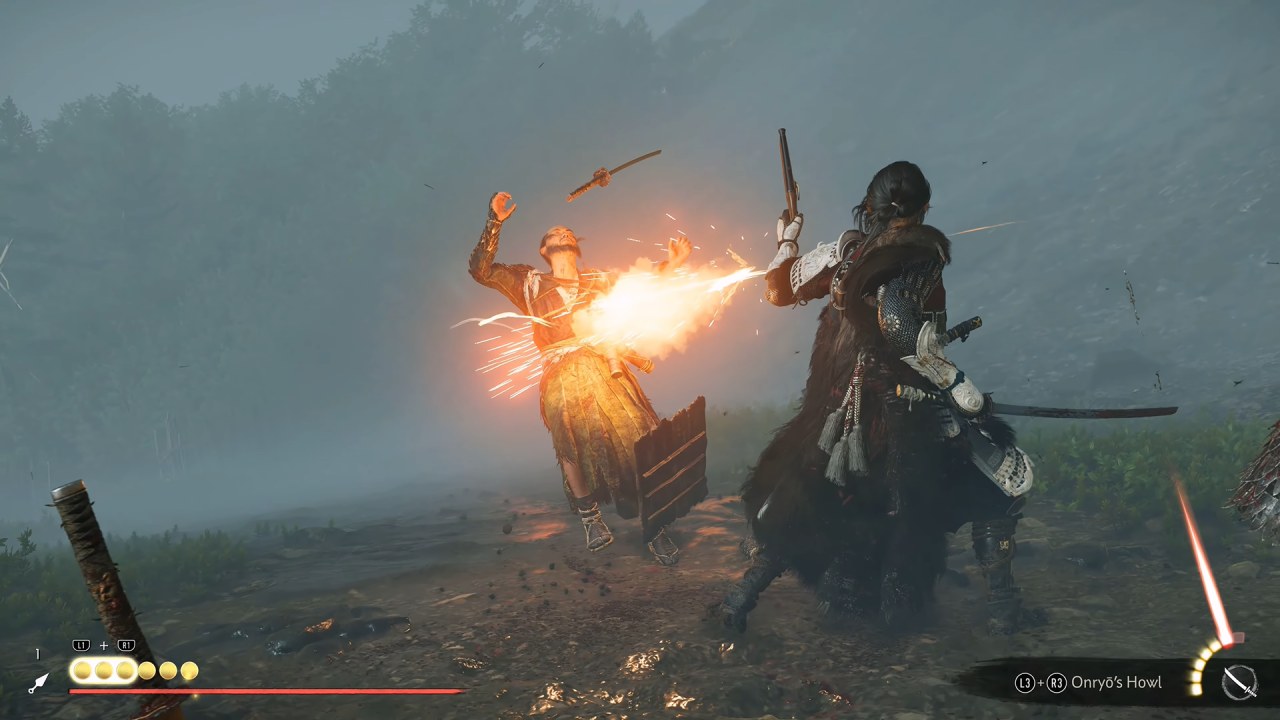
The standard PS5 handles it well, especially in Performance Mode, which keeps you near 60 fps as you explore. Big fights with fire, explosions, and tons of effects can cause some noticeable dips, but they don't happen often. Overall, it runs steadily, and you can finish a playthrough without major technical trouble.
The sound design continues to do a good job of selling the world. Wind, wildlife, and other natural noises make the quiet stretches feel alive, while combat gets heavier audio to match the fights' intensity. The new music introduces taiko drums and shamisen, and it sounds right at home in the setting, as if it belongs with the rest of the soundtrack.
The voice acting holds up too. Nagato's character leans hard on the chemistry between him and Atsu, and the performances give their conversations enough tension and warmth to make their history feel real. The English cast conveys the emotions clearly, and the Japanese dialogue can make it even more immersive if you prefer that.
In the end, Ghost of Yōtei: Echoes of Sekigahara is at its best when it stays focused on Atsu, Nagato, and the Ashoro Foothills.
The expansion gives you a new corner of Ezo to explore and ties the current conflict to a stretch of Atsu's life we'd barely seen before. It also gives killing the Snake more weight by showing how his absence affected the people around him.
The Complete Edition also includes the separate Most Wanted combat mode and the Beauty of Yōtei feature, but neither is necessary to judge this expansion on its own. The new roguelite mode adds combat content, while Beauty of Yōtei showcases the world visually. The main expansion remains focused on its own story, exploration, and gameplay additions.
The full expansion can take about ten to eleven hours if you pursue its broader content, while the main story takes about five hours. That makes the Ashoro Foothills compact compared with the largest areas of the main adventure, but the density of activities prevents the region from feeling empty.
Ghost of Yōtei: Echoes of Sekigahara doesn't try to reinvent its combat or exploration, and that can be both its greatest strength and its clearest weakness. You get more of a formula that already works. Heavy Weapons are fun but temporary; stealth remains largely untouched, and the enemy variety could have been stronger.
The expansion gives you enough new material to justify another trip through Ezo.
The story adds useful context to Atsu, Nagato provides a compelling new relationship, the Ashoro Foothills respond to your progress, and the additional equipment gives you plenty of reasons to explore beyond the main path. For that reason, Ghost of Yōtei: Echoes of Sekigahara works best when approached as an extension rather than a reinvention.
You get another focused chapter in Atsu's life, another beautiful region to explore, and enough new mechanics to keep familiar combat from feeling completely unchanged. It plays safely, but it understands what makes the world worth returning to. Ghost of Yōtei: Echoes of Sekigahara gives you a meaningful reason to pick up the controller again.
Its strongest additions are the story, environmental progression, new equipment, and heavy weapons, while its weakest points are the limited stealth changes and familiar encounter structure. Those flaws keep it from being a big leap forward, but they don't drag down the overall experience.
Ghost of Yōtei: Echoes of Sekigahara gives you what a good expansion should: more time in a world worth returning to, a story that adds something to its hero, and enough new stuff that coming back feels like it has a point. It doesn't forge a brand-new blade, but the one it hands you is still sharp enough to make another trip through Ezo worth it.
Editor, NoobFeed
Verdict
A strong expansion with a story worth following, a gorgeous new region, rewarding side content, and combat additions that feel good to use. It plays it safe, but Atsu's past gives this return to Ezo enough purpose to be worth your time.
88
Related News
No Data.