
ChromaGun 2: Dye Hard Review
Nintendo Switch 2
A Colorful Multiverse That Finally Finds Its Formula
Reviewed by Nami Tanaka on Feb 12, 2026
Around ten years ago, in 2016, the first ChromaGun game came out. Now, Pixel Maniacs is back with a follow-up that feels both self-aware and ready to make changes. When the first Portal game came out, there were already many games like it. Fans of Valve's old game liked its clean test rooms, sarcastic business undertones, and physics-based puzzles.
The first game had cool color-mixing features, but it was very hard at times; fixing mistakes was hard, and the story wasn't very deep. With ChromaGun 2: Dye Hard, the company returns to its original idea, but this time, they know who they are better and have more experience. This sequel doesn't just make the first one better; it turns the model into a journey across multiple universes.
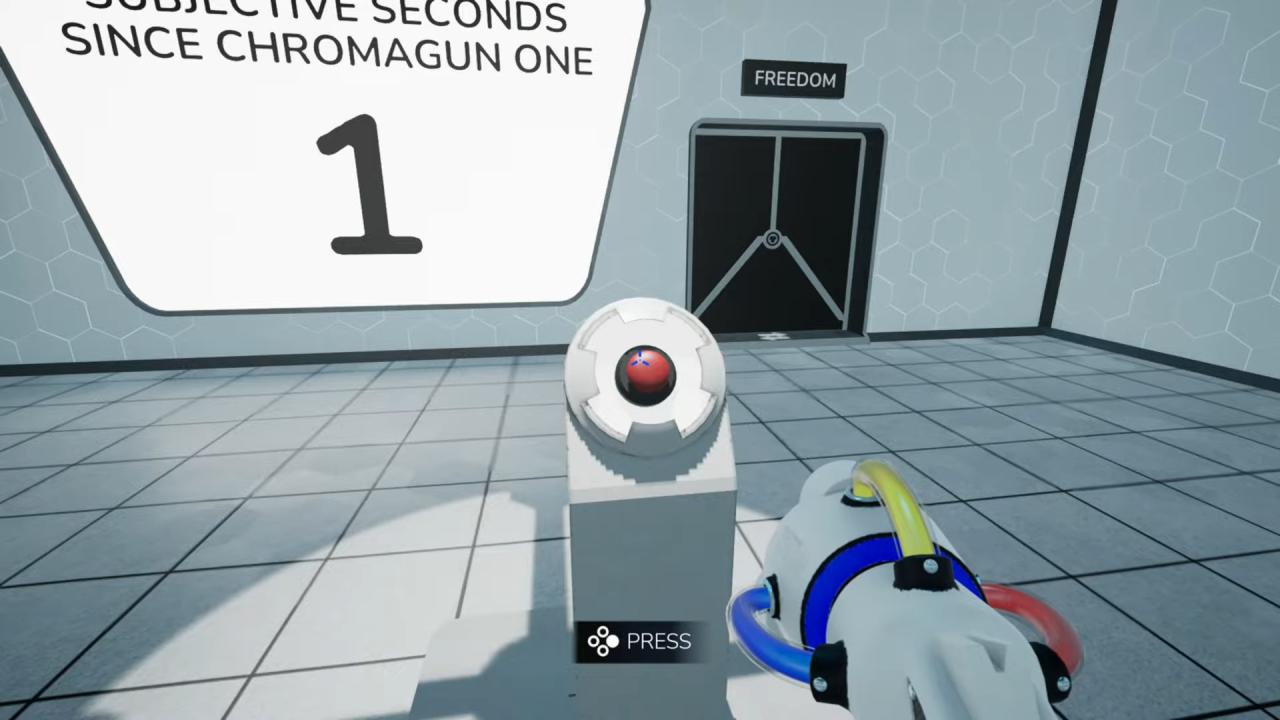
A lot of things that can move are pulled to surfaces that are the same color.
It tries to be different from the first one while keeping what made the idea interesting. Right away, the idea seems like a bigger goal. You are once again in charge of the color gun. This is a machine that can paint surfaces and items with different colors and automatically paint certain things the colors that go with them. But this time, you don't have to stay in one clean room.
As the game goes on, it takes you to different worlds, each with its own look and personality, thanks to holes in time and space. The story is also more present. ChromaGun 2: Dye Hard doesn't just make fun of companies in the background; it also adds voices from other worlds to make your testing journey more interesting and full.
There are still parts that are like the test chamber, but this one makes you care more about what's behind the puzzle room door. The main ideas behind the game are magnetic pull and changing colors. You can paint things red, blue, or yellow with the chroma gun. You can mix these main colors to make other colors, like orange, purple, and green.
You can then move them to activate switches, get past obstacles, or use them as moving platforms. The best new thing about the sequel is that you can use black paint to get rid of colors or make places neutral. Because of this small change, things are now different. In the first game, you might have to start over in a whole room if you put one color in the wrong spot.
You now have more freedom to try new things.
When you make a mistake, you learn from it instead of being punished. This leads to more creative findings instead of careful perfection. Puzzles in ChromaGun 2: Dye Hard are better put together and move faster. They also know how to make things harder. The early rooms make it clear how the game's features work and how they build on one another in a way that makes sense.
For starters, you could learn how to move a single bot toward a drawn wall. Later, you are in charge of several droids and must mix colors effectively while planning ahead and avoiding environmental risks. The idea of a "multiverse" means that the world can change in small ways that change how you do each job. You can tell one room from another by its glass floors, hanging platforms, skewed gravity effects, and themed set dressing.
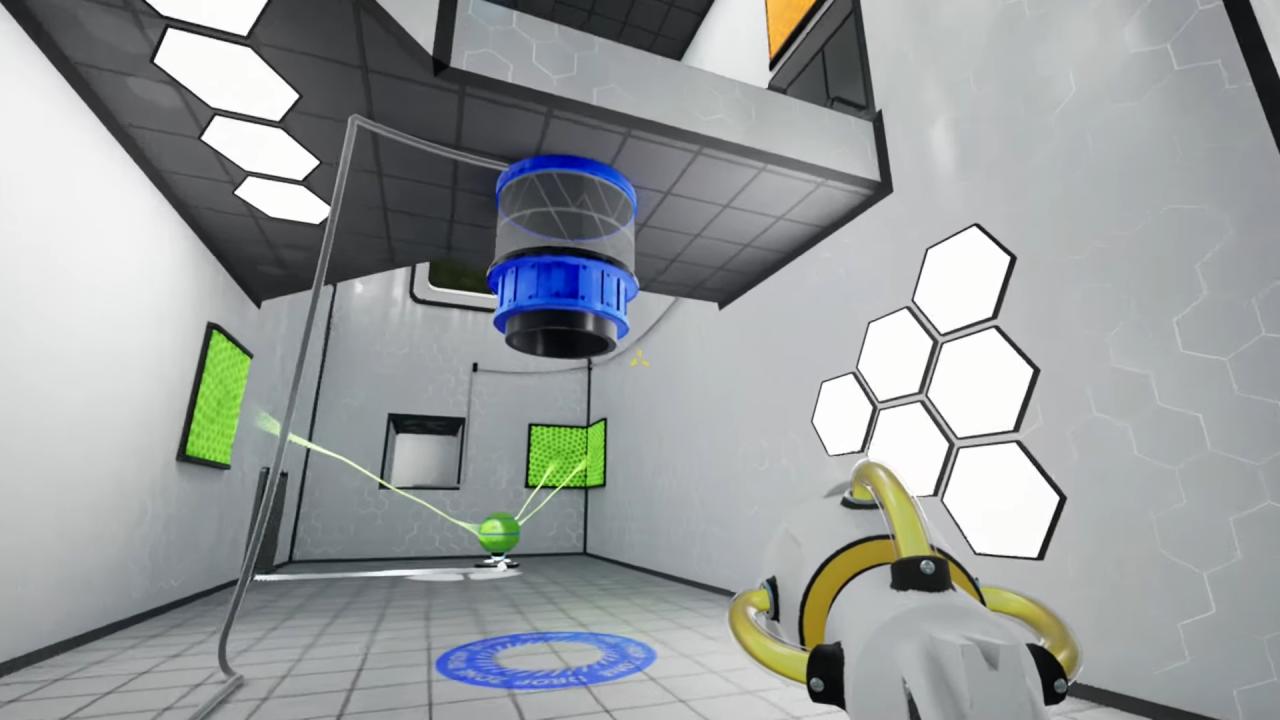
Simple puzzle reasoning is used to build the game.
The way the puzzles are set up makes sure you don't feel like you're always solving the same problem. But not every tune is perfect. When new features are added to tutorials without much description, they feel like they need more work. Like, the idea of black paint and color rejection might not make sense to you at first, especially if you need to know how to use it right.
It works out in the end, but the game doesn't always give you enough help because it thinks you'll figure it out on your own. It's important to be clear when you make problems. It can be more frustrating than rewarding when people get confused because of bad teaching, and not because the teacher is trying to be hard to understand.
The good news is that these times don't happen very often and are usually smoothed out by the color-removal system's extra freedom. The bad guys' droids are back, and they can be both helpful and dangerous. Before, their unpredictable anger made places feel harder than they really were in earlier games in the series. Here, they make more sense given how the puzzle is put together.
There are droids that move in expected ways and droids that awaken when they feel threatened.
Many of them do more than just scare you. You need to be careful where you put them so they don't get too crowded and so you can use their actions to figure out how the room works. It's better to be aware of your surroundings and plan your space at the same time, but sometimes the push to move can feel stronger than the puzzle requires.
ChromaGun 2: Dye Hard is distinct from many other new puzzle games because it doesn't use grinding or experience points. The steps go up in a straight line depending on how excellent you are. You don't get stat increases or modifications; you merely solve chambers to go on. This technique preserves the focus on teaching and pushing people to think. Increasing the number of people does not make the game harder than it really is.
As you improve your skills and use them more effectively, you will grow. This choice makes the game feel even more real. To get better, don't keep doing the same thing over and over again. Instead, watch what other people do and try new things. In this way, not having to grind XP is a plus. It cares about your time and lets you master systems more than it does about automatic progress loops.
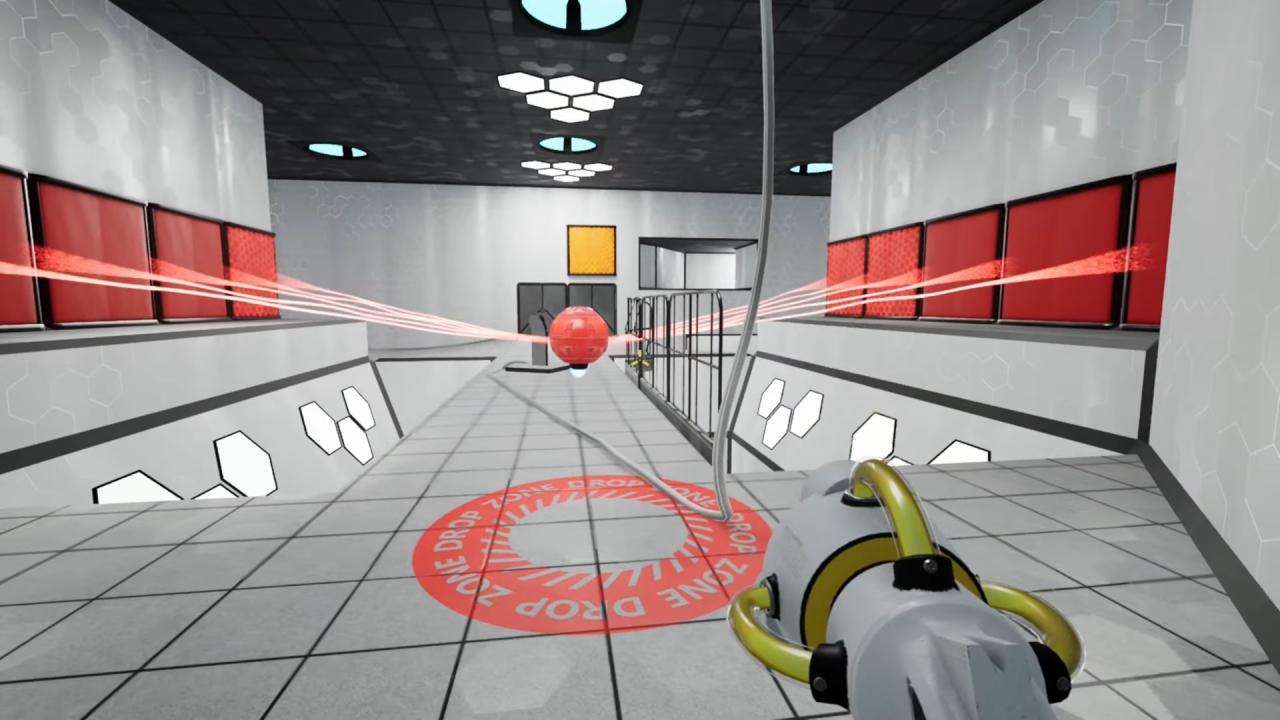
The graphics in the second game are definitely better than those in the first. A lot of the first one was based on plain white test tubes. They did their job, but they didn't always have a face. ChromaGun 2: Dye Hard keeps the clean look that's needed for clarity, but it also adds a lot more variety and stories about the world around you.
Soft lighting effects make the fragmented proportions sparkle.
It looks nice how the painting surfaces interact with the surrounding lights. The colors and textures are brighter and more defined. And it's clear when colors mix or cancel each other out. The chroma gun itself feels better put together. Most of the time, performance is steady, but depending on your hardware, there may be short jumps every once in a while.
The change to the graphics makes the game more fun to play without making the puzzles harder to solve. The music works well with the pictures. It's easy to be serious and have fun at the same time with ambient music. One sound that makes encounters stronger is the magnetic hum of a droid being pulled toward a surface.
Another sound is the soft splatter of paint hitting a wall. Voice acting turns stories into something more interesting. The writing doesn't try to be exactly like its inspirations; instead, it embraces its own quirks. You might find funny and cute parts that feel more like the original and less like copies than in the copy. I like how the sound design doesn't take over the experience. Instead, it makes you feel more tense and interested.
The thing that makes ChromaGun 2: Dye Hard stand out is that it really gets its idea across. The multiverse angle gives writers more freedom with chamber themes. It adds strange elements that fit well with the show's origins in a lab. The game doesn't try to hide the fact that it takes place in just one business testing center; it knows it could be a story and goes beyond that.
People don't get tired of looking at this bigger picture.
To me, each new layer feels like a chance to get a new perspective on the game's main ideas. Things change enough to keep you interested, even though the rules don't change. It's still not as good as the other games, though. If you think of it as an alternative to Portal, you might miss out on its own benefits.
It has problems that are more about putting things together than about finding contradictions. You don't change the place itself; instead, you direct things by lining them up on purpose. You can enjoy what a game does well instead of comparing it to something else if you know the difference between these two types of games.
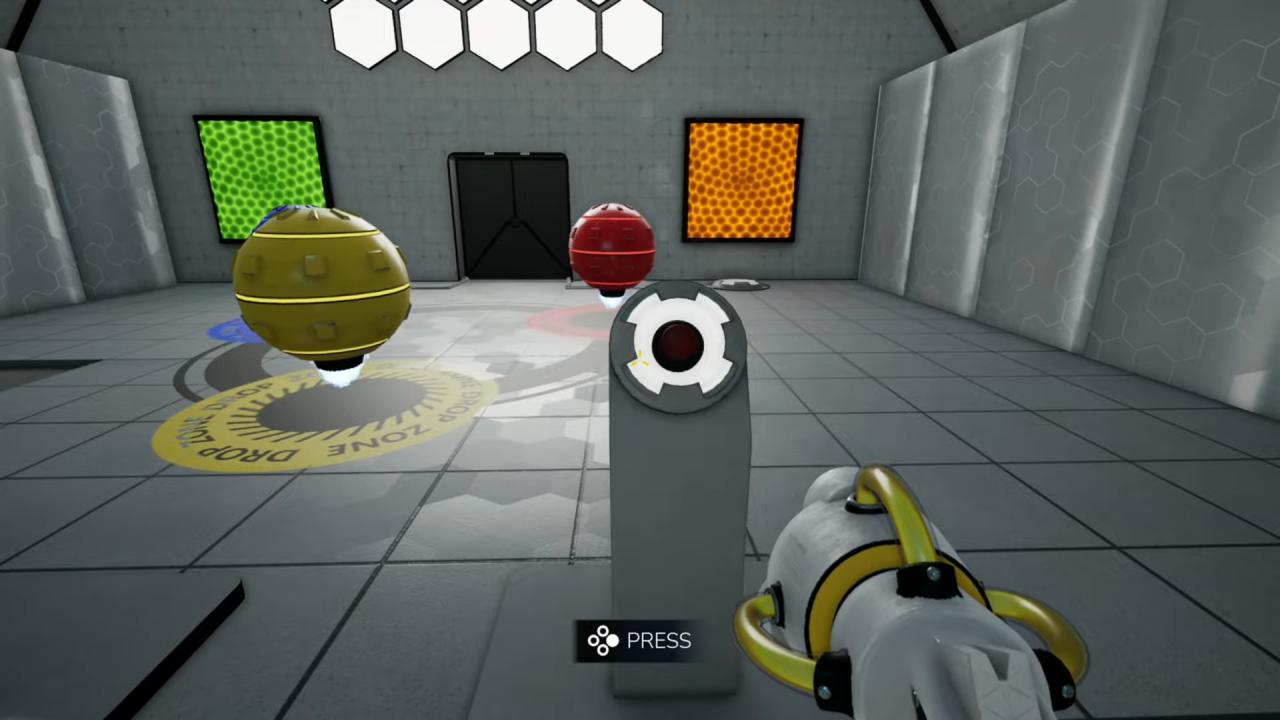
There are times when rooms have extra things that make it hard to see. When decorative items and objects that can be interacted with look the same, it can be confusing for a short time. It would be even clearer if you used tighter environmental terms. The good news is that these issues rarely ruin the whole experience.
Crazy real-space physics aren't what ChromaGun 2: Dye Hard is about; it's about color logic and moving magnets around.
You really feel like you've accomplished something when the puzzle pieces line up perfectly with the pictures. When you carefully balance color combinations and where the droids are put to solve a multi-step chamber, it doesn't feel like a mistake. In the end, ChromaGun 2: Dye Hard is a big step up from the first game.
To fix the major issues, it adds better quality-of-life features, improves the story, and adds more visual variety. It's not perfect, but it shows that you've grown and gained confidence. You can try new things, talk to more people, and see more places now that you have more freedom. The puzzle game feels easier, more forgiving, and more daring when you're done.
People who like hard logic puzzles set in a bright, sometimes silly sci-fi world will probably enjoy this second game. Even though the style doesn't change much, it gets better at being itself, which helps it fit in better. Dye Hard in ChromaGun 2 doesn't just copy; it gets better, changes, and moves forward. That makes a thought that was kind of the same into something stronger and different.
Moderator, NoobFeed
Verdict
ChromaGun 2: Dye Hard refines its color-based puzzles with smarter design and stronger identity. If you enjoy creative logic challenges and light narrative charm, you should absolutely try it. It is confident, polished, and worth your time.
67
Related News
No Data.