
DRAGON QUEST VII Reimagined Review
Nintendo Switch 2
A slow burn reverent reconstruction, where lost worlds, deliberate design, and timeless role playing values prove that patience is still the most powerful mechanic of all.
Reviewed by Zahra Morshed on Feb 03, 2026
Thoughtful changes have been made to Dragon Quest VII Reimagined, which is one of the biggest games in the long-running Dragon Quest series. The seventh installment, which came out in 2000, stood out because of its slow pace and huge story span.
The fact that Square Enix is bringing the game back to life is part of a larger attempt to update classic role-playing games without changing what makes them special. Dragon Quest VII Reimagined tries to bring together different generations by improving organization while still paying homage to the original.

Since the beginning of the series, Dragon Quest games have been noted for their consistency more than their novelty.
Through the use of familiarity, the series established trust. Developer Yuji Horii was in charge of it, Akira Toriyama was responsible for the character designs, and Koichi Sugiyama was in charge of the soundtrack. This manner of thinking is carried over into Dragon Quest VII Reimagined, which places an emphasis on clarity, accessibility, and technical refinement rather than a significant revamp. In place of a daring new idea, the outcome is a thorough repair of the existing one.
The story of Dragon Quest VII Reimagined starts in a world that seems to be made up of just one island. This weak understanding falls apart when old ruins show pieces of lost lands that have been spread out over time. You follow a quiet main character and her friends, Maribel and Ruff, as they bring these islands back to life.
Each restored land has its own stories that look at how people can bounce back from bad situations, moral conflict, and the fall of societies. The game doesn't have a single villain-driven story; rather, it has a mix of tragedies and triumphs. On some islands, communities are destroyed by greed, on others by fear, and still others by blind loyalty.
Dragon Quest VII Reimagined tells stories in short episodes that focus on consequences and not on victories. This structure lets emotional impact come out slowly in comparison to all at once. An important and perhaps dangerous force begins to take shape as the journey progresses. The Demon Lord Orgodemir alters the course of history by destroying entire cultures in order to demonstrate who is in control.
In light of this new information, previously told tales take on a deeper significance. The reimagined version of Dragon Quest VII transforms the waiting into a story payoff. Turn-based role-playing games like Dragon Quest VII Reimagined are at the heart of the game.
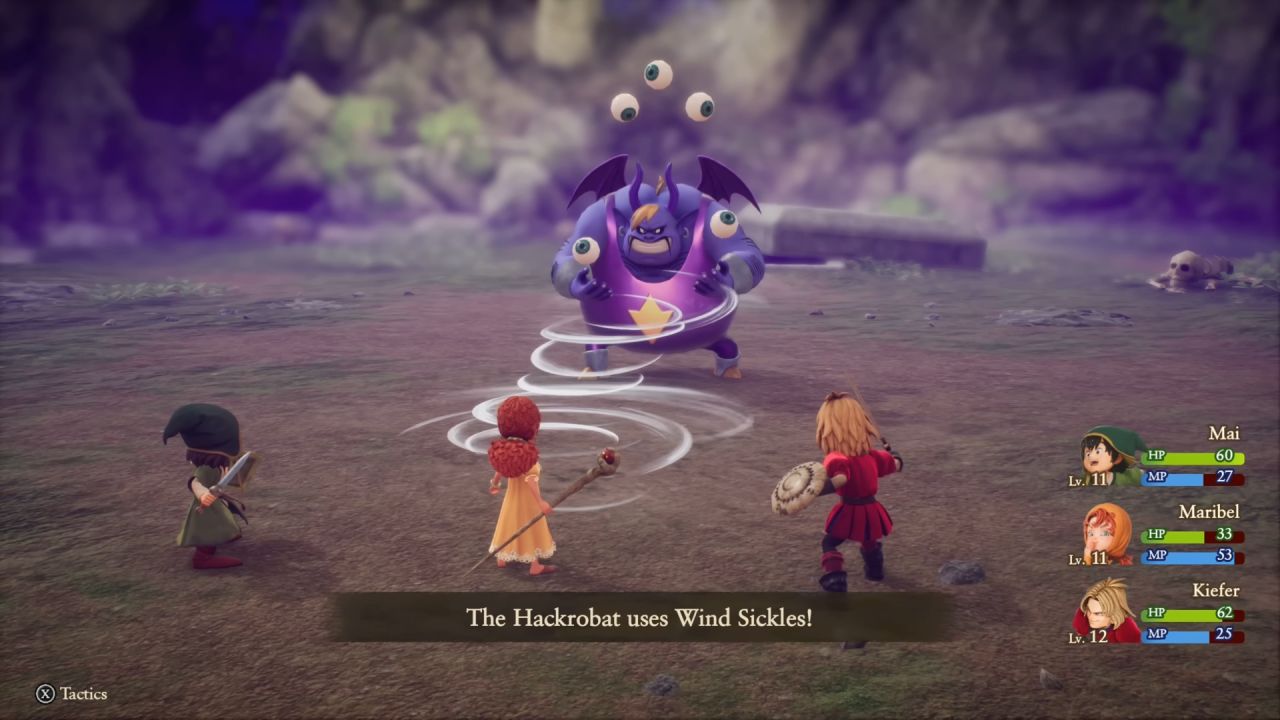
It's all about travel, talking to people, and fighting. As you explore towns, tunnels, and the overworld, you find pieces of the story. Instead of guided markers, progress relies on how curious and persistent you are. This design makes finding even more of a driving force.
Combat works the same way it always has in Dragon Quest. Each member of the party chooses an action, making sure that attack, defense, and support are all balanced. When fighting enemies, endurance and planning are more important than burst damage. In Dragon Quest VII Reimagined, smart resource management is rewarded more than angry outbursts. The fundamentals of exploration are the act of solving mysteries and engaging with the reality that is all around you.
To properly restore islands, it is important to identify stone pieces that are distributed across the planet.
This is a must. As a result of these objectives, it will be a great deal less difficult to return and evaluate the situation. When considering Dragon Quest VII Reimagined, it is of the utmost importance to pay close attention to the nuances that are present. In the game, puzzles aren't separate tasks; they're part of the exploration of the world.
To make progress, you often have to figure out environmental clues or go back to places you've already visited. Rather than breaking up the flow of the story, this method strengthens it. Most of the time, puzzles test your memory and thinking other than your reflexes. Combat situations are meant to test your ability to stay strong and change.
When you're not careful, enemies add status effects and chemical resistances that make you pay for it. Boss fights need planning more than brute force. Dragon Quest VII Reimagined shows how important it is to have a mix of parties. The tempo of the battle, on the other hand, may appear to be leisurely to viewers of today.
There are a lot of random meetings, and occasionally they disrupt the flow. Despite the fact that this structure adheres to the conventional JRPG design, it may put your patience to the test. Dragon Quest VII Reimagined places a greater emphasis on customization than it does on speed. Combat is strong because it is clear and consistent. Systems are clear, so you can see how things turn out without any hidden factors.
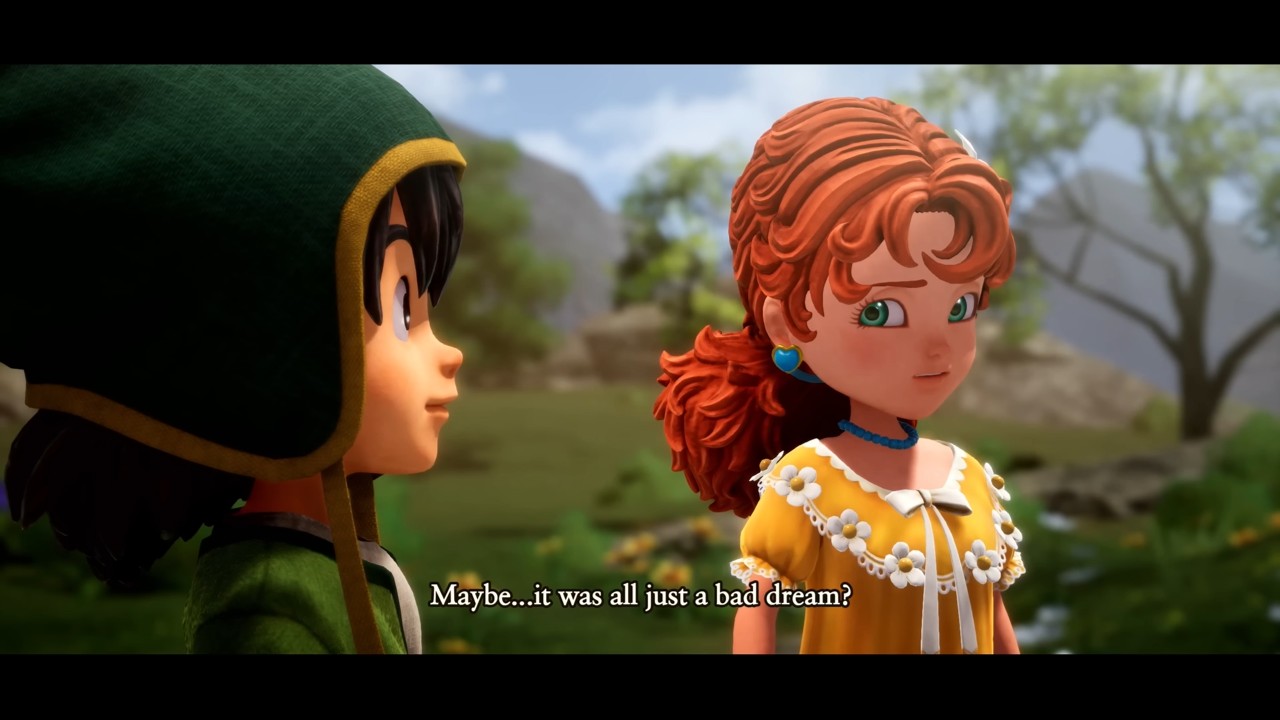
Spells and skills work in predictable ways, which builds trust. Dragon Quest VII Reimagined puts dependability ahead of complexity. On the other hand, fighting isn't as innovative mechanically as it is in modern role-playing games. There aren't many chances for creative exploitation or new tactics to come up. Conservative enemy design makes some fights feel like they last too long. In the game, death is more important than showmanship.
Even still, the equilibrium remains the same over the entirety of the campaign.
There are no dramatic jumps in the difficulty level; rather, it gradually increases. The process of planning and preparation continues to be successful. You are rewarded for your hard work in Dragon Quest VII Reimagined, rather than for making stuff up as you go along. The job system determines how far you can go. When a character learns and masters a new job, it gives them access to new skills and stat boosts.
Over standard experience thresholds, advancement is based on how much you fight. This system lets people try new things without making a long-term commitment. Mastering a job opens up hybrid jobs that give you more strategy options. You are encouraged to try out different jobs besides specializing right away.
This flexibility makes long-term involvement better. In Dragon Quest VII Reimagined, progress is changed into a journey of finding. There is grinding, but it's not required. Players who want to get better may have to spend more time, but progress can still be made without doing the same thing over and over. Scaling the level of difficulty takes into account different ways of playing.
Accessibility and depth are both good in the game. Visually, DRAGON QUEST VII Reimagined brings the game up to date while keeping its signature look. With better clarity and movement, the character models stay true to Akira Toriyama's famous style. Better lighting and better textures are good for environments.
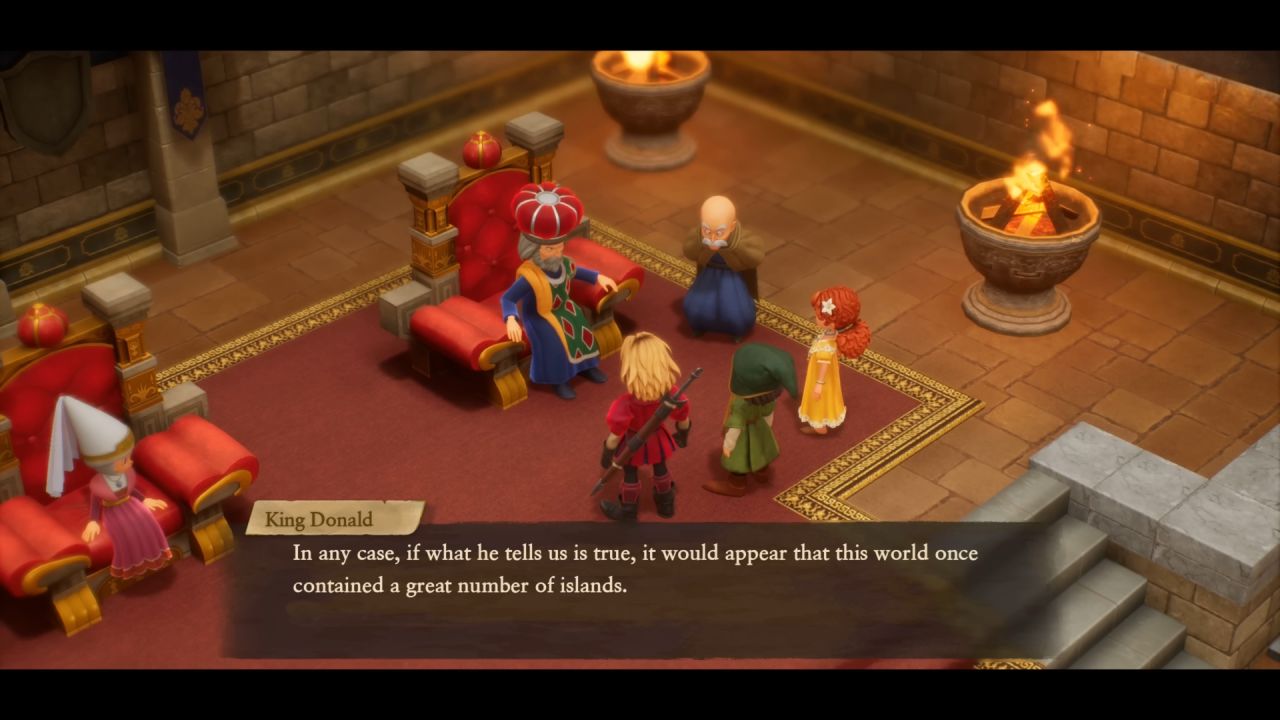
These changes make it easier to read without taking away from the charm. When it comes to world planning, scale and variation are both vital. The visual and cultural themes of each island that has been renovated are distinct from one another.
Not only do people dwell in towns, but they also look lovely. For the purpose of making the plot more noticeable, Dragon Quest VII Reimagined makes use of a variety of images. During long play sessions, performance stays the same. It's easy to switch between exploring and fighting.
Visual uniformity helps with immersion instead of taking away from it.
Dragon Quest VII Reimagined shows that the technology has been carefully improved. The audio design stays true to the series' roots. Through familiar themes and restrained orchestration, the music score supports the emotional tone. Themes don't take over scenes; rather, they fit in quietly with the story.
In Dragon Quest VII Reimagined, music is used to help you feel things in contrast to just being a show. Sound effects provide clear feedback during both the struggle and the discovery. The process of casting spells, attacking, and interacting with the environment is straightforward and simple to comprehend. Hearing signals are helpful in developing situational awareness.
When it comes to functionality, Dragon Quest VII Reimagined places a strong priority on clarity. Voice acting is still limited, keeping the original look. The dialogue is delivered through text, so you can choose how fast it goes. People choose to be quiet when they need to think or observe. The game stays true to its roots by being simple.
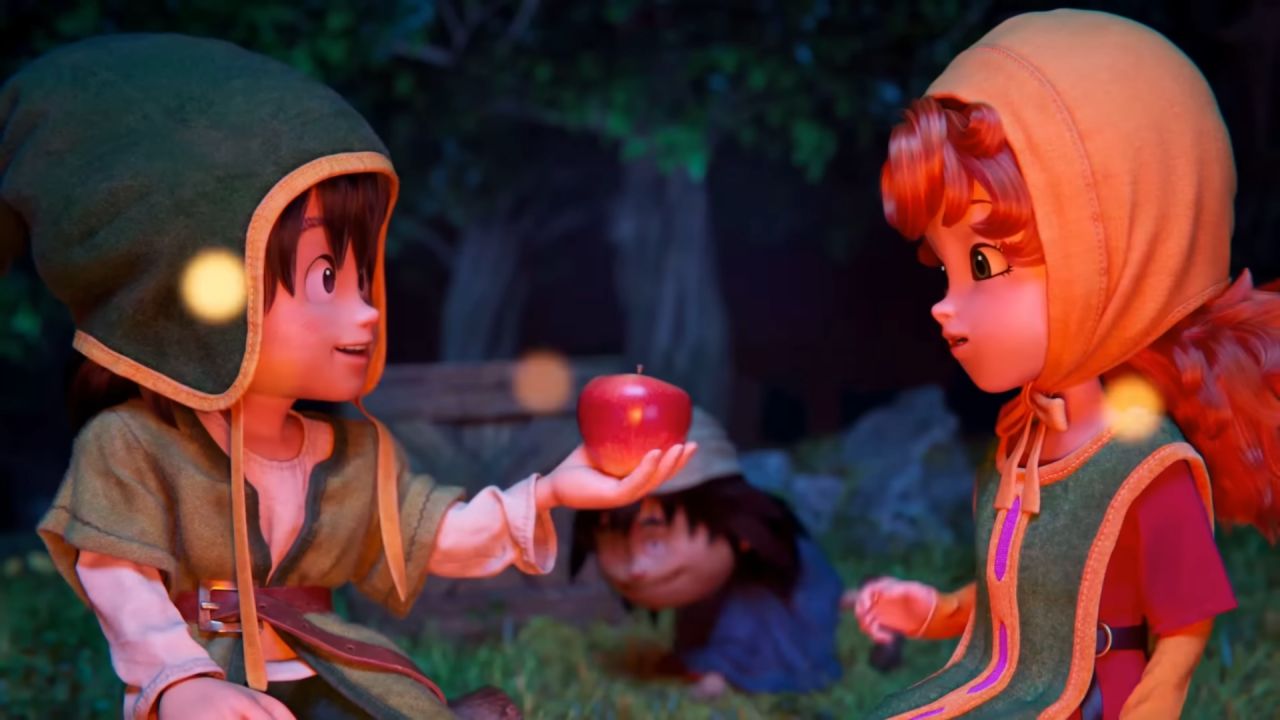
Dragon Quest VII Reimagined works because it uses patience as a design trait. The way it's set up encourages loyalty over immediacy. Narrative meaning comes from building up, as opposed to being shocked. This method may go against what people expect today, but it has a lasting effect.
There are some rough spots in the journey. Long game times and slow speeds take commitment. But those who are ready to put in the time and money are rewarded with complex stories and reliable mechanics. The game gives time new meaning. As a repair, it stays true without becoming boring. Improvements make things clearer while keeping their original form. DRAGON QUEST VII Reimagined is a great example of a design concept that lasts.
Contributor, NoobFeed
Verdict
DRAGON QUEST VII Reimagined is a deliberate, deeply rewarding role-playing experience that values patience, tradition, and narrative depth. Its thoughtful restoration proves that classic design can still resonate when treated with care.
88
Related News
No Data.