
Dear Me, I Was... Review
Nintendo Switch 2
A heartfelt and quiet look back at the fragile moments in life, painted with grace but limited by the fact that it is only a moment.
Reviewed by Nusrat Choity on Aug 06, 2025
When you hear the name Arc System Works, what comes to mind? People probably think of fighting games that are fast and stylish. You might think of games like Guilty Gear, BlazBlue, and Dragon Ball FighterZ. These games require quick reflexes, quick reactions, and extensive knowledge about frame data. Arc is known for its fast-paced fighting and beautifully animated battles.
When Dear Me, I Was came out, a lot of people couldn't believe it: no more fireballs, air dashes, or perfect combos. Instead, there is an emotional, simple, and interactive story. Don't fight. No voice acting. No talking. Only memories and watercolors.
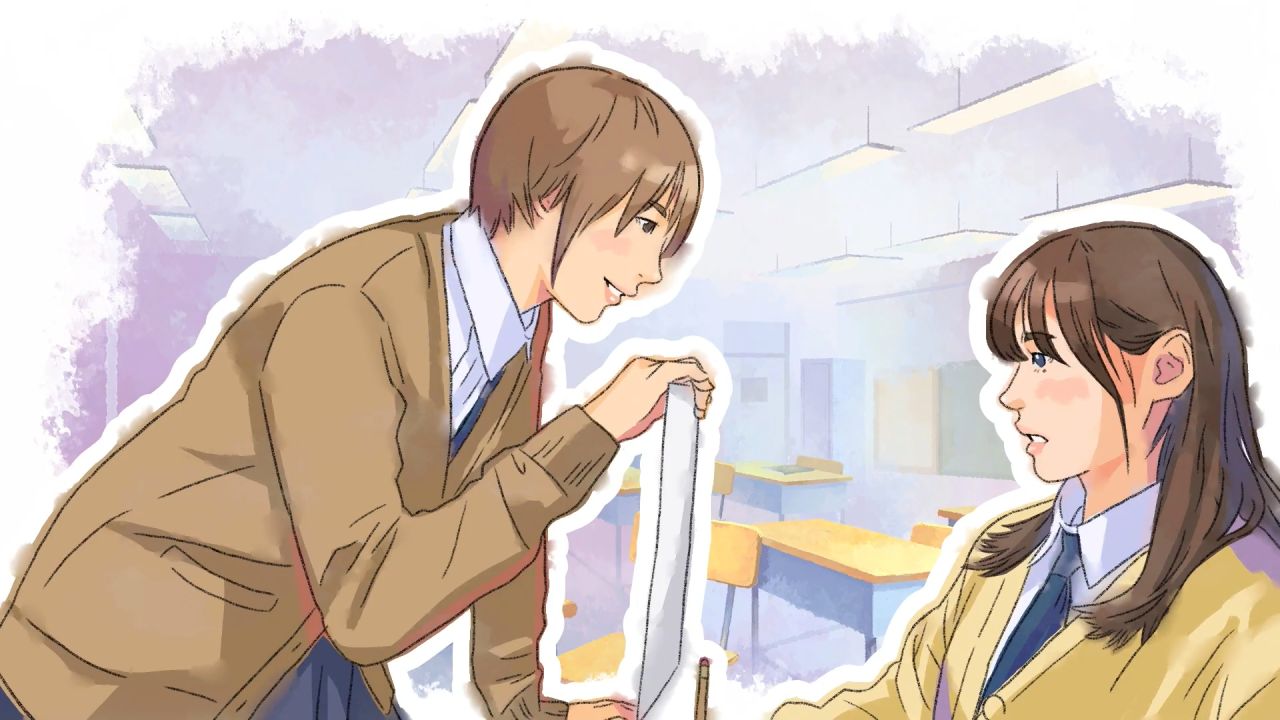
What is Arc doing with a game about memory, silence, and identity? This studio is known for high-stakes competition, but now they want players to slow down, think, and feel. The change isn't just surprising; it's enormous.
Dear Me, I Was only came out on the Nintendo Switch 2, which is even stranger. Not because of the hardware requirements—there's nothing graphically demanding here—but because it uses the Switch 2's mouse-style input system. Was it needed? Not really. With some remapping, a controller works fine. But it fits. It fits with the game's philosophy, which is small, specific, and intentional. This game isn't meant to be popular with everyone. It's a project that is very personal to me.
And that makes it special, even if it doesn't always work. You don't go on a long journey or find out about a plot to end the world in Dear Me, I Was. You don't have to beat any bosses, finish any quests, or figure out any big mysteries. Instead, you are invited to see the quiet, fragile timeline of a woman's life. You see her go through small, very human moments from her childhood to her last days.
Some are happy, some are sad, some are terrible, and all are short-lived. There are no explanations or subtitles. The game doesn't have any talking at all. Instead, movement, images, and composition tell the story. A gesture turns into a conversation. A frame that stays in place becomes exposition. You don't read the story; you feel it.
And for a while, that works perfectly. Not having words makes room for feelings. You're not being told how to feel. You can fill in the gaps with your memories and experiences. You put your ideas into the character. You feel her pain. Her happiness is your own. It's the best kind of subtle, delicate storytelling.
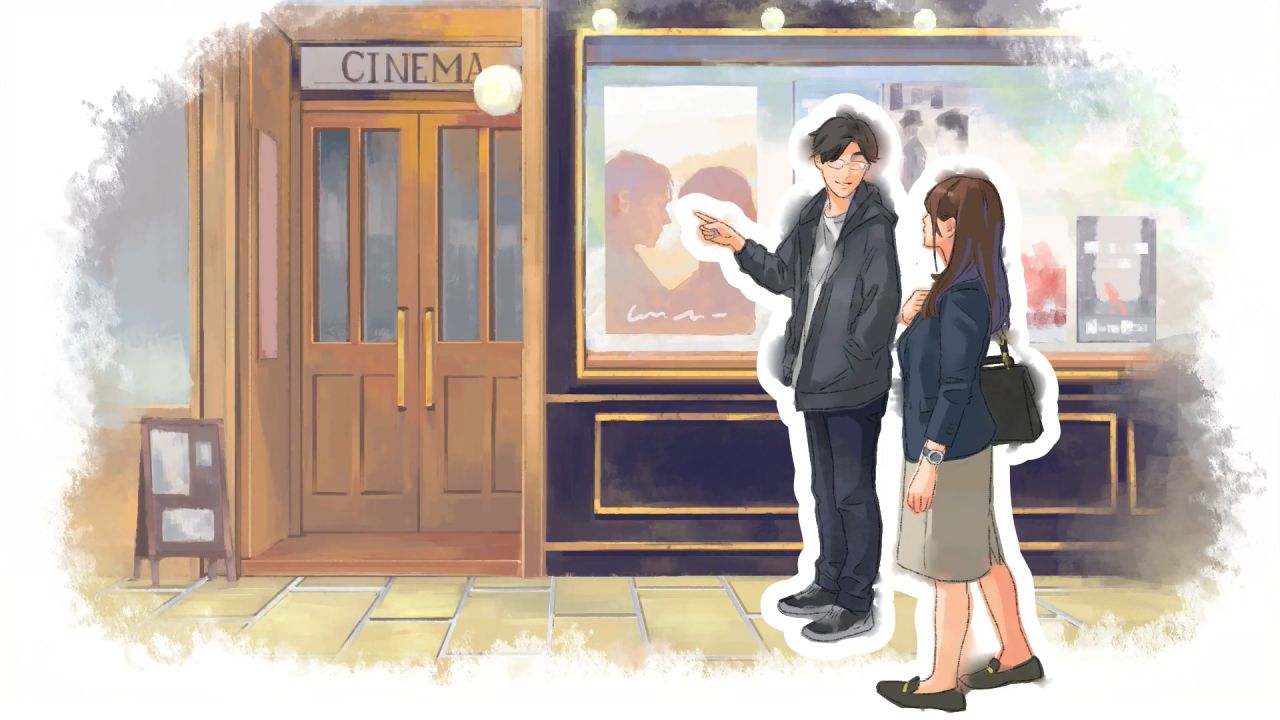
But as soon as you start to feel close, the game pulls away. There are many short scenes. A lot of them don't last more than a minute. You often jump forward in time, and years can go by between the times you see each other. You see a loss for a few seconds, and then the story skips ahead. A nice time with a friend fades away. A look shared with a partner is never explained or fixed.
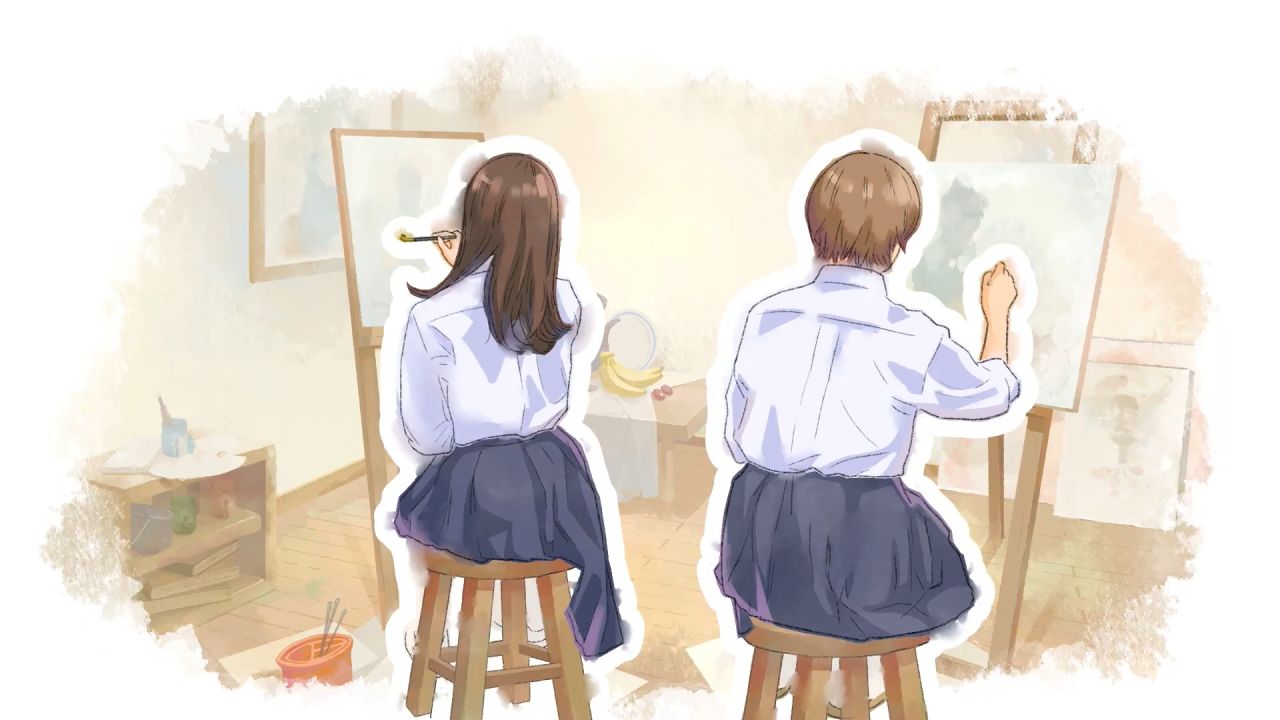
This structure is like how memory works: it's broken up, not in a straight line, and not complete. It also makes people feel distant. You don't have time to think about what's going on. You don't stay long. That's a problem in a game that wants to make you feel something, like looking through a photo book too fast. You see beauty, but you don't feel the heaviness.
You want to be with her in her sadness. You want to share in her happiness. You want to know what she's been through. But the game keeps going, as if it doesn't want to stay in one place for too long.
Dear Me, I Was called a "game"? It's a good question. There aren't many traditional gameplay mechanics in this game. You can click on things with a cursor, move things around, and sometimes draw or interact with things in the environment. That's all. There are no puzzles to figure out or problems to solve.
These actions, at best, make you feel like you're there. You help clean up a room, clear the dinner table, or draw on a page. At their worst, they feel like they're just there to keep your hands busy while the story moves along.
If the interactions had been meaningful, this simple design might have worked. But they don't happen very often. For instance, the drawing sequences could be very emotional moments. Instead, they feel empty. The character starts to draw, and what you say doesn't change what happens. You're just filling in lines that have already been set. There is no feedback and no effect.
The interface doesn't help either. The cursor system was made to work with the Switch 2's mouse-style controller, but if you're using a regular setup, the controls can feel awkward. You might press buttons that don't make sense or have trouble with inputs that should be easy to understand.
You could have made this work on any system with better tuning. It seems more like an artistic experiment that values looks over function. There are no paths that go in different directions. No choices for players. There are no skill trees or upgrades. That's it after you've played Dear Me, I Was. You know the story. And you can't change it.
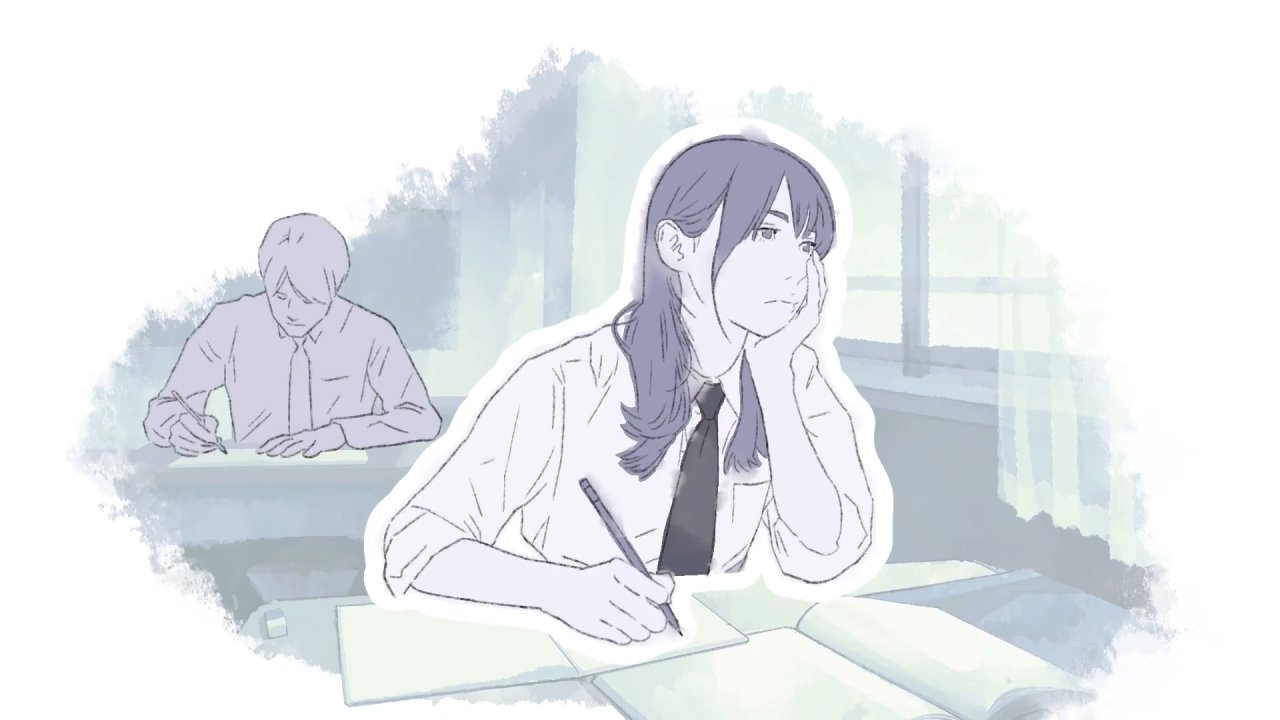
That's not necessarily a bad thing; many beautiful narrative games have linear stories. But here, it's hard to ignore how shallow it is. Other games in this genre, like Gris, Journey, and What Remains of Edith Finch, use movement, music, and design to add layers of meaning. They make moments when the story and gameplay come together to make something great.
Dear Me, I Was doesn't quite get there. The interaction seems more like decoration than something that needs to happen. You're not in the story; you're watching it happen. The game's silence doesn't just look good; it also makes you feel far away.
This would be fine if the story had more details. But there isn't enough time for real development in just 30 minutes. You only see parts of a character, not the whole thing. There isn't an arc to follow; there are only impressions. They are beautiful, but they don't last.
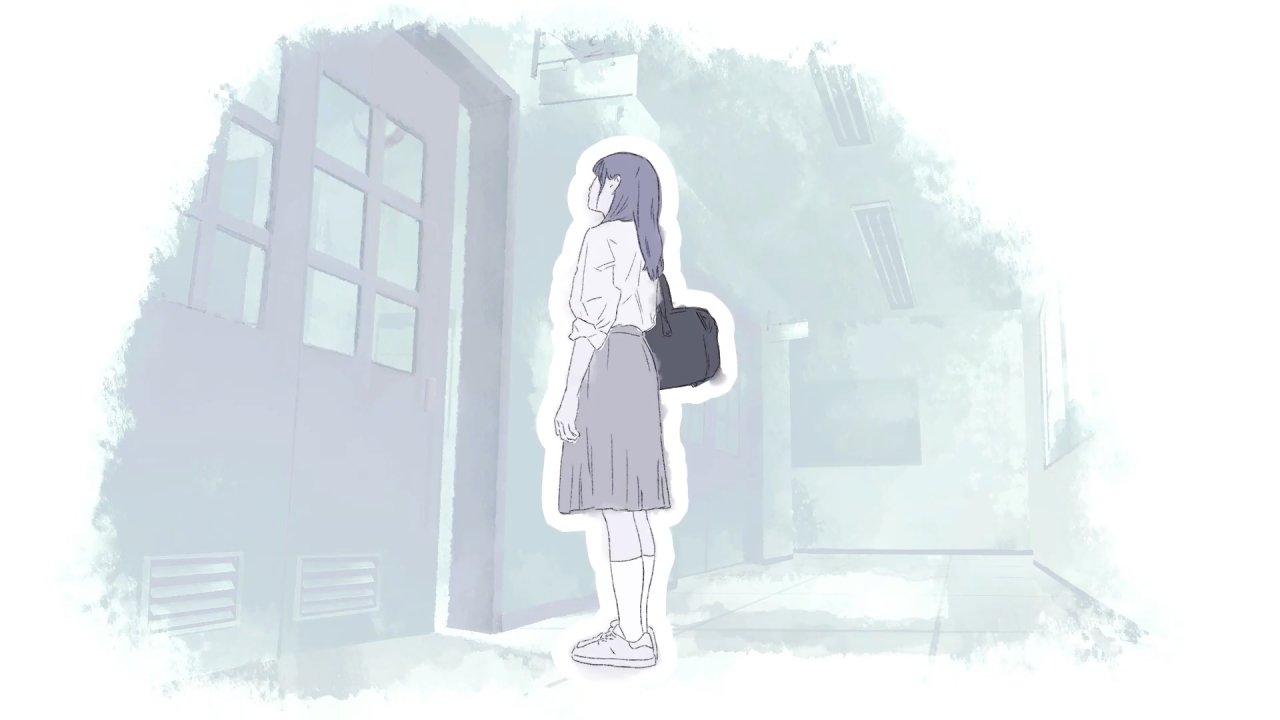
One thing that Dear Me, I Was does very well is look good. It's hard to describe how beautiful this game is. The soft, flowing watercolor art direction makes each frame feel like a memory from a dream.
Colors are used on purpose: bright and warm when you're a kid, pale and desaturated when you're sad, and muted pastels when you're thinking. The colors change with her mood, and they guide how you react without saying a word. It shows environmental storytelling at its best.
The animation style, which uses rotoscoping to trace real human movements frame by frame, makes it feel eerily real. A look lasts. A slow movement has a lot of emotional weight. People move like people, not like puppets. This gives the story a real, down-to-earth feel that words alone can't provide.
Every shot feels planned and thought out. You could stop the game at any time and get a piece of art. That's how painterly it is. It wants screenshots. It makes you think. And the visuals do a better job of conveying the emotional weight than the pacing and gameplay do.
The music speaks for the soul, just like the pictures speak for the characters. The piano music in Dear Me, I Was is simple and flows through each scene like a memory you don't want to forget. It's not always there, but when it gets big, it hits hard.
There aren't any significant orchestral parts or loud songs. Just soft keys, often in slow, hesitant patterns that reflect how the character is feeling inside. The music knows when to get louder and when to get quieter, when to take the lead, and when to go silent.
And the quiet is what stands out the most. The game knows how to stop. It knows how to make a quiet room say everything. Nothing is wasted. There are only the basics: footsteps, rain, the sound of a chair scraping, and the sound of a door closing. Each one stands out more because there is no dialogue.
You will want to listen to this soundtrack again. The music stays with you, even if you forget the story. It turns into what you remember.
Dear Me, I Was feels like looking through someone else's sketchbook. Every page is personal and sweet, but you don't have the background to understand it all. Yes, it's pretty. And real. But it's also annoying because it's so short.
This is personal. You can tell that someone cared about it. You can tell what the creator wanted with each frame. This game wants you to think, feel, and remember. It wants to get to something more profound than just the plot or the action.
But it doesn't go all the way. It never goes deep enough. It never stays long enough. You want more, but not in a good way. That simplicity will be a good thing for some players. For some, it will feel like an emotional sketch that never became a complete painting.
Dear Me, I Was is a stunning example of visual storytelling. I was trying to say something profound, but it doesn't stick around long enough for it to make an impact. Yes, it's moving and beautiful. But it seems like the start of something, not the end.
Contributor, NoobFeed
Verdict
Dear Me, I Was...is touching but short. It's beautiful but not finished. It's worth doing, but don't be surprised if you forget about it right after it's over.
72
Related News
No Data.