
KAZ Review
PC
KAZ is a deceptively simple indie roguelike that relies on just four keys and a grid to deliver a serious dopamine rush.
Reviewed by Elme Dhee on Jul 14, 2026
There's nothing quite as satisfying in game design as something that looks deceptively simple on the surface but hides surprising layers of depth once you actually sit down with it. KAZ is exactly that kind of game. It's a roguelike arcade experience built entirely around speed, reaction time, and a leaderboard chase, and somehow it manages to build all of that chaos out of just four keys on a keyboard.
KAZ strips away traditional storytelling in favor of a hypnotic arcade vibe. It doesn't pretend to have a story, and it doesn't need one. There's no dialogue, no cutscenes, and no lore dump explaining why your little avatar is smashing enemies across a grid.
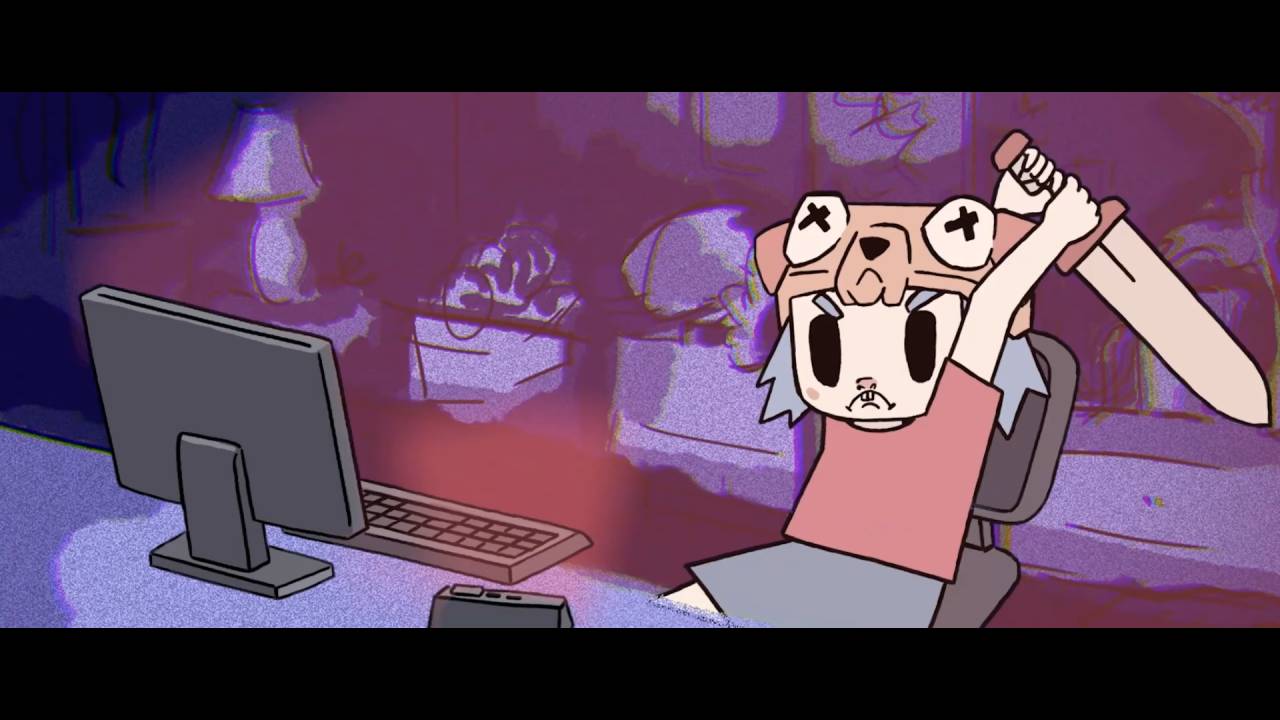
Instead, the narrative energy comes entirely from its psychedelic presentation, trippy visuals, pulsing music, and a sense that you've stepped into some kind of arcade fever dream rather than a traditional game world.
That absence of plot actually works in KAZ's favor.
This is a game built for score attack purists who want to sit down, chase a number, and climb a leaderboard without any narrative friction slowing them down. The closest thing to storytelling here comes from the different playable characters, each with their own visual theme and vibe, giving the game a loose sense of identity without ever forcing you to care about a backstory.
KAZ is the work of a solo indie developer, published under a small studio banner that specializes in backing distinctive, creatively driven projects. That single-developer origin shows in the best possible way. Every system in it feels tightly considered, like someone spent an enormous amount of time obsessing over the feel of a single keypress rather than padding the game with unnecessary features.
It's a refreshing reminder of what indie development can produce when a small team focuses on doing one thing extremely well. There's no bloated open world here, no filler content, and no attempt to chase trends outside the genre. The game knows exactly what kind of game it wants to be, and every design decision points back toward that singular, obsessive goal of pure, replayable arcade tension.
Players must rapidly clear expanding tile grids using basic movement controls.
At its core, KAZ plays like a frantic, high-speed version of whack-a-mole. You're dropped onto a grid of square tiles that starts small and grows more chaotic as your run continues. Using nothing but the four directional keys, you have to move your character onto enemy-occupied tiles to knock them out and earn points before the clock runs down.
Hit the required score threshold, and you advance to the next round, where the grid expands, and the pressure ramps up accordingly. The game is designed primarily for keyboard input, and it even jokes that your keyboard will be unhappy by the end of a session. Controller support exists for anyone who prefers it, though the responsiveness of the cursor keys is genuinely hard to match.
What makes KAZ compelling isn't just the core loop, though. Every run begins with a choice among several weapons, some of which must be unlocked first; each one activates automatically after a set number of moves. At the end of every round, you're also offered a buff to pick from, and since each subsequent round demands a higher score than the last, those choices actually matter.
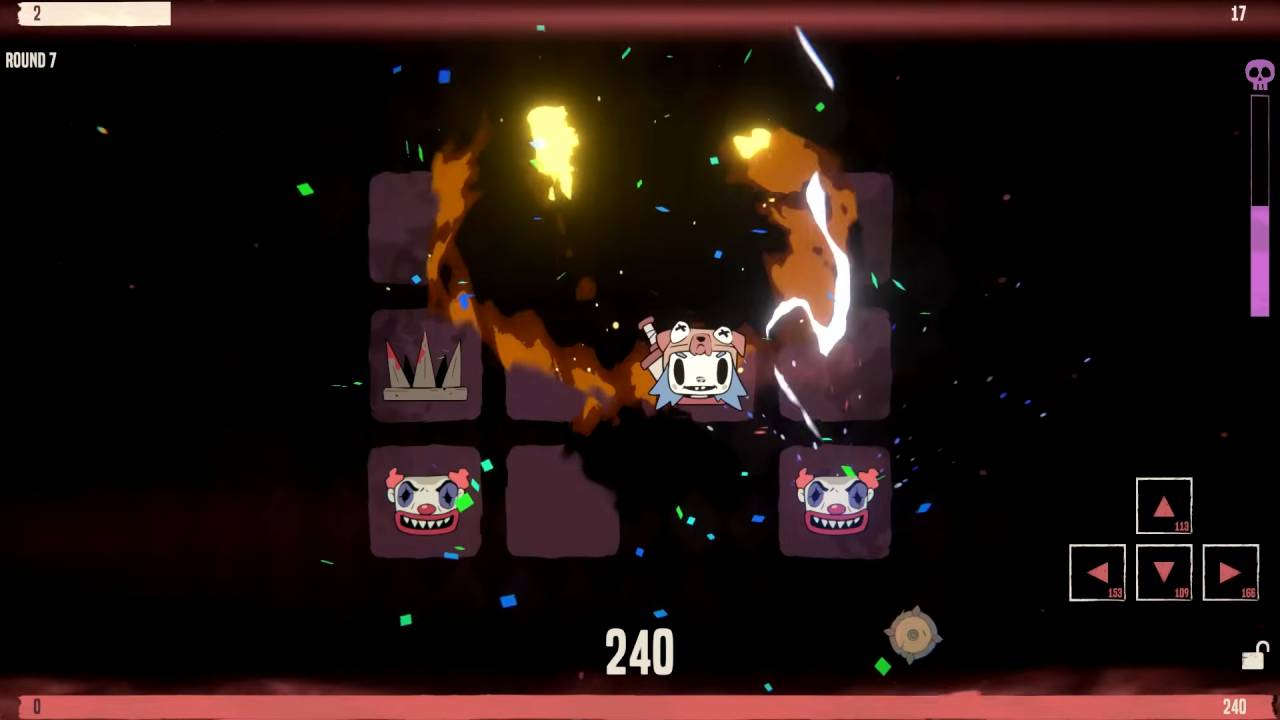
Balancing powerful buffs and brutal curses creates unexpected tactical depth.
The combat in this game isn't traditional in any sense. There's no aiming, no timing-based attacks, and no combo inputs beyond simply moving into an enemy's tile. That simplicity is deliberate, and it's what allows the game to layer so much complexity on top without ever feeling overwhelming or unfair to a newcomer picking it up for the first time.
Buffs can do things like award bonus points for breaking enemy shields, grant temporary armor against traps, or place high-value stars on the grid to chase. Debuffs, triggered once your curse meter fills up from hitting traps, range from minor annoyances to genuinely brutal setbacks, like scrambling your directional inputs or forcing shielded enemies to take an extra hit to destroy.
What's good about this system is how much tension it creates from such a small set of tools. Every buff and malus choice feels meaningful, and no two runs ever play out quite the same way once the grid starts expanding into more complex layouts.
Spells add another layer entirely, letting you input directional combinations mid-run to trigger powerful area effects like sweeping tidal waves that clear out entire rows of enemies in one clean motion, provided you can actually pull the input off under pressure.
What's not quite as good is that some of those spell inputs can be genuinely difficult to execute cleanly when a grid layout doesn't give you the room to pull them off. There were runs where I simply couldn't use a spell I'd picked because the tile arrangement worked against me, which occasionally makes certain choices feel wasted through no real fault of your own.
A massive quest system rewards consistent play with impactful unlockable content.
KAZ tracks an enormous amount of data behind the scenes. Every enemy killed, every trap you foolishly walk into, and every round you complete all feed into a quest system that rewards you with coins. There are well over a hundred quests to chip away at, and completing them steadily unlocks new characters, themes, and cosmetic variations to enjoy along the way.
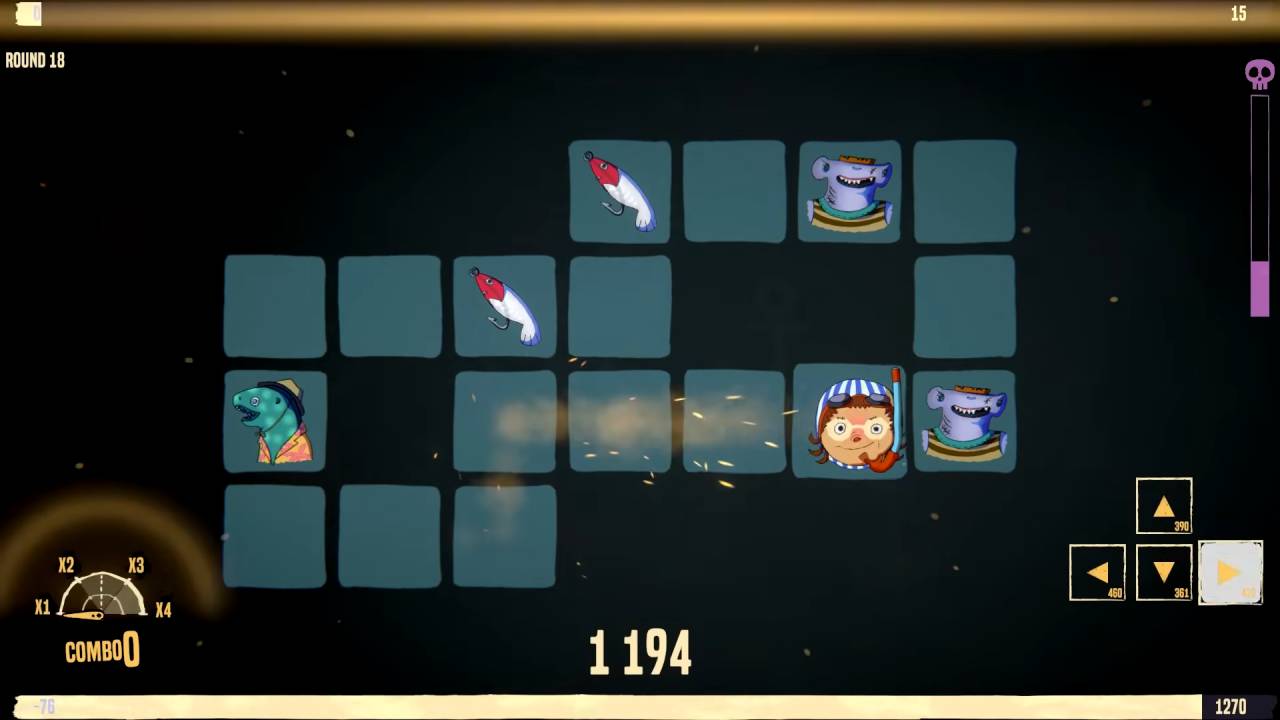
This progression loop is where the game quietly becomes more than just a reflex test. Unlocking new themes changes more than just the visuals, since each one brings its own music and, in some cases, a unique passive ability tied to that character. Grinding coins to unlock a new avatar genuinely changes how future runs feel.
Because progression is tied to consistent play rather than a single lucky run, KAZ rewards the kind of grinding mentality that score-attack fans already love. You're not just chasing a single high score; you're slowly building a collection of playable characters and soundtracks that make every future session feel a little different from the last.
Alternative modes replace the ticking clock with thoughtful move limits and unique challenges.
While the frantic survivor mode is clearly the intended way to experience KAZ, the developer wisely built in an alternative for players who don't want constant time pressure. No Stress mode replaces the ticking clock with a fixed number of moves, making the whole thing much more tactical and deliberate, and less of a pure reflex challenge.
This mode alone makes the game feel far more accessible than its frantic marketing might suggest. Instead of hammering keys as fast as physically possible, you're carefully planning each move through the grid, weighing your buffs and threats with actual patience. It's a genuinely smart inclusion that broadens the audience without diluting the core survival tension that defines the main mode.
There are additional challenge modes worth mentioning, too, including a weekly leaderboard event where everyone competes on identical boards with identical rare items, and a monthly challenge that strips away every buff, leaving you stuck with debuffs for the entire run. There's even dance pad support for anyone brave enough to play KAZ with their feet instead of their fingers.
The striking audio and visuals pulse in perfect sync with your performance.
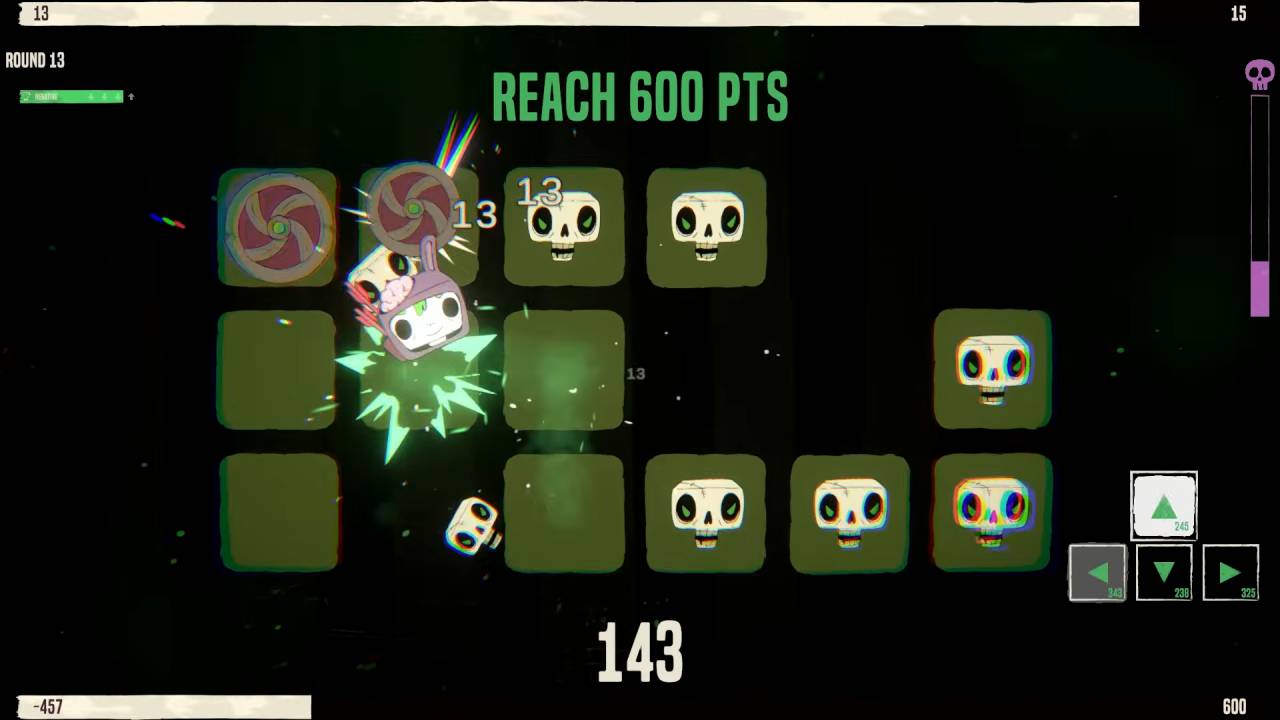
Visually, the game leans hard into a trippy, almost hypnotic art direction that fits its dopamine-chasing design philosophy perfectly. Multiple playable characters each bring their own distinct art style, sound design, and passive ability, and unlocking them through the quest system genuinely feels rewarding rather than padding tacked onto the progression loop for its own sake.
The soundtrack deserves particular praise here, since it actively evolves as your score climbs during a run, building intensity alongside your performance until the whole screen practically pulses in sync with your keystrokes. It's a small touch, but it does an enormous amount to make high-scoring runs feel genuinely triumphant rather than just numerically satisfying.
Awkward laptop layouts and intense pacing can limit long gameplay sessions.
KAZ isn't without small issues. Having a full-size keyboard on hand makes a surprisingly large difference to how the game feels, and cramped laptop layouts without dedicated cursor keys noticeably hurt the experience. Controller support technically exists, but it simply can't match the precision of keyboard input, especially once runs start demanding split-second reactions.
Session length is another quirk worth noting. Survivor mode's relentless pace makes it hard to play for much longer than thirty minutes at a stretch before the intensity starts to wear you down. That said, KAZ has become something of a slow burn precisely because of that limitation, a game you dip into for short, sharp bursts rather than marathon sessions.
Randomized layouts and long-term strategic choices keep the loop feeling fresh. The single biggest strength KAZ has is how effortlessly replayable it becomes once the unlock systems start opening up. Because every run shuffles which buffs and maluses appear, no two sessions ever feel identical, and that randomness keeps the tactical side of the game genuinely engaging long after the initial novelty of the core loop has normally faded for most players.
There's also a real sense of long-term survival strategy buried underneath the twitchy exterior. Learning which buffs pair well, which characters suit your playstyle, and when to lean into a risky spell rather than play it safe all become second nature the longer you stick with KAZ. It rewards pattern recognition just as much as it rewards raw reflexes.
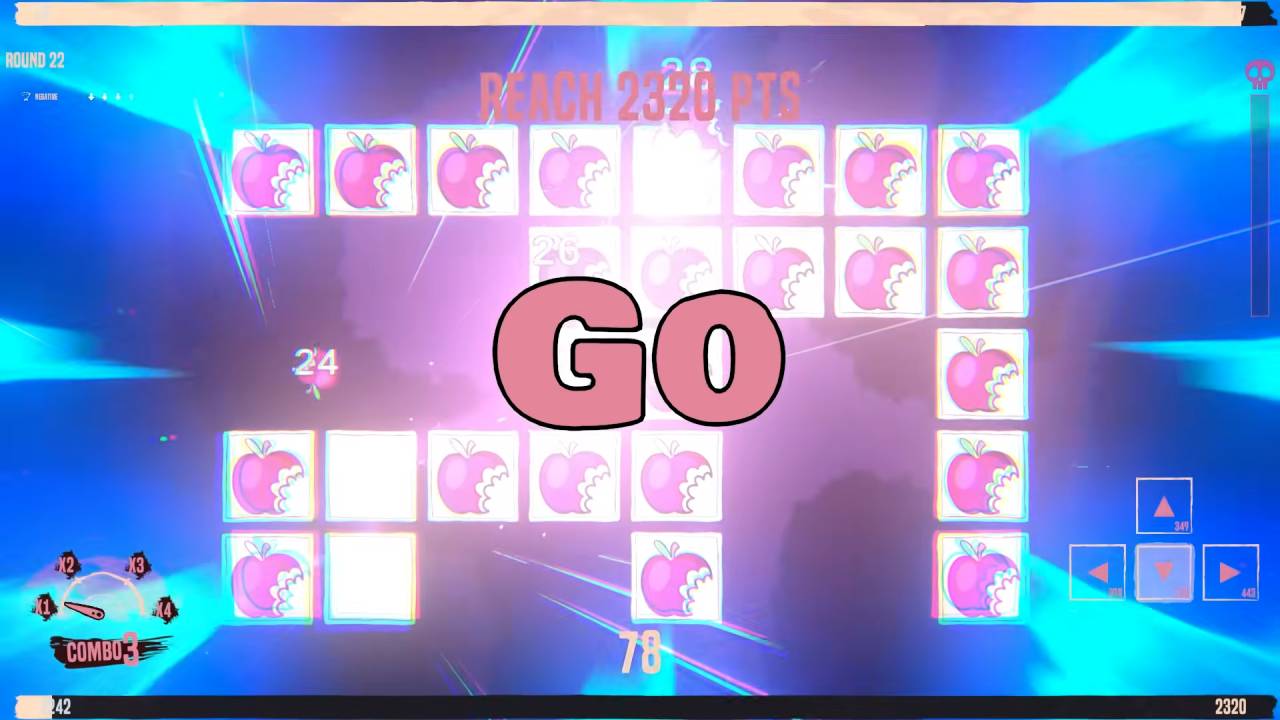
KAZ is a wonderful and very addictive minimalist gem.
KAZ is a fantastic example of focused, confident game design. It knows exactly what it wants to be, and the result is a wonderfully crafted, extremely rewarding dopamine-delivery system dressed up in psychedelic visuals and grid-based tactical decision-making.
Underneath its deceptively simple four-key setup lies a genuinely addictive indie gem that just feels great to play. With that unmistakable "just one more run" pull, the game is easy to pick up, difficult to fully master, and an easy recommendation for anyone with a keyboard nearby and a taste for tight, score-driven survival gameplay.
This game can be as deep as you want it to be, all behind a purposely minimalist facade. Whether you want to climb the leaderboards or just want a low-pressure way to wrap up your day, KAZ has you covered.
Editor, NoobFeed
Verdict
KAZ is a masterclass in minimalist game design. It brilliantly transforms a simple four-key, grid-based layout into a highly addictive, visually hypnotic, and tactical arcade roguelike.
72
Related News
No Data.