
OVIS LOOP Review
PC
Early Access
EkoForge Studios' OVIS LOOP challenges players with puzzles, memory-driven progression, and loops that turn storytelling into a surreal maze.
Reviewed by Maisie Scott on Aug 22, 2025
Some games show up like a thunderclap, making an impressive entrance. Others appear like whispers, gently but firmly, leading you into experiences that stay with them long after the credits roll. OVIS LOOP belongs firmly to the latter category. It was meant to be an ambitious mix of story experimentation and challenging gameplay.
It shows the creative courage of a small company that wants to go its way in a field that is usually dominated by sequels and safe bets. OVIS LOOP was made by EkoForge Studios, a group that is known for pushing the limits of design instead of following rules. The studio became known for its experimental independent games that emphasized atmosphere, emergent storytelling, and layered gameplay over broad appeal.
.jpg)
The developers of this new game went into uncharted territory when they made a project that incorporates existential questions into playing games. It's not meant to give you instant pleasure. Instead, it unfolds like a psychological maze, encouraging you to explore both the world of the game and its ideas about it.
OVIS LOOP is brave to ask bigger questions in a market full of slick but boring experiences. That recall might be a puzzle in and of itself. What if every choice had an effect on a huge number of lives and changed the way the world works? The game, from its idea to its delivery, aims to push the limits of what interactive storytelling can be.
At the heart of OVIS LOOP is a story that is full of allegories. You control a traveler who is stuck in a world that is broken up into cycles of rebirth. Each loop starts with some pieces of memory still there and others gone, so there is always a conflict between what you know and what you find out again. The story looks at character, choice, and what it means to keep going even when things aren't going your way.
The world of OVIS LOOP is made up of pieces from different times. Every choice changes the course of the story, weaving together threads to create results that feel both deeply personal and cosmically inevitable. There is no one way to understand what the writing means. Instead, it asks you to figure out what the uncertainty means. Every chapter has a theme of memory or something that changes, which shows how weak the link is between choice and outcome.
The story is very interesting because it doesn't give too much background information. When you meet characters in the loops, they often talk in puzzles and give you bits of wisdom instead of straight explanations. With this method, the story can have a different effect on each repeat. One of you might see the game as a reflection on death, another on how pointless repeating is, and a third as an upbeat story about finding oneself.
The cyclical arrangement makes the story's main idea stronger. In OVIS LOOP, death is not a loss; it is a change. Each loop changes the way decisions were made in the past, which often changes the meaning of things that happened in the past. This looping way of telling a story gives repeating weight, so going back to earlier scenes never feels like it's been done before. Instead, each cycle makes the puzzle deeper, which makes us think more deeply.
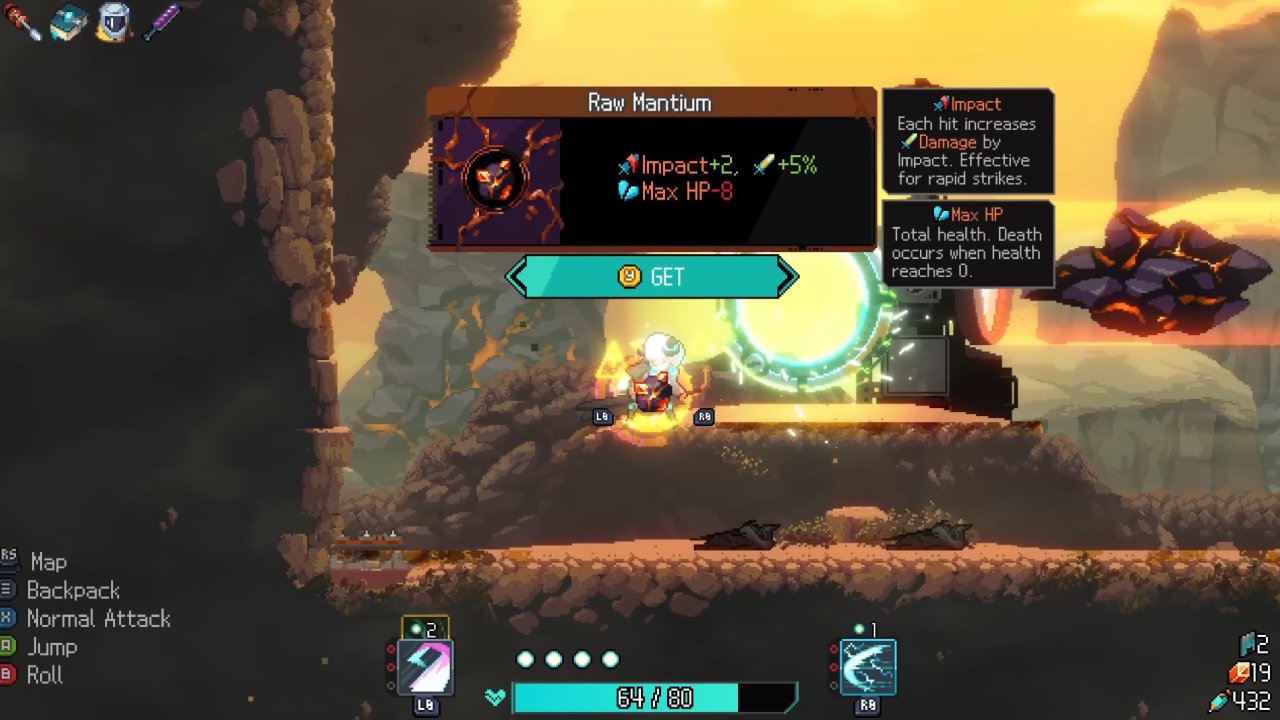
The way you play OVIS LOOP reflects its moral goals. Exploration, interacting with the world, puzzle-solving, and a story driven by choices are all rolled into one smooth system. At first glance, the principles look much easier than they really are. You move through dreamlike worlds, collect pieces of memories, and interact with people who change. But what's really cool is how these acts work together to make a loop that keeps going and changing.
Movement is smooth and has a reason. Levels are made to look like strange settings mixed with natural beauty and unsettling distortions. You must pay attention to small clues, like a flickering light that points to a secret passage or a faint sound that points to a nearby memory fragment, in order to explore these environments. This kind of focus helps with immersion, drawing you into the rhythm of finding in the game.
You can change the dialogue by making choices that have different outcomes and affect different loops. Decisions that don't seem important at the time can have big effects in the long run, changing how characters interact with each other, how the world is set up, or even which memory paths are available. The method encourages people to be curious and try new things. Instead of punishing failure, it turns mistakes into discoveries that add to the story.
The real innovation is in the way the loop works. Each cycle changes a few things about the world, so each time you play, it feels different. Things may move, characters may switch roles, and new facts may come out in the dialogue. With this dynamic spinning, repetition becomes something new. It doesn't pull you backward; instead, it pulls you deeper into the story's complex structure.
Most importantly, the game forces you to be patient. The pace of OVIS LOOP is slow and precise, which is what makes it so powerful. For those of you who are used to getting comments right away, this can feel strange at first. But people who get into the rhythm have a unique and rewarding experience that makes them think instead of respond.
Instead of using standard battle methods, OVIS LOOP makes puzzles the main way to challenge you. These puzzles aren't just stand-alone brainteasers; they're part of the story and the setting. To solve them, you need to know how the world changes between loops, which means that memory and observation are very important.

In some puzzles, you have to figure out what cryptic glyphs mean or line up celestial markers in different planes. Others need you to use logic, like changing time-sensitive mechanisms or putting together broken-up conversation sequences. What makes these tasks unique is that they have a common theme. Each puzzle adds to the game's theme of thinking about cycles, memory, and how we see things.
The lack of fighting was planned from the start. At a time when action games are all the rage, OVIS LOOP chooses intellectual stress instead. You don't have to fight monsters or armies; they have to fight obscurity, chaos, and their limited knowledge. This method might turn off people who want fast-paced games, but it rewards people who want a mental challenge.
When puzzles are designed well, they are just hard enough to make you think, but not so hard that they are impossible to solve. Still, sudden increases in difficulty can lead to periods of inactivity, especially when hints seem too vague. This unevenness is one of the few mistakes in the game, but it fits with its goal of being unclear.
The best thing about the puzzle scheme is how well it fits in with the story. It feels more like finding a piece of the main character's memory when you solve a puzzle than like checking off a game objective. This unity takes the experience from being purely satisfying to being emotionally moving.
Unfortunately, the game isn't always easy to get into. Some puzzles use symbols that might only be meaningful to people from certain cultures or be too hard for most people to understand. Without clearer background information, these parts of the story could break the atmosphere. The goal is good, but sometimes the execution isn't perfect, which reminds you of the thin line between wonder and confusion.
In OVIS LOOP, progression is not like normal ranking systems. You don't have to grind battle stats or add up experience points. Instead, growth happens when we learn new things and when our stories take different turns. Each piece of recovered memory is like XP; it opens up new points of view, dialogue choices, or different states of the world.
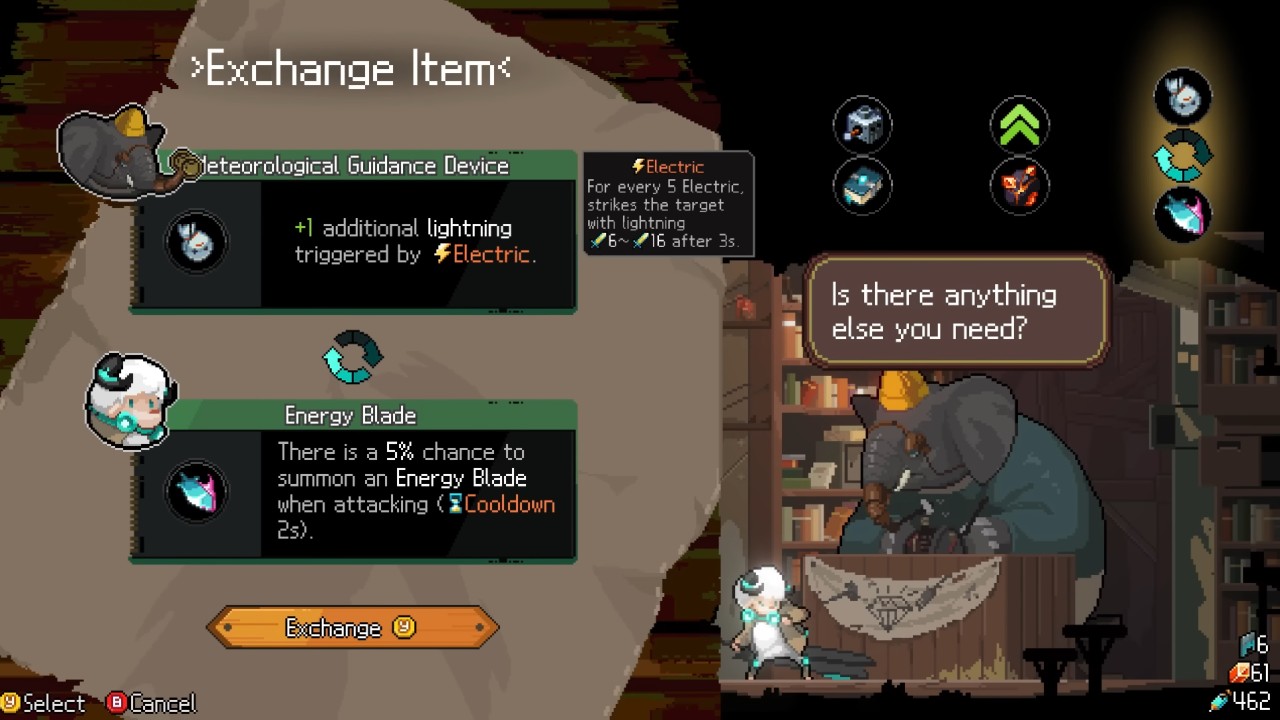
With this method, the focus moves from getting things to understanding them. You are not just rewarded for doing the same thing over and over; they are also recognized for carefully exploring and making decisions. One forgotten piece of memory can change the path of whole loops, showing that curiosity is more important than speed.
This method is new and different, but it also divides people. People who want to see their growth through numbers may not be happy with the lack of standard progression. But for those who care about story depth, the system feels natural and fits nicely with the game's themes. As you make progress, getting bigger is less important than getting smarter.
The way OVIS LOOP looks is a masterpiece of bizarre design. The art direction prefers abstraction to realism, which makes the surroundings feel both strange and familiar at the same time. Broken landscapes float in shapes that don't make sense, and the colors change to show how people are feeling. One loop might fill the world with eerie blues, and another might fill it with fiery reds. Each color scheme adds to the mood of the story.
The way characters are drawn follows a similar idea. Figures in the loops often look skewed, with shapes flickering or shifting slightly to show that they are not stable. This graphic language shows how fragile memory is without having to be explained in words. The graphics may not be as good as in big movies, but the creative design makes up for any technical flaws.
Importantly, the game's simple textures and stylized lights make sure that even on weak hardware, performance stays stable. This makes the art more accessible, which increases the number of people who can enjoy it. The look of OVIS LOOP is easily recognizable, which is hard to do in a genre where a lot of games look similar.
The sound design is like an unseen hand that leads you through the maze. A few ambient tones, faraway echoes, and broken melodies make up the soundtrack, which is simple but evocative. The music rises and falls like memories do, and it often goes silent at important times to build drama.
Environmental sound is just as important. It's easier to get into a story when you can hear the soft crack of moving stone, the whisper of wind through broken-down hallways, or the echo of footsteps in empty rooms. These sounds are like hints; they point to secret paths or let you know when the loops are changing.
Voice acting is broken up on purpose. Characters talk in half-formed words that are often distorted to show how memory isn't always stable. This choice adds to the strange mood, but if you are someone who wants clarity, you may find it frustrating. Still, the general sound experience makes you feel even more uneasy and goes well with the visual design.
OVIS LOOP is not a game that tries to please everyone. It's a controversial experience made for people who like uncertainty, waiting, and philosophical inquiry. It doesn't give simple answers because its story is complicated and full of layers. It's a thoughtful game where thinking is more important than doing. Its puzzles are hard, sometimes teetering on the edge of being frustrating, but most of the time giving you a deep sense of pleasure.
The best thing about the game is how well the theme and mechanics work together. Every choice made in the design, from the cyclical story structure to the fragmentary progression system, adds to the game's study of memory and change. It makes people think about how they play as well as how they play.
However, this goal has a price. Some people will not like how some problems are hard to solve, how slowly the game moves, and how there are no traditional ways to progress. Because OVIS LOOP doesn't try to be popular with everyone, it runs the risk of being mistaken. However, it does give a unique experience to those who are willing to meet it on its terms.
In a field where rules are often strict, OVIS LOOP feels like a risky project that won't give in. Even though it has some problems, the fact that it isn't afraid to ask tough questions and present them through interactive stories makes it one of the most thought-provoking games of its time.
Editor, NoobFeed
Verdict
A surreal narrative loop that trades combat for meaning, OVIS LOOP delivers puzzles and memory-driven progression that linger long after play. Bold, cerebral, and unforgettable.
75
Related News
No Data.