
Possessor(s) Review
PC
A stylish, combat-driven adventure where sharp ideas clash with uneven execution—but still deliver a journey you can feel beneath your skin.
Reviewed by Asura Kagawa on Nov 17, 2025
Heart Machine became famous for Hyper Light Drifter, a modern indie classic that raised the bar for mood-driven storytelling, sharp combat, and unforgettable art direction. Since then, the studio has tried out different levels of scale and ambition. For example, Solar Ash went from 2D to 3D movement, and Hyper Light Breaker aimed much higher than expected. But those experiments went too far for long-time fans of the studio.
Possessor(s) brings us back to something we know. It's a 2D Metroidvania game made by Devolver Digital, a partnership that seemed like it would work out well. The genre fits Heart Machine's strengths perfectly: bold graphics, easy controls, and stories that hit you hard emotionally. But Possessor(s) is somewhere in the middle. It's full of new ideas and sure of its combat, but it doesn't always reach the level of its predecessors in terms of world-building and story.
What comes out is an interesting mix of an action platformer, a demon-bonded character study, and a dystopian urban story. It's interesting, flawed, and full of style.
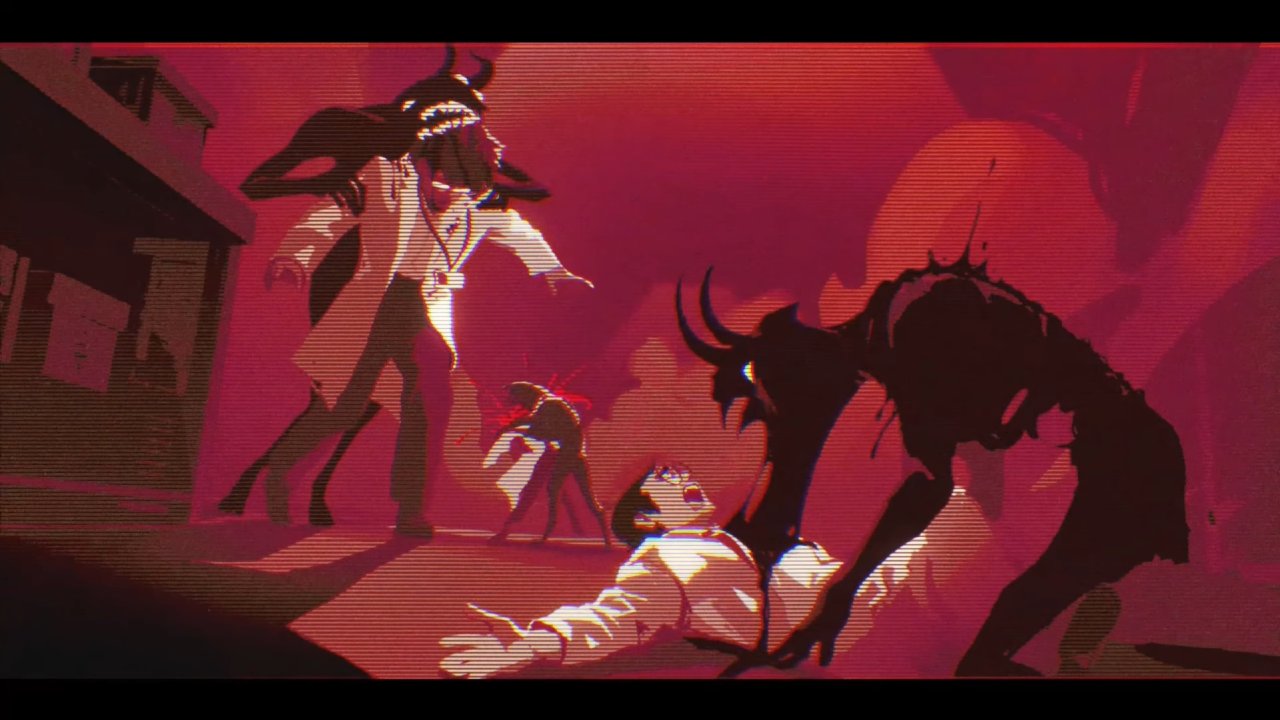
You become Luca, a teenager whose life has literally fallen apart. A terrible accident takes away her legs and puts her on the verge of death. A demon named Rem, who is hurt, offers a deal: if you share your body with her, she will let you live. Luca's new arms and legs are both a blessing and a curse. They give her the freedom to move around, but they also tie her to a being who knows much more than he lets on.
The emotional heart of Possessor(s) is this uneasy partnership. Their relationship gets stronger as they remember things together, work together even when they don't want to, and slowly learn the truth. Both characters have been hurt, and they have to deal with the past as bits of their memories come together. That dynamic is without a doubt the most interesting part of the writing.
But the bigger story isn't as clear. The megacity of Sanzu, which is run by the morally corrupt company Agradine, should feel like a living, breathing ecosystem that is full of corruption. Instead, it often relies on exposition instead of letting the world breathe on its own. Supporting characters have interesting designs, but they don't have much of an effect. The lore about the corporation seems more useful than interesting.
The pacing of the dialogue goes from fast to slow, and some conversations hit emotional notes while others feel too long or unfocused. Even when the bigger story fades into the background, Luca and Rem's bond is still a reason to keep going.
Possessor(s) calls itself a platform fighter-inspired action adventure, but in reality, it's more like a Metroidvania with a focus on combat. Your main goal is to explore different areas of Sanzu, complete tasks, improve your gear, and find the four "eyeballs" that will let you into a key vault linked to Agradine's sins.
The fighting is the best part of the experience. You have a rotating set of weapons, like kitchen knives, metal pipes, baseball bats, and magical specials, each with its own weight and rhythm. The game only lets you carry a certain number of weapons at a time, but that works in your favor because it makes you try out tight, manageable loadouts.
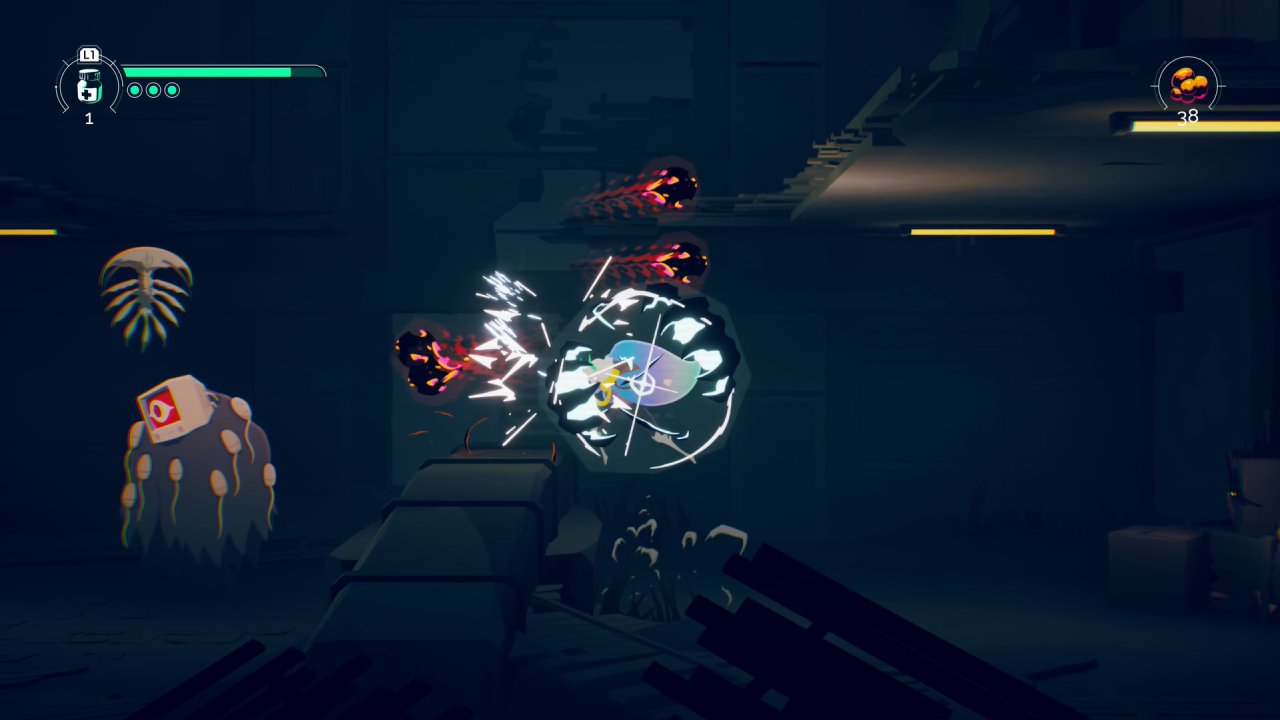
You can unlock new movement abilities over time, like slides, swings, a whip for getting around, and ground-breaking attacks that make new paths. In most Metroidvanias, exploring is the main thing to do. There is some backtracking, but not much. The areas are set up to move you forward instead of making you figure out how to get around on big maps. You will mark points of interest yourself, but the flow of momentum stays smooth and steady.
There are NPCs all over Sanzu that give you side quests. Most of the tasks are pretty simple: get things, get rid of threats, or get to certain places. These tasks usually serve more as structure than as chances to build the world more deeply. The game claims to be a 30-hour adventure for people who want to finish it all, but the content changes in importance during that time. Some routes have well-placed enemies and exciting arenas, while others feel less creative and rely on repetition.
Combat uses a lot of fighting game grammar, like directional strikes, chainable combos, launchers, and a rhythm between light attacks and high-impact specials. The energy gauge is at the center of this system. It is filled up by your normal swings and controls your access to special weapons and abilities. This makes the risk go up and down naturally, so you always have to decide whether to move forward or back.
The parry system is unique. The timing window is fair, so it's easy to use even if you don't usually like precise controls. It feels good to send bullets back at enemies or stun big enemies without getting angry.
Bosses are real standouts: they have multi-phase fights with well-telegraphed movesets that reward careful observation instead of just attacking. The best fights require both patience and quick thinking, which gives each major enemy a unique personality.
But the system isn't perfect. Knockback can be too much, especially in vertical arenas, and it can send you tumbling all the way down platforms you just climbed. Sometimes, enemy swarms trap you in damage loops that don't seem fair and feel like they are punishing you for no reason.
Animations look cool, but they don't always make for smooth, fluid combat sequences, which can make the melee rhythm choppy at times.
Platforming is also inconsistent in the same way. The controls don't allow you to be as precise as you need to be for swinging and climbing, and strange design choices, such as needing to hold a button to climb ladders, break up the flow.
Even with these issues, the overall combat loop remains enjoyable. It feels really good when everything comes together and you can chain strikes, parries, and whip pulls into a smooth sequence.
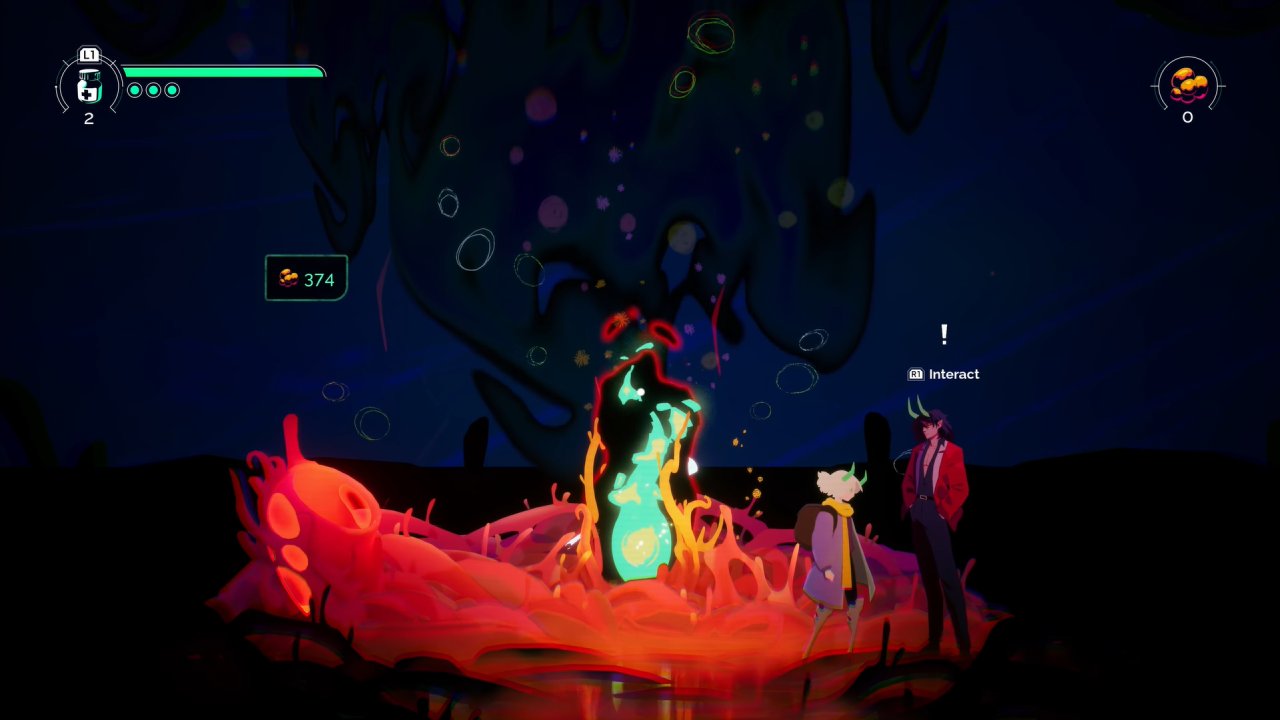
Possessor(s) doesn't use the usual RPG way of grinding for XP to level up; instead, they use currency to do so. When you kill an enemy, they drop currency that you can deposit in safe places. This is important because if you die, you have to go back and get it from where you fell.
Shops all over the city sell weapon upgrades, healing items, and afflictions, which are attachments that change your weapons and give you more stats. You might get more health from perfect dodges, more attack power in some situations, or more inventory slots. Collectible fragments also give you more space for equipment.
Instead of strict optimization, this system encourages trying new things.
Afflictions change how you play in a big way, so you can customize Luca's skills to fit how aggressive or defensive you want to be.
Currency farming is possible, but you don't have to do it if you don't want to have a fully upgraded arsenal. The balance makes sure that your natural progression keeps you strong enough to handle most fights, even if some areas later in the game get harder.
One of Heart Machine's standout features remains its art direction. Character portraits are full of life, and creature designs are always new and interesting. From the start, Luca and Rem look like famous people, and bosses often feel like horrible, imaginative nightmares that stay with you.
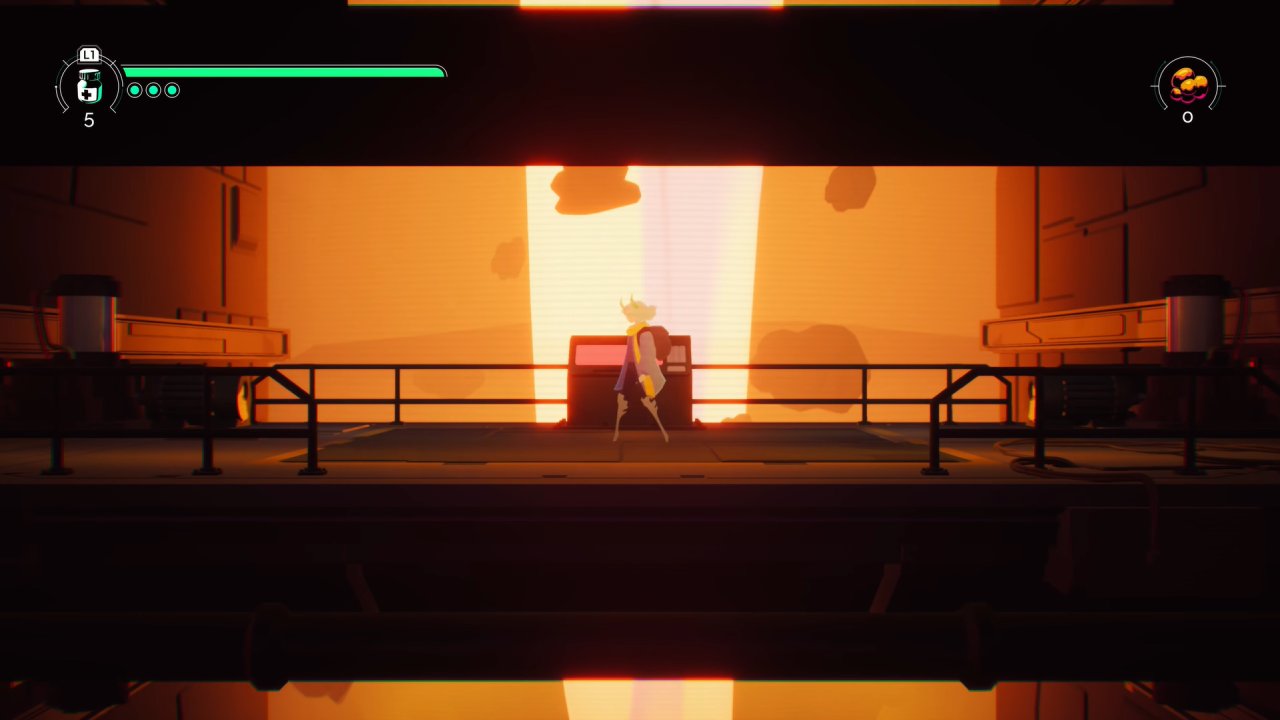
The environmental design is where the visuals fall short. Some parts of Sanzu are bright and colorful, but most of it feels dull and uninviting. Libraries, empty offices, broken lights, and muted color palettes make for long stretches of visual monotony. The game clearly aims to depict a ruined city, but the lack of variety makes exploring less enjoyable.
But the animations during attacks, spell effects, and visual storytelling elements all have that unmistakable Heart Machine style. Possessor(s) can look great at its best. It could blend in with boring backgrounds if it gets too repetitive.
The sound design is always good. Every hit has weight, which makes for satisfying feedback during tense fights. The sounds of parries are clear enough that you can tell right away what they are, which gives you confidence in your timing.
The music for the game is a mix of sad piano notes, atmospheric themes, and more intense battle tracks. The music never gets in the way, but it always enhances each scene's emotional impact. Even when the visuals fail, the soundscape keeps you interested.
There are some performance issues with handheld devices, such as frame dips on the Steam Deck. Still, the sound quality remains consistent across all platforms.
Possessor(s) is a brave return to the 2D genre that made Heart Machine famous. The fighting is fun, the main characters are interesting, and the art direction is definitely stylish. However, it struggles to maintain that pace throughout the entire adventure. Heart Machine's triumphant comeback is hurt by too much repetition in the environment, uneven combat improvement, and a story that sometimes goes off track.
The game still has heart, though: dark, pulsing, and stubbornly alive. Possessor(s) should be on your list if you like Metroidvanias that focus on combat and have emotional stakes and a stylish look. It's not the next great indie game, but it has a lot of personality, ambition, and moments that hit you hard.
Staff Writer, NoobFeed
Verdict
Possessor(s) is stylish, emotional, and focused on combat. Its character interactions and art are great, but the pacing and platforming are uneven. A Metroidvania with flaws, but one that you'll remember if you like intense action and visuals.
80
Related News
No Data.