
Songs of Glimmerwick Review
PC
A cozy fantasy RPG where music is magic, school life has real weight, and even a talking shrub can have a story.
Reviewed by Asura Kagawa on Oct 01, 2026
Songs of Glimmerwick comes from Eastshade Studios and takes the familiar idea of a magical school, building an RPG around it without making combat the focus. Instead, you step into a world where music is magic, gardening is part of your routine, and going to class can be just as important as exploring the island around you.
After spending several hours with the game, what stands out is how committed it is to making you feel like an actual student, rather than simply providing a school-themed backdrop. You arrive at the University of Magic and Melody without quite knowing why you were brought there.
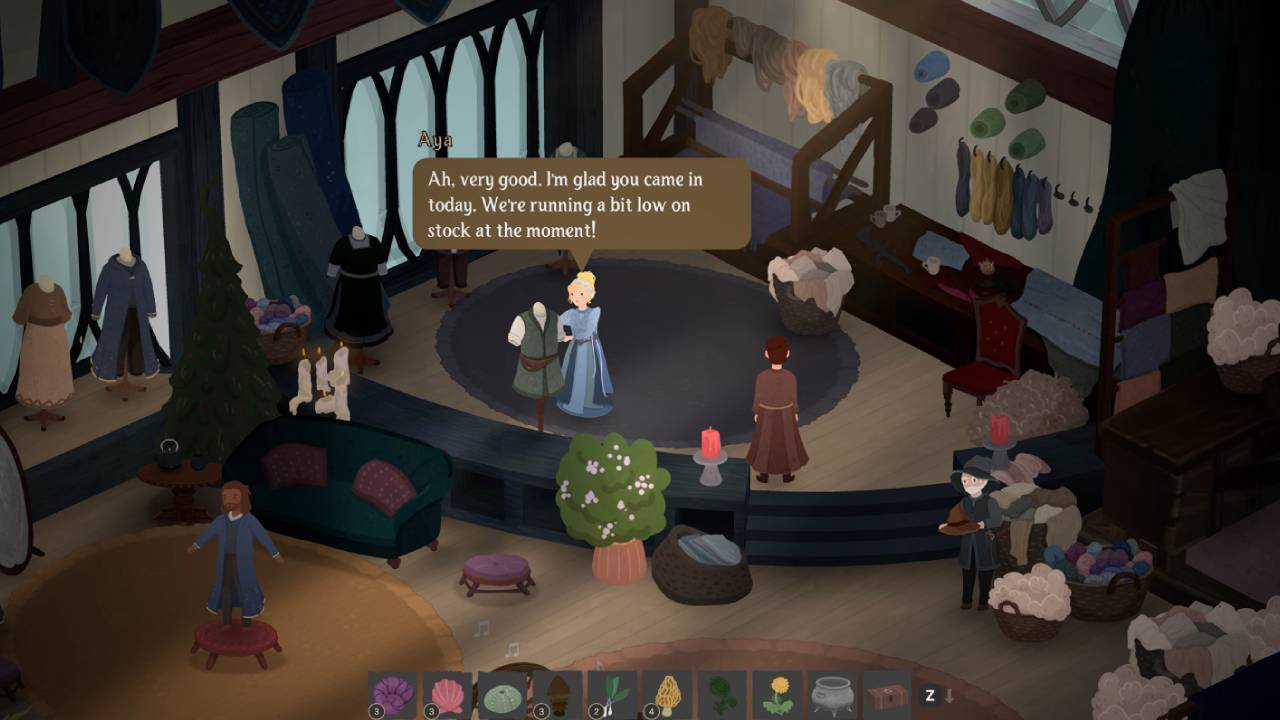
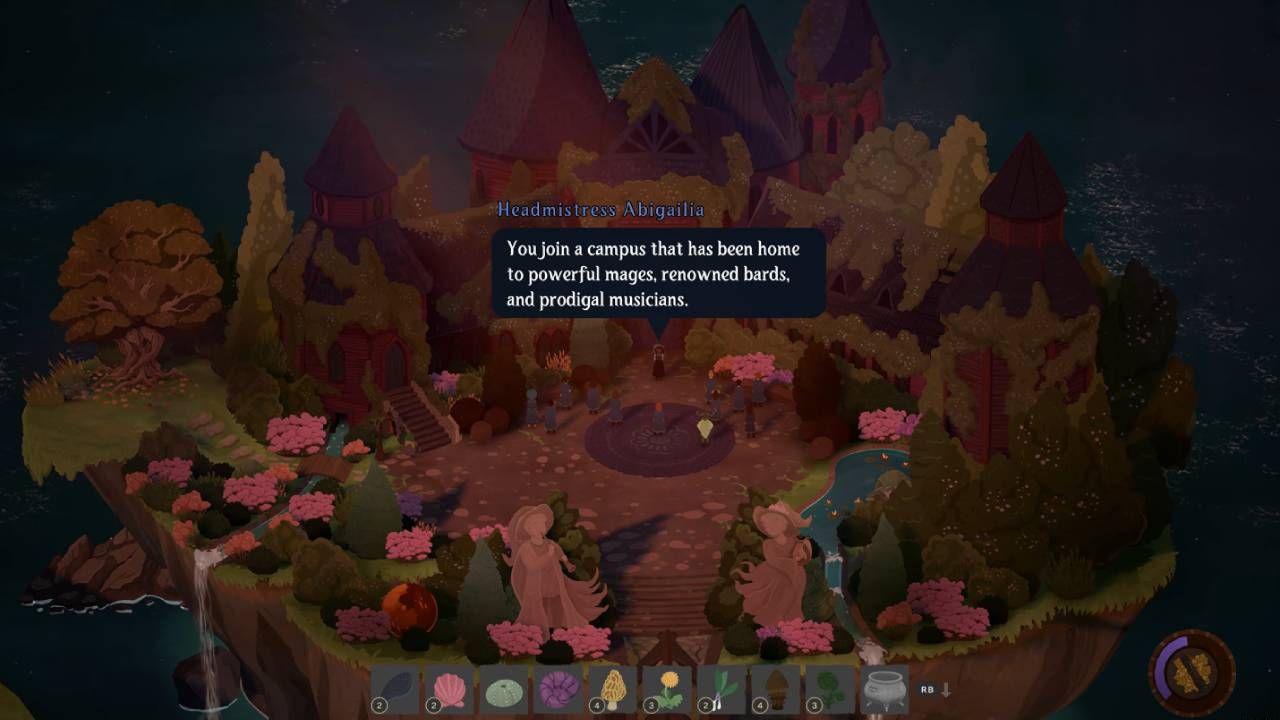
The opening immediately gives you the feeling that you are late to something that's been waiting for you. Before long, you're dealing with dorms, school supplies, classes, teachers, gardens, and the other people who make the academy feel like a functioning place. Even a giant talking dragon statue waits to welcome you, setting the tone for the strange but comfortable fantasy world you're about to enter.
That first impression matters because Songs of Glimmerwick does not feel like it is simply throwing you into a collection of cozy activities.
There is history underneath everything. The academy exists because magic and music were once threatened by a world that tried to silence them, meaning the simple act of learning a song or attending a class carries more meaning than you might initially expect. You're entering a place where ordinary student life is possible because someone fought for it before you arrived.
That idea gives the game's otherwise relaxed school setting some weight. Buying supplies isn't just an errand, attending class isn't just something to fill a calendar, and learning music isn't simply another menu for unlocking spells. You gradually get the impression that you're living in the aftermath of something much bigger. The game doesn't dump all that history on you at once, either. Much of it is built into the setting, conversations, routines, and the way people treat the academy.
Your character becomes part of that world by attending classes, meeting students and townsfolk, tending the university garden, exploring the island, learning spells, completing quests, and uncovering what is happening to the magic surrounding Songs of Glimmerwick.
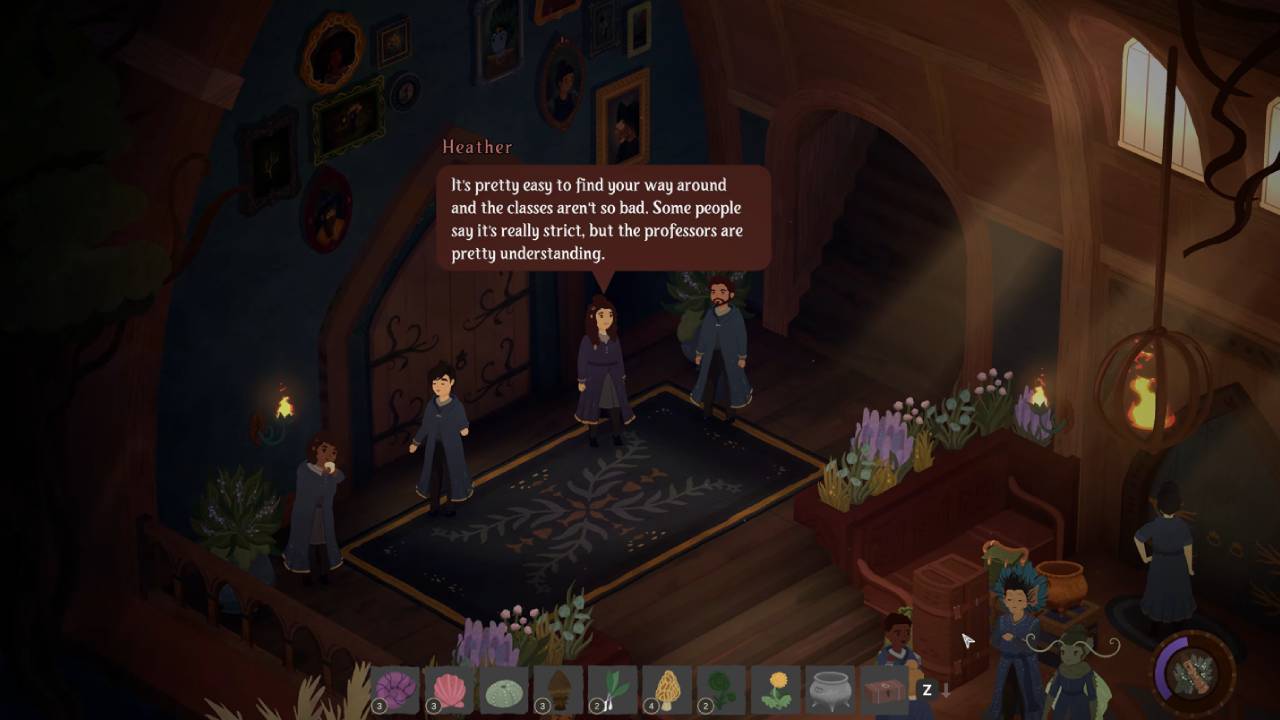
The story was one of the bigger surprises because so much is going on around you that you want to keep talking to people. The conversations are fully voiced in English, including dialogue from minor NPCs, which helps the school feel more populated.
You also get a proper sense of being a student because your days have some structure.
Between classes, gardening, conversations, quests, and exploring, you're not just moving from one objective marker to another. You have reasons to return to the school and people you want to hear more from. The opening can be slow, though. Plenty of dialogue, tutorials, and introductions come before the systems open up, so you'll need to give it time for the larger experience to take shape.
The most important part of Songs of Glimmerwick's gameplay is right there in its name. Music is magic. Instead of equipping spells from a traditional menu, you learn them through musical sequences where you play your flute. Once learned, those songs become practical skills you can use around the world.
That means magic is not something that exists separately from your everyday activities.
You can summon rain for crops, enchant tools, interact with parts of the environment, and eventually reach places that weren't accessible earlier. The musical system fits naturally into the rest of the game, since the spells serve a purpose beyond looking cool.
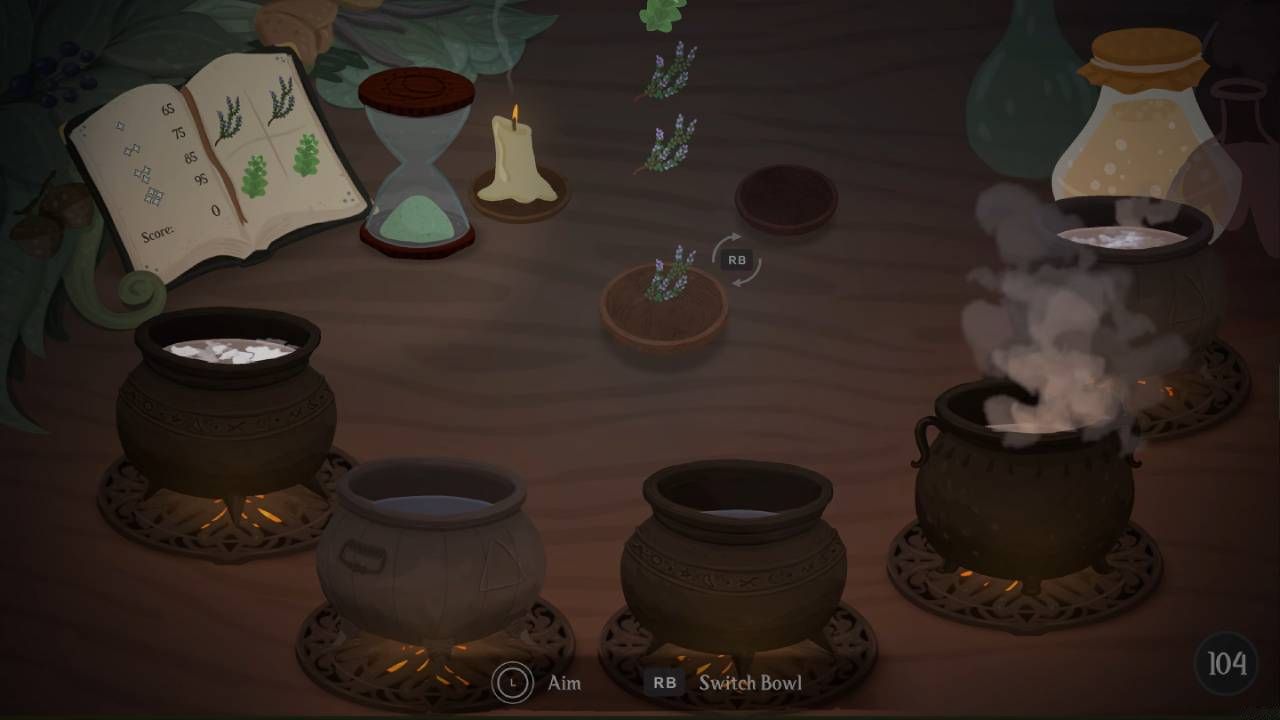
You will also spend time in the university garden, growing both ordinary and magical plants, gathering resources, and using your abilities to make some jobs easier. Gardening plays a major role in the experience, but don't think of it as a farming simulator with super-deep systems. It is one activity among many, alongside potions, crafting, fishing, exploration, side quests, skills, classes, and other extracurricular activities.
The game also avoids unnecessary resource grinding. You can acquire charmed tools that handle tasks like cutting wood and mining, so you're not forced to repeat every small action manually for hours. That keeps resource gathering from turning into a list of chores while wearing a wizard hat.
You still have reasons to gather materials, but the game gives you more time to explore, craft, plant, attend classes, and follow the story.
Mini-games tied to music and potions require quick or precise inputs. If those sections aren't comfortable for you, the game includes difficulty adjustments. That helps because the musical mechanics are central to the experience, but you aren't forced to approach every mini-game at the same difficulty.
Songs of Glimmerwick has no traditional combat, and that is worth making clear before you decide whether the game is for you. You won't spend your time fighting monsters or building a combat-focused character. Instead, the game's challenges come from exploration, spellcasting, potion-making, resource gathering, and figuring out how to use your abilities around the island.
That can make the experience feel very relaxed, especially because time itself isn't constantly working against you. Important events wait for you, so you're not racing around to reach a location before something disappears. If you want to spend an afternoon working in the garden instead, you can. Mana is more of a limitation than the clock.
The lack of combat also means the game needs its other mechanics to carry more of the experience, and for the most part they do. Learning a song and then using it to solve a real-world problem gives the magic system a practical purpose. You are not simply unlocking an ability because the story says you should have one.
You learn it, practice it, and then find reasons to use it.
There are still some rough edges. The opening can take too long to get moving, some menus and inventory interactions feel clunkier than they should, and spellcasting isn't always explained as clearly as it could be at first. But the underlying idea works because the mechanics and the fantasy are supporting each other rather than existing separately.
The world has a hand-painted, storybook appearance, but the environments are built in 3D, giving the island more depth than the visual style might initially suggest. The school, forests, gardens, classrooms, and surrounding areas all feel like parts of the same place rather than disconnected areas.
NPC schedules help with that.
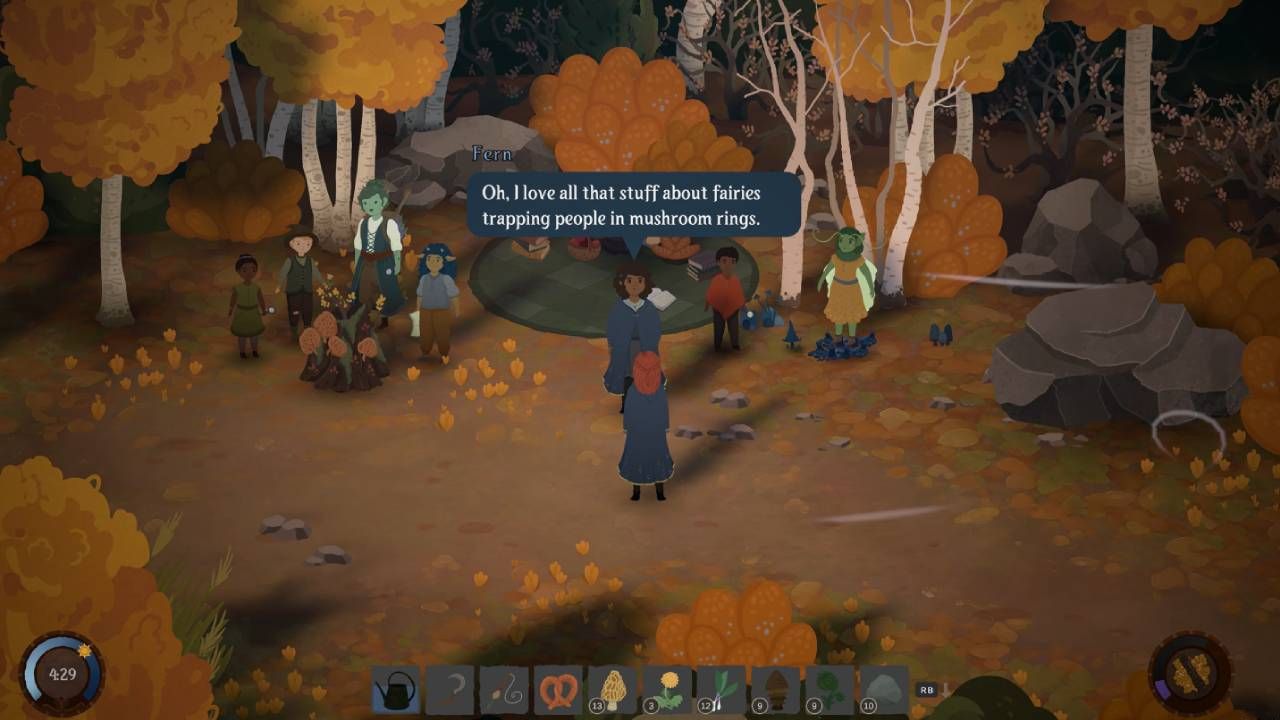
Shops change throughout the day, characters move around, and the lighting changes at night. You get the sense that people have somewhere to be even when you're not directly involved in their activities. That makes the world feel less like a collection of static screens and more like a place that keeps moving around you.
Exploration is also deliberately less direct than you might expect. The maps don't always give you a clear route to your next objective, so you sometimes have to stop, look around, remember information from earlier conversations, and figure out where you're supposed to go. That can lead to some backtracking.
If you only have half an hour to play and want to get straight to your next quest, that design can be frustrating. But if you enjoy wandering around and finding things without being guided every few seconds, it gives exploration more purpose. You can discover roots of the story, clues, resources, and areas that you might otherwise miss.
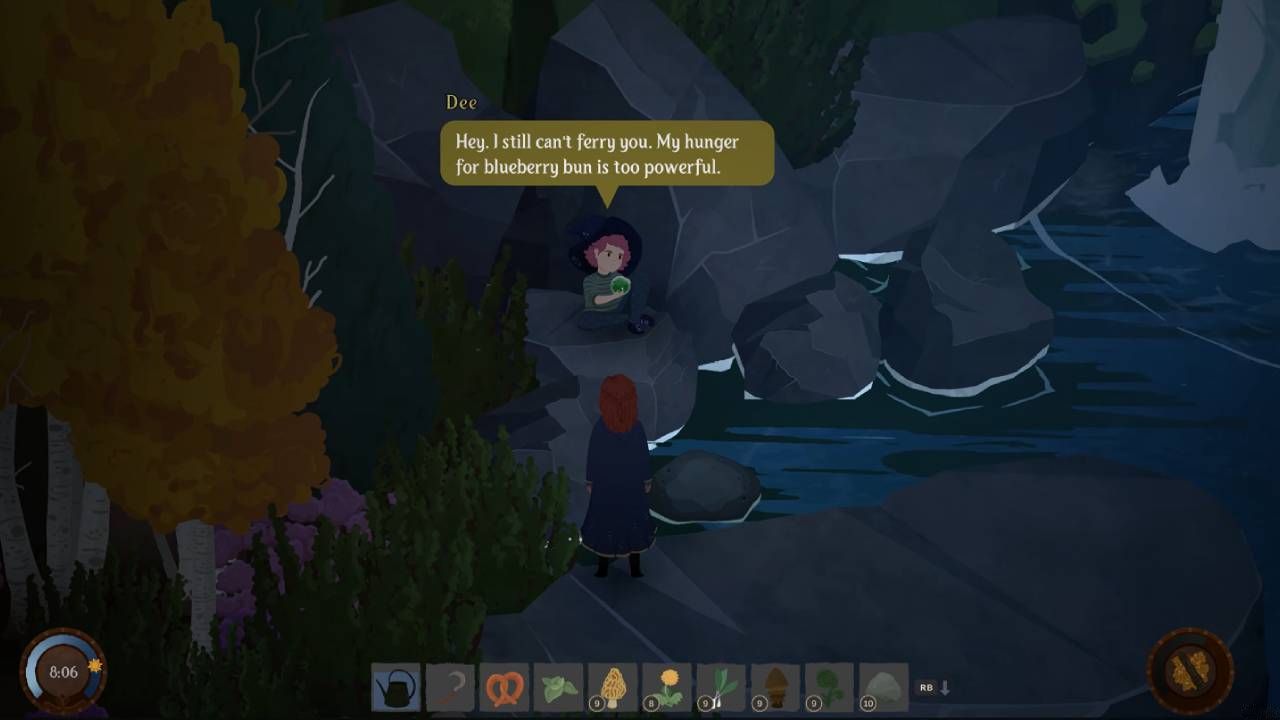
This approach also strengthens the world-building because so much of the setting comes through small details. Crystal balls, for example, function almost like magical phones. NPCs use them to communicate, and you can catch little snippets of everyday conversation through them. At one point, you can even see a witch playing a game on one, which works because the game doesn't stop to explain the joke. That's simply how communication works in this world.
Then there is the Sentinel Shrub, which is exactly the kind of strange fantasy detail that fits the game. Songs of Glimmerwick is willing to let something ridiculous exist without constantly drawing attention to its ridiculousness. The world treats its magical oddities as normal, and that makes the setting easier to believe.
The same applies to the characters.
Even smaller NPCs can feel like they have lives beyond whatever task you're currently doing. You might see someone carrying goods back and forth to the school and get the feeling that a whole story lies behind that person that you simply haven't uncovered yet. You don't need every relationship or secret explained immediately. It is enough that the world makes you believe those stories could exist.
The quests benefit from the same philosophy. Some objectives could technically be described as fetch quests, but they usually have enough dialogue, story context, mini-games, or small surprises to feel connected to the world. You're not simply being handed a shopping list and told to return when you've collected everything.
Instead, quests give you another way to understand how people live in Songs of Glimmerwick.
You meet characters, learn about the school, explore new areas, and sometimes discover another strange part of the setting along the way. The variety between following story quests, working in the garden, exploring, and getting involved in school life also keeps the routine from becoming too repetitive.
Some repetition exists, particularly with waiting and traveling across familiar ground, but it hasn't detracted from the experience. The larger goals give those slower stretches a reason to exist. You can finish one task and still have another song, skill, upgrade, garden project, class, or piece of story waiting for you.
The material I've played doesn't highlight a traditional XP-grinding system, so progression is better understood through the songs, skills, upgrades, garden development, and other abilities you unlock. Those systems give you things to work toward without making the game feel like it requires constant grinding to level up. Your progress is tied more closely to what you're learning and doing in the world.
Visually, Songs of Glimmerwick has a hand-drawn quality that fits its fantasy setting extremely well.
The world often feels like a storybook brought to life in 3D, giving the academy and the surrounding island a distinct identity. Cozy fantasy games can sometimes blend when they rely on the same combination of cottages, warm lighting, grass, forests, and soft colors. Still, Songs of Glimmerwick gives those familiar ideas enough personality to stand apart.
The art also helps with storytelling. The school doesn't look like some enormous monument designed to tell you how important it is. It feels like a place people have protected and lived in. The forest, garden, classrooms, and characters all feel intentionally designed rather than assembled from generic fantasy pieces.
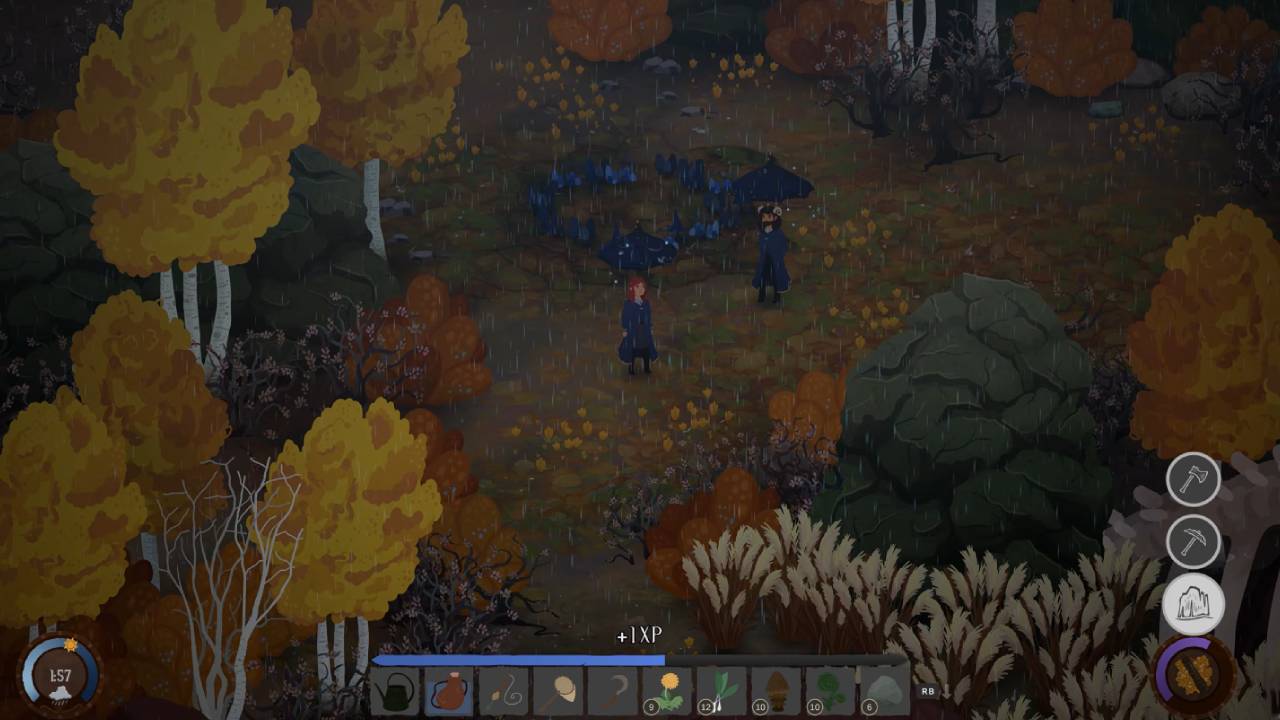
Character design benefits from that same approach. Even people who aren't central to the story look like they belong in this particular world. There were also a few minor visual issues, particularly with lighting bloom and heavier shadows in areas such as the forest, which could sometimes make the player character harder to see.
The voice acting is another major part of the presentation.
Characters have their own rhythms, and you can distinguish them by voice alone. That makes conversations feel less like you're moving between quest dispensers and more like you're actually speaking with people who live in the academy.
The music, though, is where the audio really matters. Music is a huge part of the story, magic system, and history of the game, so the soundtrack has a lot more riding on it than just atmosphere. The idea that music was once forbidden and is now openly taught gives the songs a place in the world, rather than treating them as background noise.
That makes the musical mechanics feel more meaningful, too. You're not just pressing notes because the developers wanted a rhythm mini-game. You're playing songs because that is how magic works in this world. The audio and gameplay therefore reinforce the same idea.
Some of the NPC dialogue was missing a few voice-over lines, which was more noticeable since the rest of the voice acting is so consistent. There were also the odd times when NPCs would still eat or drink during dialogue, leading to some funny visual awkwardness.
These are presentation issues, not issues with the game's overall foundation.
The experience itself was mostly smooth, technically. The first three impressions covered sessions with no crashes, major bugs, or big performance issues. The game ran smoothly on PC with a mouse and keyboard, and the UI was clear and well-designed for the fantasy setting.
After spending several hours with Songs of Glimmerwick, the biggest reason to keep playing is not one particular mechanic. It is the way the different parts fit together. The school, music, magic, gardening, characters, quests, exploration, and history all point toward the same idea: you're living in a magical world rather than simply completing activities inside one.
That is also why the game's slower pace works when you're in the right mood for it.
You're expected to spend time talking to people, wandering around, attending classes, growing plants, learning songs, and discovering the world at your own pace. If you're looking for combat, difficult survival mechanics, or fast action, there isn't much here.
But if you want a fantasy RPG where the school setting is actually important, Songs of Glimmerwick has a lot to offer. The opening may take patience, navigation can occasionally be unclear, and some systems still need polish, but the world offers plenty of reasons to keep exploring.
After the first few hours, you can already see how much more could be underneath the surface. The game doesn't answer every question, but it gives you enough information to make those questions interesting. You start wanting to know more about the academy, its history, its people, and what happened to the magic before you arrived.
For me, that is what makes Songs of Glimmerwick work. It isn't simply a cozy game with a magic-school skin. It understands that if you're going to play as a student, learning needs to be part of the gameplay. If you're going to make music magical, the world needs to treat music as something important. And if you're going to build a fantasy school, the place needs to feel like somewhere people actually live.
Songs of Glimmerwick still has some things to prove over a full playthrough, particularly in how its systems hold up over a longer adventure.
But the foundation is there. If you enjoy relaxed exploration, story-driven quests, gardening, character-focused gameplay, and learning spells through music, this game gives you plenty of reasons to keep an eye on it. The strongest part is that you don't just want to see what happens next because the game tells you there is more to discover. You want to find out because the world has already given you enough to make you curious.
Staff Writer, NoobFeed
Verdict
Songs of Glimmerwick delivers a charming magic-school RPG built around music, exploration, gardening, and story. Its slower pace and lack of combat won't suit everyone, but the world gives you plenty to discover.
75
Related News
No Data.