
Toto's Journey Review
PC
Reimagine Oz through a lost dog’s eyes in a charming, magical puzzle-adventure.
Reviewed by Elme Dhee on Nov 20, 2026
The Wizard of Oz has been adapted into countless versions, and Dorothy, the Scarecrow, the Tin Man, and the Cowardly Lion remain beloved characters for generations. Toto's Journey is told from another point of view, that of Dorothy's faithful dog. This indie adventure doesn't follow the traditional heroes; instead, it explores Oz through the eyes of a little companion.
The premise is a mysterious tornado that carries Toto from Dorothy into a magical world. The little black dog finds himself alone in a strange place and has to find his way home. It's a simple motivation, but it adds an emotional undercurrent to the adventure. Toto does not want riches or glory. He wants to be with his owner again.
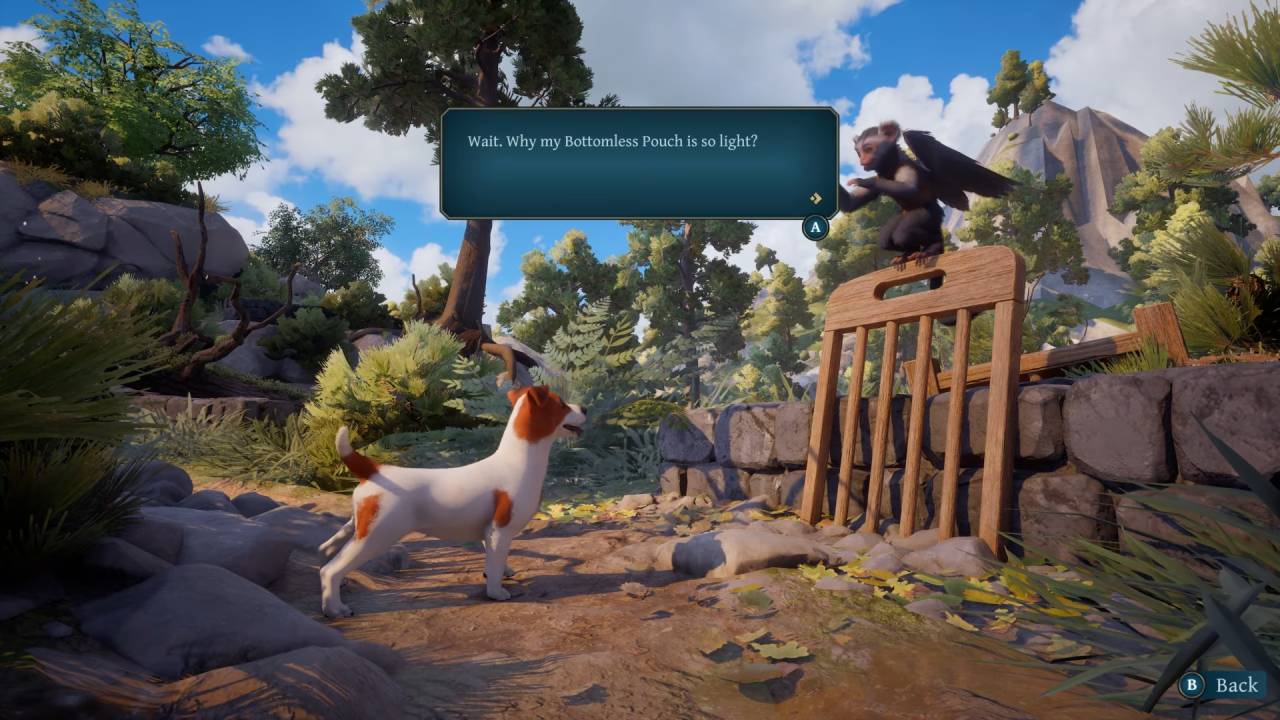
That perspective gives Toto's Journey a distinct personality among fantasy adventures. Instead of making its main character a powerful hero, the game creates an experience around an animal traveling in a world much bigger than itself. Toto's journey includes bizarre creatures, unfamiliar places, and environmental hazards. Curiosity and exploration are intrinsic to the experience.
Hanuman Games calls the project an original take on L. Frank Baum's 1900 book, and not an adaptation of the famous 1939 movie. This distinction gives the developers the freedom to bring in their own characters and locations. Therefore, Toto's Journey is best enjoyed as a stand-alone fantasy adventure inspired by Oz rather than a straight retelling of its familiar cinematic counterpart.
A re-imagined, familiar fantasy world.
Although the Land of Oz is the game's setting, Toto's Journey doesn't simply move the classic story's locations into the game. It conjures up new corners of this magical world, weaving in places associated with familiar characters. The result is an attempt to keep the spirit of the original material without being too reliant on recognizable scenes.
Some locations have connections to the original characters through their surroundings. The thick forests remind us of the Cowardly Lion, and the mechanical ruins of the Tin Man. To longtime fans, these places are more than just references. They add atmosphere and suggest a history beyond Toto's immediate quest.
Environmental storytelling seems to be a big part of the narrative. It lets the locations speak for themselves, rather than relying on conversations or long dialogue sequences to explain everything. Players learn about the world by walking around and exploring the places Toto searches as he pursues Dorothy.
That feeds into the game's more reflective aims. A small dog wandering through a vast fantasy landscape lends itself to visual storytelling, naturally, especially when the everyday becomes strange from his perspective. Toto's Journey seems more interested in keeping players curious about what lies beyond the next path than in constantly nudging them toward the next narrative revelation.
The world is worth discovering for its own sake.
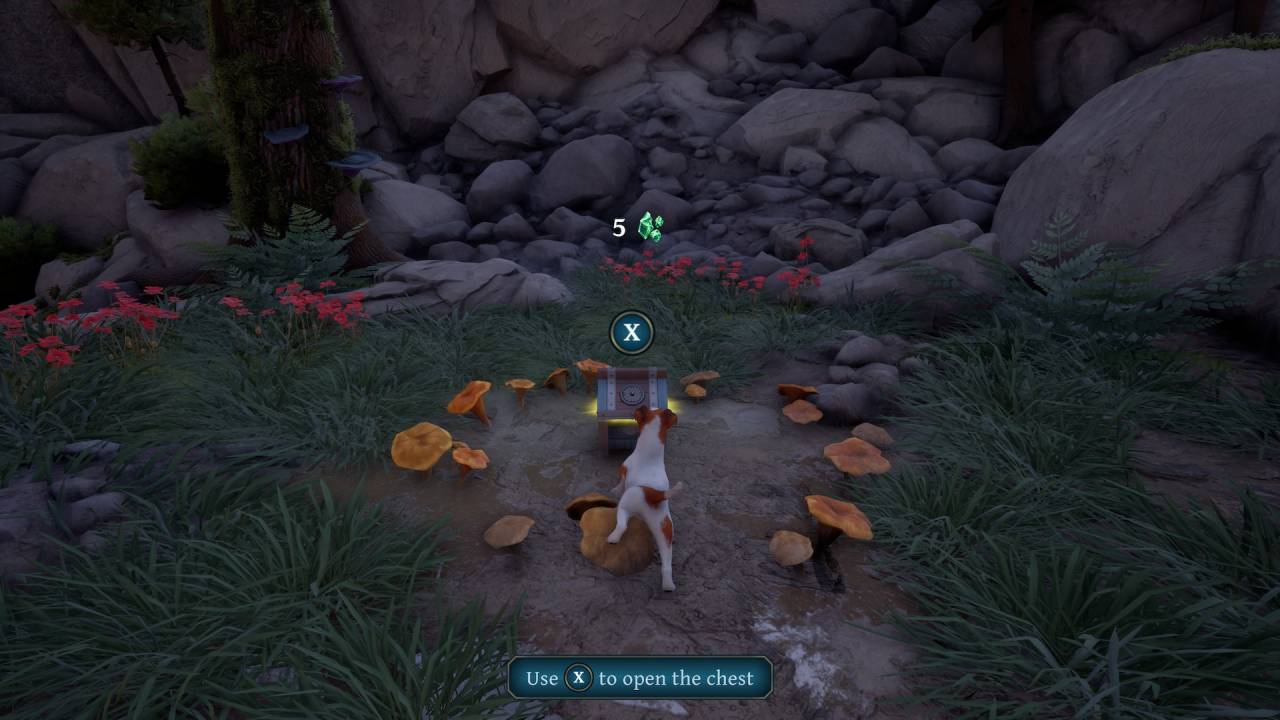
Exploration is possibly the best thing that Tott's Journey has to offer. Its world encourages players to move, explore new places, and try things until they figure out how to move forward. It's reminiscent of older adventure games, especially those from the PS2 era, when you had to keep an eye on where to go next, instead of relying on objective markers all over the screen.
That freedom will be a welcome change of pace for players used to modern games that tell you what to do at every turn. You might feel like you accomplished something by exploring colorful fantasy worlds and uncovering secret paths. If there's one thing the game has going for it, it's that it encourages curiosity. Players can explore the world at their own pace instead of making every trip a checklist of obvious goals.
But the same design philosophy can be frustrating when the next objective is not clear. Players may find themselves traveling between familiar places without knowing what they are supposed to be looking for, or if they missed an important clue. This vagueness isn't inherently wrong, but it makes the experience less approachable for players who prefer more guidance.
In the end, it comes down to expectations. Toto's Journey is more of a relaxing adventure than a tightly directed action experience. Exploring it encourages patience and experimentation, making discoveries satisfying when players finally find the right route. By contrast, people who like explicit instructions may not enjoy its relatively open style.
Toto's doggy instincts give exploration a unique identity.
One of the adventure's more interesting ideas is seeing the world through Toto's eyes. Places that might look normal to a human character become huge environments for a small dog. It changes how players learn familiar spaces, making exploration feel more personal and creating a sense of scale that adds to the fantasy setting.
Toto has his own dog-sense mechanic that lets him sniff out trails, find hidden paths, and uncover secrets. This means navigation isn't based only on visual cues. Players should think about what their dog can smell, using his instincts as a practical exploration tool, rather than a decorative touch.
This mechanic distinguishes Toto's Journey from other dog-centric adventures like Spirit of the North and Stray. The inevitable comparisons come because all three put an animal protagonist at the center of the experience. But Toto's connections to the Land of Oz, its magical powers, and the environmental puzzles give it a distinct fantasy identity.
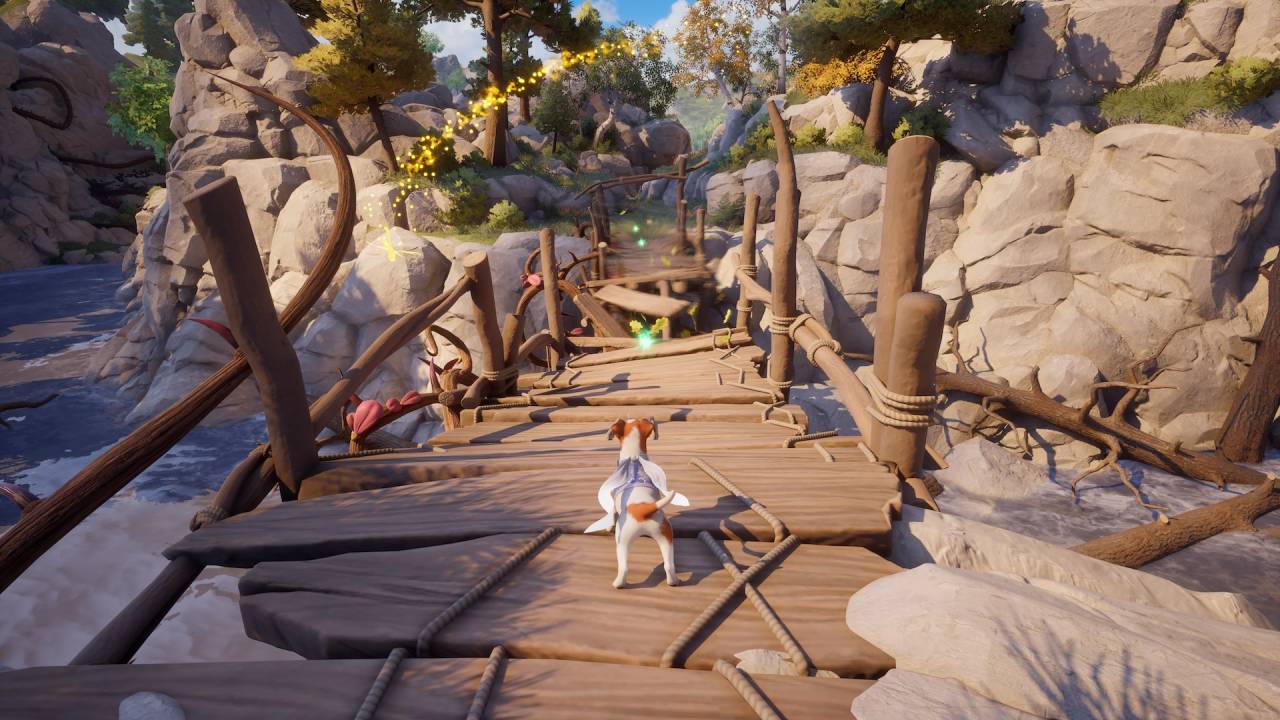
This perspective also works with the cute presentation. Toto is a small companion in environments that feel much larger than he is, which opens up possibilities for charming visual moments. Instead of relying on old-school "talky" narrative, the game can express personality in movement, environment, and the connection between the dog hero and the magical world.
Exploration is tied into progression through environmental puzzles.
Another big element of Toto's Journey is solving puzzles, and the challenges are embedded right into the places you visit. The tasks include opening blocked passages, repairing broken mechanisms, and interacting with light and shadows. Rather than using unrelated logic puzzles, the game seems to embed its puzzles into the environment and the larger exploration.
Solving environmental puzzles also reinforces the game's quieter atmosphere. It encourages players to look around and see how things might fit. In terms of progress, it can be really satisfying to fix a mechanism or find a way through an obstacle, especially when it ties back to something you missed while exploring.
Light and shadow puzzles are especially interesting because they add another layer to environmental interactions. The available information doesn't reveal their exact solutions, but the idea leaves room for creative challenges. Success will depend on how well the game explains its rules and whether players can figure out how light sources, shadows, and nearby objects relate to one another.
The puzzles also fit the environmental storytelling approach. A broken mechanism or a strange layout of objects can speak volumes about a place while also giving players a practical obstacle to navigate. Combining puzzles and exploration can make moving forward feel like a natural result of understanding the world, not a bunch of disconnected challenges.
Toto is slowly gaining more magical powers.
More interesting progress systems are the magical items that give Toto new powers. These objects also let the protagonist interact with his environment in new ways, opening up possibilities to access otherwise inaccessible areas. It also brings in the familiar adventure-game progression loop, where a new ability can make revisiting early locations worth the time.
The Turban of Winds is a good example of this system in action. Upgrading it lets Tostoto run faster and jump higher, which gives him more options to move around and access places he couldn't reach before. It's a simple ability, but it's more than just moving around—it affects which paths and secrets players can reach.
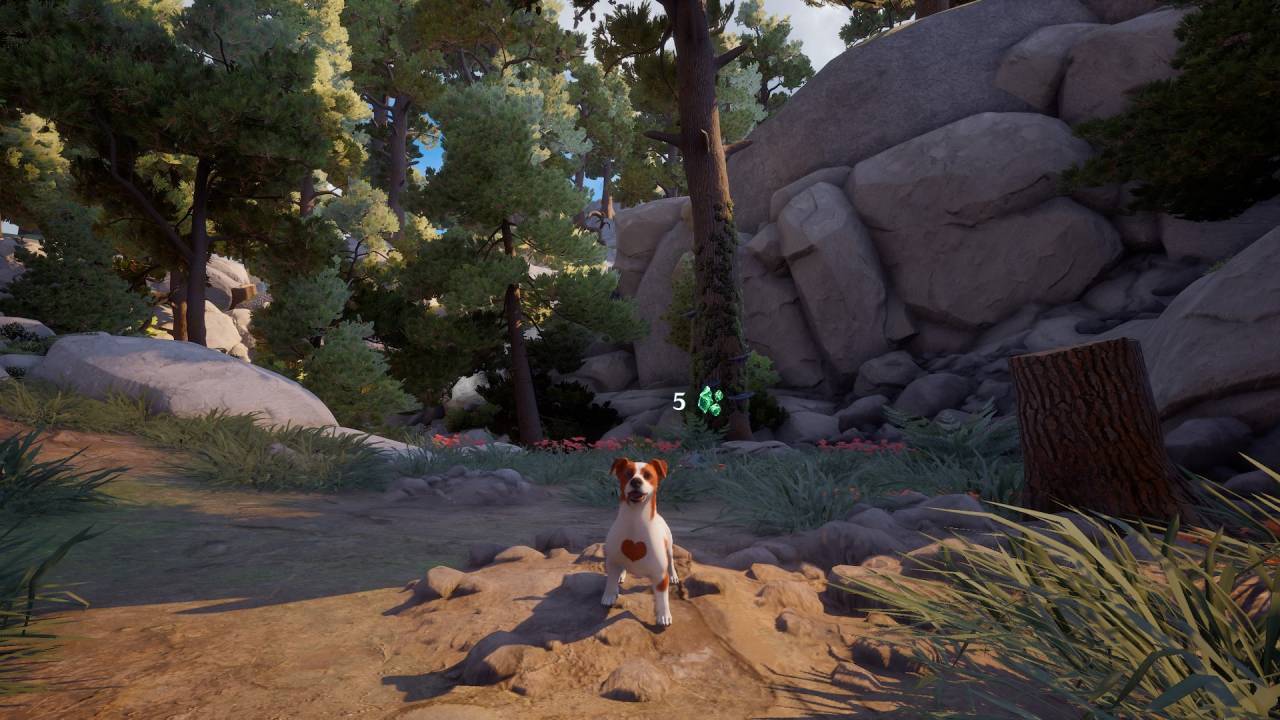
This leads to a smaller-scale Metroidvania-style structure. Players collect a magical item, learn what it lets Toto do, and may return to earlier areas to explore places previously off-limits. It encourages purposeful backtracking, adding another level of value to familiar environments rather than making every area throwaway after its first exploration.
Toto gradually grows stronger by solving puzzles, unlocking more magical abilities. The source never mentions the whole list of items or any ability, so the final selection remains a mystery. The system still has a progressive structure that ties together exploration, puzzle-solving, and gradual expansion of the protagonist's capabilities.
A warm adventure for a clear audience.
Toto's Journey isn't aimed at those who want fast-paced action, demanding combat, or survival mechanics. The pacing is said to be slow and contemplative, with exploration and environmental problem-solving taking priority. Some talk of light combat elements, but nothing suggests combat is the main focus.
Players who like peaceful adventures might like that approach. Titles like Spirit of the North, Stray, and A Short Hike show that exploring an interesting world can be the main event. Toto's Journey seems to take a similar tack, rewarding curiosity and discovery rather than constant action or increasing difficulty.
Its family-friendly presentation makes it more accessible to a wider audience. The mellow tone, cute dog hero and colorful fantasy worlds combine for an experience that might appeal to younger players and families. The description made no mention of graphic violence. The general atmosphere is described as peaceful, good-natured, and sometimes humorous.
However, gamers hoping for a true adaptation of The Wizard of Oz should temper their expectations. Dorothy doesn't take center stage here, and the plot doesn't promise to recreate the familiar tale. Instead, Toto's Journey takes the original literary setting and uses it as the backdrop for a separate adventure about a dog trying to get home.
Toto's Journey could be a standout cozy indie adventure.
The premise of Toto's Journey is appealing, partly because its point of view gives a familiar fantasy setting a new identity. In Oz, if you're a small dog, you'll find environmental storytelling, secret paths, and cute encounters. The adventure builds on several interconnected systems, including canine instincts, magical abilities, and puzzle-solving.
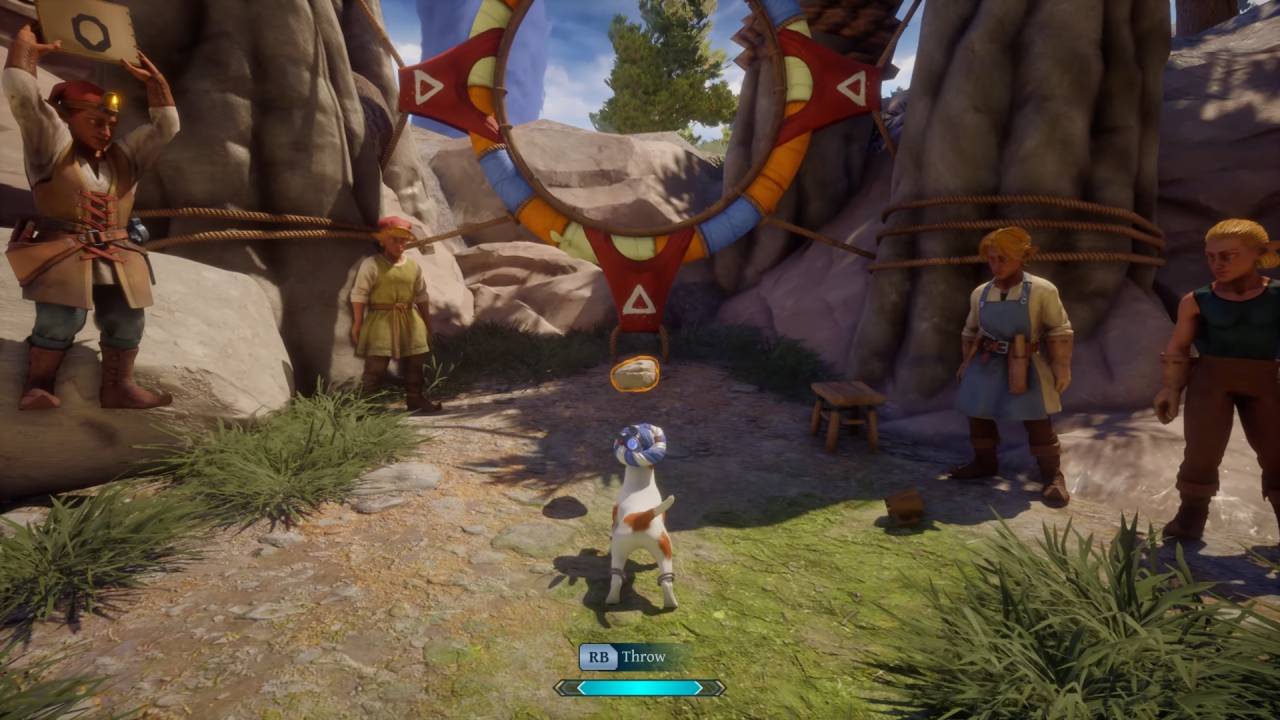
The strongest early impression is that of a focus on exploration. For players who enjoy taking their time, the world can be rewarding. There's the freedom to explore unfamiliar areas and find paths without a guiding hand. But the same design could be frustrating when important objectives are difficult to identify, so the tradeoff between freedom and direction is especially important.
The progression system also has some potential. The Turban of Winds and other magical items add practical abilities that can change how players navigate previously visited locations. Add puzzles with mechanisms, light, and shadows, and these upgrades could give players a satisfying reason to keep exploring. The data suggest a promising structure, but the full picture isn't yet clear.
In the end, Toto's Journey doesn't seem that interested in reinventing the cozy adventure genre. Instead, Hanuman Games takes a familiar literary world and explores it differently. A lost dog searching for his owner is a simple premise, but its combination of fantasy, exploration, and environmental puzzles could help the game stand apart among indie adventures.
Editor, NoobFeed
Verdict
Toto's Journey is a charming Oz-inspired adventure with promising exploration, canine abilities, and environmental puzzles, although its relaxed pacing and unclear direction may not suit everyone.
73
Related News
No Data.