
WiZmans World Re; Try Review
Nintendo Switch
A lost DS relic reforged for modern mages.
Reviewed by Asura Kagawa on Feb 24, 2026
One of the best things about gaming culture is that old games stuck on outdated technology or never released outside their home regions are coming back. Jaleco made WiZmans World for the Nintendo DS in 2010. It was one of those little-known JRPGs that didn't get much attention throughout the world. At its debut, it never made it to the West.
Now, more than ten years later, it is back as WiZmans World Re; Try on Steam, where it may be played by people all around the world in a remastered version. When you play it on PC for the first time, it seems both nostalgic and weirdly experimental, like a relic from a different time that has been polished just enough for modern screens.
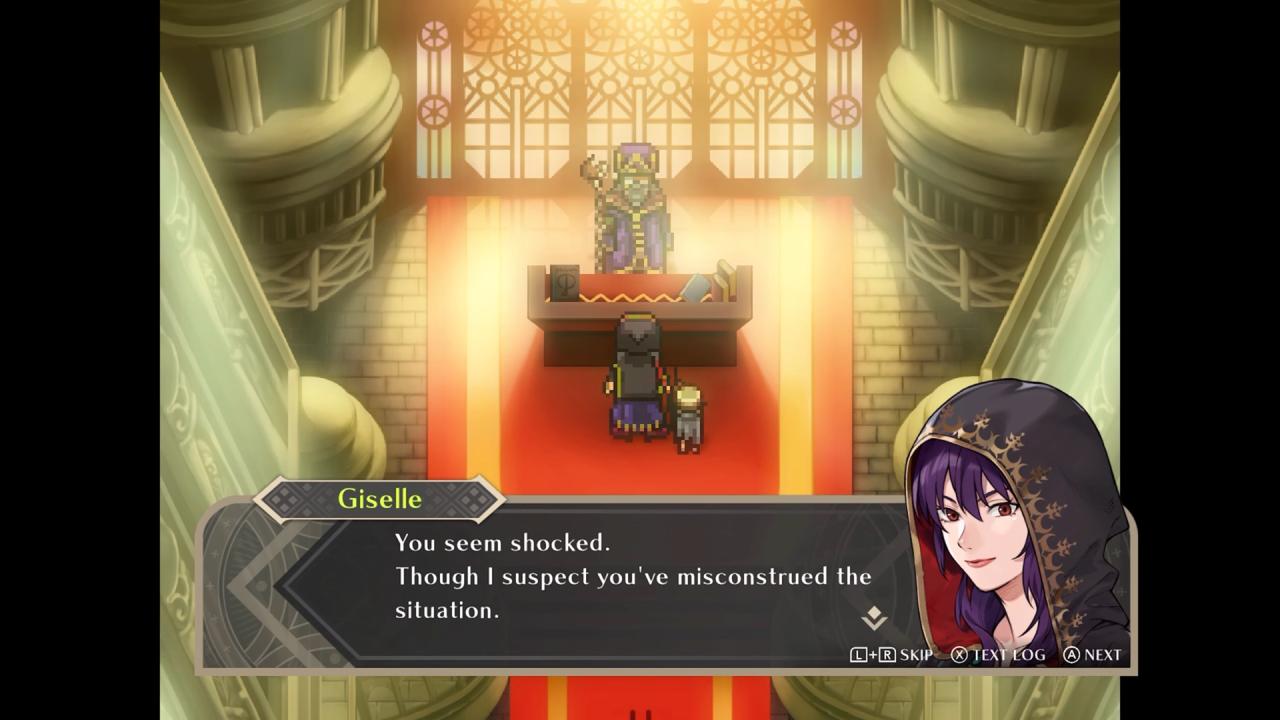
WiZmans World Re; Try is set in the city of Wizarest, which has been cut off from the outside world for at least a hundred years.
The city became cut off after a strange collapse, and what's worse is that its residents often forget anything that happens outside of its walls. Over time, memories of the outside world have faded, leaving just bits and pieces and questions. The only way to get things back to normal is to go into the dungeons around you. You look for power and the truth about what happened by investigating and defeating them. You also want to know if you can escape.
You play as Claus, a child who was found in a dungeon outside of Wizarest and fostered by the famous alchemist Giselle. He is now ready to become a real wizard adventurer. But Giselle has inexplicably disappeared, so you have to go deeper into the unknown with three homunculi she made: Aen, Doe, and Toori. You have two jobs: discover your mentor and learn the secrets that keep Wizarest from its predetermined fate.
The setup is really interesting from a story point of view. The feeling of a buried past, together with NPC dialogue that hints at hidden realities, draws you in right away. People in towns give you tasks and bits of world-building that show how strange and dangerous life in Wizarest really is.
At key points in the story, you can even make choices that matter.
It is hard to tell how far-reaching these choices are without playing through the game numerous times, but the way they are presented gives them weight, which suggests that they have big consequences. Claus doesn't say much, but there are times when his personality shines through, which makes it easy for you to care about his adventure.
The game maintains a continuous loop: get ready in town, go into dungeons, come back to regroup, and do it all over again. Getting ready means getting what you need, improving your gear, and most importantly, using the Anima Fusion system. This mechanic is what makes WiZmans World Re; Try work. You can get stuff from enemies' souls after you beat them. These souls are what you use to fuse and improve your homunculi.
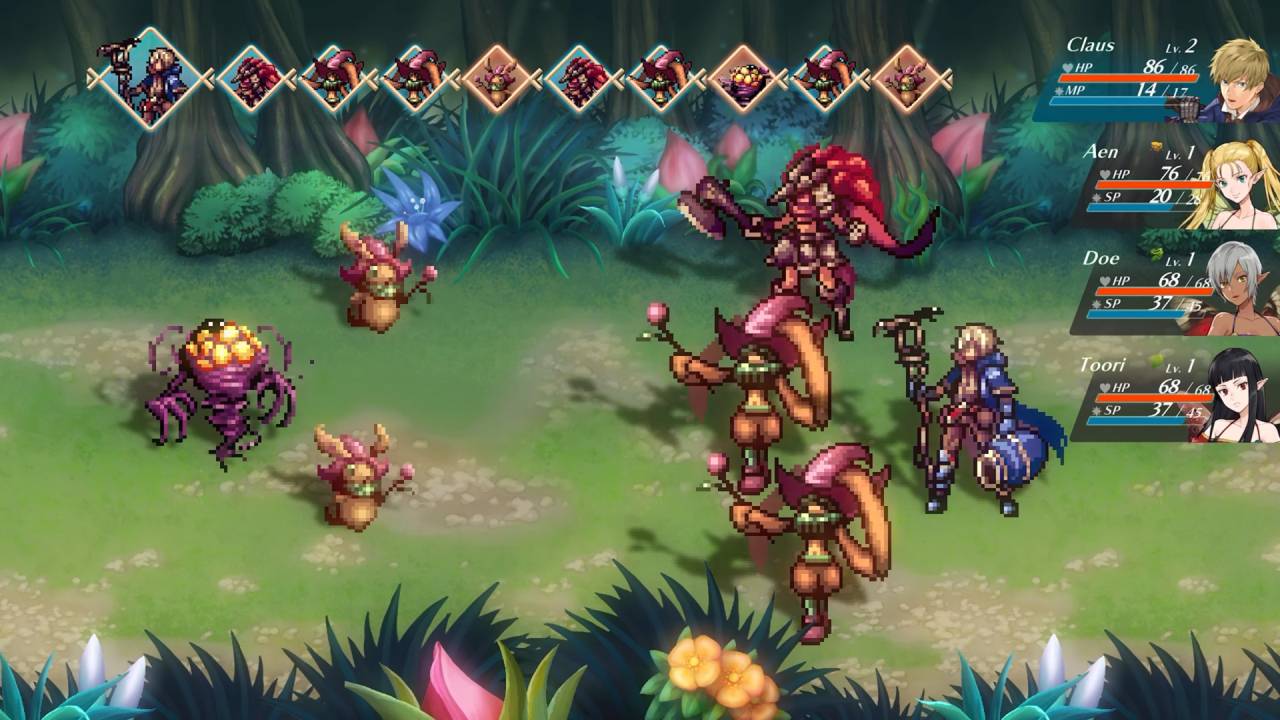
There are several uses for Anima Fusion.
Each homunculus can mix with monster souls to change their elemental affinities, combat abilities, and even the types of attacks they can use. Skills turn into certain elements, and the amount of damage they do changes a lot depending on how you set them up. You need to keep track of affinities because resistances and vulnerabilities have a big effect on encounters.
You can also add special goods to fusions, which will give you more stats or unique powers. It's amazing how much you can change, especially since the system is based on four primary parts. Another thing to talk about is how Wizarest works as more than just a hub. Every time the story goes back to the same place, it quietly reinforces the idea of being alone that runs throughout.
NPCs say parts of worries, hopes, and fears that they only half-remember, which makes the ambiance curiously circular, like the gaming loop. You refill your supplies, check on side tasks, try out new Anima Fusions, and get your mind ready before going back into another dungeon.
This beat becomes familiar and almost like a ritual over time.
Using a mouse and keyboard to move around menus on a PC is smooth and responsive, which makes managing things a lot easier than it would have been on previous hardware. Even when you're tired of the dungeon, going back to your home base gives you a chance to relax and think about your plan again.
It's also really lovely to play a restored JRPG from the Nintendo DS period on a current device. The structure, tempo, and design philosophy are very much of their period, which may be either invigorating or irritating, depending on what you expect. You can tell that WiZmans World Re; Try is a portable game since it has short dungeon-crawling sections, a lot of text-based storyline, and deep fighting that focuses on the system.
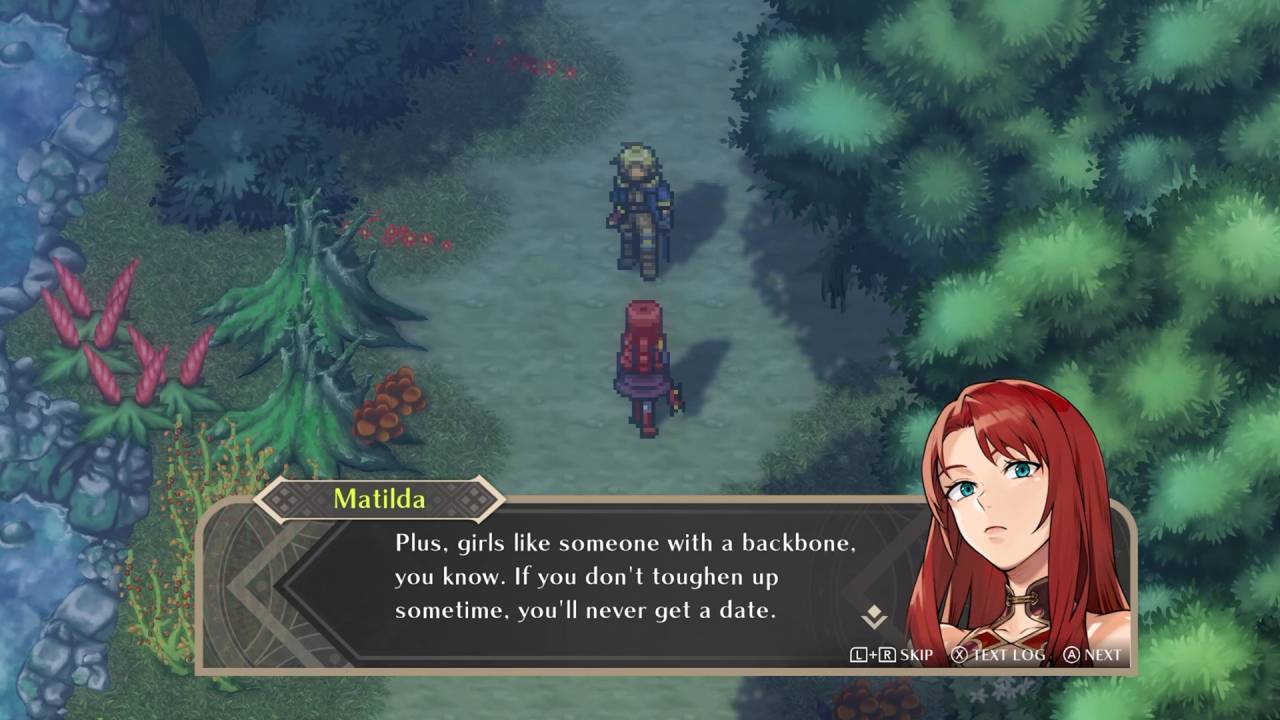
When you look at it this way, its oddities make more sense. It doesn't change the genre, but it keeps a part of JRPG history that many Western viewers never got to see. Even though the game doesn't always do a great job of executing its ideas, that preservation alone lends it a certain silent value.
The homunculi are the most important parts of customization and growth, although Claus is still an active member of the party.
He can do a lot of different things and learns magical skills from different elements as he levels up. This makes it so that you are rarely stuck in a certain elemental matchup. The homunculi also level up and get stat bonuses, which makes the feeling of progress even stronger. Everything sounds interesting and layered on paper.
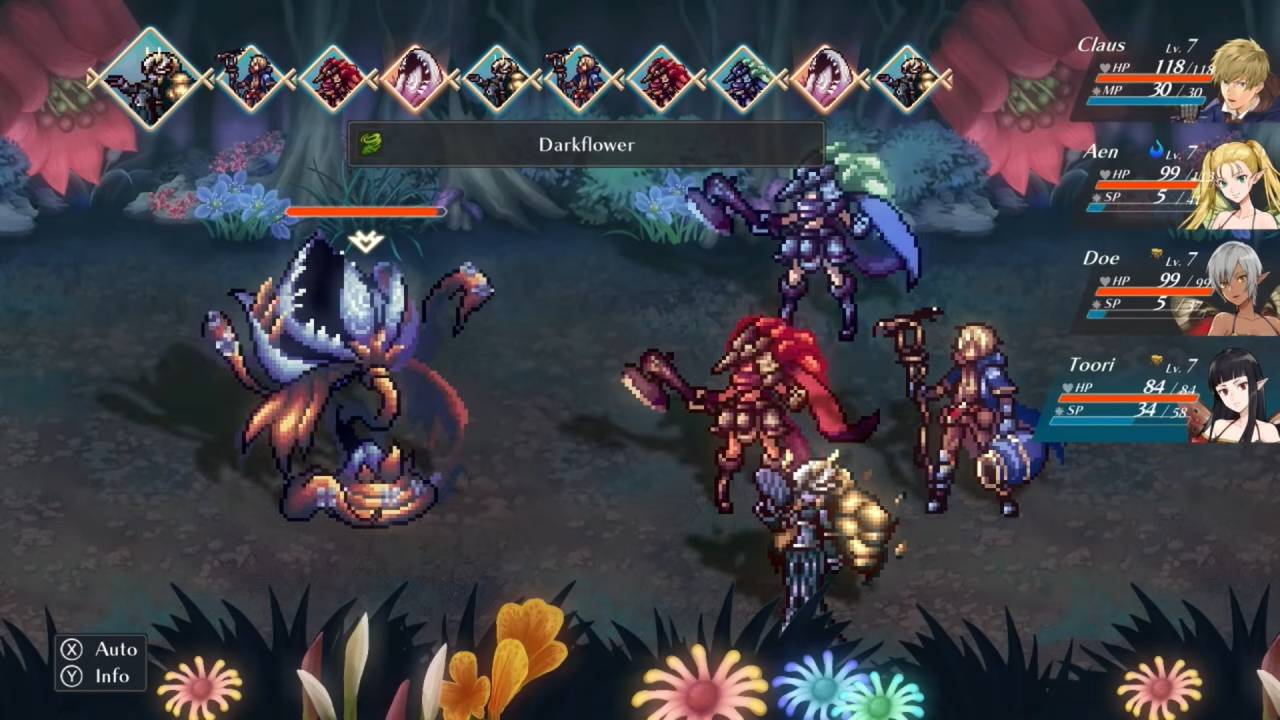
In combat, each side takes turns. You may see enemies in dungeons, and where you stand matters. If you come up from behind, you get a preemptive assault, which lets your whole party attack before the normal round sequence starts. If attackers attack you from behind, they get that advantage instead.
The speed stats at the top of the battle screen show who goes first. You can aim at foes who are about to act next, which could mess up their plans. The chain attack method is one of the most fun things to do. A chain forms when your party members attack one after the other without stopping. The damage output goes up as the chain level goes up.
This makes players think carefully about how to employ speed buffs and debuffs to keep the game going. Chaining attacks feels good and strong when it works, and it adds a level of tactical thought that goes beyond just using elemental weaknesses. But the way dungeons are designed makes a lot of stuff less likely to happen.
Layouts are usually too linear, and maps are generally full of enemy icons. Some monsters in the overworld move swiftly, which makes it hard to escape them and leads to a lot of fights. Efforts to provide diversity through mechanics, like dungeons falling apart or changing their layout, often don't work well. They don't feel lively; they feel a little undeveloped. It can get boring to traverse. Finding the right balance can be hard.
When you first explore a new dungeon, the enemies can be too much to handle.
They do a lot of damage, so you have to keep going back to town. But after a few levels and more fusions, normal fights become very easy. Grinding is necessary not only for experience but also for money, which is also used as fuel for Anima Fusion. There isn't much of a middle ground between fight and autopilot.
It's interesting that health is completely restored after each combat. Even if a homunculus falls, they come back to life with full HP. When they win, they lose experience for that fight. Claus's HP and MP also get back up. But the homunculi's SP, which is needed for spells, doesn't come back on its own. During long dungeon runs, managing SP becomes very important.
There are fast-travel pillars in dungeons, but you have to find certain crystals to turn them on. It can be annoying when you find the pillar before you find the crystal you need. Most of the time, these pillars mean that big things are about to happen, so get ready.
Boss fights are real highlights. Buffs, debuffs, and chain management are very important here.
Boss fights are different from typical fights since they require you to use the full complexity of the battle system. At Claus' house, there is also a bestiary where you can practice against enemies and get small amounts of experience. It doesn't hurt, but it doesn't work very well. There are side quests, although a lot of them are forgettable.
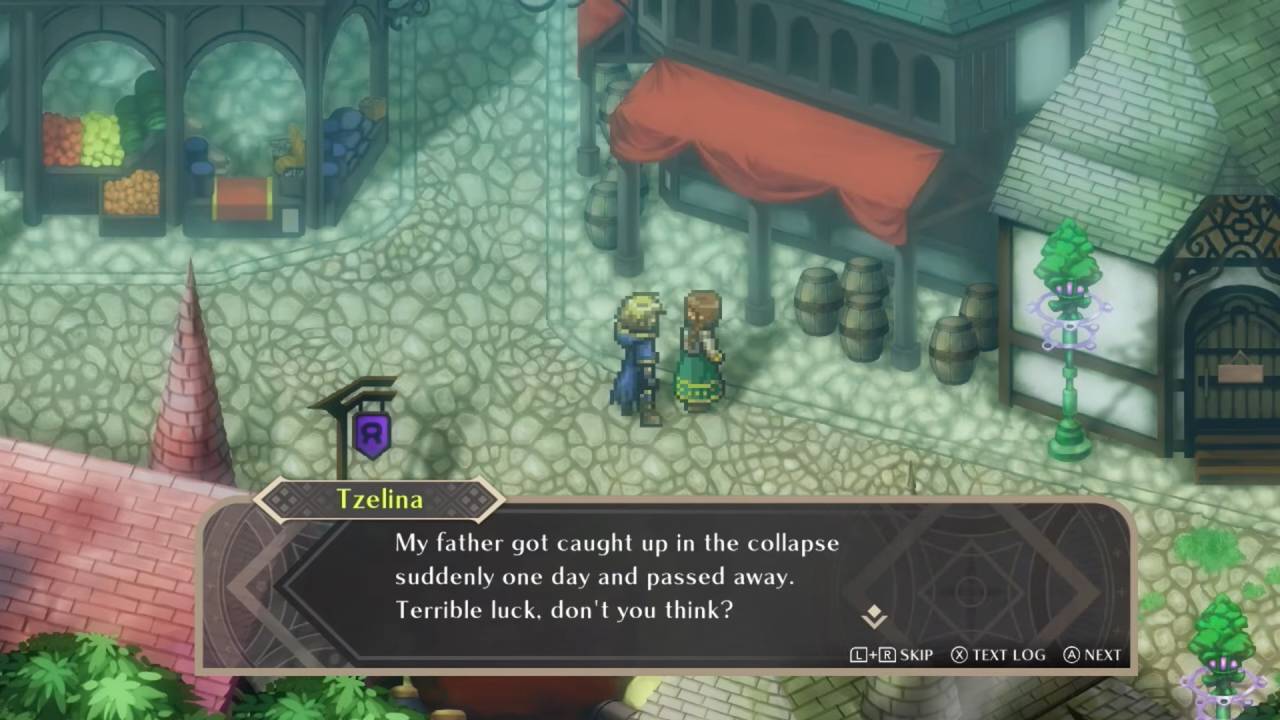
The remaster does a great job with the surroundings and character paintings, which have been upscaled or repainted. Menus and text are clear and easy to read on a PC. But character sprites can look rough, especially on bigger screens. You can see the difference between sharp backgrounds and pixelated sprites. There is no voice acting; you will have to read a lot of text.
The music is great and adds emotional depth to the plot and exploration rhythms. Even so, audio and visuals can't fully make up for problems with the pacing of dungeon design. WiZmans World Re; Try is an interesting case. It has a lot of customization options and a story that keeps you interested. The Anima Fusion technology and chain mechanisms make for interesting gameplay. But the dungeon flow that repeats and the unequal difficulty take away a lot of the fun. You might like the ideas more than how they were carried out.
Staff Writer, NoobFeed
Verdict
WiZmans World Re; Try being exclusively available in Japan for a long time, finally reached a wider audience. If you like vintage handheld JRPGs and don't mind grinding or stories that are heavy on text, this is for you.
81
Related News
No Data.