
AI Boom Triggers DRAM Shortage and Hardware Price Volatility
AI investment surge and speculative DRAM demand disrupt hardware pricing, triggering corrections across memory markets and consumer technology segments.
Hardware by Nahe Yan on Apr 14, 2026
The global technology economy is changing because big companies are investing a lot in AI, supplies are restricted, and big hardware and software companies are changing their plans.
Due to rising memory demand, changing partnerships, and financial uncertainty, the gaming hardware and data center infrastructure industries are not safe.
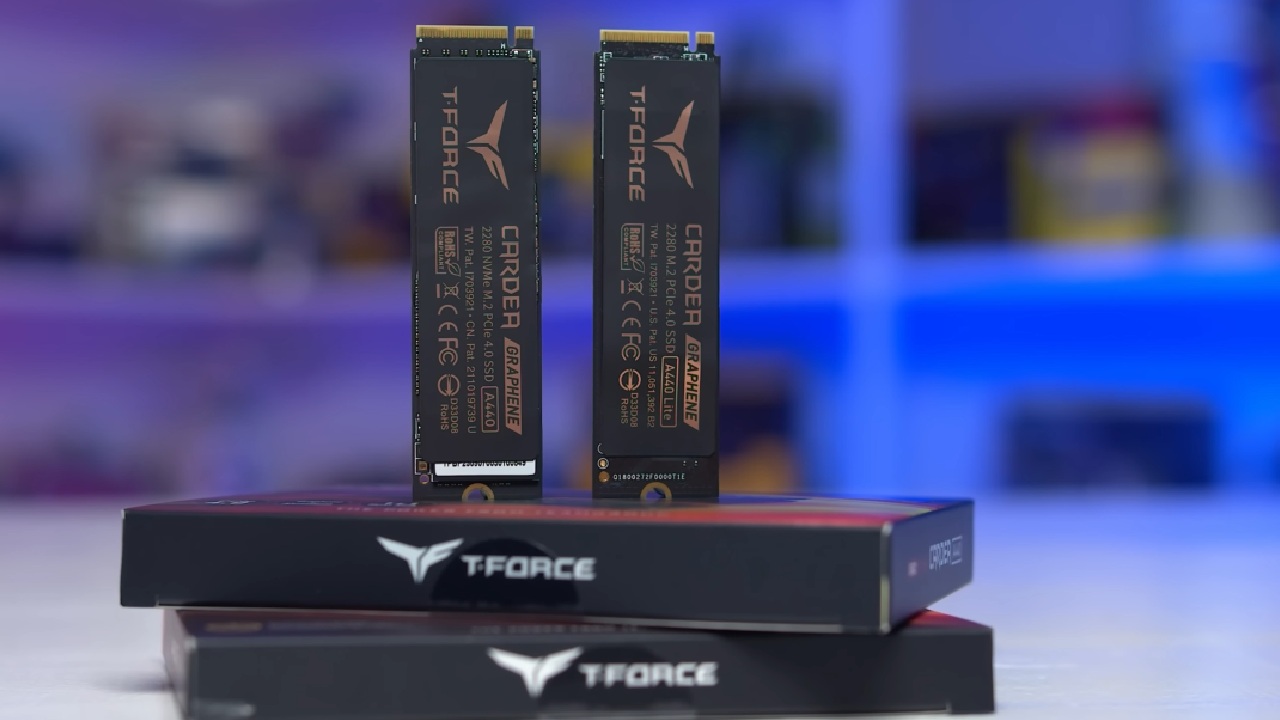
AI Investment Boom and Market Responses
More and more people are paying attention to how much money is being invested in AI, with estimates putting the total at roughly $2.5 trillion by 2026. People are starting to wonder where this money came from and if the predicted profits will ever happen. Company leaders are stressing stability, but some people are unsure whether this growth will last.
Adoption rates for AI are still low, with only about 17% of people in some markets using it. People are interested in AI services, but they usually pay more for work than for information alone. This makes people wonder if AI revenue can grow as fast as investment.
Change Your Gaming Priorities
There is a clear change happening in the hardware industry. Companies that used to be all about gaming are now putting AI development at the top of their list. AI is becoming more important than consumer hardware in event planning and product development.
You can see how this changes the prices. Console prices have risen significantly. For example, one model went from $550 to $650, which is an 18% increase. The more expensive variants are approaching $900, while those with more parts are approaching $1000. These changes make people worry about how much things will cost in the future. Some people think next-generation consoles might cost between $700 and $ 1,000.
The Price of RAM Changes a Lot, and So does the Market
Memory prices have grown uncertain. At one point, RAM prices rose sharply to the point that high-end CPUs were included in packaged deals at no extra cost. Prices have started to drop a little lately.
We can see that people acted on their own interests. Some groups bought memory in bulk because they thought prices would keep rising. When demand didn't match their expectations, they had to sell at reduced prices. This is part of a larger trend in which market reactions were based on guesses instead of real demand.
OpenAI Agreements and Their Effect on the Market
The RAM market was significantly affected by news that a company planned to buy 40% of global DRAM output. This made many people worried, and other corporations took similar steps to ensure they had enough supplies.
But these agreements were not legally enforceable purchase orders. They were letters of intent, which meant no deals were assured. Even so, the market acted as if the agreements had been completed, which caused prices to rise and people to fret about supply.
We are currently getting the results. Companies that changed their plans based on these ideas are losing money, with big stock price drops followed by partial recoveries.
Money Problems and Running Costs
People are increasingly worried about financial stability. Reports say that by 2026, daily operating costs could reach $68 million, and by 2027, $156 million. By 2028, they could be as high as $200 million. Costs at that level, every week, would exceed $1.4 billion.
Even with substantial funding, there are concerns that these resources may not be enough to keep things running in the long term. Product shutdowns and changes in how the company makes money are two signals that the company is having financial problems.
Changes in Partnerships and Shifts in Competition
The way partnerships work is also changing. Companies are rethinking past partnerships and making new deals based on how stable and well they work. This shows that many are unsure about the long-term viability of the AI sector.
At the same time, other companies are working on different technologies. Some businesses are making their own processors instead of getting them from outside sources. This makes them less reliant on traditional GPU makers.
Changes in Technology and how Memory is Used
New methods are being used to reduce the memory usage of AI models. These strategies let models run with less memory without losing performance. This could enable local deployment instead of relying on large data centers.
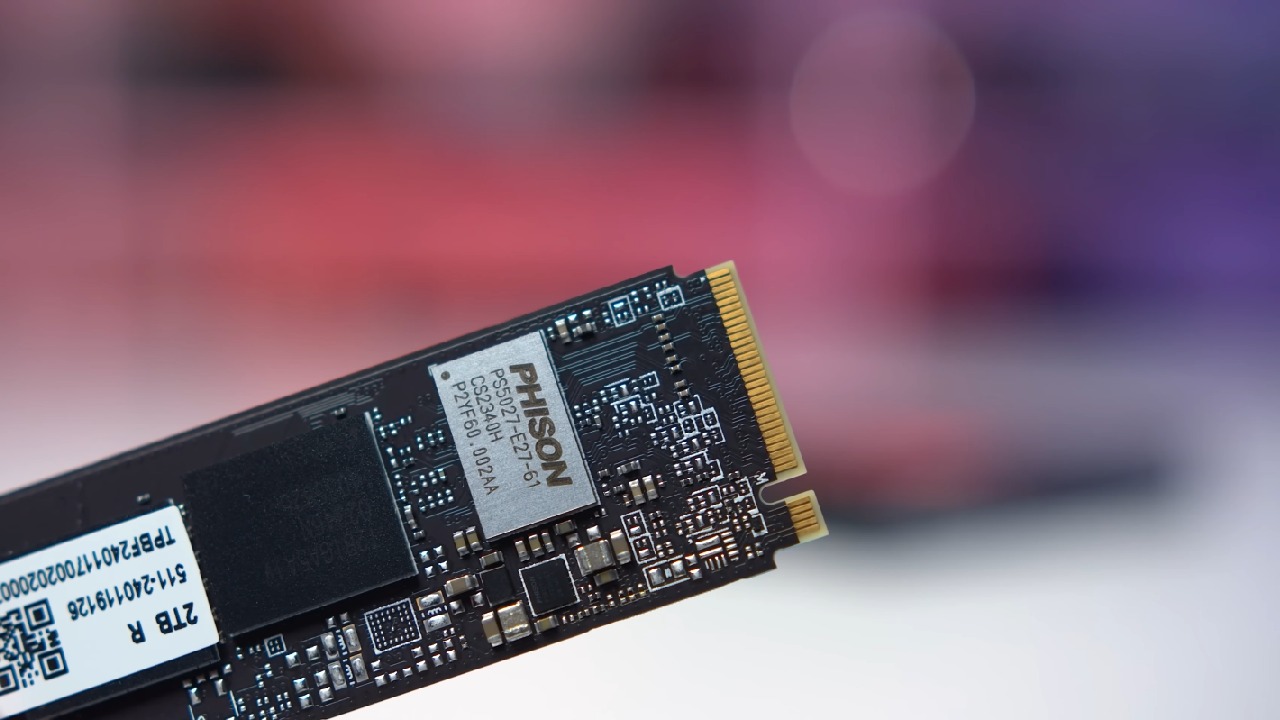
Limitations on Supply and Growth in Production
To find a long-term solution, we need to increase production capacity. New fabrication facilities are being built, but they won't be ready for years since they are so complicated.
We are beginning to see evidence that the market is correcting itself. Prices have started to level out after going up too high. If production rises and demand returns to normal, prices may fall further.
Final Thoughts
People are increasingly debating whether the AI market is in a correction. AI is still valuable, but its rapid growth has caused problems with supply, prices, and investment expectations.
Over time, we might see better prices and availability of hardware. If demand levels off and manufacturing goes up, it might be easier to get parts like RAM. You should also assume that corporations will continue to shift their resource allocation away from AI infrastructure and toward consumer goods.
Also, check our other hardware articles:
- AMD Ryzen 9 9950X3D Review: Setting The Standard For 2025 Gaming CPU
- Amazon Luna 2025 Review: Is Prime Gaming's Cloud Service Your Go-To For Casual Fun?
- AMD RX 9070 XT Review: AMD's RDNA 4 Champion for 1440p Gaming
- GeForce Now Ultimate: Ditching Your Gaming PC For Cloud RTX 4080 Power?
- NVIDIA GeForce RTX 5080 Review (2025): Still A 4K Gaming Powerhouse?
- Intel Core Ultra 9 285K Review And Performance Breakdown (2025)
- AMD Ryzen 7 9800X3D Review: 3D V-Cache Goes God Mode with Stunning Gaming Performance
- Intel Core Ultra 9 285K vs AMD Ryzen 7 9800X3D: In-Depth Gaming Performance and Benchmark Comparison
- NVIDIA GeForce RTX 5080 Super Performance In Cyberpunk 2077: Path Tracing & DLSS 4.0 Tested
- AMD Radeon RX 9070 XT In Cyberpunk 2077: Ray Tracing & FSR 4.0 Tested
- Intel Arc B580 Review: The $250 GPU Revolutionizing 1440p Gaming
- Intel Arc B570 Vs. B580: Value, Specs, And Real-World Gaming Performance
- RTX 5090 Laptop Vs. M4 Max MacBook Pro: Ultimate Raw Performance Vs. Battery Endurance
- Intel Arc b580 Vs. RTX 4060: Game Performance And Value Analysis
- RTX5090 Hell Is Us Demo 4K Ultra Benchmark: DLSS Vs. Native Performance Guide
- NVIDIA RTX 5070 Review: Mid-Range Muscle or Marketing Hype?
- Nintendo Switch 2 Review: Handheld Performance, Features & Value Breakdown
- RTX 5070 Ti Review: Performance, Thermals & Power Efficiency Tested
- Samsung Odyssey OLED G81SF Review 2025: Ultimate 32-Inch QD-OLED Gaming Monitor
- AMD RX 9070 Performance Review: Thermals, Clocks, and Real-World FPS
- AMD Ryzen 5 7600 Review: Best Budget Gaming CPU of 2025?
- AMD Radeon RX 7800 XT Review: RDNA 3 Power For Midrange Gaming
- Asus ROG RTX 5090 Astral OC Vs. Founders Edition: The 4K Gaming Benchmark
Editor, NoobFeed
Gaming Hardware Updates
No Data.