
AMD Ryzen Z3 and Z3 Extreme Leaks Point to Major Handheld Upgrades
AMD Ryzen Z3 leaks point toward stronger handheld performance with RDNA 4M graphics, higher power targets, and machine-learning capabilities.
Handheld by Tanvir Kabbo on Oct 06, 2026
AMD appears to be preparing a major update to its Ryzen Z-series handheld processors, with new leaks pointing to the next-gen Ryzen Z3 and Ryzen Z3 Extreme. The leaks suggest AMD may be moving away from the current Ryzen Z2 generation and integrating Zen 6 and RDNA 4-based technology into handheld gaming PCs. The development is intriguing, as AMD earlier stated it would stick with RDNA 3.5 for a few years before transitioning to RDNA 5.
Ryzen Z3 Could Use a Handheld-Specific Architecture
Leaked information about the Ryzen Z3 and Ryzen Z3 Extreme suggests AMD is developing a configuration called RDNA 4M. The architecture appears to be a derivative of RDNA 3.5, but with elements associated with RDNA 4, particularly around machine-learning capabilities.
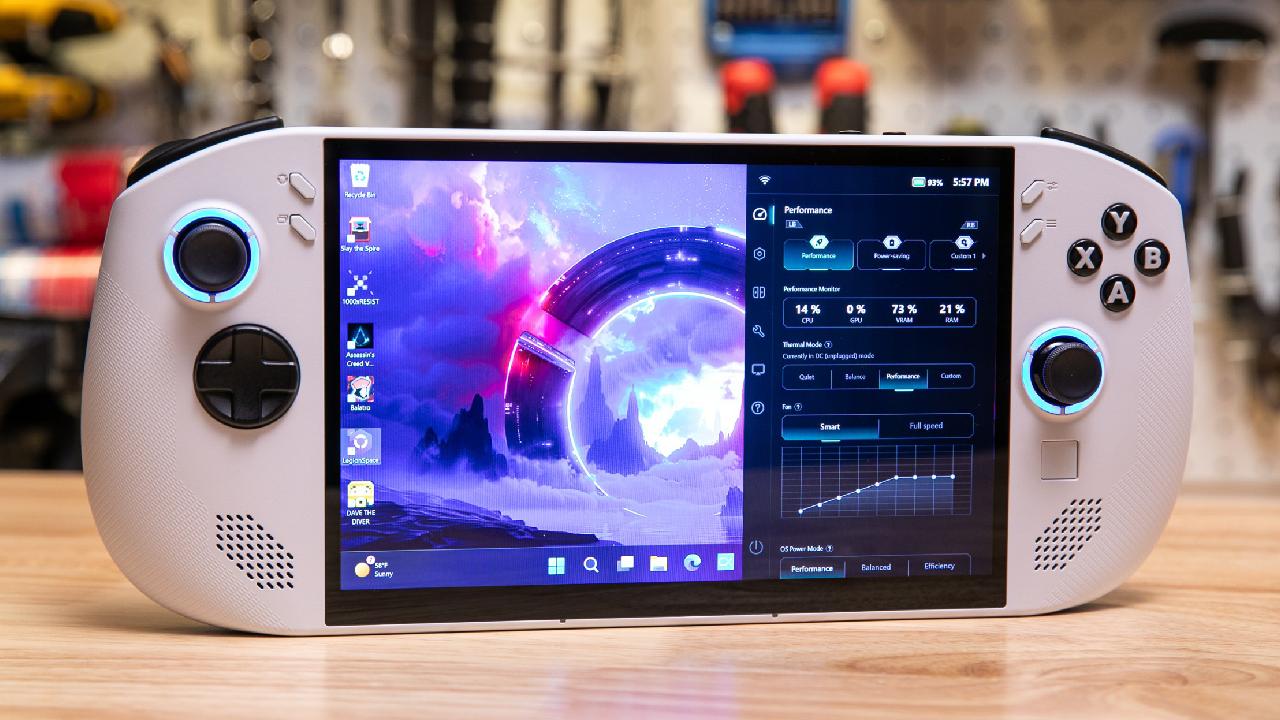
According to reports, Ryzen Z3 is based on the same Zen 6 and RDNA 4M IP as Medusa Point but uses a configuration developed specifically for handhelds. The reported design features four Zen 6 cores and two lower-powered Zen 5 cores.
That configuration appears to follow Intel's direction for its latest handheld processors, in which the CPU portion is reduced in favor of a larger GPU. The biggest change could therefore come from the graphics side rather than simply increasing CPU performance.
The Ryzen Z3 is reportedly equipped with 12 RDNA 4M compute units, compared with the eight compute units currently associated with standard Medusa Point. That would mean removing four Zen 6 CPU cores while dedicating more silicon and power to the graphics side.
FSR 4 Could Be a Major Part of the Upgrade
The machine-learning capabilities could matter because current Ryzen Z2 handhelds would benefit significantly from technologies such as FSR 4. If Ryzen Z3 delivers proper machine-learned FSR 4 support, including FP8-based processing for upscaling and potentially frame generation, that could represent a major improvement.
However, raw GPU performance will remain important. The goal cannot simply be to deliver Ryzen Z2 Extreme-level performance and then add FSR 4 on top. Better machine-learning upscaling and frame generation can improve the experience, but they cannot completely compensate for weak base performance.
FSR 4 could also become increasingly important over the hardware's lifetime. As developers become more familiar with the technology and begin leaning into it more heavily, performance and image-quality gains could improve over time. However, those improvements will still depend on the underlying GPU being capable enough to deliver a playable base frame rate.
Ryzen Z3 Could Target 15W While Z3 Extreme Hits 25W
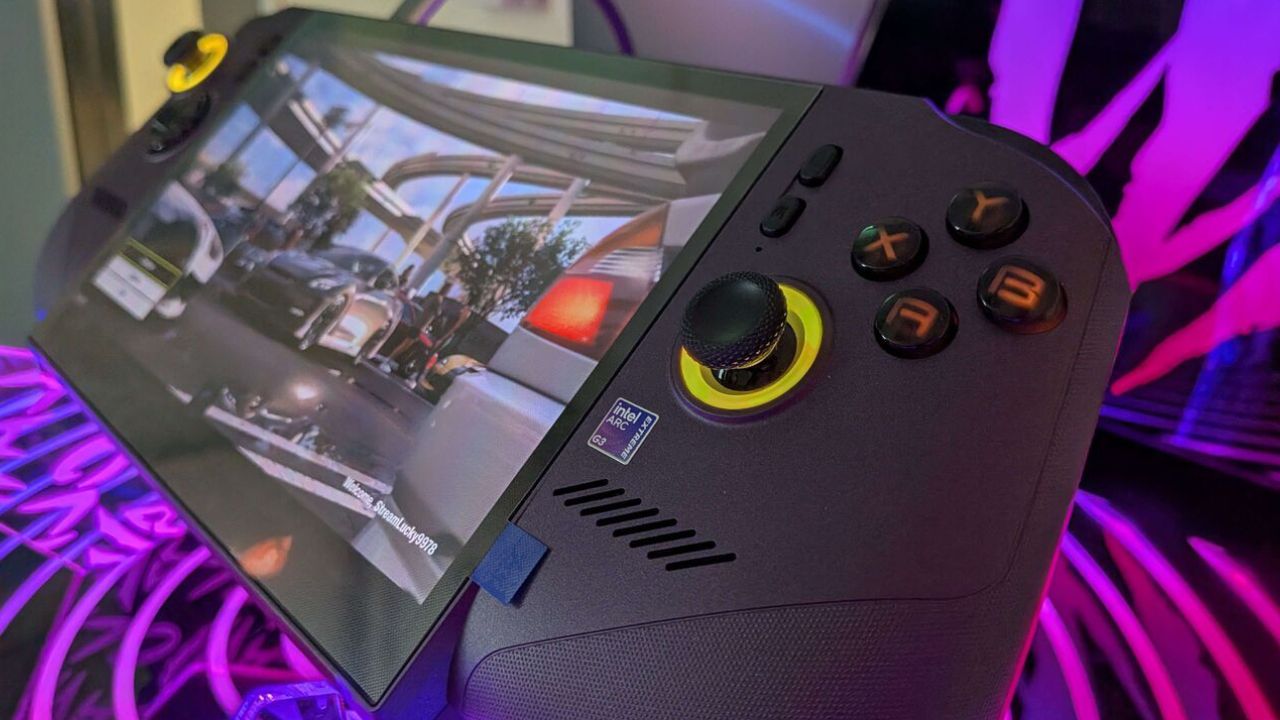
The leak also raises another important point about the power objectives of the two Ryzen Z3 models it mentions. The regular Ryzen Z3 is purportedly tuned for 15W performance, while the Ryzen Z3 Extreme may be tuned for 25W.
That would be a shift from the Ryzen Z2 generation, which focused on squeezing more performance from lower wattages. The Ryzen Z2 Extreme appeared to perform best around the 17W to 20W range, with additional power providing relatively limited benefits.
If the Ryzen Z3 Extreme is genuinely optimized around 25W, it could deliver a much larger performance improvement at that power level. A regular Z3 could also be an appealing proposition if it can combine excellent efficiency with better all-round performance.
AMD Could Simplify Its Ryzen Z Lineup
The leaked material also suggests AMD may keep the Ryzen Z3 generation very simple, with only two variants: Ryzen Z3 and Ryzen Z3 Extreme. That would be a welcome change from the confusing number of Ryzen Z2 variants. The previous generation included several variations, including Z2A, Z2 Go, Z2, Z2 Extreme, and Z2 Extreme AI.
The problem with creating so many variants is that it becomes difficult for consumers to understand exactly which processor is better. Having only a standard Z3 and a Z3 Extreme would make the product hierarchy much easier to understand.
Another important possibility is that AMD could stop carrying over older chips into the new generation and rebadging them under different names. A cleaner two-chip lineup would make it easier to compare handhelds and understand exactly what hardware you're buying.
AMD Could Finally Improve Handheld Driver Support
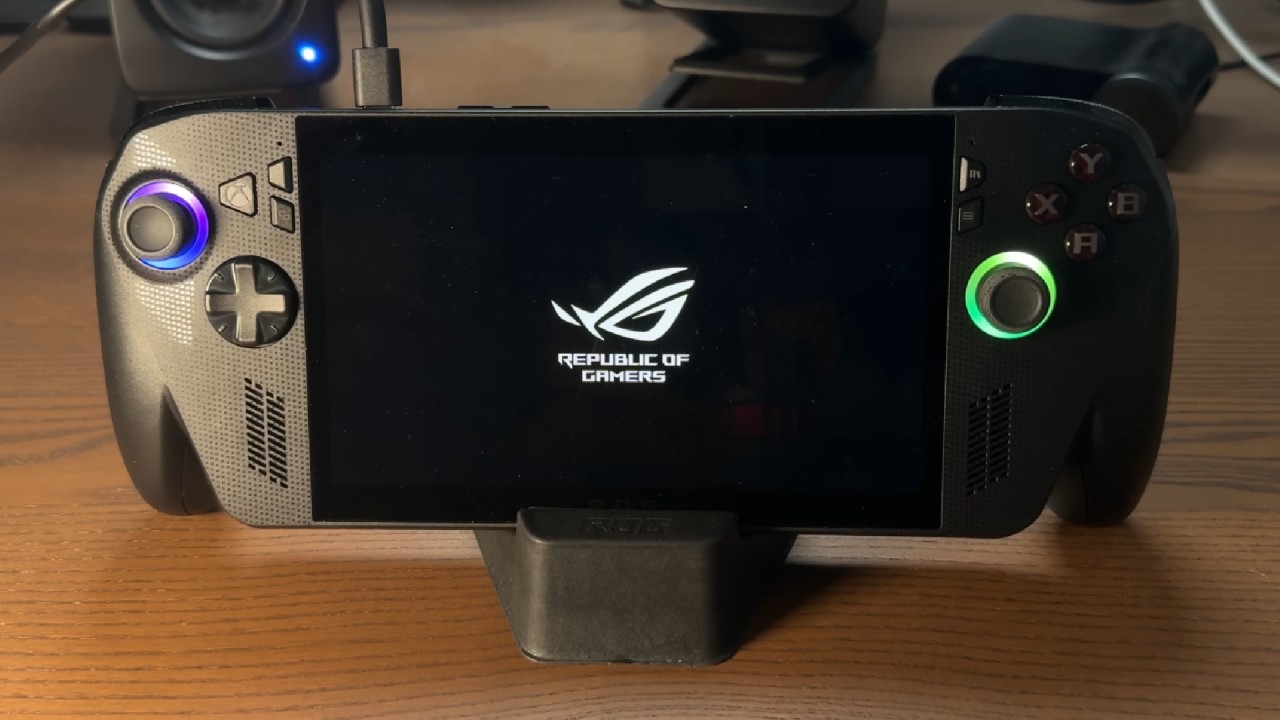
Beyond raw performance and machine-learning upscaling, one of the biggest potential improvements for Ryzen Z3 could be AMD taking direct responsibility for driver updates. Currently, handheld manufacturers often provide customized drivers for AMD-powered devices. ASUS, Lenovo, and other OEMs manage their own driver releases, which can lead to significant delays between updates.
By comparison, Intel manages driver rollouts for its handheld processors centrally, allowing users to download updates directly rather than waiting for individual manufacturers. Intel released three handheld GPU driver updates in September, while some AMD-powered handhelds have gone months without a new GPU driver.
Centralized driver support could therefore be just as important as a faster processor. Even if a driver update introduces a bug, having frequent releases means fixes can arrive quickly. On AMD handhelds, rolling back can mean returning to a driver that is several months old.
Ryzen Z3 Could Become AMD's Biggest Handheld Upgrade
If the Ryzen Z3 leaks are accurate, the processors would be natural candidates for the next generation of ASUS handhelds and potentially future Xbox-branded devices. The biggest question is how the lineup will fit alongside upcoming hardware. With RDNA 4M, 12 compute units, Zen 6 and Zen 5 cores, and maybe machine-learned FSR 4, the Ryzen Z3 could be a much better basis for mobile gaming PCs.
Raw performance will remain the key factor, but better efficiency, stronger machine-learning features, and consistent driver support could make Ryzen Z3 a considerably more competitive platform. For now, the specifications remain unconfirmed, but the direction suggests AMD could be preparing one of its most significant handheld-focused APU updates yet.
Senior Editor, NoobFeed
Latest Articles
No Data.