
C770 and C780 Intel GPUs: Flagship Celestial Architecture Details Revealed
More Xe Cores and Higher Clock Speeds: What Desktop Gamers Can Expect from Intel C770 and C780 GPUs
Hardware by Tanisha Aria on Oct 25, 2025
The next generation of Intel's Celestial GPUs looks set to be a big step up in speed and efficiency. The new graphics cards will replace the Intel Arc Battle Mage series, which was a big improvement over the first-generation Arc Alchemist GPUs.
The new Celestial architecture is designed to deliver significant improvements in geometry processing, cache design, and overall performance. This is a big deal for Intel in the GPU market.
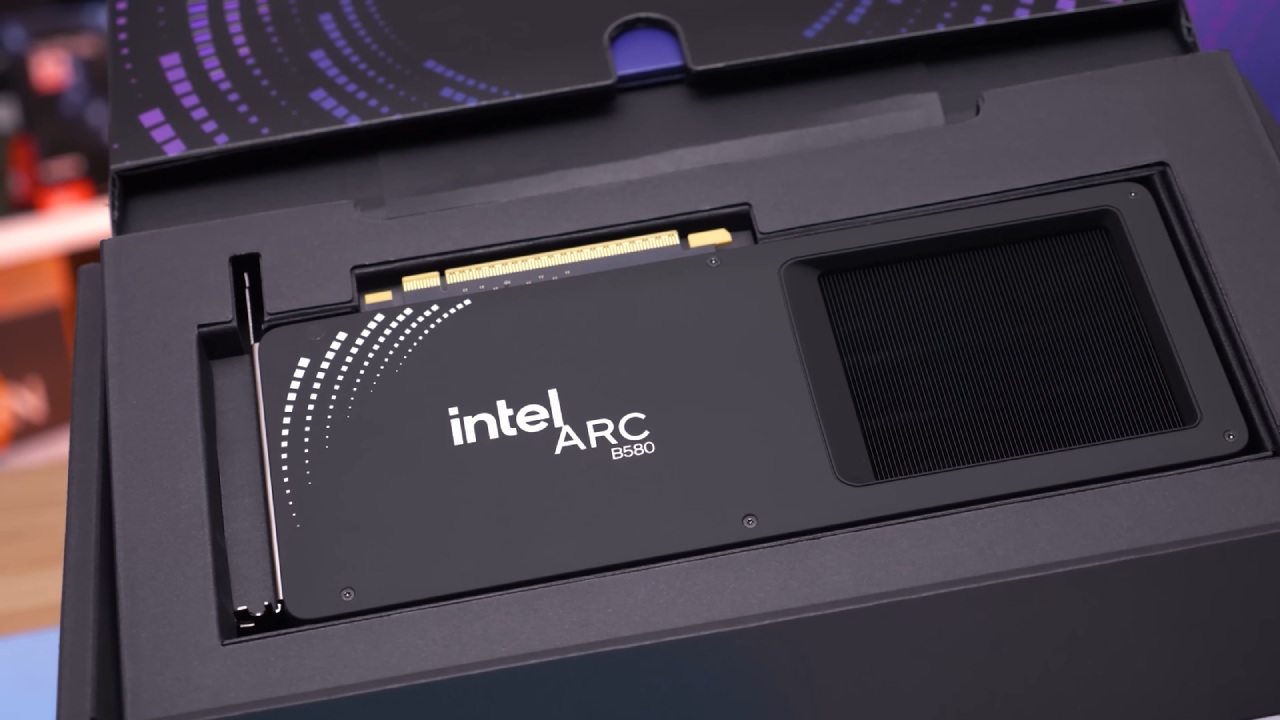
Evolution from Alchemist to Battle Mage to Celestial
Intel's first GPUs were the Alchemist series, which were followed by the much better Battle Mage series. The Battle Mage B580, in particular, was one of the best mid-range graphics cards you could buy for the price. Celestial is now going even further, thanks to the new Xe3 architecture. This architecture will debut in Intel's Panther Lake mobile CPUs but will also make its way to desktop GPUs in larger, more powerful configurations with more cache and higher efficiency.
Deep Dive into Intel's Xe3 Architecture
The Xe3 architecture is a major redesign of the inside that aims to improve geometry, texture handling, and overall efficiency. One of the most important things Intel shared in their slides was the improved "deep rights" system, which improves triangle efficiency by 1.9 to 7.4 times.
This means the GPU won't waste resources drawing triangles that aren't on-screen anymore. This will make rendering smoother and improve performance in all games.
Even though this improvement comes from microbenchmarks, the main point is clear: Intel has made big strides in efficiency. Along with these changes to geometry, the GPU can now handle more complex workloads more effectively, thanks to improved texture handling and filtering.
Power Efficiency
The number of Xe cores per render slice has also changed significantly; in the mobile version, it ranges from 4 to 6. On desktops, this could mean a lot more cores. The current Battle Mage B580 has 20 Xe cores. With Xe3, that number could reach 30 cores in a similar setup.
Even if Intel doesn't match the exact 50% core increase seen on mobile, desktop GPUs will still get a noticeable core-count boost, giving them more raw power.
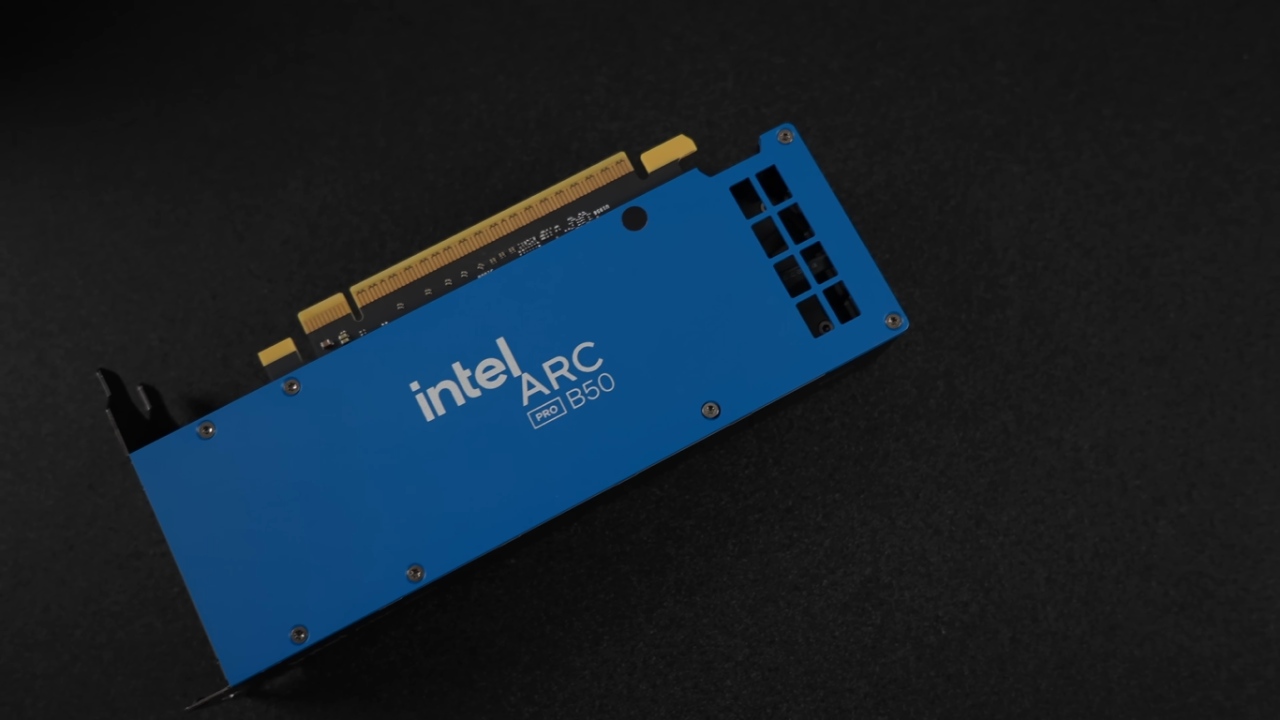
Performance Optimization
Cache is an important part of GPU design, and Intel is doing the same thing. The Xe3 architecture will have 33% more L1 cache and up to twice as much L2 cache as the last generation.
Ray tracing performance gets a lot better when you keep more data in the local cache instead of pulling it from memory. This also helps reduce the need for memory bandwidth, allowing the GPU to perform better even with the same amount of VRAM.
What to Expect from C770 and C780
The C770 and C780 will be Intel's main desktop GPUs in the Celestial lineup. The C770 could have as many as 36 Xe cores, which is a big jump from the 28 cores in the Battle Mage B770. The C770 is based on TSMC's advanced N4P process and is expected to have higher clock speeds, possibly reaching 3.1GHz, as well as 50% to 100% more L2 cache (up to 72MB).
The GPU will still have 16GB of VRAM, but it will use faster GDDR7 memory running at 28Gbps on a 256-bit bus. This gives it 896 GB/s of bandwidth, which is close to 1 TB/s. The C770 is said to have a TDP of about 280W, which means it can deliver high-end performance while using less power than its competitors.
The numbers get even more interesting for the C780, which is the best model. It could have at least 42 Xe cores, a clock speed of 3.1 GHz, and a cache size of up to 96 MB. The memory setup will probably be the same as the C770's, with 16GB of VRAM and 28Gbps GDDR7. The C780 has a TDP of about 330W and is meant to compete with high-end GPUs on raw performance.
Performance Gains
Intel's own data shows that the new Xe3 architecture cuts render time by almost half compared to the Battle Mage architecture. For example, Cyberpunk 2077 ran at 45.44ms on Battle Mage but only 22.84ms on Xe3, a huge difference. This means that IPC increases by about 32.6% when you factor in the number of cores, a huge improvement for this generation.
In real life, the C770 could be up to 2.6 times faster than the B580, and the C780, which is the best model, could be up to 3 times faster. The C780 would be able to compete with, or even beat, the RTX 5080 in performance, and it would cost almost half as much.
Price and Release Date
Reports say that Intel wants to set very low prices for its Celestial GPUs. The C770 might cost around $399, and the C780 might cost $499. Both are expected to come out in late 2026 or early 2027. Intel could become a serious competitor to AMD and Nvidia in the high-performance GPU market if these prices and performance levels stay the same.
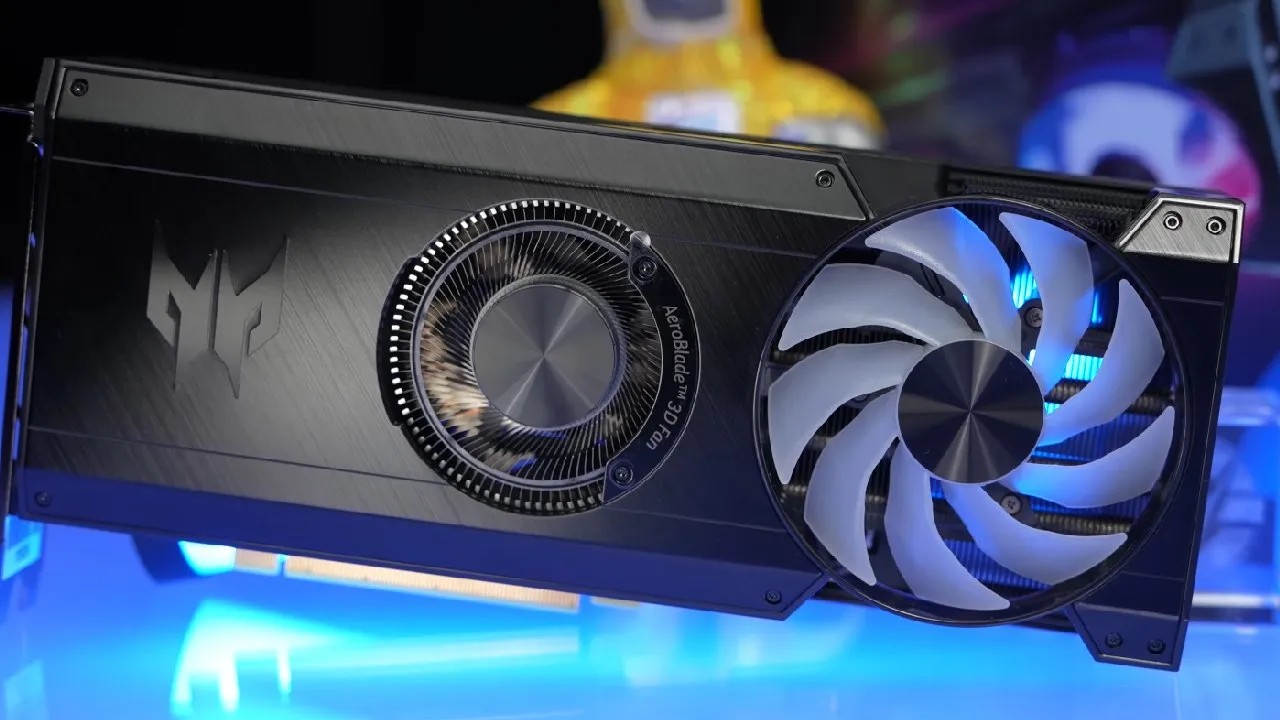
Future of Intel Graphics
If you're going to build a new PC, it might be a good idea to wait and see how the Celestial GPUs perform when they launch. If you already have a good graphics card, waiting could be very beneficial. But in the meantime, good deals on Black Friday or other seasonal sales might still be tempting.
Intel's Celestial GPUs are a clear sign that the company is serious about competing in the high-end graphics market. These GPUs could change the way people think about value in the gaming GPU market by offering better architecture, more cores, higher clock speeds, and lower prices.
We'll be watching Intel closely as Celestial and Battle Mage continue to develop. Intel is getting ready to be at the center of the bright future of desktop graphics.
Also, check our other Intel articles below:
- Intel Core Ultra 9 285K Review And Performance Breakdown (2025)
- Intel Core Ultra 9 285K vs AMD Ryzen 7 9800X3D: In-Depth Gaming Performance and Benchmark Comparison
- Intel Core i5-13400F Gaming Performance: Still Worth It in 2025?
- Intel Core i9‑14900K vs. AMD Ryzen 7 7800X3D: Power Profiles & Gaming Benchmarks
- Intel Core i9 14900K: Specs, Benchmarks, and Competitor Comparison
- Intel Core Ultra 5 245K Review: Gaming, Productivity & Power Efficiency Tested
- Intel Core Ultra 9 285 K's iGPU Gaming: In-Depth Benchmarks & Analysis
- Intel vs. AMD Gaming Laptop: Performance, Thermals & Battery Life Compared
- AMD Ryzen 7 9800X3D vs.7800X3D vs. Intel Core Ultra 7 265K: Gaming, Thermals & Price Analysis
Contributor, NoobFeed
Gaming Hardware Updates
No Data.