
DLSS 4 vs. FSR 4: RTX 5070 Ti and RX 9070 XT Upscaling Performance Compared
RTX 5070 Ti and RX 9070 XT deliver strong 1440p performance with advanced upscaling and ray tracing capabilities.
Hardware by Tanvir Kabbo on Nov 03, 2025
The debate between the GeForce RTX 5070 Ti and Radeon RX 9070 XT highlights the ever-evolving upper mid-range GPU market. Both cards feature impressive upscaling technologies—DLSS 4 and FSR 4, respectively—and closely compete in terms of performance, efficiency, and value.
With price variations and feature differences influencing the decision, the comparison offers a comprehensive view of how these GPUs compare across modern gaming workloads.
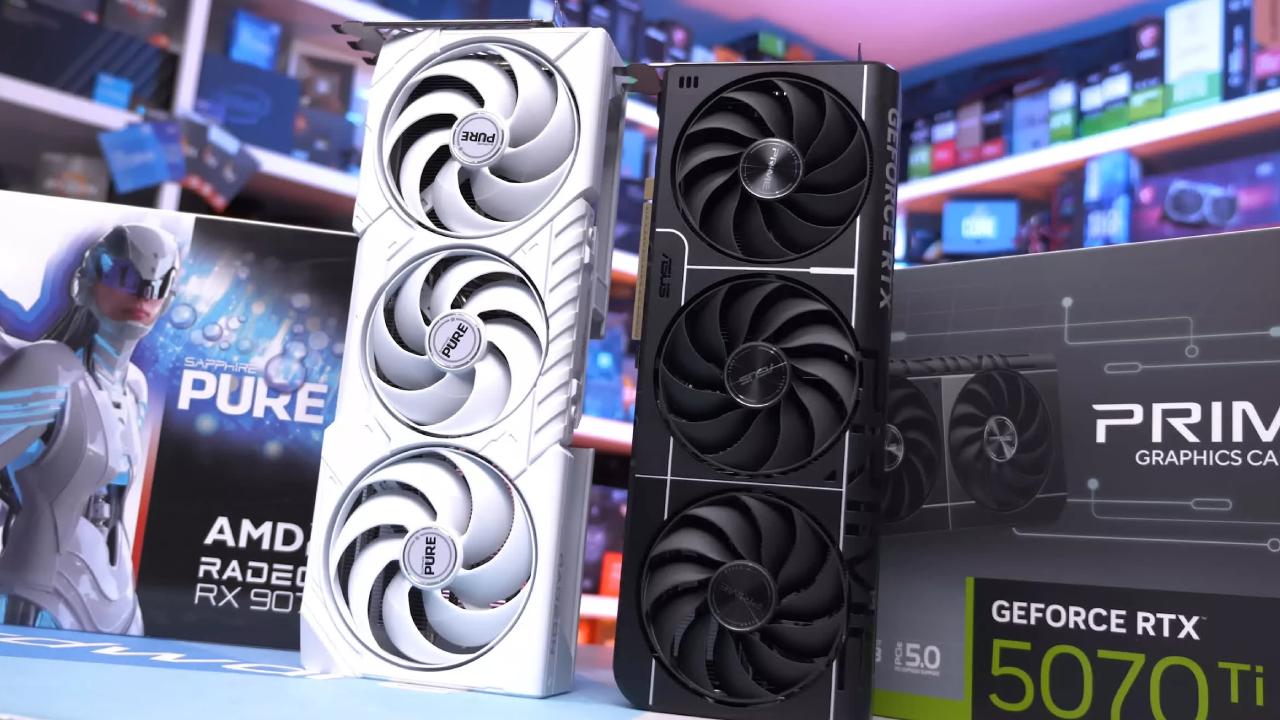
Test Setup and Methodology
We used the MSI Ventus 3X OC version of the RTX 5070 Ti and the Sapphire Pulse version of the RX 9070 XT for testing. We also used the MSI Vanguard SOC RTX 5070 and the ASRock Steel Legend OC RX 9070 to get more data points. To ensure they were all the same, all the GPUs were tested at their base clock speeds.
The test system included a Ryzen 7 9800X3D processor, 32GB DDR5-6000 CL30 memory, and the latest drivers and updates at the time of testing—Nvidia 581.57 and AMD 25.10.1. DLSS 4 and FSR 4 global overrides were enabled for each respective GPU.
Performance was measured across a range of modern games at 1440p resolution, with a focus on native rendering and three upscaling modes: Quality, Balanced, and Performance. This setup aimed to reflect realistic gaming scenarios where most players use upscaling for optimal frame rates.
Game Performance Overview
Horizon Zero Dawn Remastered ran slightly better on the Radeon model, with the RX 9070 XT performing 4% faster natively and 6% faster using quality upscaling. Both GPUs delivered high-refresh-rate experiences, with little benefit to be gained from using modes below the highest quality.
The RTX 5070 Ti led by 16% natively and 15% with quality upscaling in Ratchet & Clank: Rift Apart. This card had better ray tracing performance. The Radeon model required FSR performance to match the GeForce card's DLSS quality setting, which resulted in significantly worse image quality.
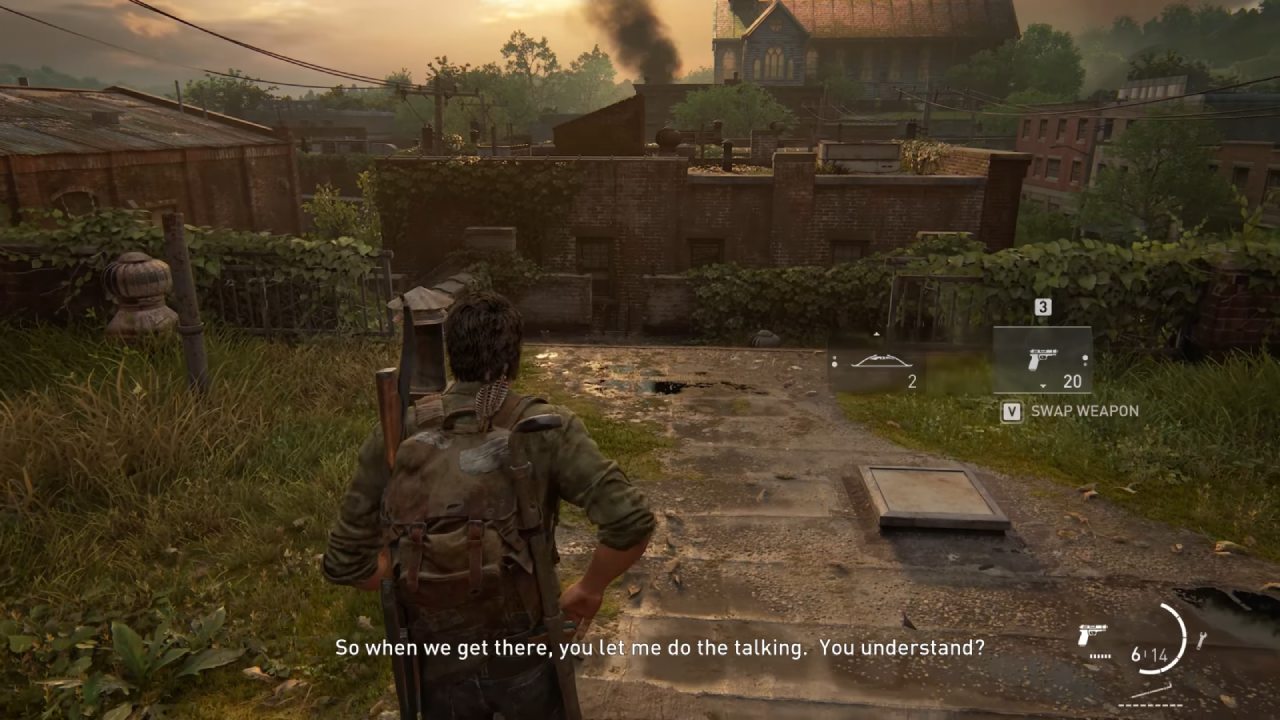
The Last of Us Part One showed near parity, with the RTX 5070 Ti leading by 3% using quality upscaling and up to 5% with performance mode. Both GPUs delivered a solid experience, roughly 10% faster than the RX 9070.
In Spider-Man 2, the RTX 5070 Ti's advantage was more evident—11% faster natively and 19% faster using quality upscaling, along with a 30% lead in 1% lows. DLSS 4 scaled significantly better here, providing smoother ray-traced gameplay.
Assassin's Creed Shadows favored the Radeon card, with the RX 9070 XT 15% faster natively and 10% faster using quality upscaling. Upscaling below quality mode wasn't recommended, as it reduced visual fidelity without substantial performance gains.
In The Last of Us Part Two, the RX 9070 XT led by 13% natively and 9% using quality upscaling, maintaining consistent frame pacing advantages. Ghost of Tsushima followed a similar trend, with the Radeon card 8% faster under quality upscaling.
Stalker 2 presented a reversal—though the RTX 5070 Ti was 12% faster natively, the margin dropped to just 3% with quality upscaling, highlighting FSR 4's strong scaling on Radeon hardware. Both GPUs were constrained by Unreal Engine 5 traversal stutter, keeping 1% lows around 60fps.
In Marvel Rivals, results were close, with the RTX 5070 Ti 5% faster using quality upscaling. Kingdom Come Deliverance 2 also favored the GeForce GPU, which delivered 10% more performance natively and 12% using quality upscaling. However, the lows were tighter on the Radeon model by 1%.
Star Wars Outlaws showcased FSR 4's stronger scaling, with the RTX 5070 Ti 8% faster natively but 8% slower using quality upscaling. FSR 4 improved the 9070 XT's performance by 39% versus native, while DLSS 4 provided just an 18% uplift.
.jpg)
In Hunt: Showdown, both GPUs were nearly tied, with the Radeon slightly ahead by 3%. God of War Ragnarok gave the RX 9070 XT a 5% lead when upscaling was enabled, despite parity at native settings.
Stellar Blade really liked GeForce because the RTX 5070 Ti was 29% faster natively and 27% quicker with quality upscaling. It also had a 30% lead in 1% lows. On the other hand, F1-25 only exhibited minor changes. The 5070 Ti was 6% faster natively, and the Radeon was 2% faster with quality upscaling. However, GeForce was more consistent, with 9% stronger 1% lows.
Cyberpunk 2077, using ultra ray tracing, was another clear GeForce win—18% faster natively and 13% faster with quality upscaling, plus 24% better 1% lows. Hogwarts Legacy was nearly identical between the two GPUs, while Borderlands 4 also produced a tie, with minor 2% differences.
In Mafia: The Old Country, the RX 9070 XT was 9% faster natively and 13% faster using quality upscaling, marking a solid win for Radeon. On the other hand, Dying Light: The Beast favored the RTX 5070 Ti by 19% natively and 14% using quality upscaling, underscoring GeForce's strength in this title.
The Altars and Battlefield 6 both showed narrow margins. The RX 9070 XT had slightly better 1% lows in The Alters, while the RTX 5070 Ti led Battlefield 6 by up to 11% using balanced upscaling, thanks to better DLSS scaling.
Average Results and Analysis
Across 22 tested games, the RTX 5070 Ti averaged 5% faster than the RX 9070 XT in native rendering. With quality upscaling, the difference dropped to just 2%, effectively tying the two GPUs. Using balanced or performance upscaling modes resulted in similar 2–3% gaps, with nearly identical 1% lows.
The RTX 5070 Ti was 15% faster than the RX 9070 natively and 9% faster with quality upscaling. On average, the RX 9070, using balanced upscaling, matched the RTX 5070 Ti, using quality upscaling, making the GeForce slightly superior in visual output at similar performance levels.
Compared to the RTX 5070, the Ti variant was 27% faster natively and 24% faster with quality upscaling—showing that even DLSS 4 couldn't bridge the gap between them. The 5070 Ti's quality mode performance matched what the 5070 achieved natively.
While the RTX 5070 Ti led in nine games by over 5%, the RX 9070 XT won four by similar margins. When upscaling was factored in, GeForce led in seven games, Radeon in five, with ten ties. The 5070 Ti generally performed better in ray-traced titles like Cyberpunk 2077 and Spider-Man 2, while the Radeon excelled in rasterized or FSR-optimized games, such as Assassin's Creed: Shadows.
Pricing and Value Assessment
The MSRP for the RTX 5070 Ti is $750, and the RX 9070 XT is $600, which makes the Radeon 20% cheaper. If you can find the RX 9070 XT at that price, it offers greater value because both cards perform almost the same when upscaled.
However, since the RX 9070 XT is now priced at approximately $650 and the RTX 5070 Ti is priced at $750, the Radeon is only 13% cheaper, not 20%. That makes it a little less appealing, but it's still competitive, especially since most new games still perform similarly.
The RX 9070 is also a good value at $550, considering it is only 9% slower than the 5070 Ti and costs 36% less. It costs about 20% less each frame, which is really good for its level of performance.
Final Thoughts
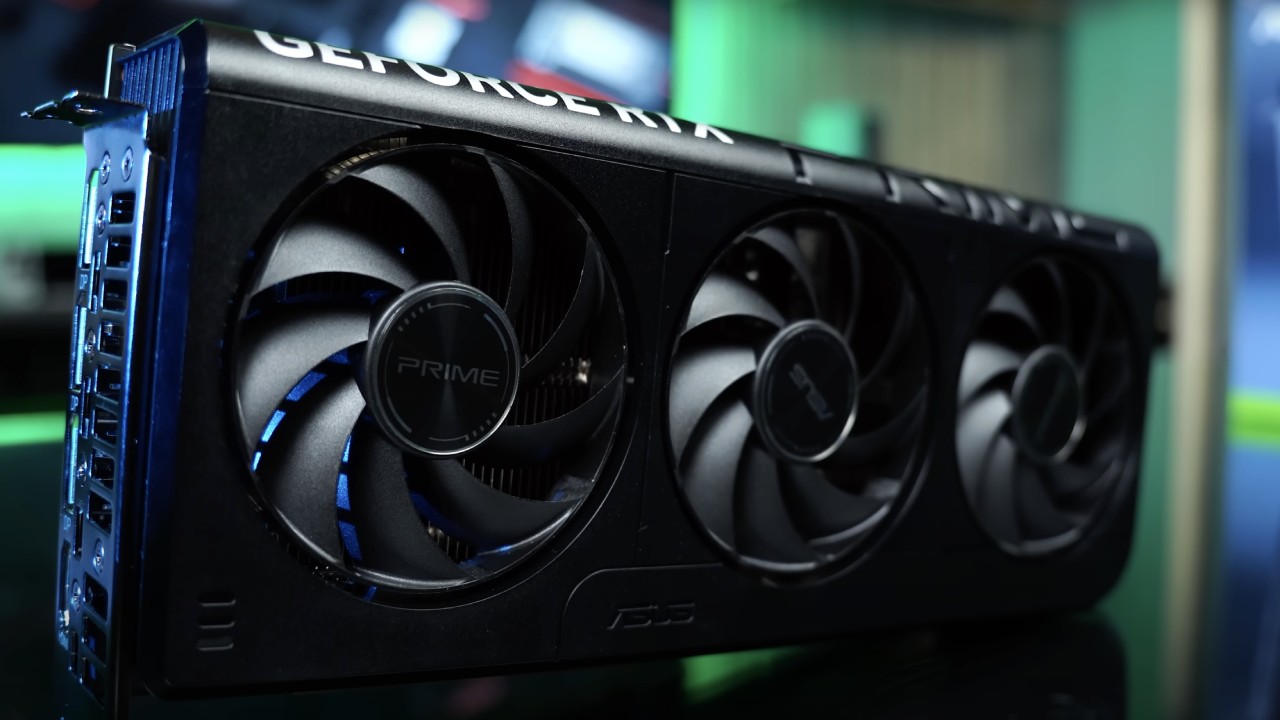
If both GPUs are available at MSRP, the RX 9070 XT is the smarter buy. It offers nearly identical performance to the RTX 5070 Ti in upscaled gaming at a notably lower price. The GeForce model still boasts superior features, broader DLSS support, and improved image quality, particularly in older titles that lack FSR 4 support.
However, for players focused on newer releases where FSR 4 adoption has been strong, the RX 9070 XT delivers excellent value. The RTX 5070 Ti only pulls ahead in heavy ray-tracing and path-traced workloads, such as Cyberpunk 2077. However, whether that advantage is worth a 25% price increase depends on your gaming preferences.
For most gamers targeting high-performance 1440p gameplay with upscaling, the RX 9070 XT represents the better balance of cost and capability—especially when its pricing reflects the full 20% MSRP difference.
Meanwhile, the RTX 5070 Ti remains the premium choice for those prioritizing feature depth, ray tracing efficiency, and the best DLSS experience across a wider game library.
Also, check our other NVIDIA articles:
- NVIDIA GeForce RTX 5080 Review (2025): Still A 4K Gaming Powerhouse?
- RTX 5090 Performance Testing In GTA 5 – 1080p, 1440p, and 4K Max Settings Benchmark
- NVIDIA RTX 5070 Review: Mid-Range Muscle or Marketing Hype?
- RTX 5070 Ti Review: Performance, Thermals & Power Efficiency Tested
- ASUS ROG Astral RTX 5090 OC Edition Review: 32GB GDDR7 & 4K Gaming Benchmark
- ASUS GeForce RTX 5090 LC Liquid Cooled GPU Review: Unmatched Silence & Speed
- INNO3D RTX 5060 Ti 16 GB X2 Review: Gaming Benchmarks, Temps, and Power Efficiency
- HP Omen 45L Review: RTX 5090 Performance, Thermals, and Value Analysis
- ASUS TUF Gaming GeForce RTX 5060 Ti Review: DLSS 4, Power Efficiency, and Gaming
- ASUS Prime RTX 5060 Ti OC 16GB Review: DLSS 4, Ray Tracing, & Thermals Tested
- NVIDIA GeForce RTX 5060 Review: Specs, Gaming, and Cost per Frame
- MSI GeForce RTX 5090 GAMING TRIO OC Review: A Monster Power GPU
Senior Editor, NoobFeed
Latest Articles
No Data.