
The Evolution of Digital Ownerships: Are In-Game Assets a Real Investment?
Other by Nestee Shy on Nov 13, 2025
Digital assets are transforming the gaming sector to entirely new heights. Beyond providing players with premium entertainment, game developers and software providers are offering financial rewards for game time.
If you were wondering about the true value of in-game investments or whether they are worth your time, this expert review has answers for you. We examine the reality of owning in-game assets as value investments alongside other notable details to note this revolutionary asset class.
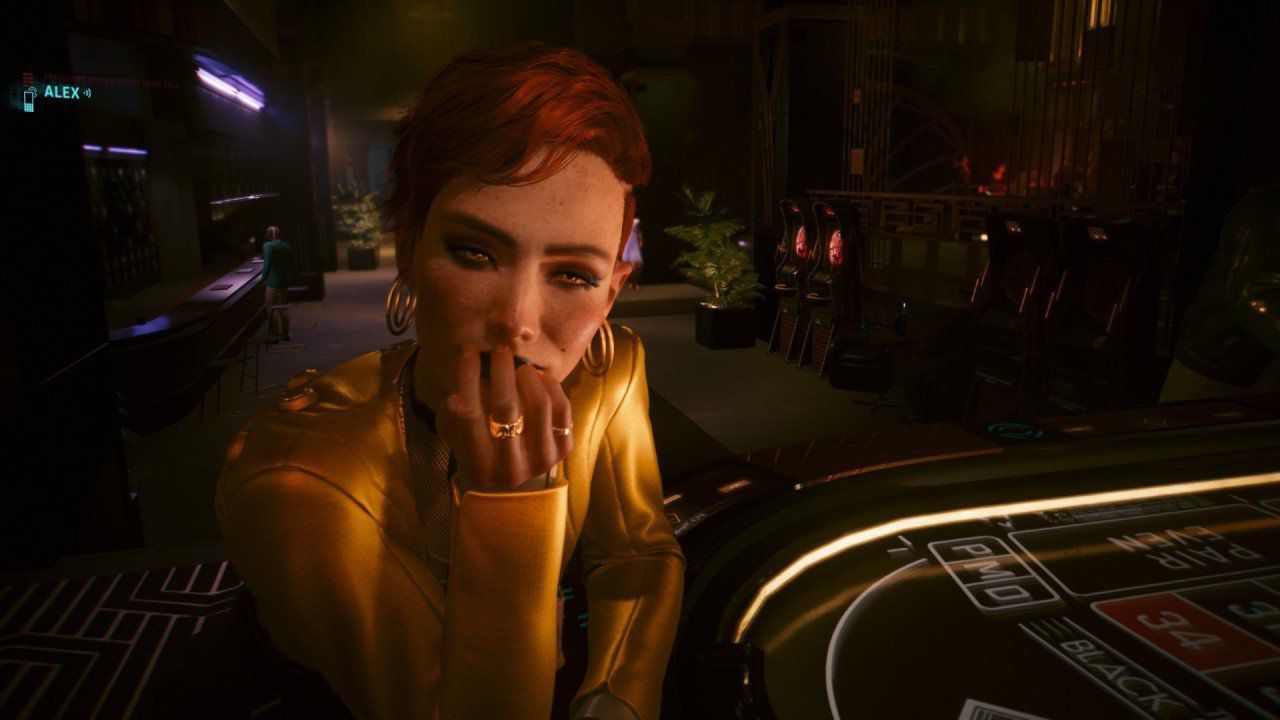
The Freemium Model Linking In-Game Assets and Gambling
In 2020, the global gaming industry was valued at USD$162 billion, with at least $20 billion of this revenue coming from in-game gambling mechanisms. If anything, such statistics show the growing intersection lines between traditional video games and online casino at https://pl.polskiesloty.com/ or similar review platforms.
Often, game developers are utilizing loot boxes via what's called a freemium model. These boxes are virtual lucky dips that gamers can purchase with real-world assets. Players can sell or even gamble the times they purchased on third-party marketplaces for real money. These items sometimes go for as much as thousands of dollars.
Reports show that these games became more abundant during the pandemic, as over 60% of games on the Google Play Store contained loot boxes. Epic Gamers' Fortnite is an example of a video game that has benefited immensely from the freemium model.
What Are In-Game Assets?
In-game assets refer to any item or piece of content stored or created digitally. They come in different forms, ranging from character skins to weapon changes, in-game currencies, and powerful armory.
One common thread that transcends the collaboration between digital assets and gaming technology is Blockchain technology. It lets players own items that enable them to readily sell, trade, or share in-game assets in a revolutionary way.
The impact of this integration has gone beyond fostering relative economic models to boosting player engagement beyond national or regional boundaries. Even more, players' experiences have morphed from conventional fun and bragging rights among friends to a lovely economic impact within and outside the game platform.
Types of Digital Assets in Online Games
There are tons of asset categories in the online gaming world. Each asset bears unique special features and value for players. Let's see a few examples.
Collectibles
In-game collectibles include things like virtual trading cards and other unique digital items. These items are often given to celebrate special events in the game.
Virtual Currencies
They are tokens players can use to purchase things in the game. Gamers can earn these currencies while playing or purchase them with real money.
Virtual Real Estate & Items
Some games let players buy virtual land or purchase in-game items like weaponry and tools. These assets help to improve gameplay, as players personalize their gaming experiences in creative ways. For instance, gamers can flaunt their trophies or gain an edge over others. Also, players have the chance to make money from selling or trading their in-game real estate or special items.
.jpg)
Play-to-Earn Games, In-Game Assets, and NFTs
Digital currencies like cryptocurrencies and collectibles are now critical parts of gaming. By leveraging blockchain technology, games can easily link the virtual world with the real world. Such changes create a new world where players can interact with games and other players differently.
Thanks to cryptocurrency payments, players can make seamless transactions within the gaming ecosystem. Non-fungible tokens (or NFTs) are also introducing innovation to the world of virtual collectibles. Unlike regular in-game items that are easily reproducible, NFTs have limited availability and provide proof of ownership.
CryptoKitties was one of the products that first demonstrated this. In 2017, CryptoKitties launched as a Blockchain game that allowed players to collect and breed digital cats. Items included unique digital assets that were stored on the Ethereum Blockchain, which ultimately translates to real-world value.
Games like Axie Infinity also helped to prove the immense benefit players can gain from a Blockchain game. Axie Infinity allowed players to collect, breed, and battle creatures called Axies, represented by NFTs. Here, players can earn real money while playing, signaling he growth of new economic possibilities for gamers.
Games like Decentraland and The Sandbox were notable for allowing players to purchase, develop, or rent virtual land. Similar to real estate deals, this trend is undoubtedly redefining the traditional concepts of investment and property in gaming.
Conclusion
Thanks to the partnership between Blockchain technology and online gaming, players can now earn crypto by completing tasks, jumping into tournaments, or selling in-game assets to others. This opportunity to earn decently while playing has birthed the widespread rise of play-to-earn games globally, creating a novel economic opportunity for a new generation of players.
Moderator, NoobFeed
Latest Articles
No Data.