
How Gacha Games Evolved: From RNG to Deep Player Progression
Other by Esha Kapoor on Nov 18, 2025
Gacha games have changed dramatically over the last decade. What began as a simple luck-based mechanic on mobile devices has evolved into a complex genre built around long-term progression, carefully designed character systems, and far more transparency.
In 2025, gacha titles act like full-scale RPG ecosystems, and understanding how the genre reached this point reveals why it's become one of the most dominant forces in modern gaming.
The Early Days: RNG Above Everything Else
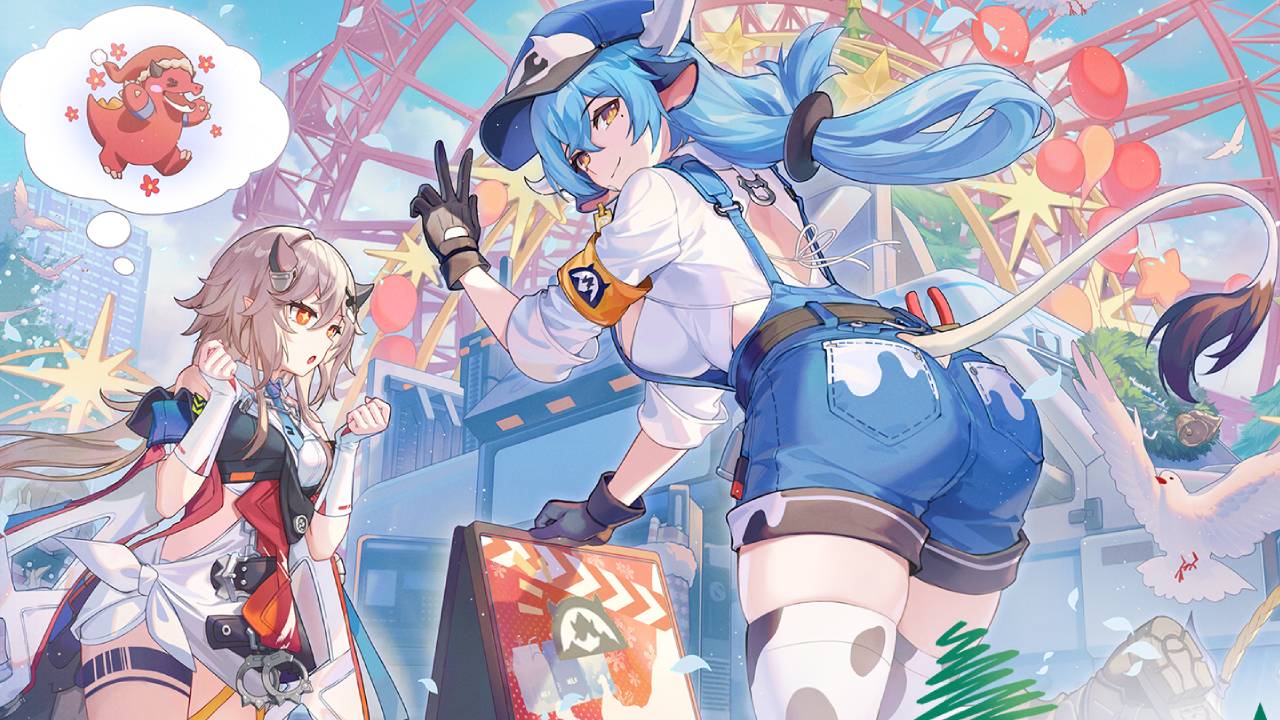
In the early 2010s, gacha games leaned almost entirely on their summon systems. Players logged in, collected premium currency, opened banners, and hoped luck was on their side.
Whether a player progressed often depended more on their pulls than their strategy or time investment. Games like Brave Frontier thrived on this model, keeping excitement high but leaving many players stuck behind unpredictable odds.
This randomness became a defining trait. Low drop rates, the lack of pity systems, and hard paywalls created a clear divide between players who spent heavily and those who tried to make progress without opening their wallets.
For many players, the thrill of pulling a rare character outweighed their frustration. Yet, as the audience grew, so did concerns about fairness and accessibility.
The Push Toward Fairer, Player-Friendly Design
As the criticism became louder, developers realized the genre needed to evolve. This shift was about building trust, not just making gacha systems more generous. That meant more transparency, more predictable outcomes, and more ways for players to feel rewarded.
As a result, fairness became a key selling point. Pity systems guaranteed players a strong character after enough pulls, while rate-up banners gave them a clearer path toward the units they wanted.
Plus, published drop rates helped establish credibility, and event rewards made free-to-play progression more viable. So, players began to view gacha games less like digital slot machines and more like structured RPG experiences.
This broader industry trend toward reliability reflects a shift happening across other online ecosystems. For example, top Solana casinos and other online gambling platforms have also become more consistent, transparent, and trustworthy.
Ultimately, player-friendly changes have marked a turning point for gaming in general and have laid the foundation for the modern progression-focused gacha model.
A New Focus on Deep Progression
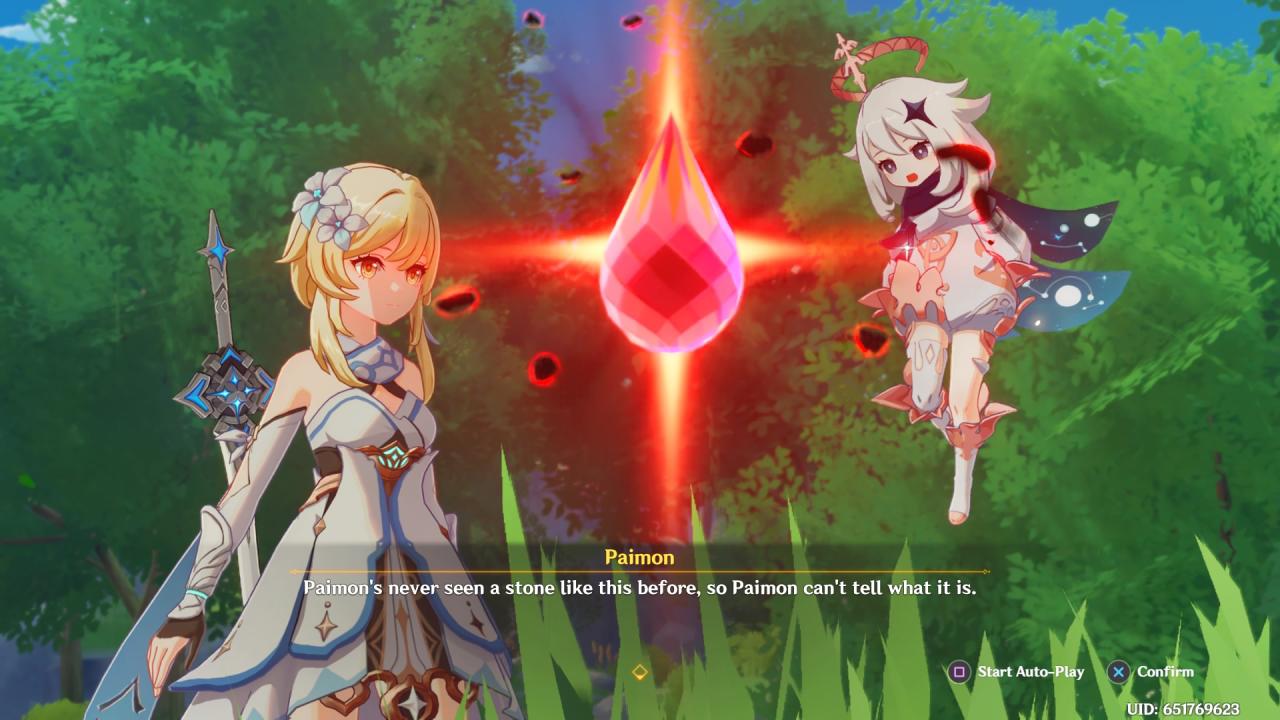
Once developers began prioritizing fairness, the next natural evolution was depth. This means that in today's leading gacha titles, like Genshin Impact, pulling a character is only the beginning. Progression spans levels, ascension materials, gear optimization, passive talent upgrades, and specialized endgame systems.
The new structure rewired how players engage with the genre. Instead of one lucky pull defining the experience, progression became a long-term investment. A powerful character still needs the right artifacts, weapons, and skill upgrades to shine, which gives both free and paying players room to compete.
Strength is no longer solely determined by luck but by strategy, build choices, and time spent mastering the game's mechanics.
Live-Service Updates Reshaped the Genre
As progression systems grew deeper, live-service models took hold. Instead of relying purely on new banners to drive interest, studios expanded their games with major content drops. Story chapters, open-world expansions, rotating combat challenges, and seasonal events turned gacha titles into ongoing platforms rather than one-off releases.
For many players, these new layers became more meaningful than the summon system itself. Exploration, narrative arcs, and high-level challenges kept communities active long after launch. Essentially, the gacha mechanic became one piece of a much larger, constantly evolving world.
How Player Expectations Have Shifted
In 2025, gacha players are more experienced and more demanding. They've seen what fair systems look like, and they're quick to recognize when a game relies too heavily on outdated RNG design.
Now, players want transparent pity systems, consistent event rewards, and progression routes that don't require endless grinding. They also expect older characters to remain viable instead of being overshadowed by every new release, and they want developers who communicate clearly and balance their games responsibly.
Any titles that ignore these expectations tend to fade quickly, while those that embrace them build long-lasting communities.
What the Future of Gacha Games Might Look Like
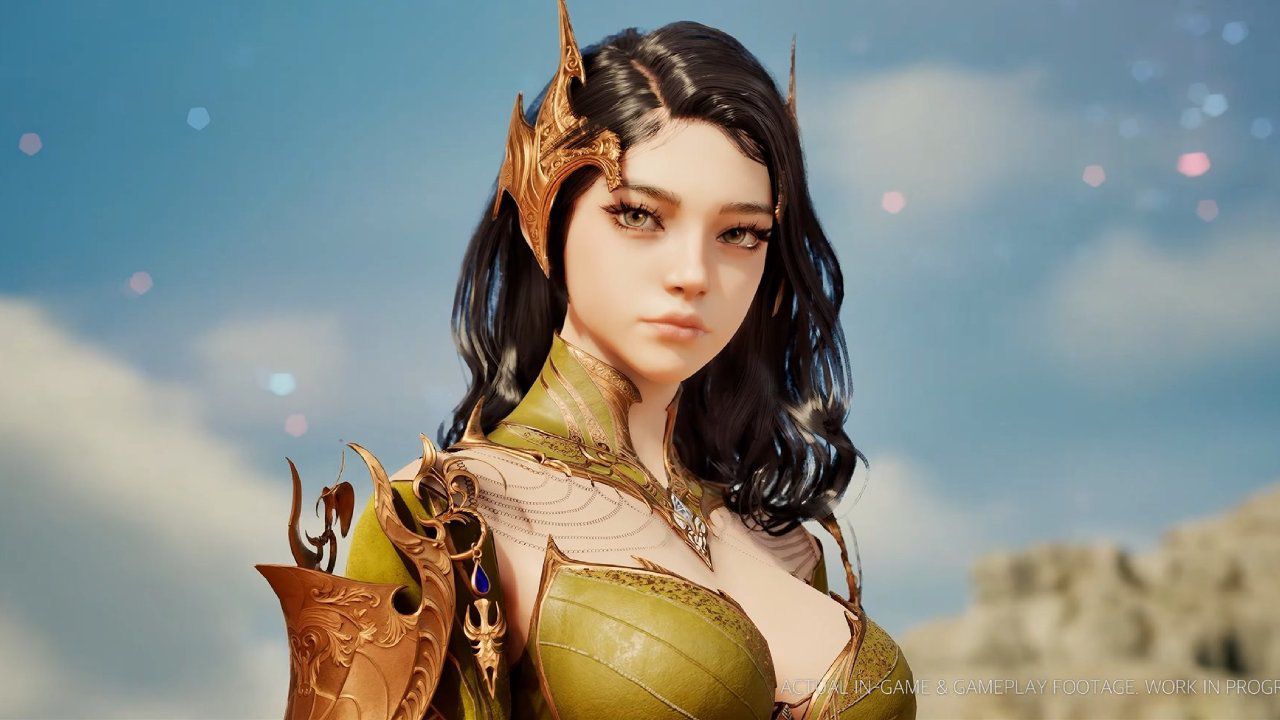
The next era of gacha games is moving toward hybrid systems that mix familiar mechanics with new ideas. Developers are experimenting with roguelite elements, crafting systems that reduce reliance on random pulls, and deeper narratives supported by larger open worlds.
Plus, as more regions tighten regulations around loot-box mechanics, studios are expected to add greater transparency and player control.
These changes signal a shift toward progression and gameplay as the main appeal. Whatever direction the genre takes, gacha games have clearly evolved beyond pure RNG. Now, they're becoming richer, more flexible, and far more community-driven than they ever were.
Contributor, NoobFeed
Latest Articles
No Data.