
Hollow Knight: Silksong's Brutal Difficulty: It's Brilliant but Unnecessary
The long-awaited sequel from Team Cherry has split the gaming community: is it brilliant or unnecessarily brutal?
Opinion by Azfar Rayan on Sep 18, 2025
Since its release, Hollow Knight: Silksong has been on everyone's lips in the gaming community. Team Cherry's sequel to the popular 2017 game Hollow Knight has finally arrived after years of waiting. People are discussing how challenging it is, rather than its beauty or size, despite its gorgeous graphics, immersive world, and smooth gameplay.
Silksong's punishing encounters are brutal, never-ending, and unyielding, and they have split the community in two. The sources say that this new chapter doesn't just follow the same Metroidvania exploration pattern as the first game.

Yes, it still features winding maps with hidden upgrades, strange lore, and secrets concealed behind innovative and clever paths. However, the boss fights have gotten people talking—and their blood pressure up.
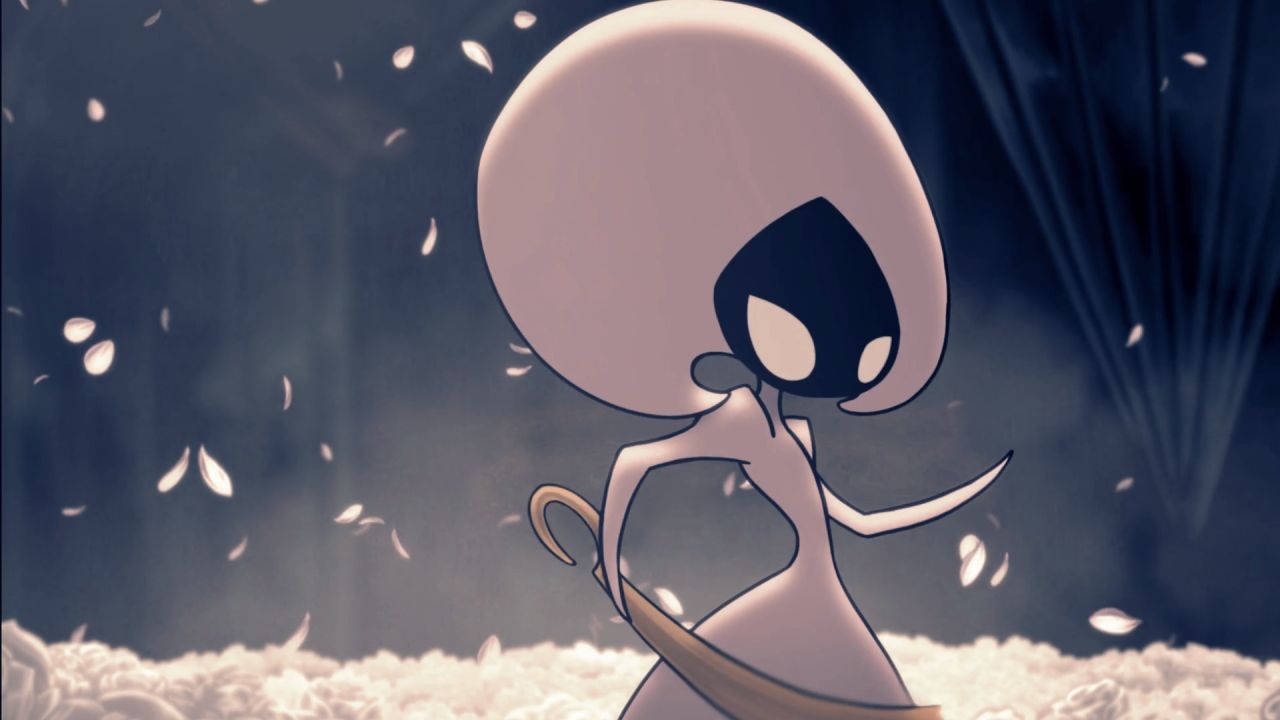
These aren't regular fights; they're punishing gauntlets that require patience, accuracy, and determination. The infamous Last Judge, whom players meet as early as Act 1, is already known as one of the most annoying bosses in the early game in recent memory. Many players claim they have tried dozens of times before even getting close to winning.
This has sparked considerable disagreement within the community. Because each victory feels like a well-deserved badge of honour, some players believe that the game's most enjoyable aspects are the fierce battles. Some people take it too far and turn it into sadism, which makes what ought to be an exciting adventure into a useless task.
From a cult favourite to a global standard
To understand why the Silksong debate has become so heated, it is necessary to examine what happened before it. Hollow Knight was a small indie game that got money from a Kickstarter campaign. It quickly became a global hit. Its hand-drawn art style, creepy but beautiful music, and complicated world design drew in millions of people. But most of all, it got respect for being fair but tough.
The first one wasn't easy; bosses had to practice, areas punished mistakes, and moving forward took a lot of work. But most players thought it was a good mix. The fight was hard, but so was the feeling of winning. This balance is what made Hollow Knight a touchstone for how indie games could compete with AAA games in terms of depth and design.
However, that legacy has generated considerable excitement about Silksong. When a sequel comes out years later and makes the game harder without changing anything, people will compare them. Has Team Cherry stuck to their plan, or have they gotten the line between hard and unfair wrong?
Why make a game so hard?
The obvious question is, why create a game that is so challenging? Sources suggest there are three main reasons.
First, hard things make people happier. A boss who loses on the first try may not be remembered, but one who makes you try for an hour before you win will stay in your mind forever. The eventual victory—palms sweaty, heart racing, and eyes glued to the screen—becomes a story of how hard work pays off. This way of thinking is evident in Dark Souls and its sequels, which transformed hard times into art. Silksong has the same spirit.
Second, the challenge can reflect the story's main ideas. The setting of Silksong, Pharloom, is a desolate place full of decay and hopelessness. Along the way to the Citadel, pilgrims fall dead. There is danger around every corner. It would feel empty (no pun intended) to tell such a story with simple gameplay. Silksong allows the player to experience the struggle alongside Hornet by empowering them to become stronger. Every mistake contributes to the story of how people persevere through pain.
Third, difficulty ensures that players use the mechanics as they were intended to be used. Furi is a game that is like a dance of dodges, parries, and counterattacks. If players could just brute-force their way past bosses, they would overlook the complicated mechanics. This is the same thing. You need to know how to utilize charms, maneuver precisely, and know everything about Hornet's toolbox to play Silksong. Players who take lazy shortcuts are punished, which makes them respect the design.
This makes sense in theory. However, theory and reality often fail to align.
When a Challenge Turns into a Punishment
The difference between fair difficulty and unfair frustration lies in how you perceive things. Players are OK with losing as long as they think they did something wrong. If they see progress, such as lasting longer, avoiding more attacks, or changing their strategies, they are more than happy to repeat the same actions. But when death seems random and doing the same thing over and over feels like busywork, the balance is lost.
Silksong occasionally makes mistakes. Sources say that players are frustrated by having to walk long distances back to their bosses after failing, attack patterns that can't be predicted, and the fact that they run out of ammo for their secondary weapons, which means they have to farm for it.
These mechanics contradict the fundamental principle of fair difficulty. They don't help people learn or get better; instead, they make things tedious and annoying. Because of this, winning can sometimes feel more like a sigh of relief than a celebration.
Instead of feeling happy about overcoming a challenge, players think, "Thank goodness that's over." And when that feeling takes the place of victory, the reason for the challenge is gone.
The Safety Net That Isn't There
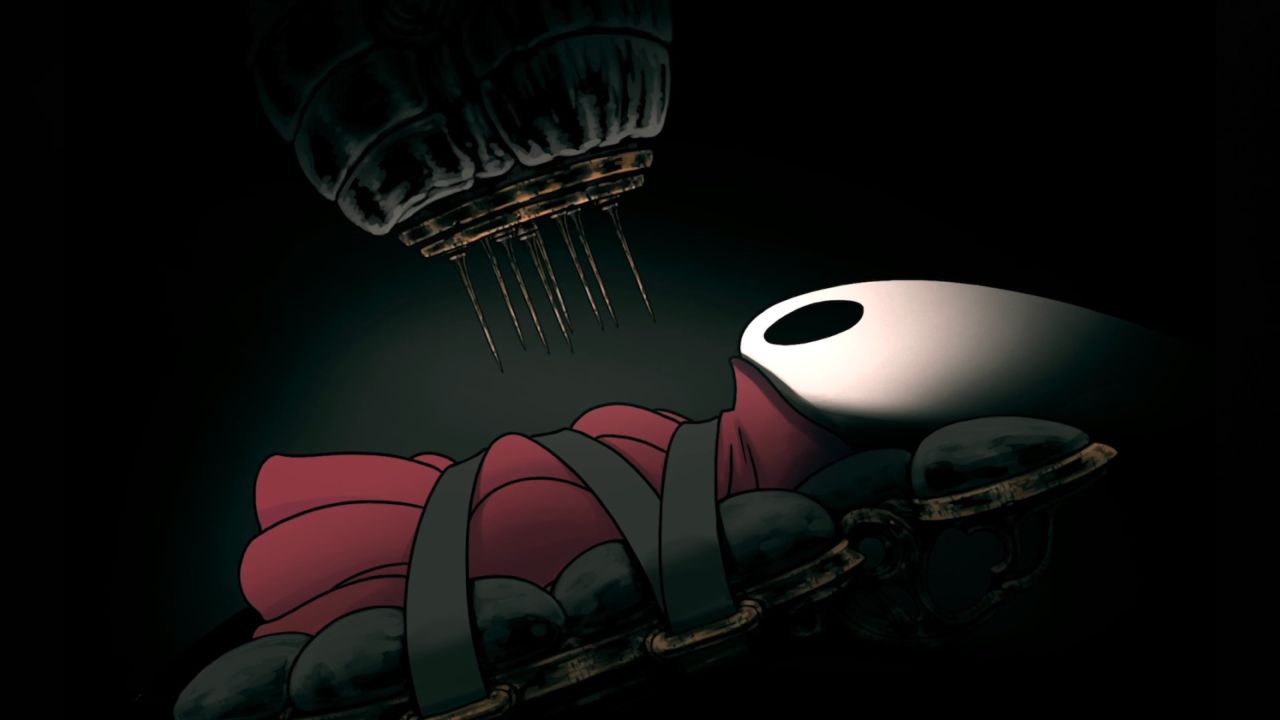
This problem worsens because there are no traditional difficulty settings in place. A lot of new games, like Celeste and Tunic, have made it easier for players to get into them by adding assist modes that let them change the difficulty level to fit their skill level.
These modes don't ruin the intended experience; instead, they make it possible for more people to enjoy the story, exploration, and atmosphere. But Silksong does not have any of these options, just like its predecessor. You can only experience Pharloom the way Team Cherry does.
This is great for purists. It leaves out people who are having trouble. Why should the game's exceptional world design, rich lore, and stunning graphics be hidden behind boss battles that are too hard for most people to win?
After all, difficulty is a matter of opinion. What one person finds hard may be impossible for another. A marathon runner, a child, and Usain Bolt all see the same race in different ways. Silksong firmly stands by uncompromising design, opting not to include adjustable settings. Some people respect this choice, while others are angry about it.
Exploration as a Way to Let Off Steam
But Team Cherry hasn't completely abandoned players. Instead of having set difficulty levels, Silksong makes the game easier to play by letting players explore. When things get too much, hitting your head against the wall over and over again is rarely the answer.
Instead, players are told to leave, explore other places, acquire new skills, and return stronger. The battle with the Savage Beastfly is an excellent example of this. The encounter isn't hard because it's complicated; it's hard because it's so chaotic, with spawned enemies filling the screen.
At first, many players find it almost impossible to navigate the patterns. But leaving, upgrading Hornet, and coming back later changes the battle. Things that once seemed impossible to beat suddenly become possible.
This way of thinking is similar to the first Hollow Knight's openness, but it's even stronger. There aren't many bottlenecks, there are a lot of optional bosses, and you can almost always go in a different direction to keep going.
Even the game's punishments, like losing rosary beads when you die, aren't as harsh as in other games. You can keep your beads safe in the bank, and your mana doesn't go down by half until you recover, unlike in the first game. The message is clear: don't grind your teeth all the time. Instead, go out, try new things, and come back later.
The Balancing Act of Design
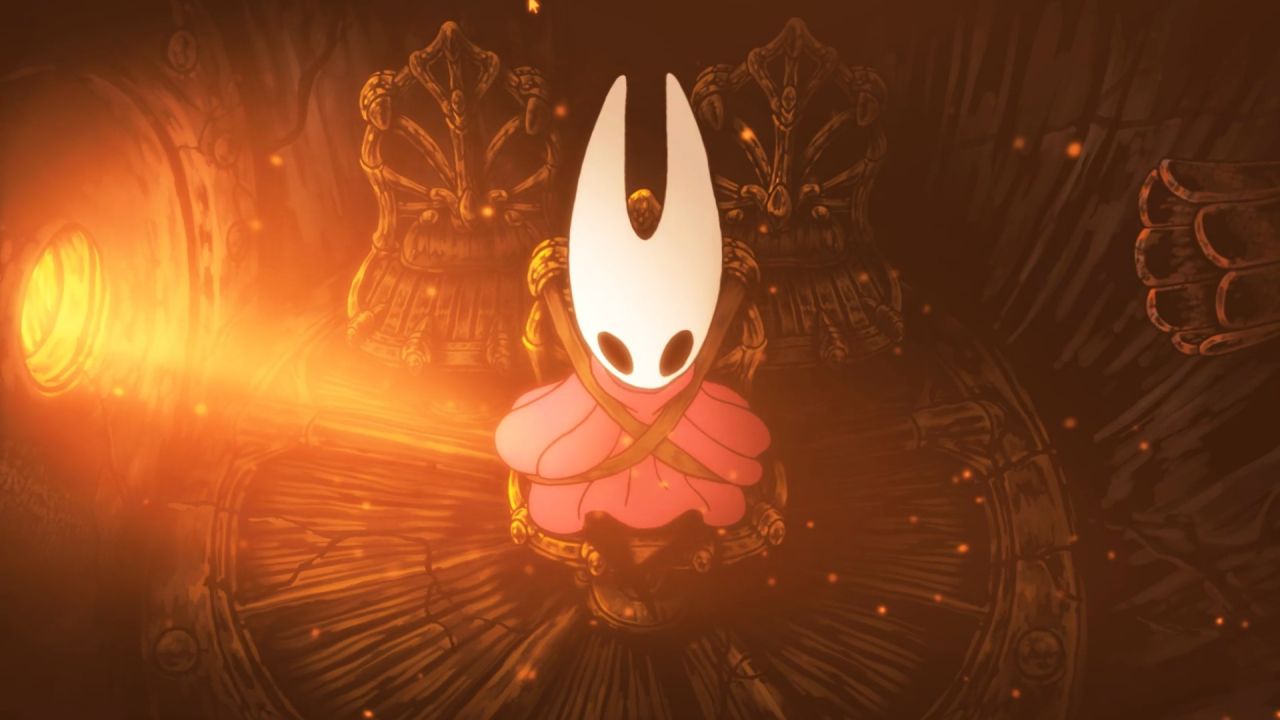
Silksong shows how difficulty can be both an artistic tool and a design risk. The bosses in this game give players unforgettable highs that they will talk about for years to come. But its use of repetition and unpredictability could turn off people who don't want to deal with the grind.
The sources say that this debate is similar to a bigger one in the gaming culture. Should developers prioritise artistic integrity and create experiences exactly as they envision them, even if it means excluding many players?
Or should accessibility always take priority, ensuring that as many people as possible can access and use the content? There is no easy answer. But Silksong has brought this topic back to life with a bang.
A Moment in Culture
No matter what side you're on, the effect is apparent. Silksong became a cultural phenomenon even before its official release date was set. Its name is trending on social media; essays are written about how hard it is, and people are quietly discussing its bosses on forums. It's not just a sequel anymore; it's a lightning rod for how we think about challenge in video games.
For Team Cherry, this is both a victory and a danger. They thought of a term that would attract people's attention, so Silksong will be remembered no matter what. But if they stick to their guns and make things hard, they can lose fans. Updates or community edits could smooth out the rough spots, or the game might remain a monument to their distinct vision. Only time will tell.
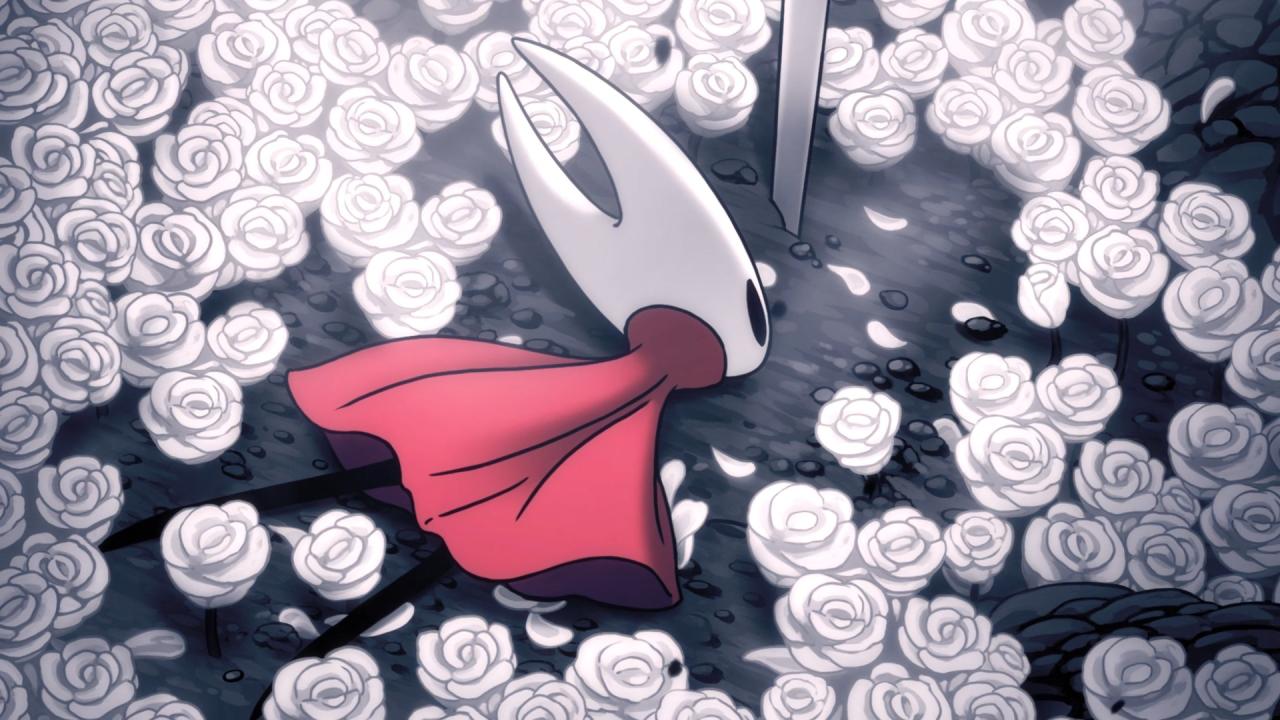
One thing is for sure: Silksong has achieved something that few games can: it has made the story about the difficulty. Every angry sigh, every happy cheer, and every online fight adds to its legend.
That could be what makes Team Cherry's design so great. Silksong isn't just putting Hornet to the test; it's putting us to the test as well.
So the last question hangs in the air, echoing through Pharloom's haunted halls: will you take on the challenge, or will its shadows take you like they have so many others?
Senior Editor, NoobFeed
Latest Articles
No Data.