
Intel’s Next Big Shift: Unified Core CPUs and the 2026–2027 Desktop Roadmap
Intel’s unified core strategy signals a fundamental architectural shift aimed at improving scalability, efficiency, and competitive positioning.
Hardware by Tanvir Kabbo on Feb 24, 2026
Intel's unified core architecture has been formally confirmed, although not in the usual way of announcing a new product. Instead, a job advertisement for the company that mentioned a "unified core design team" gave indirect confirmation.
That element alone shows that there has been a big change in the way the building is designed, even without a stage presentation or major announcement. People are still talking about Nova Lake's launch timeframe, with some saying it might be pushed back till next year. But it looks like the problem is more complicated than just rumors of a delay.
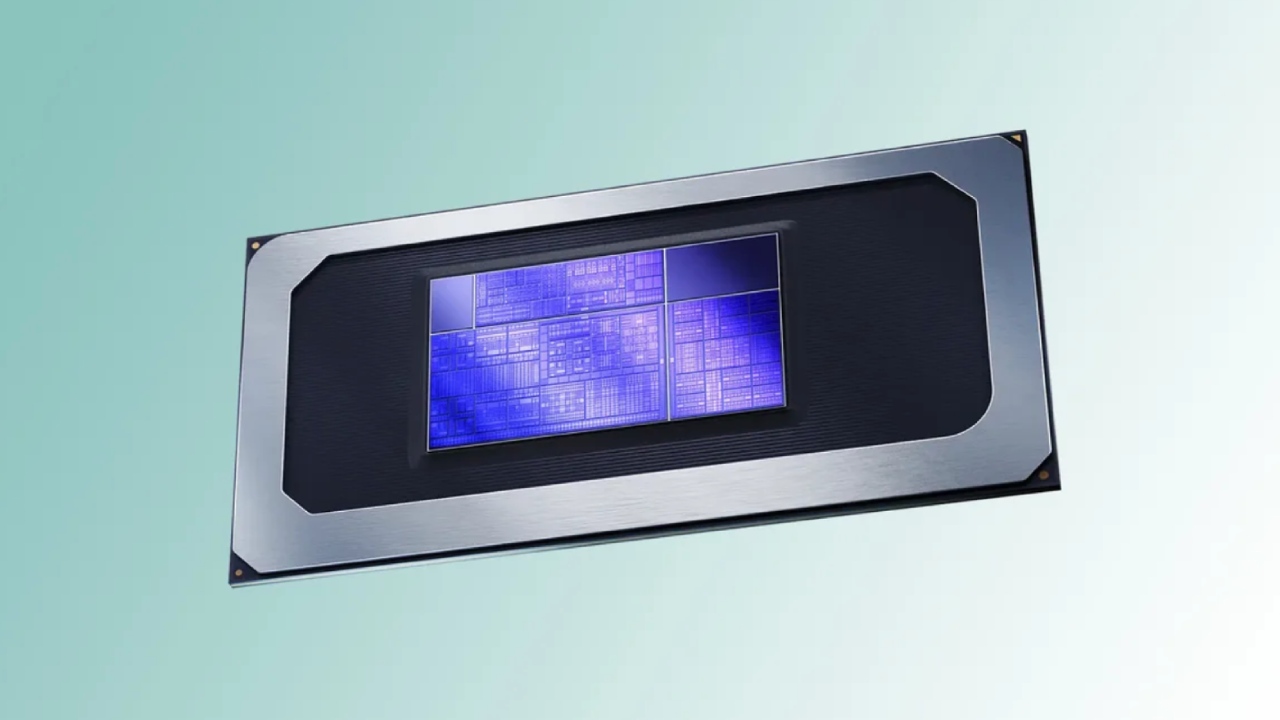
Why Unified Cores Matter Now
For many years, Intel has used its hybrid method, which divides performance cores from efficiency cores. Architectures like Raptor Lake and Arrow Lake showed that mixing P-cores and E-cores can work well for both gaming and productivity tasks. In actual life, this method has worked really effectively.
Intel, on the other hand, seems willing to immediately simplify that design philosophy. The company is moving toward a single, unified core design rather than maintaining two quite diverse core types.
Then, by changing the sizes of the clusters, the cache allocations, the instruction sets, and the power envelopes, market segmentation would be possible. In real life, the distinctions between product tiers would come from configuration rather than from completely different fundamental designs.
If you follow AMD's roadmap, this method could seem familiar. Zen architectures like Zen 5 and Zen 5C already use several versions of a similar design philosophy. They change the density and efficiency of the designs without losing architectural coherence. Intel's transformation demonstrates that it understands this scalable model provides long-term flexibility.
Hammerlink as the First Real Implementation
Current knowledge suggests that Hammerlink will be the first architecture to fully implement Intel's unified-core concept. There are still plans for future designs, such as Nova Lake and Titan Lake. However, not all of them are intended to use this uniform structure right away.
It is important to remember that the uniform design has been talked about a lot in the past. This new proof gives us more confidence that the development process is going well. The job description for a verification engineer talked about strict pre-silicon validation processes, which shows that this isn't just a theoretical test but a real architectural commitment.
Zen Roadmap from AMD puts pressure on competitors
AMD's continued work on Zen has been putting constant pressure on Intel. Zen 5 has already shown it can compete well, and Zen 6 looks set to raise expectations even further. There are rumors about Medusa, the desktop version of Zen 6, suggesting it could have up to 24 cores and 48 threads. We think that AMD wants to be very competitive in single-threaded tasks and make big progress in multi-threaded tasks.
Both firms are still limited to dual-channel RAM on most desktop systems. It will depend on how much work needs to be done, whether that limit becomes a real problem, but for now, it is a shared architectural boundary.
AMD's early use of chiplet scalability, especially with Zen 2, gave it a structural edge in core scaling and cost efficiency. That choice still affects the competitive scene today. Intel's unified-core pivot can be seen as both a change and a response.
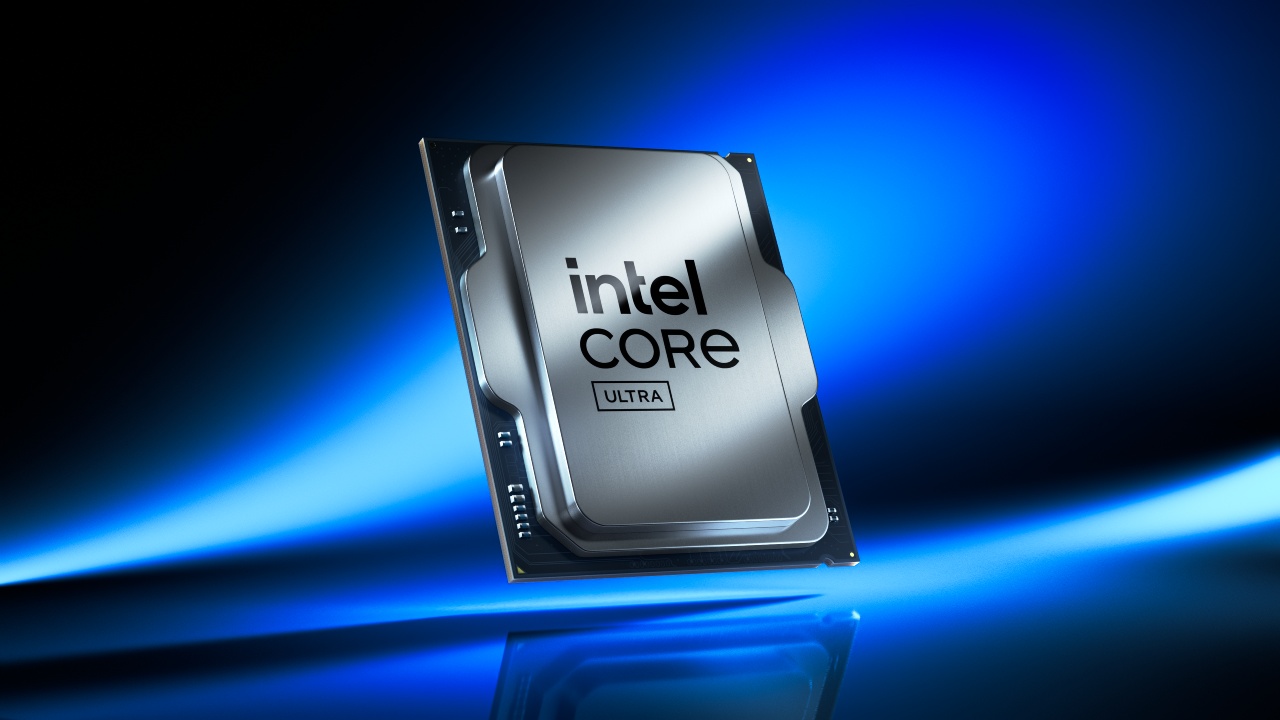
Clarifying the Nova Lake Timeline
There have been rumors that Nova Lake might not come out until next year, which could coincide with CES announcements. There are also rumors that AMD might change the release window for Zen 6 desktops. Delays like this sometimes happen in semiconductor development. However, Intel's management has said that Nova Lake is still on track for late 2026.
We think that the uncertainty is more likely due to segmentation than a full-on delay. The single-tile K-series versions, usually made for gamers and fans, should be released in the fourth quarter. Non-K SKUs, on the other hand, usually come out around the same time as CES in early 2027. This pattern fits with how Intel has released products in the past.
Dual-Tile Variants and What to Expect in 2027
2027 is more important for Nova Lake's dual-tile setups. These higher-core-count versions, which can reach 52 cores, are thought to be aimed at high-end desktop-like markets. Even if they are powerful, they would still have to work within the limits of mainstream systems, such as having dual-channel memory and less IO than specialist workstation platforms like Threadripper.
We think that this staggered deployment clears up a lot of the rumors. Intel doesn't seem to be delaying everything at once; instead, it looks like they're sticking to a phased rollout strategy like they have in the past.
Questions about SMT and architecture
The future of SMT under Intel's unified framework is still up in the air. We think that some parts of the market, especially server goods, may still have SMT features. But the intricacies of how to apply it on a desktop are still not apparent. Security concerns and trade-offs in power efficiency could affect how widely SMT is used in unified core designs.
These architectural choices will have a direct impact on how well your desktop performs, how well it balances efficiency, and how well it can handle many tasks at once. There will still be some doubt until the formal specs are made public.
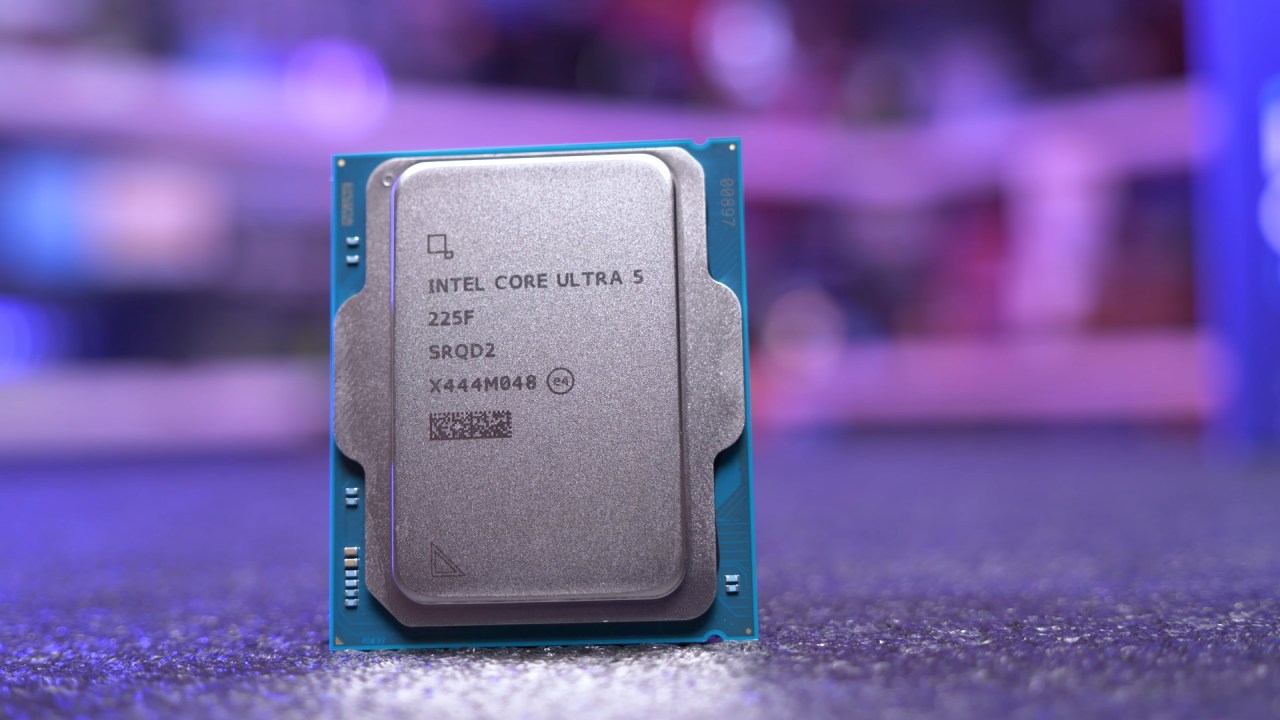
What This Means for the Next Year
The following year will probably be the most important one for Intel and AMD's competition. AMD is still working on improving Zen's scalability and core density on one side. Intel, on the other hand, is changing its underlying concept to make product segmentation easier and better.
We are seeing design thinking come together. Both organizations are moving away from using very diverse basic archetypes across tiers and toward more scalable, modular ways. If execution goes as planned, you should expect tougher competition for performance and tighter price wars in many areas.
In the end, Intel's unified core plan is more than just a technical change. It means that the company is changing its overall strategy in order to regain momentum in a market where AMD's Zen roadmap has been consistently strong. The outcome will depend on how well the CPUs work in the real world, how efficient they are, and how stable the platform is. However, one thing is clear: the desktop CPU market is about to change.
Also, check our other hardware articles:
- AMD Ryzen 9 9950X3D Review: Setting The Standard For 2025 Gaming CPU
- Amazon Luna 2025 Review: Is Prime Gaming's Cloud Service Your Go-To For Casual Fun?
- AMD RX 9070 XT Review: AMD's RDNA 4 Champion for 1440p Gaming
- GeForce Now Ultimate: Ditching Your Gaming PC For Cloud RTX 4080 Power?
- NVIDIA GeForce RTX 5080 Review (2025): Still A 4K Gaming Powerhouse?
- Intel Core Ultra 9 285K Review And Performance Breakdown (2025)
- Intel Core Ultra 9 285K vs AMD Ryzen 7 9800X3D: In-Depth Gaming Performance and Benchmark Comparison
- NVIDIA GeForce RTX 5080 Super Performance In Cyberpunk 2077: Path Tracing & DLSS 4.0 Tested
- AMD Radeon RX 9070 XT In Cyberpunk 2077: Ray Tracing & FSR 4.0 Tested
- Intel Arc B580 Review: The $250 GPU Revolutionizing 1440p Gaming
- Intel Arc B570 Vs. B580: Value, Specs, And Real-World Gaming Performance
- RTX 5090 Laptop Vs. M4 Max MacBook Pro: Ultimate Raw Performance Vs. Battery Endurance
- Intel Arc b580 Vs. RTX 4060: Game Performance And Value Analysis
- RTX5090 Hell Is Us Demo 4K Ultra Benchmark: DLSS Vs. Native Performance Guide
- NVIDIA RTX 5070 Review: Mid-Range Muscle or Marketing Hype?
- Nintendo Switch 2 Review: Handheld Performance, Features & Value Breakdown
- RTX 5070 Ti Review: Performance, Thermals & Power Efficiency Tested
- Samsung Odyssey OLED G81SF Review 2025: Ultimate 32-Inch QD-OLED Gaming Monitor
- AMD RX 9070 Performance Review: Thermals, Clocks, and Real-World FPS
- AMD Ryzen 5 7600 Review: Best Budget Gaming CPU of 2025?
- AMD Radeon RX 7800 XT Review: RDNA 3 Power For Midrange Gaming
- Asus ROG RTX 5090 Astral OC Vs. Founders Edition: The 4K Gaming Benchmark
Senior Editor, NoobFeed
Gaming Hardware Updates
No Data.