
Why NVIDIA Didn't Enable DLSS Frame Generation on Switch 2 Yet?
Nvidia's DLSS frame generation remains absent from Switch 2 as hardware limitations and computational costs raise questions about support.
Handheld by Nahe Yan on Nov 15, 2026
Frame generation has become a feature across multiple generations of graphics hardware, and Nvidia's DLSS frame generation technology is now being demonstrated on older RTX 20 and RTX 30 series GPUs through reverse engineering. However, despite the capabilities of Nvidia's existing technologies, the Nintendo Switch 2 still lacks official DLSS frame generation support.
Meanwhile, developers have started using AMD FSR 3 frame generation in Switch 2 games, raising questions about why NVIDIA has not provided a similar solution for its own hardware. The question is why NVIDIA hasn't provided frame generation for the Switch 2, especially now that DLSS Frame Generation has been demonstrated on older RTX 20 and RTX 30 series graphics cards.
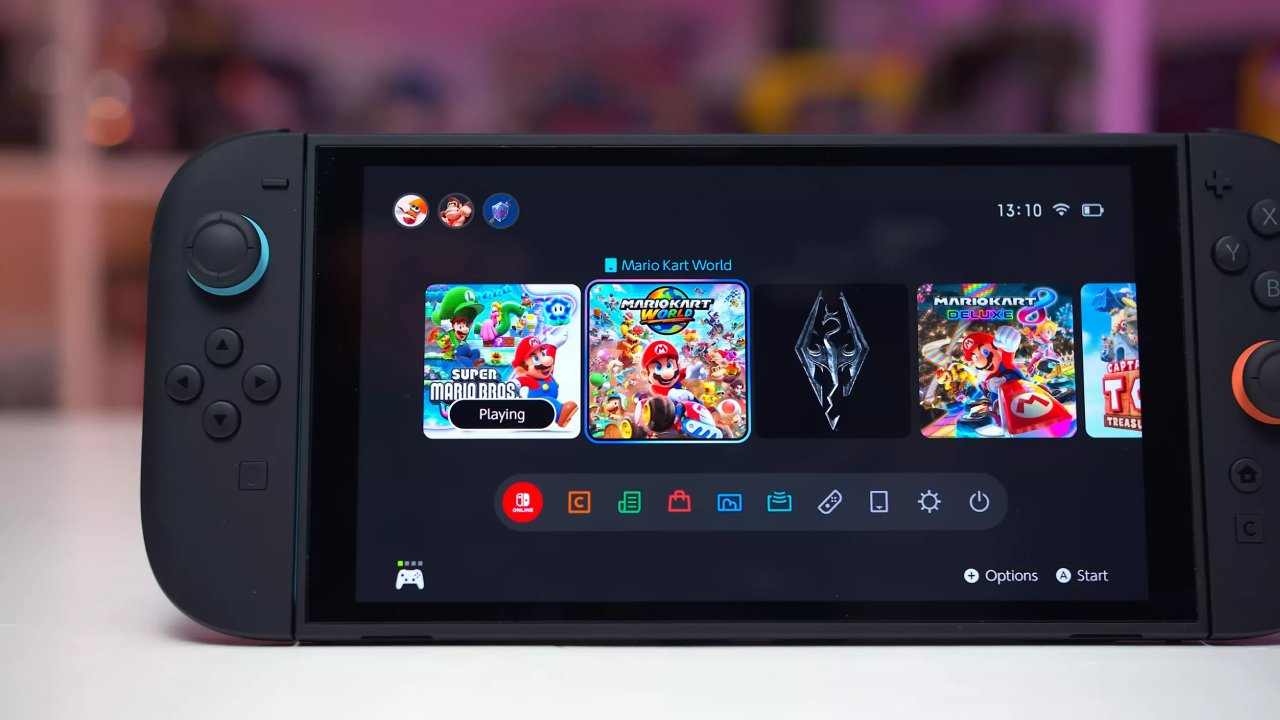
DLSS Frame Generation Could Be Too Expensive for Switch 2 Hardware
Recent reverse-engineering efforts have also shown multi-frame generation working on RTX 20, RTX 30, and RTX 40 series GPUs. Several factors could explain this, including computational costs, politics, and the resources NVIDIA would need to allocate to such a project. The computational cost question is particularly interesting.
Based on projections from other Ampere graphics cards, DLSS frame generation could potentially cost around 8ms or 10ms at 1080p in docked mode on Switch 2. To make this technology useful, we would probably need something like a lightweight frame generation solution rather than a full implementation.
NVIDIA could potentially develop a Frame Generation Lite version specifically for Switch 2. However, if the company is considering that, it might explain why we haven't seen wider deployment yet. Developers have recently started using AMD FSR 3 frame generation in Switch 2 games, including Dragon's Dogma 2 and Stellar Blade.
Surprisingly, FSR 3 frame generation has proven to be a reasonable option on Switch 2 compared with the alternatives. Although it introduces additional input lag, it can provide a smoother frame rate and help games reach 60fps. For a device like Switch 2, which doesn't have enough CPU or GPU performance to push higher frame rates in many games, this can help.
AMD FSR 3 Frame Generation is Already Being Used on Switch 2
We would like to see NVIDIA do something about it, and Nintendo could also help by providing a better solution. However, FSR 3 frame generation is not without compromises. The image quality is acceptable in some situations, but the frame-time cost is high. It is also interesting that FSR 3 frame generation appears to be faster than DLSS in some PC implementations.
Another reason DLSS frame generation might be missing is the investment required to make it work properly. NVIDIA would have needed to dedicate resources to developing and optimizing a solution that could operate within Switch 2's hardware limitations. There is also the question of anticipated demand. Did Nintendo and NVIDIA expect players to want frame generation on Switch 2 when they were developing the hardware and software?
They may have decided it wasn't necessary at the time. Not everyone agrees that frame generation is a suitable solution for Switch 2. One concern is using frame generation when the original frame rate is already low. It could be interesting to use frame generation to take a Switch 2 game from 60fps to 120fps, but using it at lower frame rates is a different situation.
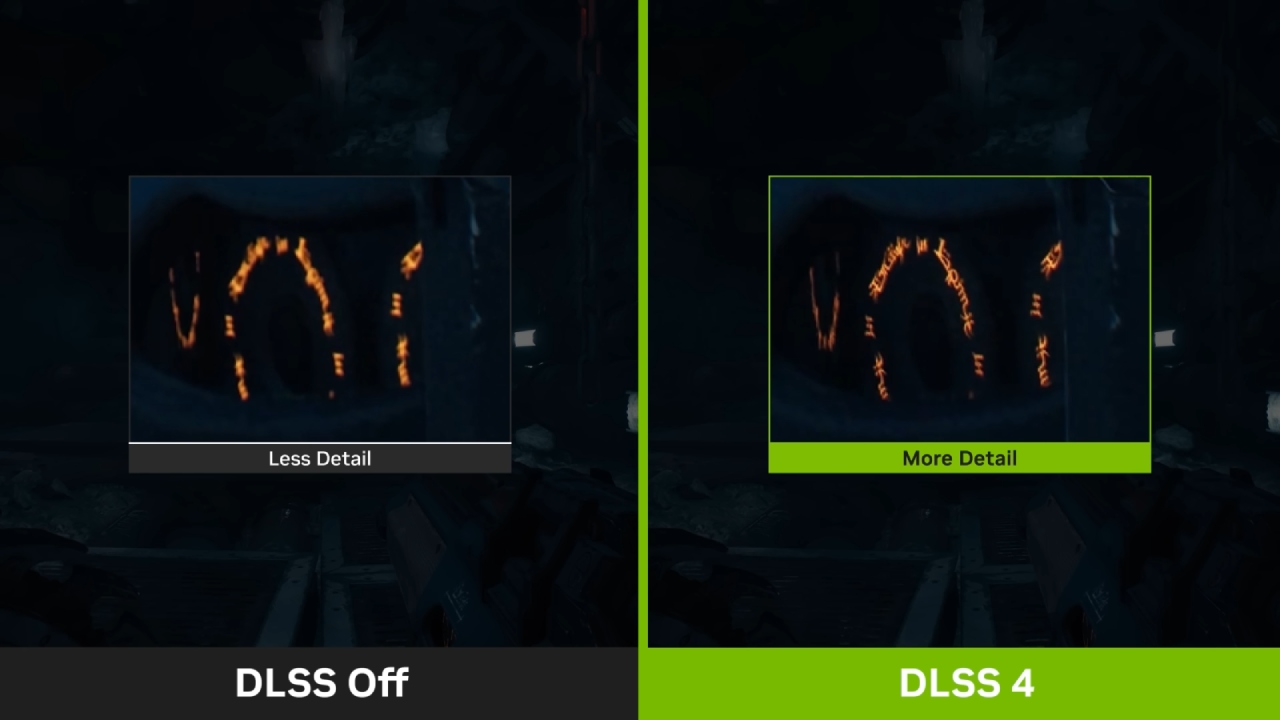
The additional input lag and visual artifacts can make the experience less enjoyable.
No magic solution can make a 30fps game feel like a native 60fps experience simply by inserting generated frames. If NVIDIA could develop something better, it would be worth considering, but frame generation still has limitations. In some cases, developers could have provided a 40fps or 30fps mode instead.
For example, Stellar Blade could potentially benefit from a 40fps target or a 30fps mode rather than relying on frame generation. Dragon's Dogma 2 already offers a 30fps mode, though its frame pacing also has issues. A consistent 30fps or 40fps experience would be preferable to a frame generation mode that introduces inconsistent frame times.
If you can choose between frame generation and a properly locked 30fps or 40fps mode with consistent frame pacing, the latter could be the better option. This is particularly relevant when the game's technical limitations prevent it from maintaining a consistent frame rate. Frame generation can still help reach 60fps, and some of its compromises might be acceptable on a handheld device.
FAQ
Q. Why does Nintendo Switch 2 not support Nvidia DLSS Frame Generation?
A. DLSS Frame Generation could require significant computational resources on the Switch 2. Nvidia would also need to invest in developing and optimizing a solution specifically for the hardware.
Q. Does Nintendo Switch 2 support AMD FSR 3 Frame Generation?
A. Yes. Games such as Dragon's Dogma 2 and Stellar Blade use AMD FSR 3 Frame Generation on Switch 2 to improve perceived frame rates.
Q. What are the main problems with FSR 3 Frame Generation on Switch 2?
A. FSR 3 Frame Generation can introduce additional input lag, visual artifacts, inconsistent frame times, and reduced internal resolution due to its computational cost.
Q. Would a 40fps mode be better than frame generation on Switch 2?
A. In some games, a consistent 40fps mode could provide a better experience than frame generation because it avoids interpolation artifacts and additional input lag.
Editor, NoobFeed
Latest Articles
No Data.