

Panther Lake Arc G3 CPUs Could Redefine Handheld Gaming Performance
Intel Panther Lake Arc G3 leak reveals 14 core configuration with Xe3 graphics targeting next generation handheld gaming devices.
Hardware by Nakiro on Apr 29, 2026
With its new Panther Lake Arc G3 CPUs, it looks like Intel is about to make a big splash in the handheld gaming sector. As Computex 2026 approaches, leaks are emerging that give us a sneak peek at how new mobile gaming systems might be powered.
Variants and Specifications of Arc G3
The latest leaks indicate the new devices will be named Arc G3, but this is still unconfirmed. It will have two variants with Panther Lake. The Arc G3 has 14 cores and 14 threads, operating at up to 4.6 GHz, with 2 performance cores, 8 efficiency cores, and 4 low-power efficiency cores. For graphics, the integrated graphics processor (iGPU) includes 10 Xe3 cores with clock speeds up to 2.2GHz.
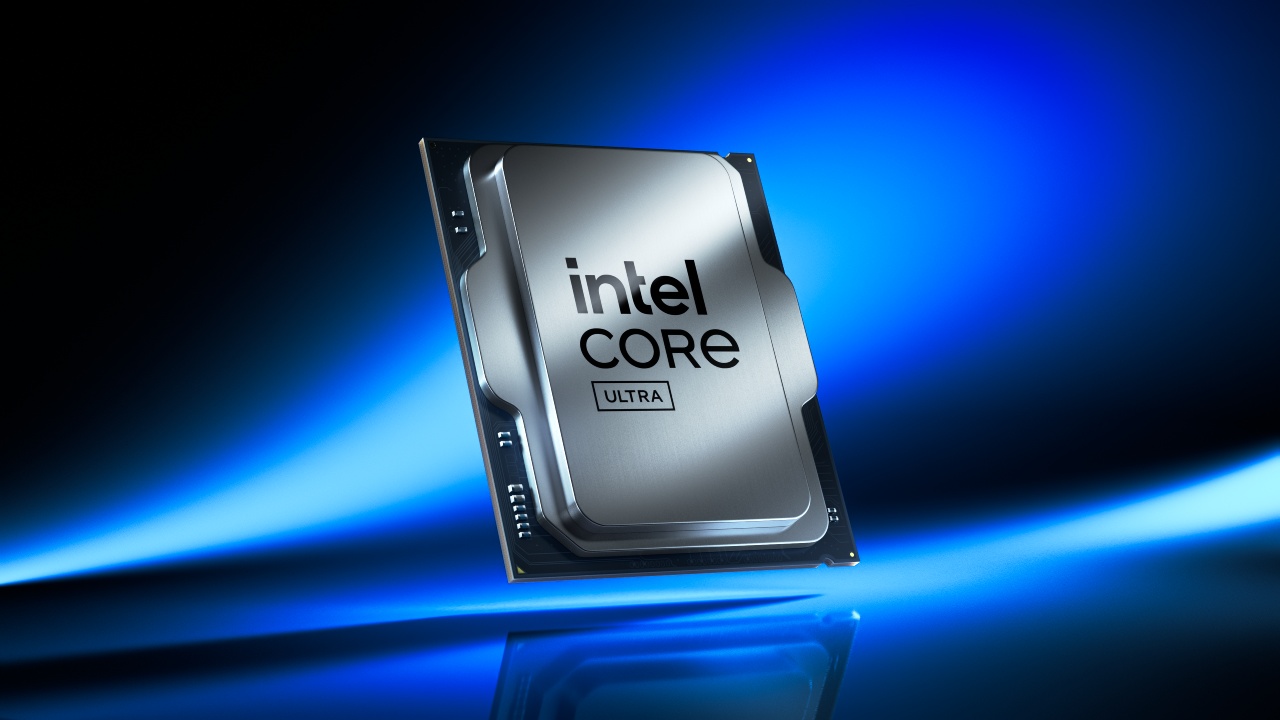
The Arc G3 Extreme has the same 14 cores and 14 threads, but its frequencies are slightly higher at 4.7GHz. The number of CPU cores stays the same, but the iGPU gets 12 Xe3 cores (like the B390) and runs at 2.3GHz. This is still a little slower than more advanced CPUs like the Core Ultra X7 or X9, which can run at rates of up to 2.5 GHz.
Simulating G3 Performance using Core Ultra X7
Given this data, it's possible to gauge performance using current products like the Core Ultra X7. With two performance cores disabled, we're effectively looking at a 14-core Panther Lake system with the same iGPU. The memory is 64GB running at 8533MT/s, which is the expected frequency for a G3 system.
In addition, this system has the Arc B390 iGPU with 12 Xe3 cores. The question here is whether the new chips will include an NPU (neural processing unit), which could be used to auto-super-resolve a video. As it's not confirmed, we test without it.
We set the power limit using ThrottleStop, ranging from 3W to 65W. We set PL2 to at least 1W higher than PL1 to maintain boost during testing at different power levels.
Performance at Different Power Limits
Red Dead Redemption 2 Performance
We start with Red Dead Redemption 2 at 1080p resolution, medium settings, and no scaling, with a 25W TDP. There are occasional hiccups, but overall, the game performs well. Turning on FSR quality mode smooths out performance, and balanced mode can help hit 60+ fps. The game runs well at lower resolutions such as 900p, at the expense of battery life, but with excellent image quality on smaller screens.
Forza Horizon 5 Scaling Efficiency
Second, we test Forza Horizon 5 at 1080p on medium settings with an 18W TDP. It performs well, with frame rates in the low 80fps. Lowering the power to 12W and sticking to 1080p resolution still delivers over 60fps with only occasional dips in performance during more intense gameplay. This is a great showing of efficiency, particularly for mobile use.
Spider-Man 2 and Frame Generation
The performance of Spider-Man 2 varies. With XeSS and a 25W TDP, the game runs at about 61 fps with some drops at 900p on medium settings. Enabling FSR frame generation with a TDP of 18W keeps frame rates above 60 fps, demonstrating that frame generation technologies are crucial for smooth gameplay on integrated graphics.
Fighting Game Optimization with Street Fighter 6
Fighting games such as Street Fighter 6 are optimized. The system runs at 1080p at normal settings and 60 fps locked, with a TDP of 15W. This is much better than other chips that need to scale down the resolution.
Efficient Low Power Mode in Light Games
Using Silkong as a test case, we can see how the chip's power efficiency works. Despite a 15W TDP, power drops to 8W while running at 60fps and 1080p. Ramping up the target frame rate to 120 fps increases power to around 12W, demonstrating that the chip scales power to workload.
Cyberpunk 2077 and XeSS Frame Generation
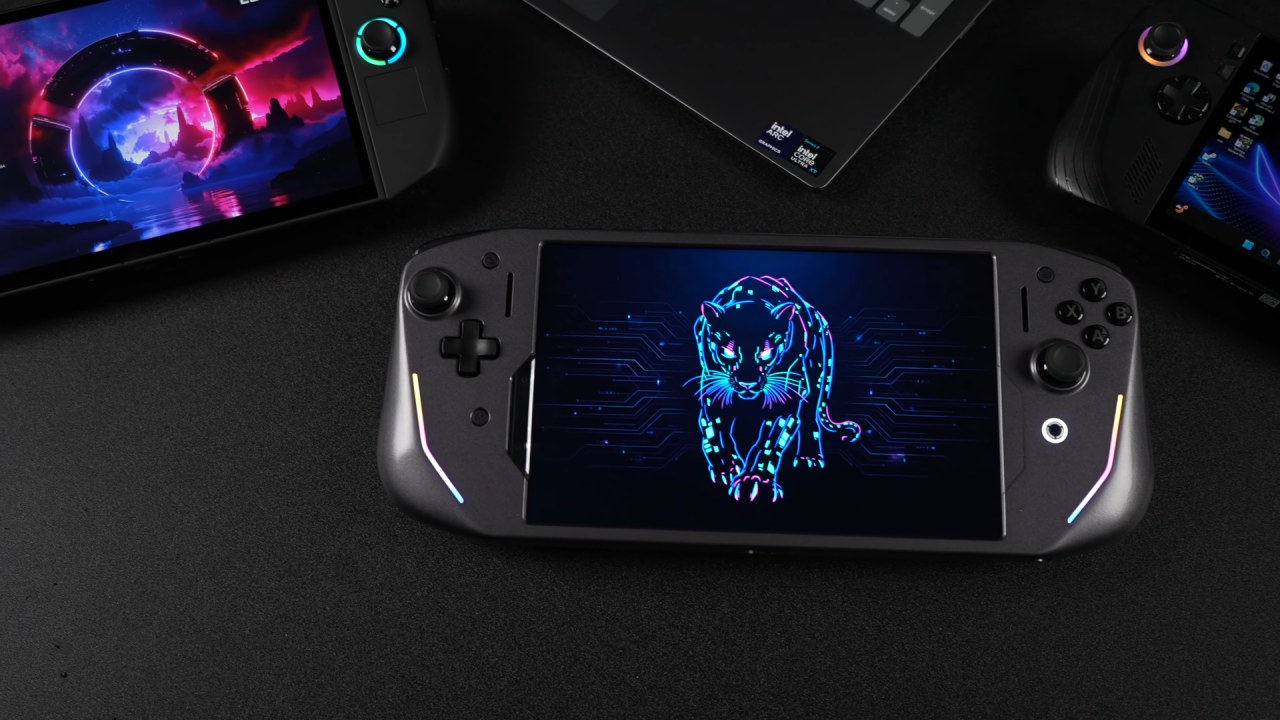
Cyberpunk 2077 is run at 1080p with XeSS balanced at 25W, with the Steam Deck preset. The game runs at more than 60fps with only occasional drops. This is a significant improvement over previous Intel handhelds, thanks to continuous Arc driver updates.
Enabling XeSS frame generation further boosts performance. Intel's graphics software enables multi-frame generation at 2x, 3x, or 4x. At 4x, the game runs at more than 160 fps at 1080p with identical settings, compared to 68 fps at 4x. The latency change is negligible in single-player games, making this feature a great choice for immersive gaming.
XeSS in Next-Gen Handhelds
XeSS frame generation is promising to be a major feature in Intel's handhelds. As games begin to support XeSS and low-latency gaming modes, frame generation could yield substantial performance gains without a significant increase in power draw. This may well be a key selling point for the G3-based devices to come.
Pricing and Market Expectations
The big unanswered question is price. The inclusion of high-speed memory integrated into the CPU could increase the price of new handhelds. But several companies are set to unveil Panther Lake-based handhelds at Computex, suggesting strong market interest.
The forthcoming Arc G3 and G3 Extreme graphics chips demonstrate potential performance gains and efficiency gains. They could put Intel back in the handheld gaming space.
Editor, NoobFeed
Latest Articles
No Data.