
PS5 Pro vs. Radeon RX 9060 XT vs RTX 5060 Ti: Ultimate $700 Gaming Showdown
Comparing GPU architectures, memory bandwidth, and upscaling technologies for optimal mid-range gaming
Hardware by Tanvir Kabbo on Jul 09, 2025
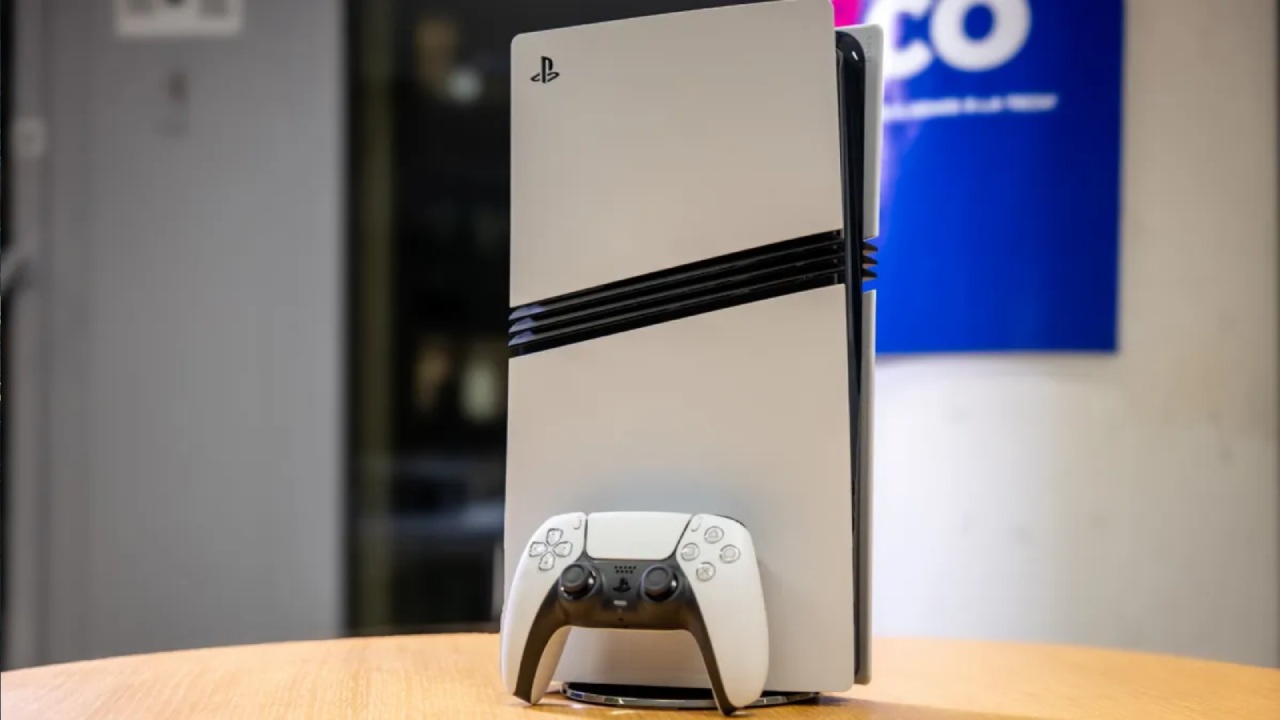
When Sony revealed the PS5 Pro, many set out to assemble a PC with comparable specifications for around $700. At the time, a down clocked RTX 4070 seemed the closest match, but that was before RDNA4 brought us the 9060 XT and Nvidia introduced the 5060 Ti. Both cards now hit Pro like performance—and sometimes exceed it—in modern titles.
Matching Pro Performance in Black Myth: Wukong
In Black Myth: Wukong's prologue, the PS5 Pro's performance mode runs at native 1080p without frame generation. By contrast, we unlocked both the 9060 XT and 5060 Ti to replicate Pro settings and then applied the upscaling overhead.
On the 5060 Ti, DLSS performance mode upscales to 4K, while on the 9060 XT, we forced FSR4 performance mode via an Optiscaler mod. Even with that extra workload, the 9060 XT delivers 5% more frames than the Pro, and the 5060 Ti leads by 27 fps.
You'll notice that the PS5 Pro version uses low-quality textures by default; we increased texture quality to high when testing PC cards to ensure an apples-to-apples comparison.
Forza Horizon 5 at a 60 fps Cap
Forza Horizon 5's console performance mode locks at 60fps while enhancing environmental details. We matched those settings on the PC and found that both the 9060 XT and 5060 Ti averaged above 70 fps.
The 5060 Ti maintains a 2.7% edge over the 9060 XT, proving that mainstream GPUs can handle native 4K output in a game optimized for the console.

Rasterization in Alan Wake 2
Alan Wake 2's performance mode upscales from 864p to 4K using FSR2 quality settings—equivalent to PC medium settings. Here, the PS5 Pro mostly falls under 60fps. We found the 9060 XT to be 13% faster than the PS5 Pro, with the 5060 Ti 10% ahead.
In pure rasterization, both cards closely mirror Sony's $700 console capabilities, and you'll only notice GPU limits when introducing more demanding features.
Ray Tracing Limits and Console RT Settings
Switching to quality mode capped at 30 fps, we observed that the PS5 Pro's ray-tracing setting is effectively set below the PC's low setting.
Using FSR2 balance mode to achieve a 1270p internal resolution, the Pro dips under 30 fps, while both PC cards struggle to maintain the frame cap.
It underscores that console RT settings are tuned lower than PC, and that true parity requires reducing RT quality even further.
Value and Upscaling Support
At $350, the 9060 XT offers exceptional value—even on a PCIe Gen 3 platform—by delivering roughly the same performance as the 16GB 5060 Ti 8GB model at a lower price.
Nvidia's ecosystem, however, boasts superior native upscaling and frame generation support. Radeon users currently rely on mods to enable FSR4 in many titles, and AMD's multi-frame generation still lags behind Nvidia's implementation.
If AMD can standardize native FSR4 adoption and bolster frame gen support on budget cards, the value gap would narrow significantly.

High Refresh Rate and Ray Traced Experiences
We pushed the 5060 Ti through Cyberpunk 2077 at 1440p with full ray tracing overdrive, achieving well over 100 fps on a high-refresh-rate display. Latency increases slightly when using a controller, but it remains within acceptable bounds.
Meanwhile, path-traced Cyberpunk 2077 on a 60-class card demonstrates Nvidia's feature prowess, though it doesn't erase the pricing concerns surrounding the 5060 Ti. We believe a 16GB RTX 5060 Ti shouldn't exceed a $400 MSRP, and the RTX 5070 would deliver even more value if priced appropriately.
By examining both rasterization and ray tracing across key titles, it becomes clear that modern mainstream GPUs not only rival the PS5 Pro's performance but often surpass it, especially when upscaling and frame generation are involved.
Whether you're aiming for native 4K, high refresh rate output, or the best value per dollar, today's PC alternatives offer flexibility and headroom that consoles can't match.
Check Our Other NVIDIA Articles:
- GeForce RTX 5090 Unleashed: Is NVIDIA's New Flagship the Ultimate 4K Gaming GPU?
- NVIDIA GeForce RTX 5080 Review (2025): Still A 4K Gaming Powerhouse?
- NVIDIA GeForce RTX 5080 Super Performance In Cyberpunk 2077: Path Tracing & DLSS 4.0 Tested
- RTX 5090 Performance Testing In GTA 5 – 1080p, 1440p, and 4K Max Settings Benchmark
- RTX 5090 Laptop Vs. M4 Max MacBook Pro: Ultimate Raw Performance Vs. Battery Endurance
- NVIDIA RTX 5070 Review: Mid-Range Muscle or Marketing Hype?
- RTX 5070 Ti Review: Performance, Thermals & Power Efficiency Tested
- Asus ROG RTX 5090 Astral OC Vs. Founders Edition: The 4K Gaming Benchmark
- ASUS ROG Astral RTX 5090 OC Edition Review: 32GB GDDR7 & 4K Gaming Benchmark
- ASUS GeForce RTX 5090 LC Liquid Cooled GPU Review: Unmatched Silence & Speed
Senior Editor, NoobFeed
Latest Articles
No Data.