
PS6 and Next Xbox Could Cost Over $1,000 as AI Drives Up Hardware Prices
With PlayStation 6 potentially facing more than $680 in memory costs alone and Xbox Project Helix reportedly reaching $1,800, the next generation could price millions of players out of gaming.
Opinion by Mahi Araf on Oct 24, 2026
The next generation of consoles may be closer than you think, but there's one big problem that could make their launch difficult: price. The future of console gaming looks pricey, with reports that the PlayStation 6 and Microsoft's next Xbox could cost more than $1,000. People already pay so much for the current generation of hardware. Spending even more for the next generation isn't exactly attractive.
The bigger problem is that the PlayStation 5 and Xbox Series X|S still have room to grow. Developers still haven't fully explored what these systems can do, and many games could use their hardware better. Instead of rushing towards new consoles, there's a reasonable argument for getting more out of the systems people already own.
Now, unfortunately, things are getting even more complicated with rising component prices. AI companies' appetite for memory and computing hardware has been increasing, causing shortages and higher prices across the industry. Gaming hardware has not been immune to rising consumer electronics prices.
If this trend continues, launching another generation of consoles at a reasonable price will become increasingly difficult.
Video Games Chronicle previously reported that Sony and Microsoft were considering a potential 2027 release for their next-gen consoles. That's information from 2025, however, and it's unclear whether those plans have held firm. The hardware economy is becoming a serious concern. Development may still be underway, though.
On October 18, 2026, a Video Games Chronicle report highlighted one of Sony's biggest problems. According to the report, the PlayStation 6's memory alone could cost more than $680 per console. The figure comes from hardware insider Kepler L2, who has accurately reported on AMD hardware in the past. The insider claimed that RAM and NAND storage alone could cost more than $680 per unit, before accounting for the remaining components required to build the console.
That's a substantial amount for just two hardware categories. The PlayStation 6 will also need a processor, graphics, motherboard, cooling system, power supply, and other components. Sony also has to factor in manufacturing, distribution, research and development, and other costs to get a new console to market.
The memory costs listed above may not be the final numbers Sony is working with, but they show why the PlayStation 6 might not stay under $1,000.
Console makers have historically relied on cheap hardware to draw large audiences and recoup costs through software sales and their wider ecosystems. With key parts costing this much more, that business model becomes more difficult to maintain.
Today's situation is so unusual that it already has a precedent: the PlayStation 5. Since launch, console prices have risen dramatically, with the system now costing over 50% more than its original price in some configurations and markets. That's a big shift from the typical console life cycle, when hardware usually got cheaper as manufacturing costs fell and production became more efficient.
Rather than waiting for the next generation to become more powerful and affordable, consumers may pay substantially more for the upgrade.
Microsoft's case may be even more troubling. The company is working on a new Project Helix, which will combine elements of a traditional Xbox console and a PC, possibly letting players play PC games while still enjoying a console-like experience.
That approach could provide more flexibility—but it could also make the hardware much more costly. Fortune published a report on October 20, 2026, titled "The non-gamer CEO racing to save Microsoft's Xbox," covering the company's plans and the financial challenges of its next console.
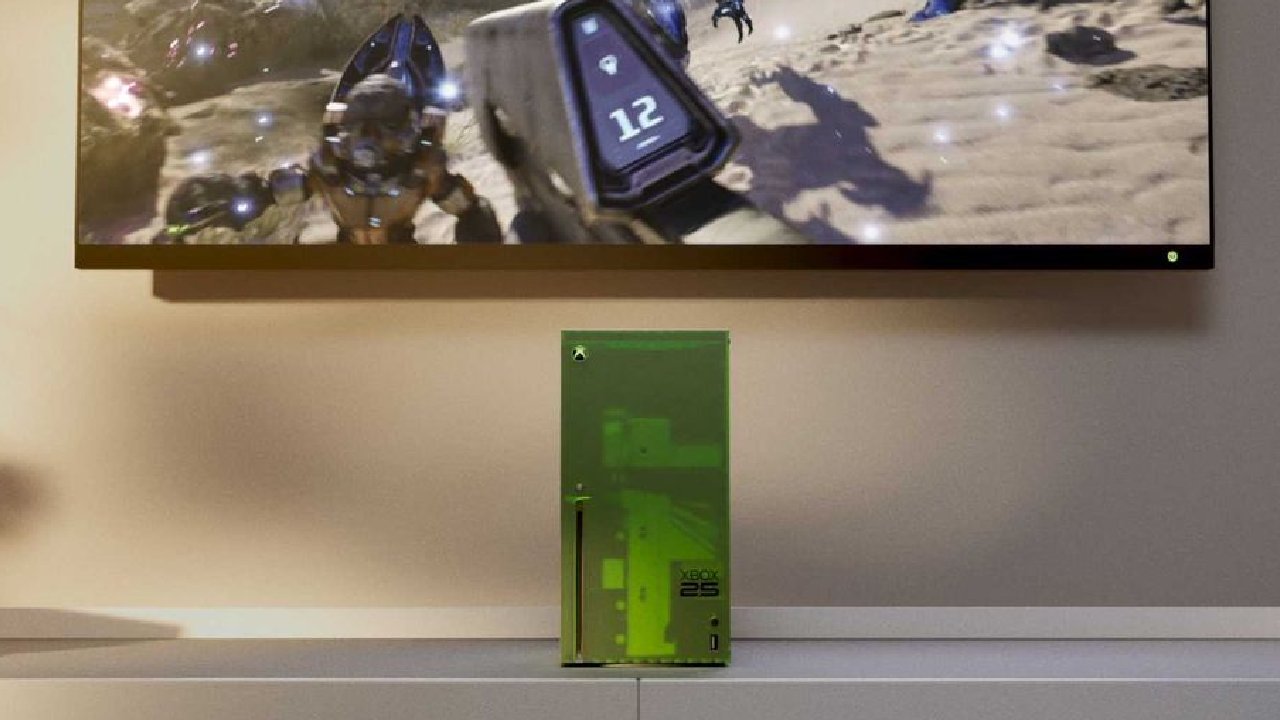
According to the report, Project Helix is projected internally to cost consumers between $1,200 and $1,800 unless Microsoft chooses to subsidize the hardware. That range is reportedly still subject to change, but even the lower end would put the console well above current gaming systems.
If Project Helix delivers a more powerful experience than the PlayStation 6 while functioning as a PC-console hybrid, Microsoft could struggle to keep its price competitive. However, Sony isn't necessarily in a comfortable position either.
With memory and storage prices only going up, both companies may face tough decisions about what's reasonable to charge.
Microsoft is reportedly looking at alternative business models to make its next console more accessible. Details are still being worked out, but one option could be to let consumers pay monthly for the hardware rather than buying the whole system upfront.
That could ease short-term financial pain, but it wouldn't necessarily make the console cheaper in the long run. Subscription services and other payment models might help Microsoft reach customers who can't afford a big up-front purchase, but the company would still have to convince people the overall cost is good value.
Its cloud-gaming approach also shows how alternative pricing models can go wrong. Microsoft is reportedly considering time-based pricing for Xbox Cloud Gaming, where customers pay for a set number of hours rather than a monthly subscription that grants access to cloud gaming.
One example cited was a $12 charge for 50 hours of play time.
For instance, if you already pay for internet, buy games individually, and subscribe to things like Game Pass, the extra hourly allowance may make gaming more expensive rather than convenient. Players have criticized the model as another charge tacked onto an activity that already costs a considerable amount. Paying $12 for 50 hours sounds OK, but add the cost of the game, the subscription, and the internet connection you need to play, and it's harder to justify.
It might also seem like bad value to buy a game outright for $70 or $80 and then pay extra to access it through a cloud gaming service. This kind of pricing doesn't make gaming more accessible; it risks putting people off from the service altogether.

The reaction to Project Helix's potential cost reflects a similar concern. Social media users have joked that an $1,800 Xbox should come with a job offer, highlighting how far gaming hardware prices could move beyond what ordinary consumers consider reasonable.
The concern extends beyond the console itself. New games increasingly launch at $70 or $80, while certain premium editions can approach or exceed $100. Add downloadable content, microtransactions, and other paid extras, and keeping up with major releases can quickly become hard to manage.
The slow transition to digital distribution could make things worse for cost-conscious players.
Traditionally, consumers have saved money another way: physical games that can be bought used, traded with other players, or sold off if you no longer want them. Such a future would threaten to reduce those choices and, in turn, limit gamers' options for finding less expensive games.
Add expensive hardware to rising software costs and extra service fees, and gaming risks becoming a hobby for those with money to spare. That's especially worrying when so many households already struggle to afford essential goods and services.
The financial implications could even reach the console makers themselves. Nintendo has always taken a different approach, making money on hardware sales, while Sony and Microsoft were happy to take a loss on consoles and make it back on software sales and platform fees.
That strategy relies on selling enough hardware to generate a huge user base. Once you have millions of players with consoles, they're a source of customers for first-party games and third-party releases and subscriptions and other services.
The larger the audience, the more opportunities to generate revenue across the ecosystem.
But a console that costs $1,200 or more could make that strategy a lot harder to pull off. If fewer people can afford the hardware, then the audience for games shrinks. That means lower software sales, lower revenue, and thinner profits. Selling 100 million units becomes much harder when the starting price approaches $1,800 rather than $500. Even consumers interested in the technology might decide upgrading simply isn't worth the expense.
Part of the reason is AI's growing appetite for computing power. The hardware that ends up in consumer products competes for memory and components that are heavily used in data centers. As manufacturers respond to that demand, game companies are seeing higher prices for the parts they need to build their systems.
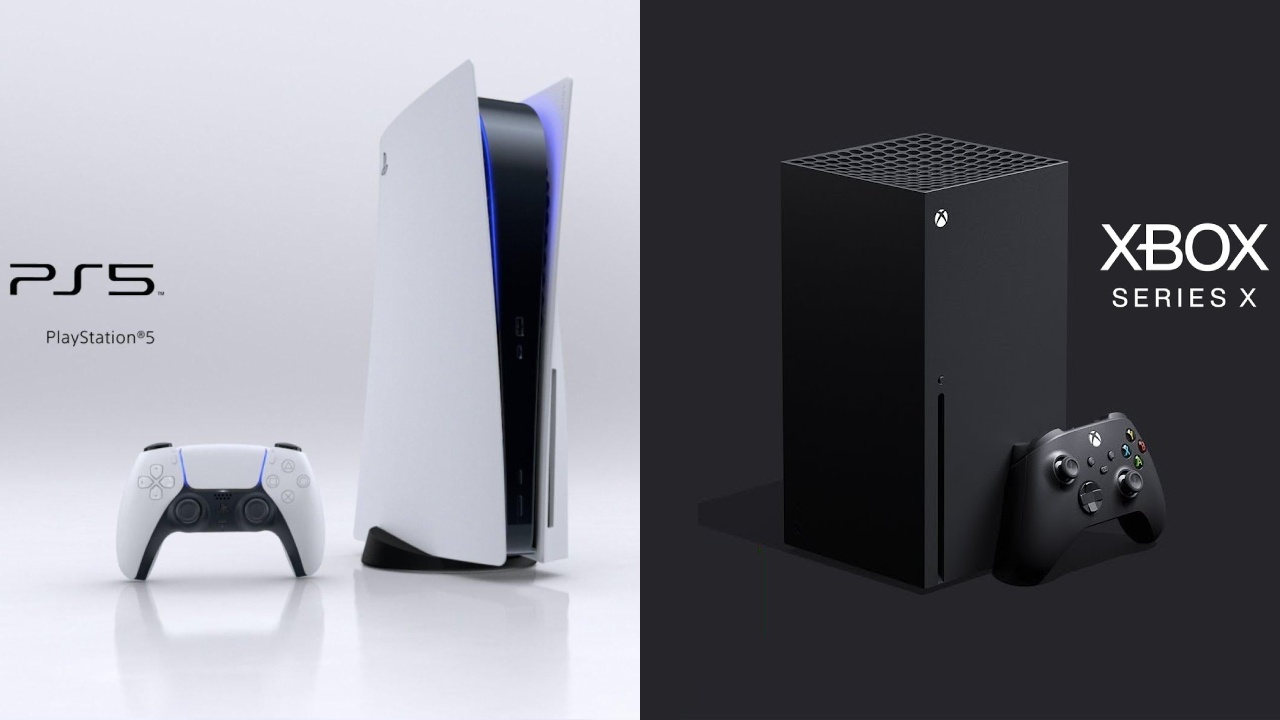
If you just bought the RAM and NAND for a PlayStation 6, and they cost more than $680, then you couldn't sell the console for $600 and even break even on those two parts alone. Manufacturers can negotiate prices, adjust specs, and subsidize hardware, but they can only sustain so much loss.
That leaves Sony and Microsoft with a delicate balancing act.
They need strong systems worthy of a new generation, but prices must encourage people to buy them. If the hardware gets too expensive, the old-school way of building a huge console audience and making money through software could start to fall apart.
But for now, stretching out the current generation may make more sense. The PlayStation 5 and Xbox Series X|S aren't obsolete, and developers can still boost performance, visuals, and gameplay without requiring consumers to buy new hardware.
A later launch could also let component prices settle, though there's no guarantee current pressures will ease anytime soon. The market impact of AI-related demand may take years to play out, making it hard to predict when next-gen consoles might settle at more reasonable price points.
Even a 2028 launch could seem premature if the hardware remains prohibitively expensive. At some point, Sony and Microsoft will have to release new systems to move their platforms forward. But if they launch them before consumers are ready to buy, they may set themselves up for failure from the start.
The next generation will offer a major upgrade over today's consoles, but that upgrade won't mean much if a big part of the audience can't experience it. Gaming is already getting more expensive: hardware, software, and subscriptions. Sony and Microsoft will have to think not just about what their next consoles can do, but whether people will want and be able to pay for them.
Senior Editor, NoobFeed
Latest Articles
No Data.