
How to Read a CS:GO Match Like a Pro: A Beginner’s Guide
Other by Druuna Lewis on Nov 18, 2025
Watching a CS:GO match is often thrilling, but for newcomers, it can feel like a fast-moving blur of gunfire, grenades, and name tags. Yet behind every round lie layers of strategy, adaptation, and decision-making.
This guide reveals how to decode the structure of a professional CS:GO match, how to spot telling signs of momentum, and how to use that insight to interpret the match flow.
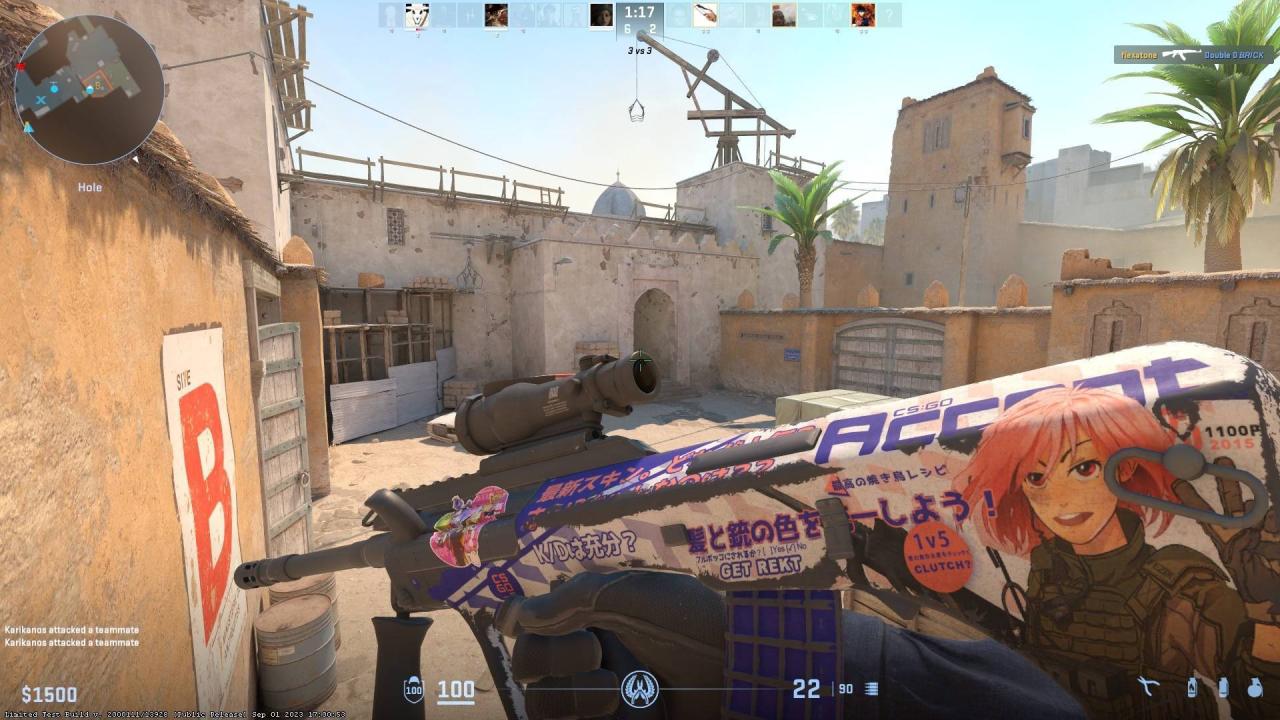
We'll proceed step by step, from match rules and map veto to reading player stats and economic patterns, so you can approach live matches with the confidence of an analyst.
Match Format & Rules: The Foundation
Before analyzing anything, you must know how the match is structured. Professional CS:GO matches generally follow standard rules:
- Rounds and victory conditions: A regulation map is played as best-of-30 rounds, with the first team to 16 rounds wins, taking the map (if one side can't be caught). If the score finishes 15–15, overtime rounds are used to decide a winner.
- With the arrival of Counter-Strike 2 (CS2), many competitive events now use a 24‑round regulation format (12 rounds per side), with the first to 13 rounds winning. If the score ties 12–12, overtime rounds are played (typically six rounds, first to four wins).
- Side swap occurs at halftime: after half of the regulation rounds are played, teams switch from Terrorist to Counter‑Terrorist roles (or vice versa).
- Map veto/pick & ban stage: Before the match begins, teams eliminate and pick maps from a pool (typically seven maps in modern rotation). The pattern of vetoes and picks reveals which maps each team avoids or prefers.
- Formats (BO1, BO3, BO5): Depending on the stage, matches may be single map or multiple maps. In a BO3, each team bans and picks maps alternately, and a decider map may be forced.
- Economy reset and starting funds: When sides swap, players’ in‑game money resets (though there are variations in settings and tournament implementations).
Because of the evolving nature of CS:GO and CS2 and variable tournament settings, always verify the specific rules for the event you are watching
Map Veto & Pick Strategy
One of the first key moments in a professional match is the map veto phase. This is where both teams take turns banning and selecting maps from the competitive pool.
It may seem like a routine process, but it actually reveals a lot about each team's preparation and mindset. Some teams have maps they always ban, ones they are uncomfortable playing, while others consistently pick maps where they feel most confident.
These choices give a clear picture of where a team is strong or where they might be hiding a weakness. Sometimes, a team’s preferred map can still be risky if the opponent has a known counter-strategy on it, making the matchup less about comfort and more about adaptation.
When the veto comes down to a decider map, one that neither team picked directly, it often gives an advantage to the team with more balanced skills across different maps.
Teams that train on the full map pool can sometimes catch their opponents off guard, while those who focus heavily on a few maps tend to perform more reliably in specific situations.
Watching how the veto plays out helps you understand which team is steering the match toward familiar ground and which one may be forced to adapt under pressure.
Momentum, Adaptation & Mid‑Match Trends
A CS:GO match is always changing, with teams constantly adjusting their tactics during and between maps. In longer series, it's common to see shifts in timing, aggression, or map control.
Timeouts often reflect either a need to reset or a planned adjustment by the coach or in-game leader. Some teams perform better on one side, so watching how they handle the switch offers insight into their balance.
Momentum also plays a big role, which clutches wins or smart utility use can quickly turn the tide. If a team has made recent changes or uses a substitute, that can affect their coordination and consistency.
In the middle of competitive matches, some analysis-minded viewers use cs go betting as a reference point to understand how public expectations shift during play. It often reflects real-time perceptions of team strength, map advantage, and performance trends.
Changes in odds during a match typically respond to the same signals that analysts track, such as tactical shifts, economic swings, or standout individual plays. Consider a BO3 series where Team A wins the first map dominantly on Inferno.
Team B takes the second map narrowly on Nuke, and the third map is Mirage: Team A's Inferno pick shows comfort on vertical-heavy control maps. Team B's win on Nuke suggests strong utility use and tight defensive play.
Mirage often favors teams with solid mid control and layered strategies. If, on the final map, Team A’s rifle players maintain strong damage numbers while Team B's AWPers show weaker timing, Team A may have the upper hand going into the decider.
Reading the Economy & Buy Patterns
A match's economy often shapes the rhythm of the game and determines which rounds carry the most weight. In full-buy rounds, both teams have enough money to purchase rifles, armor, and utility, making these rounds high-stakes and tactically rich.
When funds are tight, however, teams are forced into eco rounds or force-buys, where they invest little or only partially, hoping to win with limited resources or at least do enough damage to affect the opponent's finances. Losing multiple rounds in a row triggers a loss bonus, gradually increasing the money a team receives even in defeat.
This system encourages teams to think carefully about when to save and when to spend. In well-coordinated teams, you’ll often see players dropping weapons or sharing funds to make sure their strongest players are fully equipped. These small moves offer insight into the team's structure and where they place their trust.
Momentum can shift suddenly if a team loses back-to-back full-buy rounds; it not only hurts their economy but can also signal growing pressure or mental fatigue.
Because so many decisions hinge on available funds, following the economic flow of the match is one of the most reliable ways to understand a team's current position, whether they're setting up for a comeback or trying to extend their lead.
How Individual Players Shape the Match
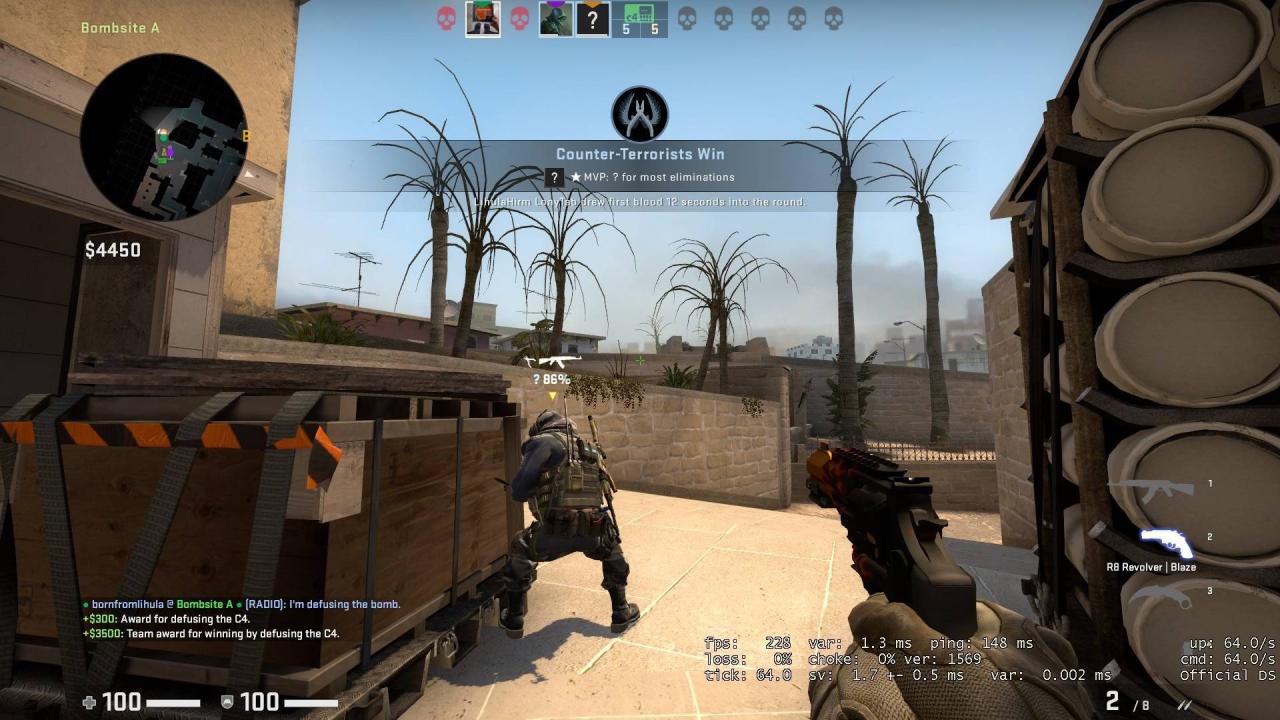
To truly understand why one team is outperforming the other, it's important to look beyond overall scorelines and examine how individual players are contributing round by round. It is important to consider the following aspects:
- K/D ratio, ADR (average damage), HLTV rating: These core metrics show how consistent and impactful a player has been in recent matches.
- Opening kills vs trades: Winning initial duels gives map control, which means that efficient trade kills help maintain balance.
- Clutch-winning percentage: A player able to win 1vX situations often shifts momentum and frames the narrative of a match.
- Utility damage & usage: How well a player uses grenades (smokes, flashes, etc) reveals their tactical proficiency, not just raw aim.
- Recent form and streaks: A player on a hot streak or recovering from underperformance can surprise. Watching recent series gives clues about mental state and confidence.
By comparing how each team's stars are performing round by round, you begin to see which side carries weight and which side may crumble under pressure.
Watching Live: How to Apply Your Knowledge
When watching a CS:GO match, pay attention to the small details that shape the bigger picture. Start by following the map veto and noting which maps are banned or picked, as this shows where each team feels confident.
The pistol round is also important; winning it often gives a team an early money advantage that can set the tone for the first few rounds. Look out for key turning points, such as a clutch win, a successful bomb plant, or a big multi-kill, since these moments can shift momentum and team confidence.
Compare how each team performs on both sides of the map; if one side consistently dominates, that can reveal a tactical edge. Watch how well teams use their grenades and utility, good coordination with smokes and flashes often leads to map control.
By following these patterns, your understanding goes beyond the scoreboard and you begin to see the game the way analysts and professionals do.
Moderator, NoobFeed
Latest Articles
No Data.