
How the Speed, Pace and Volatility of Game Designs Impact Your Gaming Sessions
Other by Aisaka Taiga on Jan 05, 2026
The most interesting thing about gaming is how much game developers have an impact on this industry. It's the developers who decided on the speed, pace and volatility of the game structure. With so many games out there, it's important that you understand just how the speed of a game can impact the enjoyment you have.
If you're just starting out, you may not want a fast-paced game, as you just can't keep up right from the start. On the other hand, if you have been gaming for quite some time, then you might want something quick and speedy on purpose, as you want a bit of a challenge.
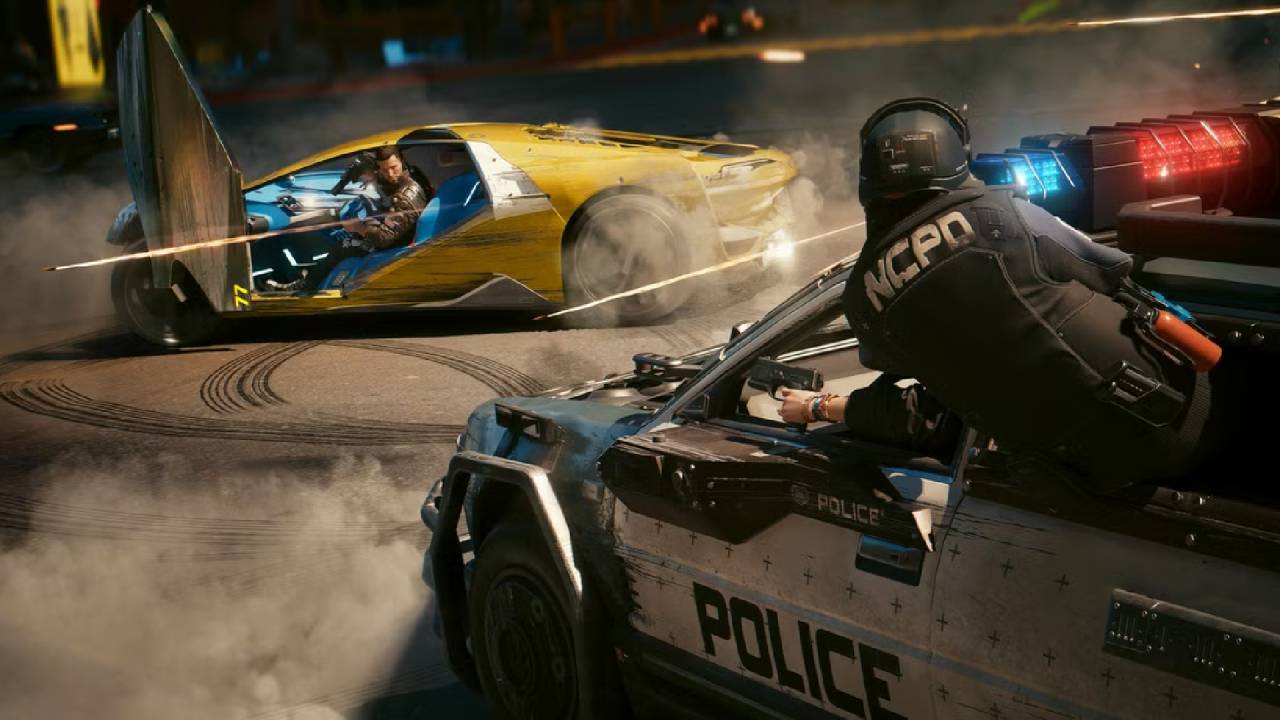
There is so much more behind the speed, pace and volatility of a game. Keep reading to find out more.
Why Game Speed Shapes Your Focus
You can sense the pace of the game right away, even if you don't think about it. Some games keep things moving quickly, getting you into a fast pace that makes you feel alive. Some people take their time, which gives you time to get used to things. As said above, the optimum pace depends on what kind of experience you want.
Most of the time, fast-paced games make you feel like you're always moving. You don't have time to contemplate since the next thing is already occurring. If you like making rapid choices and being busy all the time, this may be exciting.
It's the type of pace that keeps your heart racing and makes you feel like something new is going to happen at any minute. This type of game design is especially used in casino games like slots, where free spins happen at a rapid pace to keep you interested and thrilled.
Slower games offer the opposite. You get breathing room, time to consider what you're doing and the ability to build anticipation. Some gamers like how the slower pace offers them more control and makes each option seem like it was made on purpose. A slower pace might also help you get into longer workouts without feeling too stressed out.
How Pacing Affects Your Emotional Rhythm
Pacing is not the same as speed. Pacing doesn't look at how quickly each action happens; instead, it looks at how the game changes over time. You can have a fast game with slow pacing or a slow game with bursts of intense moments. The pacing determines how the experience feels overall and can influence how long you stay interested.
Some elements that affect pacing include:
- How often special features appear
- The timing between wins
- The presence of mini-games or pauses
- The way the game transitions between major moments
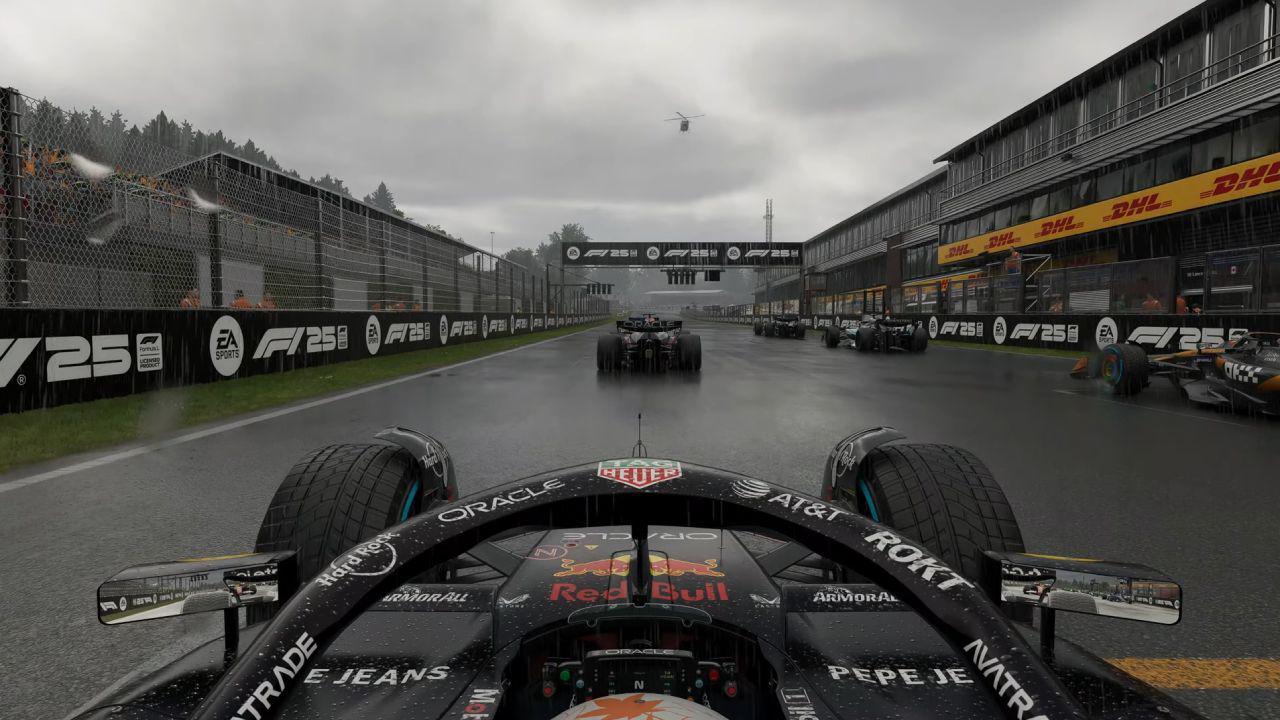
Why Volatility Changes Everything
Even though it's not a visible element, volatility has a major effect on your experience. It tells you how the game deals with victories and defeats. Games with a lot of volatility usually pay out more, but not as often. Games with little volatility pay out smaller amounts more often.
Low-volatility games are easy to play. You win a lot, which keeps you interested. You may not see huge results, but you do feel like you're making progress. If you want longer sessions or want outcomes that are easy to anticipate, this sort of volatility is perfect.
High-volatility games do the opposite. You may not see anything important for a long time, and then all of a sudden you might see something important. It's a rollercoaster style of play that appeals to players who enjoy suspense and aren't afraid of quiet stretches in exchange for those dramatic moments.
Volatility also looks at the promotions and bonuses that certain games use. For example, with online casino games, bonuses have different kinds of volatility measures. It's up to you to pick the one that best suits your needs. Just remember to only engage in safe and secure ones on sites like betterbonus.com, as these have been thoroughly vetted.
How These Elements Work Together
Speed, pacing and volatility don't exist in isolation. When combined, they shape the entire tone of your session. You'll often find that your preferences shift depending on how you're feeling that day.
For example, if you choose a fast game with high volatility, you're getting an intense experience. You'll feel the ups and downs quickly and your attention stays completely locked in. It's exciting but it's also demanding.
A mid-speed game with medium volatility sits comfortably between the two extremes. This balanced combination is popular because it keeps things moving while still giving you occasional surprises.
.jpg)
How These Design Choices Influence Your Play Style
As you get more familiar with how speed, pace and volatility shape your experience, you start choosing games more intentionally. You start to notice more than just how something looks, which affects how much you appreciate it.
You might find that:
- You like short bursts more than lengthy sessions.
- When you want to relax, you want to go at a slow pace.
- You react strongly to specific emotional rhythms in games.
The more you pay attention to how you respond to things, the simpler it will be to choose games that really fit the kind of experience you seek.
Finding the Right Game for Your Mood
Playing games is a personal thing. Your preferences might change based on your energy level, your schedule or the kind of day you've had. Because speed, pacing and volatility all affect how you feel during a session, understanding them gives you more control over how you play your favorite games. Just remember to play with responsibility in mind, as this is key.
Moderator, NoobFeed
Latest Articles
No Data.