
Upcoming CPUs in 2026 Specs Rumors Performance and Platforms
Early 2026 focuses on refinements while late 2026 introduces significant architectural shifts across brands.
Hardware by Nahe Yan on Jan 01, 2026
There will be many CPU debuts from AMD, Intel, and Nvidia in 2026. Both verified statements and ongoing rumors point to upgraded models early in the year and big architectural revisions later on.
New X3D CPUs, ARM-based consumer processors, and next-generation designs are also part of the range. These could affect PC makers' judgments on upgrades.
In the first half of 2026, there will likely be more iterative updates and refreshes than completely new architectures. These launches improve existing platforms by fixing problems found in current generations, improving clocks, and changing cache designs.
Updates for AMD Ryzen X3D
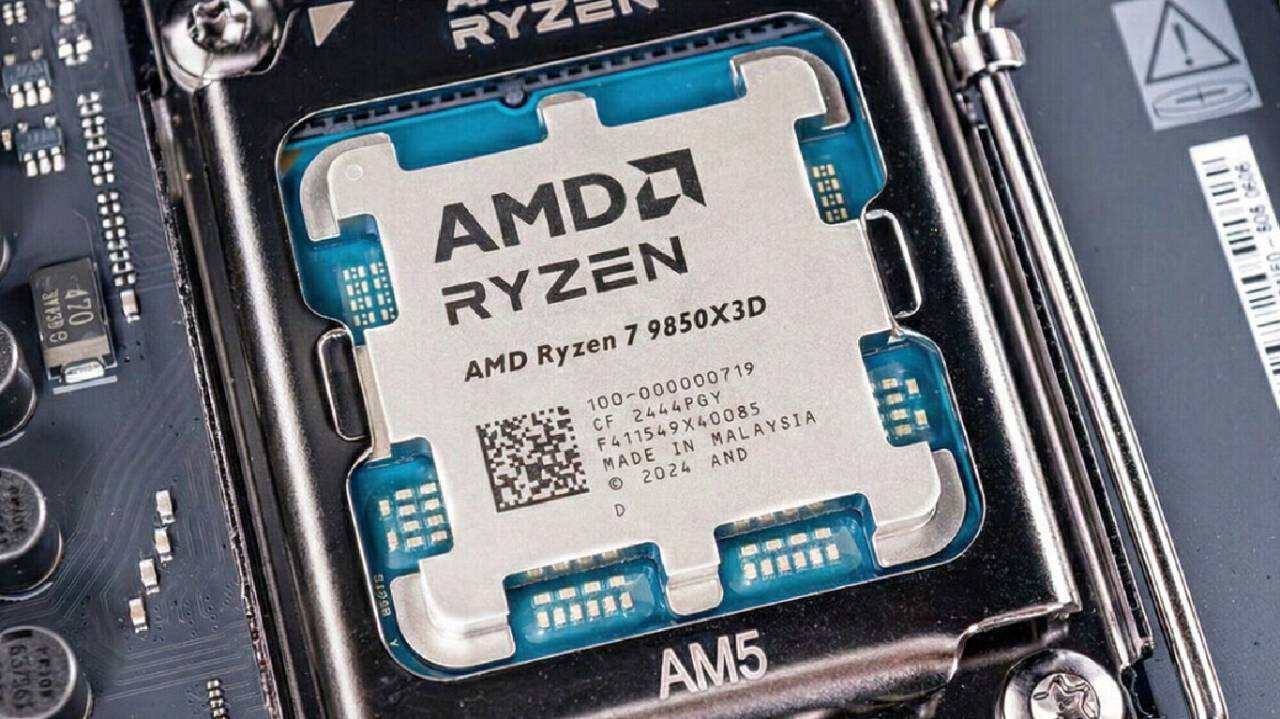
AMD will launch new 3D V-Cache CPUs in the Ryzen 9000 series at the start of 2026. Ryzen 9950X3D2 and Ryzen 9850X3D are two models people are talking about.
Reports say the Ryzen 9950X3D2 has the same 16-core configuration as the 9950X3D, but adds 3D V-Cache to both CCDs. It is reported that each 8-core CCD has its own cache, which increases the overall L3 cache from 128MB to 192MB. There are rumors that the clock rates are roughly 100 MHz lower than the original 9950X3D and that the TDP could reach 200W.
The best thing about it is that you can use all 16 cores with V-Cache at the same time, which stops the CCD from shutting down as it does in the present model. Most games still operate best with eight cores or fewer, but this design could help workloads that mix gaming and work.
Ryzen 9850X3D is a higher-binned version of the Ryzen 9800X3D. It should keep the same number of cores, cache size, and TDP, but the boost clock should go up from 5.2GHz to 5.6GHz. Leaked benchmarks reveal that PassMark has increased by about 5%, but it's still unclear how much better games will be. Retail leaks and BIOS updates have already mentioned this CPU, which means there will likely be an official announcement around CES 2026, and it will likely be available by March 2026.
AMD Desktop APUs in 2026
At the beginning of 2026, AMD is expected to introduce new desktop APUs, possibly part of the Ryzen AI 300 series. In the latter half of 2025, updates to the microcode and BIOS demonstrate that support is already in place. These asynchronous processing units (APUs) appear to be minor improvements over the Ryzen 8000 G series, with only slight increases in clock speed.
These APUs are still limited for desktop gaming because they have less PCIe bandwidth and a lower cache architecture. Prices are also likely to remain high relative to performance, making them less desirable for dedicated GPU designs.
Refresh of the Intel Core Ultra200 Plus
Intel has stated that the CoreUltra200 desktop CPUs would be updated and sold under the moniker CoreUltra200 Plus. Statements to investors say this update is meant to fix both manufacturing and firmware problems present at the original launch. People say performance boosts can range from 10% to 30% across various games.
The new lineup is likely to have unlocked versions of the Ultra9, Ultra7, and Ultra5. The Ultra9290K Plus should be very similar to the 285K, with only slight clock-speed increases. People say that the Ultra7270K Plus and Ultra5250K Plus will have four more E-cores than their predecessors. The base memory support may go up from DDR56400 to DDR57200. TDP values should stay the same.
BIOS upgrades should keep these CPUs working with current LGA1851 motherboards, such as the Z890 and B860. People say prices will stay about the same, but in the real world, they may stay lower because the market is doing well. People think that there will be an announcement at CES2026 and that the product will be available in March 2026.
NVIDIA's Entry Into Consumer CPUs
According to reports, the N1X is based on Nvidia's GB10 superchip, which features 10 high-performance cores, 10 efficiency cores, and a 6144-core integrated GPU with the same number of cores as an RTX 5070 mobile GPU. The N1 version is still not very clear. The first delays are due to issues with silicon and the timing of Windows 12, which is supposed to improve ARM compatibility compared to older versions of Windows.
Rumor has it that the first laptops with these CPUs will be out in the first quarter of 2026, starting with Alienware systems. Mini PCs may be the only type of desktop that is available, not socketed consumer platforms. In the second half of 2026, both Intel and AMD are likely to make major architectural changes, leading to direct competition at the upper end of the market.
Intel Core Ultra 400 and 3D Cache Processors
Intel has said that the Core Ultra 400 series will be the first to include CPUs with layered cache technology. Intel calls this cache BLLC, which stands for Big Last Level Cache. These CPUs are scheduled for release in late 2026 and will go head-to-head with AMD Zen 6 processors.
Core Ultra 400 range will have a redesigned LGA1954 socket and the Z990 and B960 chipsets. Intel has said this socket will support CPUs from four different generations. There will be three types of cores in the architecture: P-cores, E-cores, and new LP-cores designed for power-efficient workloads.
There are rumors that the specs will feature four CPUs that support BLLC. Two models are expected to have two compute tiles with 288MB of L3 cache each, while the other two will have one compute tile with 144 MB of L3 cache. There are rumors that the best CPU will have 16P cores, 32E cores, and 4LP cores. Other variants have fewer cores as needed. We still don't know how much memory support will cost.
Intel is likely to stick to its typical release schedule, with unlocked variants arriving in late 2026 and locked devices at CES 2027.
AMD CPUs for Zen6 Ryzen
AMD has said that Zen 6 Ryzen CPUs will launch in 2026 and will still work with the AM5 socket. The design makes significant improvements, including increasing the number of cores per CCD from 8 to 12 and increasing the L3 cache to 48MB per CCD.
With this setup, Ryzen 5 CPUs should have eight cores, Ryzen 7 CPUs should have 12 cores, and Ryzen 9 CPUs should have either 16 or 24 cores, depending on the CCD configuration. PCIe support is likely to remain at 28 lanes of PCIe 5.
There are rumors that Zen 6 X3D CPUs will have much larger caches. The 12-core Ryzen7 X3D model could have 144MB of L3 cache, and the 24-core Ryzen9 X3D model could have 288MB. There are rumors about new X970 and B950 chipsets, as well as new Expo2.0 memory profiles. Base memory support is likely to go up to DDR56400, and greater optimum rates are also likely.
Buy Now or Wait
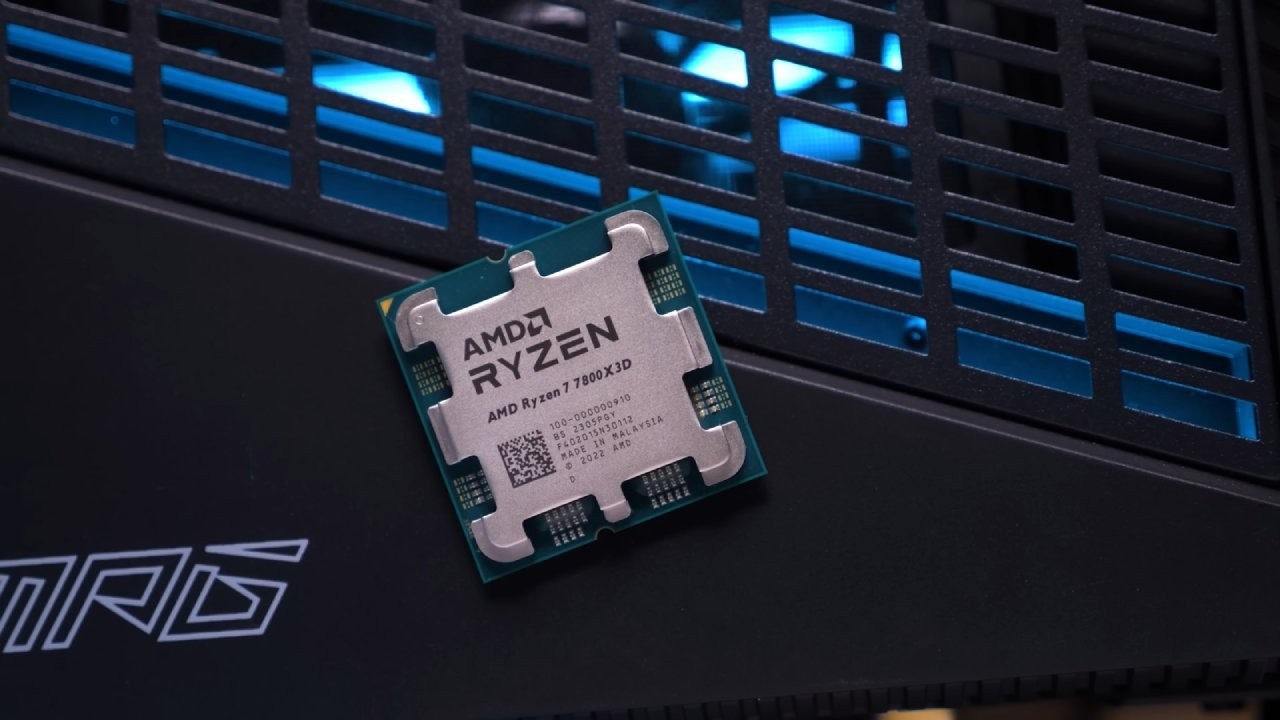
When deciding whether to upgrade CPUs now or wait until 2026, consider the whole system. Even at 1440p and 4K, current CPUs like the Ryzen 9800X3D are fast enough to keep up with even the best GPUs. Until GPUs get better, the benefits of upcoming refreshes will probably be small.
The price of RAM is still a big deal. Prices have recently steadied, but it's still hard to say what will happen in the future. Waiting makes it hard not only to know how much RAM and GPU will cost, but also how many CPUs will be available.
Buying now gives you peace of mind and good performance for most projects. Only builders who want the best parts and don't have a budget may find it worthwhile to wait until the late 2026 launches.
Final Thoughts
If you need to stay within a budget, Ryzen 5500 is still a smart choice. It only works with PCIe Gen 3; however, it works well with Radeon GPUs that use all PCIe lanes. You usually get a decent deal when you buy a motherboard with 16GB or 32GB of RAM.
When you buy a B850 or X870E motherboard, DDR5 memory, and cooling solutions all at once, you can save money on the AM5 platform. You may obtain balanced performance right away with them and CPUs like the Ryzen 7600X or Ryzen 7800X3D, without having to wait for new releases.
Building now avoids unclear pricing changes and ensures that the new GPUs will work with the old ones. There will be significant changes in 2026, but most people will get more for their money if they upgrade now rather than wait for the next cycle.
Also, check our other AMD articles below:
- AMD Ryzen 9 9950X3D Review: Setting The Standard For 2025 Gaming CPU
- AMD Ryzen 7 9800X3D Review: 3D V-Cache Goes God Mode with Stunning Gaming Performance
- AMD RX 9070 Performance Review: Thermals, Clocks, and Real-World FPS
- AMD Ryzen 5 7600 Review: Best Budget Gaming CPU of 2025?
- AMD Radeon RX 7800 XT Review: RDNA 3 Power For Midrange Gaming
- Sapphire NITRO+ AMD Radeon RX 9070 XT Review: The Ultimate 4K Gaming GPU
- AMD Ryzen 7 7800X3D: Delivers Gaming Performance Far Beyond Expectations
- AMD Ryzen 9 7900X Review: Powering the AM5 Era with DDR5 & PCIe 5.0
- ASRock Radeon RX 7800 XT Challenger OC Review: Best Price-to-Performance GPU of 2025
- Intel Core i9‑14900K vs. AMD Ryzen 7 7800X3D: Power Profiles & Gaming Benchmarks
Editor, NoobFeed
Gaming Hardware Updates
No Data.