
AMD Driver 26.3.1 Fix Boosts 9070 XT Path Tracing at 4K
Driver bug in Cyberpunk path tracing testing led to incorrect AMD 9070 XT performance results before retesting with updated drivers.
Hardware by Shinji Okazaki on Mar 24, 2026
A glitch messed up the testing results, leading people to draw the wrong conclusions about how well the GPU performed. A follow-up test with new drivers yielded very different results, prompting a revision and clarification of the prior results.
It's so annoying to have to do something you didn't expect to do because of a problem that ruined testing and made the findings look bad in front of thousands of people. After putting out a video on a 30-day AMD challenge, when the 9070 XT was utilized as a daily driver for thumbnails, video editing, recording, live streaming, and gaming, that happened.
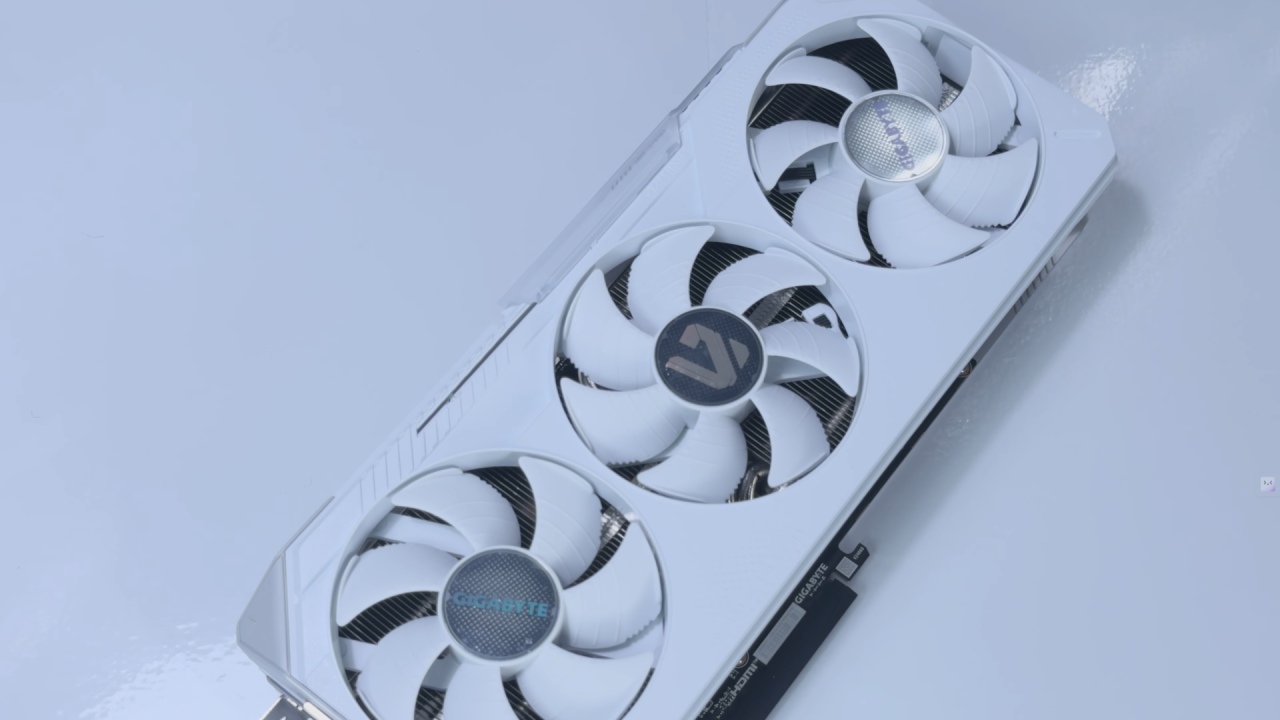
What Went Wrong During the First Tests
The responses showed that the overall experience was good. But in the end, they talked about how well path tracing worked in Cyberpunk. The information given at the time was true. It was said that AMD had improved ray tracing, but it was still behind Nvidia, especially in path tracing. To have a good experience, FSR and frame generation were needed.
Finding the Bug and Testing Again
The scenario was reviewed again after feedback highlighted problems. After the first round of testing, a new AMD driver, version 26.3.1, came out. When we retested Cyberpunk with the same settings but the new driver, the frame rates were much higher.
The most likely problem was that the FSR and frame generation settings weren't configured correctly in the last test, due to a bug that caused issues with Cyberpunk when path tracing was enabled. This problem went unnoticed at first because people mostly use the game for benchmarks. Testing was done at 4K, which is a difficult resolution for route tracing; thus, low performance didn't seem strange right away.
The revised driver made a significant difference in the results, showing that the old data was incorrect.
New Performance Results at 4K
The results were much better when I used the fixed setup with 4K resolution, high settings, path tracing enabled, FSR set to Super Performance, and frame generation enabled. In several cases, frame rates exceeded 120 fps, reaching 150 fps. There were also smoother frame times, which made the experience more stable.
This result clearly differed from the preceding presentation and showed that the GPU performed better than was initially thought.
Dealing with Misunderstandings
Some responses thought that AMD was being unfairly biased on purpose. That notion doesn't fit with the bigger picture. Using AMD technology every day to fully challenge it and getting largely good results goes against the premise of deliberately skewing data negatively.
It makes more sense to accept that bugs or technical problems can cause mistakes. When an issue is found, the right thing to do is to admit it and provide new information, as happened here.
Trade-Off Between Image Quality and Performance
A lot of the performance increase still depends on frame creation, even with better frame rates. The image quality at 4K with ultra-performance FSR doesn't look very good. The quality of the visuals is still subjective, but the path tracing result may not be what you were hoping for.
Changing FSR from Ultra Performance to Quality improves image clarity. Still, it also significantly lowers the frame rate, making the experience less useful. If the frame rate drops below 40 fps, it means that better upscaling won't produce smooth gaming at these settings.
It is possible to enhance performance by lowering the resolution to 1440p or 1080p. Still, the purpose was to see what the GPU can do at 4K.
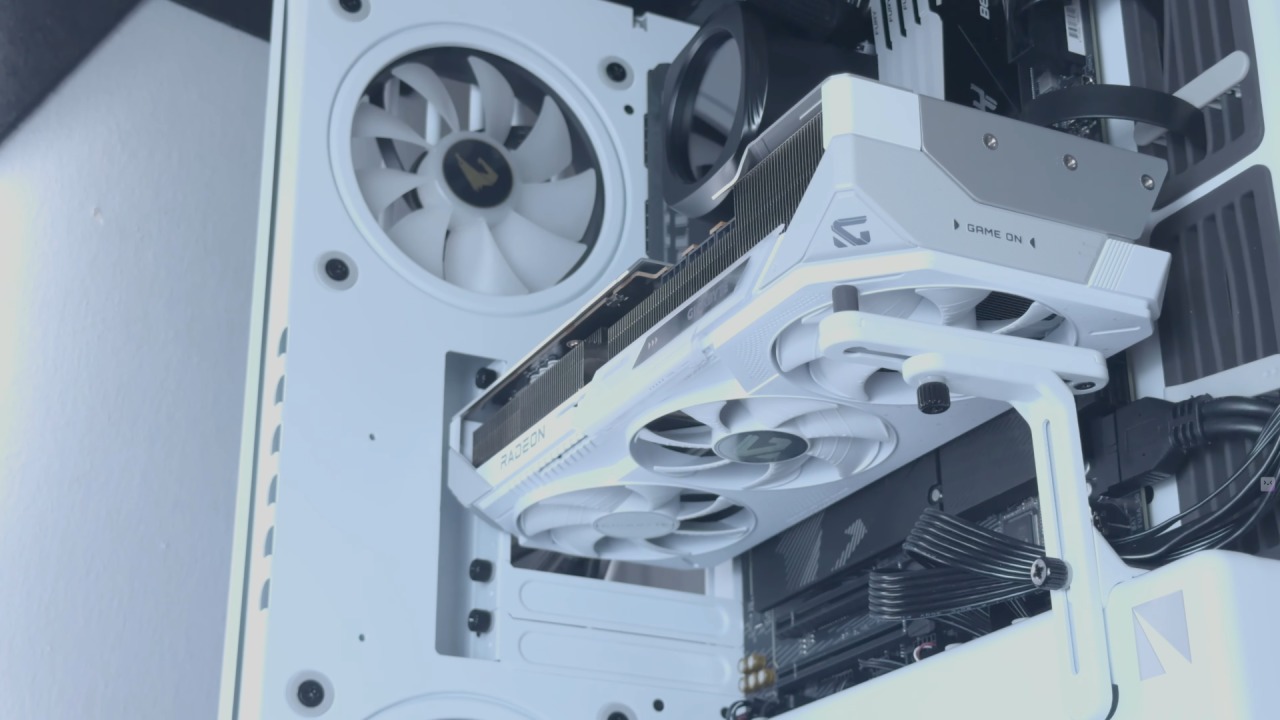
Performance Without Creating Frames
If you turn off frame generation but keep 4K, path tracing, and FSR ultra performance, you should get about 60 fps on average. It is still possible to play, but the lower frame-time consistency and less clear images are still evident.
Because they rely heavily on upscaling, character models, and overall visuals, the benefits of path tracing still don't fully come through.
Final Thoughts
The goal of path tracing is to improve visual quality, using ultra-performance upscaling to keep playable frame rates. The balance between performance and visual quality becomes a problem.
9070 XT performs better than it first showed and is a good GPU. NVIDIA, on the other hand, still has the upper hand in ray tracing, route tracing, and sophisticated frame generation technologies like multi-frame generation and current work on dynamic frame generation.
The revised data more accurately reflect performance, and the purpose remains to present findings based on what is objectively seen. It's okay to make mistakes, but fixing them ensures things are clear and correct going forward.
Also, check our other hardware articles:
- AMD Ryzen 9 9950X3D Review: Setting The Standard For 2025 Gaming CPU
- Amazon Luna 2025 Review: Is Prime Gaming's Cloud Service Your Go-To For Casual Fun?
- AMD RX 9070 XT Review: AMD's RDNA 4 Champion for 1440p Gaming
- GeForce Now Ultimate: Ditching Your Gaming PC For Cloud RTX 4080 Power?
- NVIDIA GeForce RTX 5080 Review (2025): Still A 4K Gaming Powerhouse?
- Intel Core Ultra 9 285K Review And Performance Breakdown (2025)
- AMD Ryzen 7 9800X3D Review: 3D V-Cache Goes God Mode with Stunning Gaming Performance
- Intel Core Ultra 9 285K vs AMD Ryzen 7 9800X3D: In-Depth Gaming Performance and Benchmark Comparison
- NVIDIA GeForce RTX 5080 Super Performance In Cyberpunk 2077: Path Tracing & DLSS 4.0 Tested
- AMD Radeon RX 9070 XT In Cyberpunk 2077: Ray Tracing & FSR 4.0 Tested
- Intel Arc B580 Review: The $250 GPU Revolutionizing 1440p Gaming
- Intel Arc B570 Vs. B580: Value, Specs, And Real-World Gaming Performance
- RTX 5090 Laptop Vs. M4 Max MacBook Pro: Ultimate Raw Performance Vs. Battery Endurance
- Intel Arc b580 Vs. RTX 4060: Game Performance And Value Analysis
- RTX5090 Hell Is Us Demo 4K Ultra Benchmark: DLSS Vs. Native Performance Guide
- NVIDIA RTX 5070 Review: Mid-Range Muscle or Marketing Hype?
- Nintendo Switch 2 Review: Handheld Performance, Features & Value Breakdown
- RTX 5070 Ti Review: Performance, Thermals & Power Efficiency Tested
- Samsung Odyssey OLED G81SF Review 2025: Ultimate 32-Inch QD-OLED Gaming Monitor
- AMD RX 9070 Performance Review: Thermals, Clocks, and Real-World FPS
- AMD Ryzen 5 7600 Review: Best Budget Gaming CPU of 2025?
- AMD Radeon RX 7800 XT Review: RDNA 3 Power For Midrange Gaming
- Asus ROG RTX 5090 Astral OC Vs. Founders Edition: The 4K Gaming Benchmark
Editor, NoobFeed
Gaming Hardware Updates
No Data.