
AMD Signals Enterprise Priority as GPU Supply and Prices Tighten
Rising memory costs and shrinking production are pushing GPU prices beyond reach while manufacturers pivot toward enterprise priorities.
Hardware by Tanvir Kabbo on Feb 07, 2026
It's done. You might as well forget about buying a GPU now. We just tested a new CPU. We also know when Valve's Steam Machine and the next Xbox will come out. AMD also just said the silent portion out loud.
If you haven't already acquired a GPU, things don't look good right now. NVIDIA was said to be cutting back on the production of some high-end GPUs so that it could focus more on its 8GB cards.
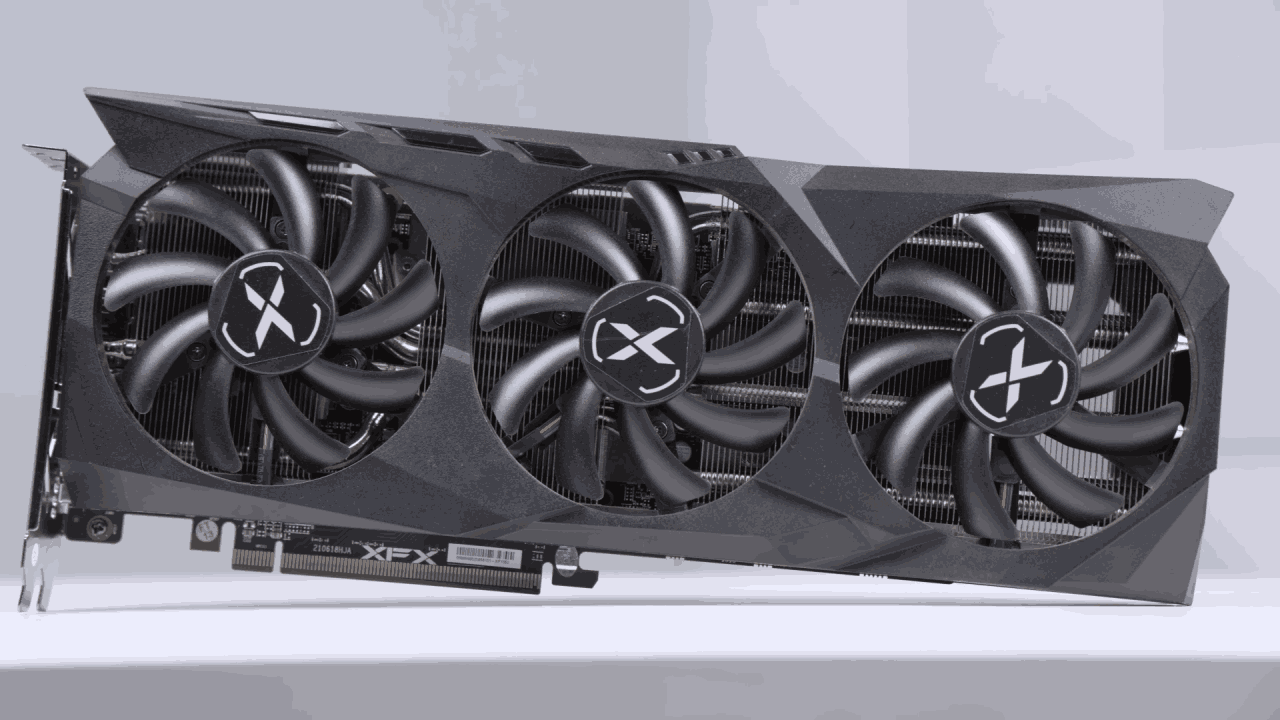
When industry sources said that the 16GB 5060 Ti and 5070 Ti were at the end of their lives, it seemed like it was true. NVIDIA denied the assertion, but manufacturing seems to have decreased so much that it might as well be the end of life. It's really clear just by looking at the prices right now.
Now, some are making similar accusations regarding AMD. Posts from board-partner channels say that in January, most manufacturers raised the prices of most models by 5% to 10%. Upstream suppliers say that a lot of brands might raise their prices again in February or March. We don't know how big that increase will be, but any more would affect consumers.
The bigger worry comes from a different assertion that AMD plans to change the layout of its product line in 2026 because visual memory prices are so high. This would mean making small changes to the production capacity of different GPU types, with a focus on 8GB units.
That's a terrible turn of events. NVIDIA is already working on 8GB cards, which has caused prices of higher-capacity models to go up. The demand for AMD's 9070XT and 9070 in the $600 to $800 range is projected to rise sharply. If AMD decreases output at the same time, prices might go through the roof. It starts to seem like we're bidding goodbye to moderately priced GPUs altogether by the end of the day.
Budget Builds as a Survival Strategy
There is a strange difference in the market right now. CPUs are getting unexpectedly cheap, at least on older platforms. You can acquire a Ryzen 5 5600X for about $125. If you match it with a good AM4 motherboard and DDR4 memory, you can build a good budget system.
That kind of platform still makes a lot of sense for people who are attempting to get through the present memory and GPU mess.
Reality Check on Emerging CPUs
A lot of people are excited about new CPUs coming from new companies, and some of that optimism is well-deserved. Still, it's necessary to look at how things work in the real world.
A new test of the Longsoon 3B6000 CPU makes things quite apparent. This processor has 12 cores and 24 threads, supports dual-channel DDR4 ECC, and has a proprietary ISA based on RISC-V. Its overall geometric mean performance was about one-third of AMD's 9600X in a lot of tests. That contrast is even more shocking because the 9600X only has six cores.
To be fair, years of work to make x86 better are a big part of this, and since this platform is so new, the results aren't surprising. There is obviously progress, but the performance isn't as good as that of recent mainstream CPUs right now. That being said, these chips are getting better with each new generation. If that trend continues, established companies can't afford to slow down.
Steam Machine and Next-Gen Xbox Timing
AMD's most recent earnings call has given us some clear information on forthcoming console-style hardware.
The Steam Machine from Valve, which is a mix of a console and a PC, is still on track. It doesn't use Windows, yet it works with most Steam games, which is a big plus. People were worried that the anticipated early-year launch could be pushed back since memory prices were going up.
AMD did say, meanwhile, that Valve is on pace to start shipping its AMD-powered Steam Machine early this year. Pricing is still up in the air, especially since Valve has previously declared it won't sell the system at a loss like a normal console.
The earnings call also talked about Microsoft's future Xbox. The new system, which will use an AMD semi-custom SoC, is coming along well and is expected to be released in 2027. It's not just around the corner, but at least you have more time before you have to worry about upgrading again.
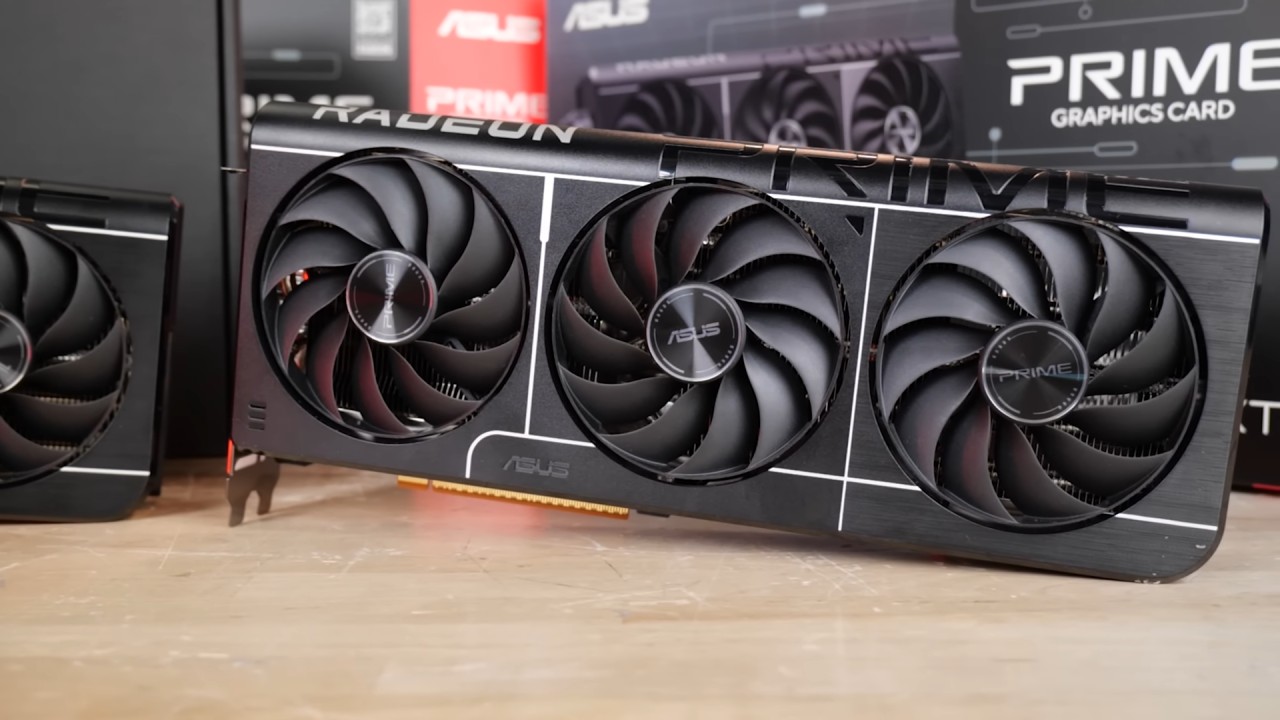
AMD Says the Quiet Part Out Loud
AMD's Q4 earnings call set records, with revenue reaching $10.3 billion, a 34% increase from the previous year. But when asked about memory prices for clients, the answer was a gut hit for gamers.
AMD made it plain that it is focusing on the enterprise and the high-end, premium parts of the market. That means that servers, AI, and big customers come first. Even though it's not surprising, it still hurts to hear it said so clearly. Gamers and those who construct PCs every day are no longer the main emphasis.
In all fairness, AMD did say that the PC industry is still essential to them and that they think they can still expand their PC business even though the market as a whole is weak. The message makes sense from the point of view of an investor. From a consumer's point of view, it backs up what pricing trends have previously shown us.
Where That Leaves Us
This is where we are. The supply of GPUs is getting tighter, prices are going up, and both major vendors are hinting at a shift toward higher-end devices and business users.
You can still build a budget PC, but the graphics card market is getting more and more dangerous.
Also, check our other AMD articles below:
- AMD Ryzen 9 9950X3D Review: Setting The Standard For 2025 Gaming CPU
- AMD Ryzen 7 9800X3D Review: 3D V-Cache Goes God Mode with Stunning Gaming Performance
- AMD RX 9070 Performance Review: Thermals, Clocks, and Real-World FPS
- AMD Ryzen 5 7600 Review: Best Budget Gaming CPU of 2025?
- AMD Radeon RX 7800 XT Review: RDNA 3 Power For Midrange Gaming
- Sapphire NITRO+ AMD Radeon RX 9070 XT Review: The Ultimate 4K Gaming GPU
- AMD Ryzen 7 7800X3D: Delivers Gaming Performance Far Beyond Expectations
- AMD Ryzen 9 7900X Review: Powering the AM5 Era with DDR5 & PCIe 5.0
- Intel Core i9‑14900K vs. AMD Ryzen 7 7800X3D: Power Profiles & Gaming Benchmarks
Senior Editor, NoobFeed
Gaming Hardware Updates
No Data.