
AMD’s High-Stakes AI Strategy: Inside the $100 Billion Meta Agreement
AI market volatility could determine the ultimate outcome of AMD’s bold Meta partnership
Hardware by Tanvir Kabbo on Feb 27, 2026
AMD is making one of the boldest moves in its history. The company has struck a massive agreement with Meta worth $100 billion tied to 6GW of AI infrastructure.
On the surface, it looks like a landmark win for AMD in the AI race. But when we dig deeper, the structure of the deal reveals just how much risk is involved.
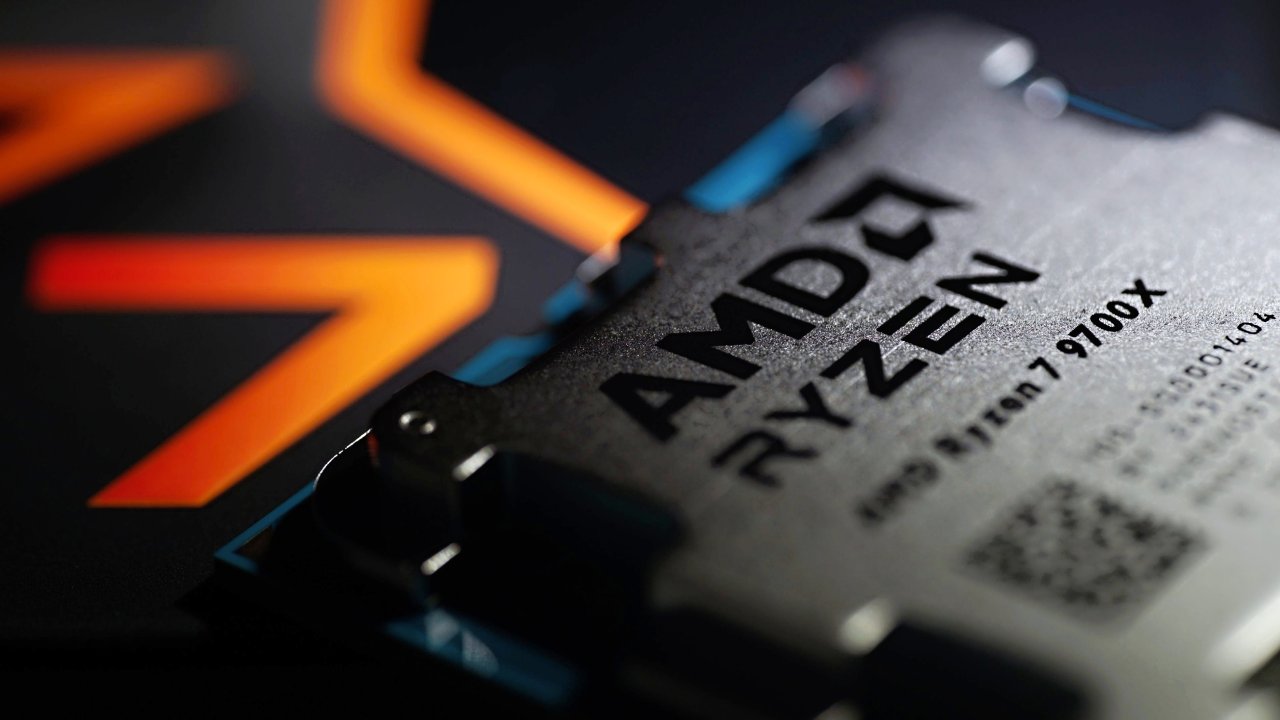
A High-Stakes AI Infrastructure Bet
As part of the agreement, AMD is offering Meta up to 10% of its total stock if specific milestones are achieved. The goal is clear. AMD wants to lock in long-term AI hardware purchases while giving Meta a strong incentive to follow through.
Since these agreements stretch years into the future, neither side wants to be trapped if market conditions shift. Stock warrants give both sides more options while keeping them on the same page.
$600 Stock Threshold Strategy
One important condition makes the worry of dilution less strong. It is said that Meta won't get the full advantage until AMD stock hits $600. If AI demand drives up AMD's stock price, the stock-based incentive may not seem like much compared to the company's overall growth. From that point of view, it looks more like a plan than a mistake.
Dilution Risk and Downside Exposure
But you can't disregard the risk. If demand for AI slows down or goes away completely, AMD may have to sell shares without getting long-term commitments to buy them. In the worst case, Meta would gain from rising equity prices and cut back on infrastructure expenditure if the AI boom slows down. That would leave AMD diluted without guaranteed revenue.
This is not AMD’s first agreement involving stock warrants, which signals a broader strategy to aggressively compete in AI infrastructure. NVIDIA has dominated the AI GPU market, and AMD needs hyperscale partners to close the gap. Securing a deal of this magnitude instantly elevates AMD’s position in the AI ecosystem.
Is AI Demand Sustainable Long Term
The bigger question revolves around AI itself. Is the current explosion in AI investment sustainable, or are we witnessing a speculative bubble? Data center expansion, model training, and inference workloads continue to grow at unprecedented rates.
Companies are racing to use generative AI in all of their products and services. But history suggests that technology cycles often go too far before they settle down.
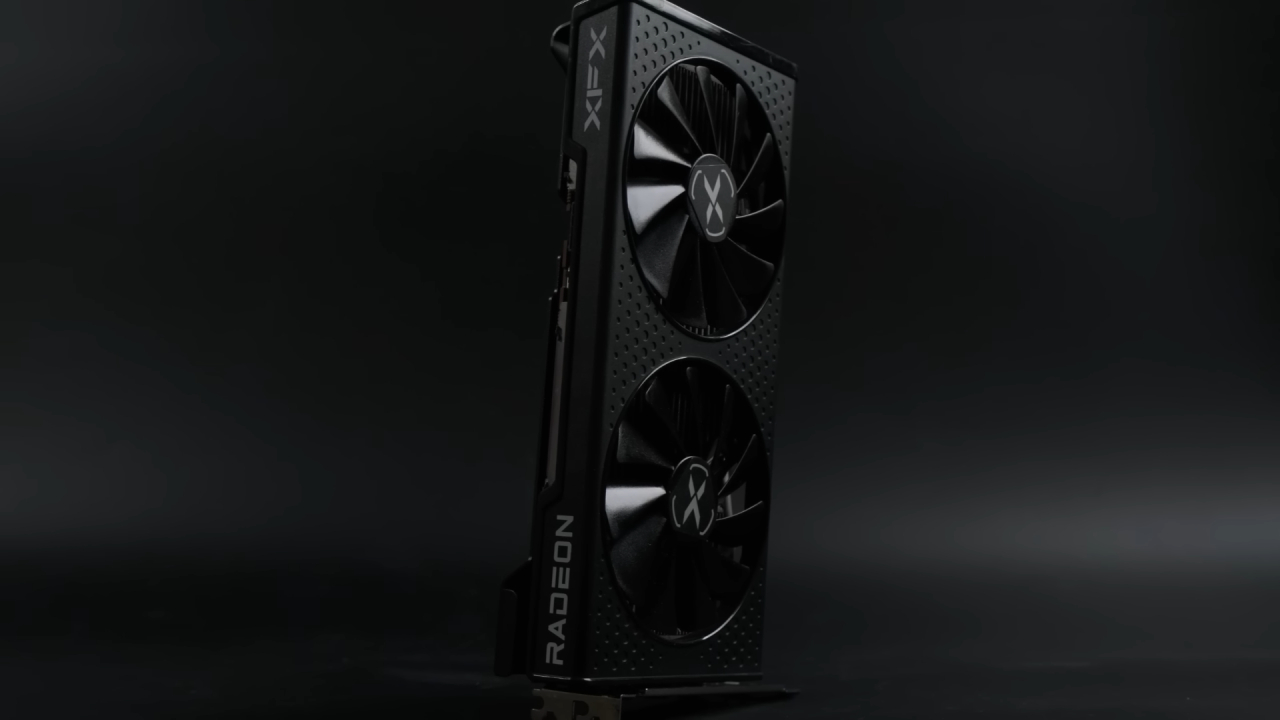
Aggression Over Caution
If AI becomes a basic part of infrastructure like cloud computing, AMD's decision may seem smart. If AMD can keep Meta as a long-term partner, it might bring in money for years and make AMD a real challenger to Nvidia. But if enterprise AI spending slows, hyperscalers may pull back on expansion plans, directly impacting GPU suppliers.
AMD is clearly choosing aggression over caution. Rather than waiting for certainty, the company is leveraging equity to secure scale. That approach reflects how critical AI has become to semiconductor growth strategies. Standing still is not an option when rivals are investing heavily.
A Defining Moment for AMD’s AI Ambitions
For investors and industry watchers, this deal represents more than a supply contract. It is a statement. AMD is willing to tie its valuation to AI’s long-term trajectory. Whether that proves brilliant or dangerous depends entirely on how durable AI demand turns out to be. One thing is certain: AMD is not playing it safe.
Also, check our other AMD articles:
- AMD Ryzen 9 9950X3D Review: Setting The Standard For 2025 Gaming CPU
- AMD Ryzen 7 9800X3D Review: 3D V-Cache Goes God Mode with Stunning Gaming Performance
- AMD RX 9070 Performance Review: Thermals, Clocks, and Real-World FPS
- AMD Ryzen 5 7600 Review: Best Budget Gaming CPU of 2025?
- AMD Radeon RX 7800 XT Review: RDNA 3 Power For Midrange Gaming
- Sapphire NITRO+ AMD Radeon RX 9070 XT Review: The Ultimate 4K Gaming GPU
- AMD Ryzen 7 7800X3D: Delivers Gaming Performance Far Beyond Expectations
- AMD Ryzen 9 7900X Review: Powering the AM5 Era with DDR5 & PCIe 5.0
- ASRock Radeon RX 7800 XT Challenger OC Review: Best Price-to-Performance GPU of 2025
- Intel Core i9‑14900K vs. AMD Ryzen 7 7800X3D: Power Profiles & Gaming Benchmarks
Senior Editor, NoobFeed
Gaming Hardware Updates
No Data.