
AMD's Next Radeon Flagship May Feature 96CUs and Huge Bandwidth Gains
Radeon’s rumored next-generation lineup signals a significant shift toward high-end performance targeting flagship-class GPU competition.
Hardware by Tanvir Kabbo on Nov 19, 2025
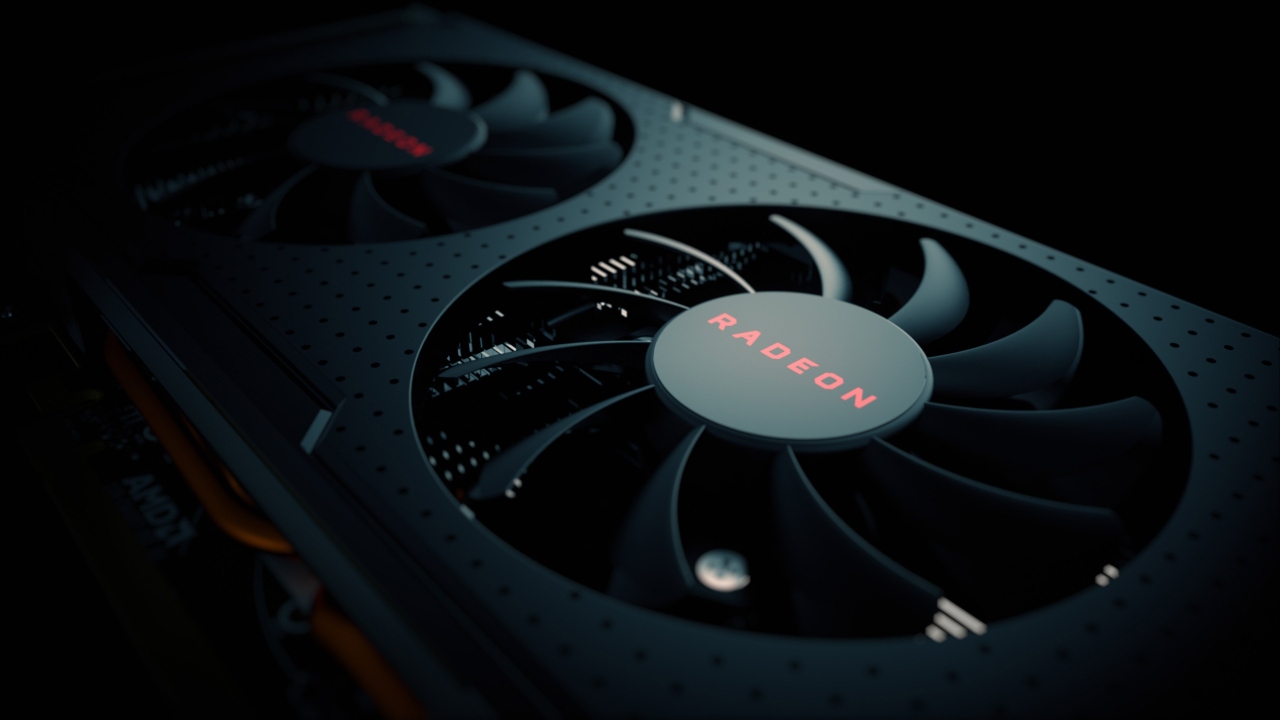
Radeon appears to be moving back toward high-end GPU production, with new leaks sparking widespread discussion. Information sourced from industry rumors hints at potentially major architectural leaps, although nothing has been officially confirmed.
Early images and specifications circulating online suggest substantial increases in compute performance and memory bandwidth, as well as competitive positioning against Nvidia's top offerings.
Evaluating the Source of the Leak
Well, it sounds like Radeon might finally be producing high-end GPUs once again. And not only did it arrive quickly, but when we ran into an issue, they immediately replaced it with a flawless substitute and asked that we only send the old one back after we confirmed the new GPU worked great. And the best part is that the price we got this card for was well below other listings we found elsewhere.
Likely thanks in part to Jawa's much lower seller fees of 9–12% depending on when we joined. So, if you're interested in buying or selling PC parts on a platform with low fees and great customer service, be sure to click the link in the description below and keep an eye out for some of our hardware, which'll likely be popping up very soon.
We actually got this information from well-known leaker Kepler L2, who did go ahead and post several images on a forum that could be the next generation of AMD GPUs, including what appears to be a flagship GPU that looks really, really fast. Now, to be clear, we want to tackle this one right up front because we don't think it's been covered really well.
This is not official information, first of all, obviously. However, we also want to let you know that while Kepler L2 has definitely gotten a ton of things right in the past, it would appear you should take this with a grain of salt, because nowhere in his post did he say this is definitely what will happen. So this could very well be just speculation.
Examining the Rumored GPU Layouts
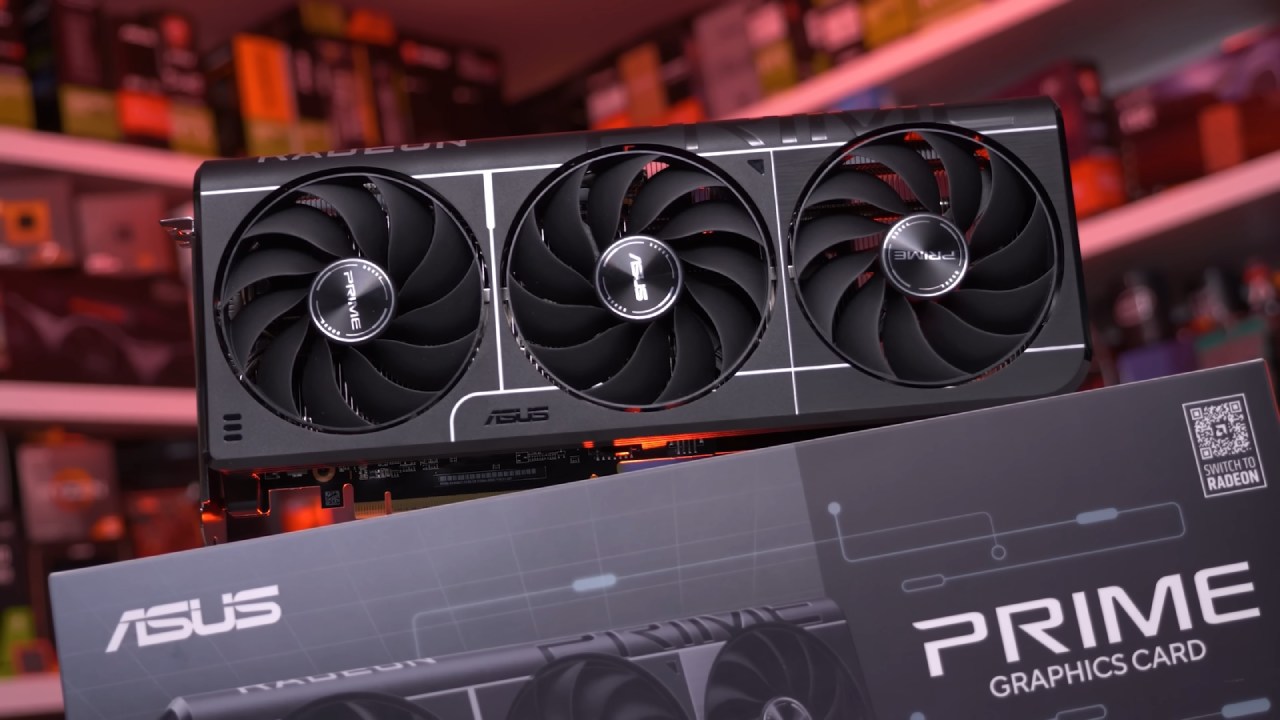
Well, it likely has some credence, but we just want to make sure you know this is not official and could change. But with that out of the way, let's take a look at what he posted. So, we do have several different images. And the first one is a very, very large GPU with what appears to be 16 unified memory controllers.
Now, that's important because that would actually signify that you would be looking at a 512-bit bus, the same memory bus width that we see on the RTX 5090. Also signaling that this would be an insanely powerful GPU.
However, we just want to say right away, there is no way you're going to be seeing—well, we shouldn't say no way. Still, we find it very, very doubtful that you would be seeing a next-generation AMD GPU with a 512-bit memory bus. Why do we say that? Well, it's simply not necessary. It would be a massive increase in expense and possibly a larger GPU die than it actually needs. A 384-bit bus is more than enough memory bandwidth for a GPU of this size.
We say that because, according to the schematics shown, this is a 96-compute-unit GPU. Now, 96 compute units is a big jump over the 9070 XT, which is technically AMD's current fastest modern GPU. A 50% increase in cores is a lot, but going from 256-bit to 512-bit plus GDDR7 would be way more than a 50% increase in memory bandwidth. And unless this GPU is massively inefficient with memory bandwidth, there's no reason for this to exist.
Expected Compute Units and Architecture Direction
So, this is why we were telling you upfront: be aware. This is definitely speculation. And it's very clear to us that he probably doesn't know for sure what the final GPU's memory controller will look like. Now, that said, the core count is probably correct, or at least close to it.
96 compute units is a very good number and a very large increase over the 9070 XT, and would afford them a huge performance uplift that could put them right next to an RTX 5090 or an RTX 6090, depending on the instructions per clock and clock speeds.
Now, he also has several other GPUs here, including ones with 40, 24, and 12 compute units. However, since we believe this is speculation, we're going to jump into what we think you'll see in the RX 10000 series based on this information and other things we've seen. And yes, we do believe it will be called that to further mimic Nvidia's naming scheme.
RX 1070 and RX 1070 XT
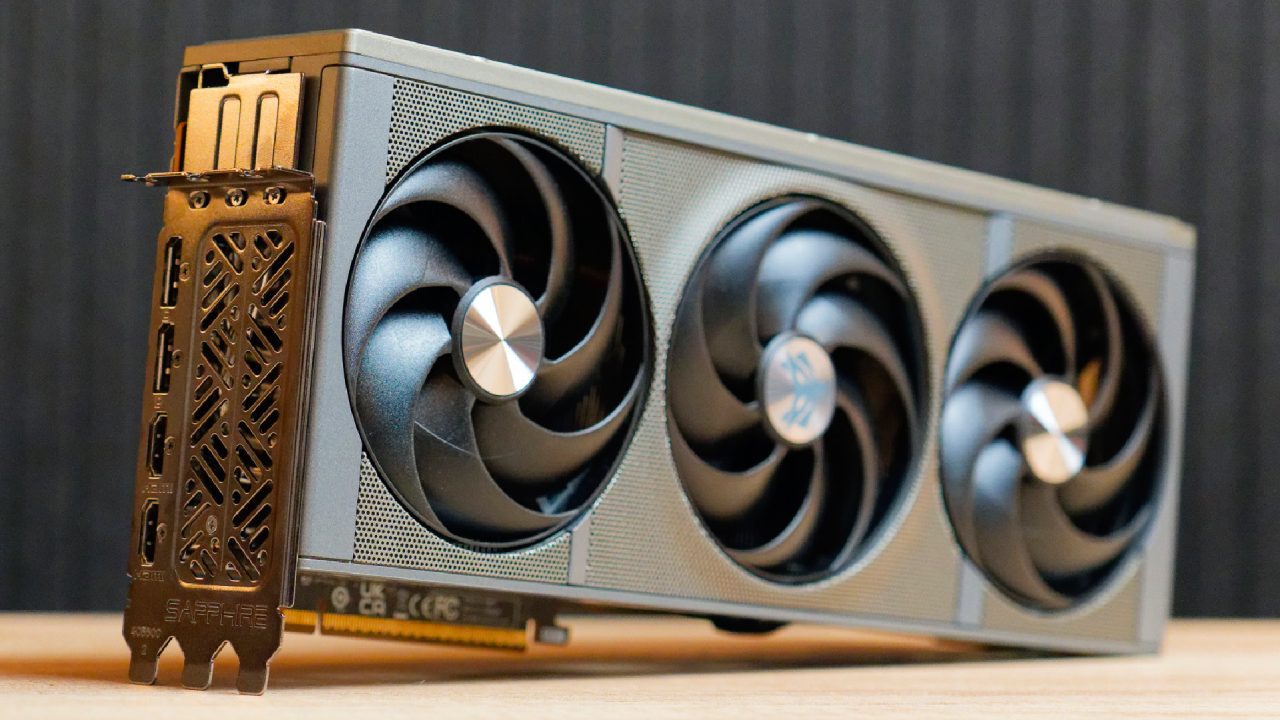
Let's start with the lowest-end GPU we'll be talking about today: the RX 1070. Now, he says there's apparently going to be a 40-compute-unit GPU die. Could that be the case? Certainly, it could. However, we do believe a 56 compute unit version will exist, as the 40 compute unit version appeared to have only a 192-bit bus when we counted the memory controllers.
So clearly, you're going to want a 256-bit bus somewhere between 384 and 192. That's where we believe the 1070 will come into play, as they wouldn't want to reduce the amount of memory, go to 18GB, or do anything weird like that.
So yes, we do believe there will once again be 16GB mid-range cards with a 256-bit bus. With that being the case, this thing with 56 compute units should come in somewhere around the performance of a 9070 XT. Except the memory bandwidth would actually go from 640GB/s to 896GB/s, and the TDP would likely be somewhat similar but probably a bit lower, as it should be on a more efficient type of node.
However, that node will probably be pushed pretty hard once again. We believe the clock speeds will likely go from around 3GHz on the 9070 XT to around 3.3GHz on the 1070.
Now, we do believe it can be pushed even further, and that's where the 1070XT will come into play. We believe you will once again see a 64-compute-unit mid-range GPU. It'll have a similar memory configuration, but we believe the clock speeds will go up to 3.45GHz, which is around a 15% increase and should be no problem on a more advanced node.
RX 1080 and RX 1080 XT
Now, given that, this one should definitely be faster than the 9070 XT. And we'll get to how much faster in just a second. But now let's take a look at the 1080. Yes, the RX 1080. And honestly, we really like that naming scheme. This thing should have around 84 compute units, which is a pretty substantial jump. Once again, a decent jump in clock speeds. However, we're now moving from a 256-bit bus to a 320-bit bus at 28 Gbit/s. With GDDR7, you're looking at a memory bandwidth of 1120GB/s. And well, this is going to be a very fast GPU with a lot of memory bandwidth.
Now, the TDP will probably rise pretty substantially, but again, you're getting a lot more performance. Then we finally have the 1080 XT. We did think there would be a 1090 XT that would be even faster than this, but AMD's got to get those costs down. So we think we're stopping at the 1080 XT.
This would likely have the 96 compute units mentioned by Kepler, L2, and run at a high boost clock of 3.45GHz with a 384-bit bus. Now, this one's going to have 24GB instead of the 20GB on the 1080, which is plenty. That's more than enough for gaming, and it lets them reduce their costs. That's why we're saying no way to the 512-bit bus.
We just can't see them doing that. That would massively increase the cost because you'd have more video memory, there'd be more competition to use it as AI-type stuff instead of gaming, and it just doesn't make any sense to put a 512-bit bus on a card like this if they're trying to keep cost down, which of course they definitely will be.
So, with that being the case, you're going to be looking at 1344 GB/s. That is over double the memory bandwidth of the RX 9070 XT, which once again means no, they do not need to go to a 512-bit bus. Now, this will likely have a TDP of around 450W, so it should be lower than the RTX 5090. However, in terms of performance, it should actually be doing very, very well.
Price Targets, Performance Expectations, and Release Window
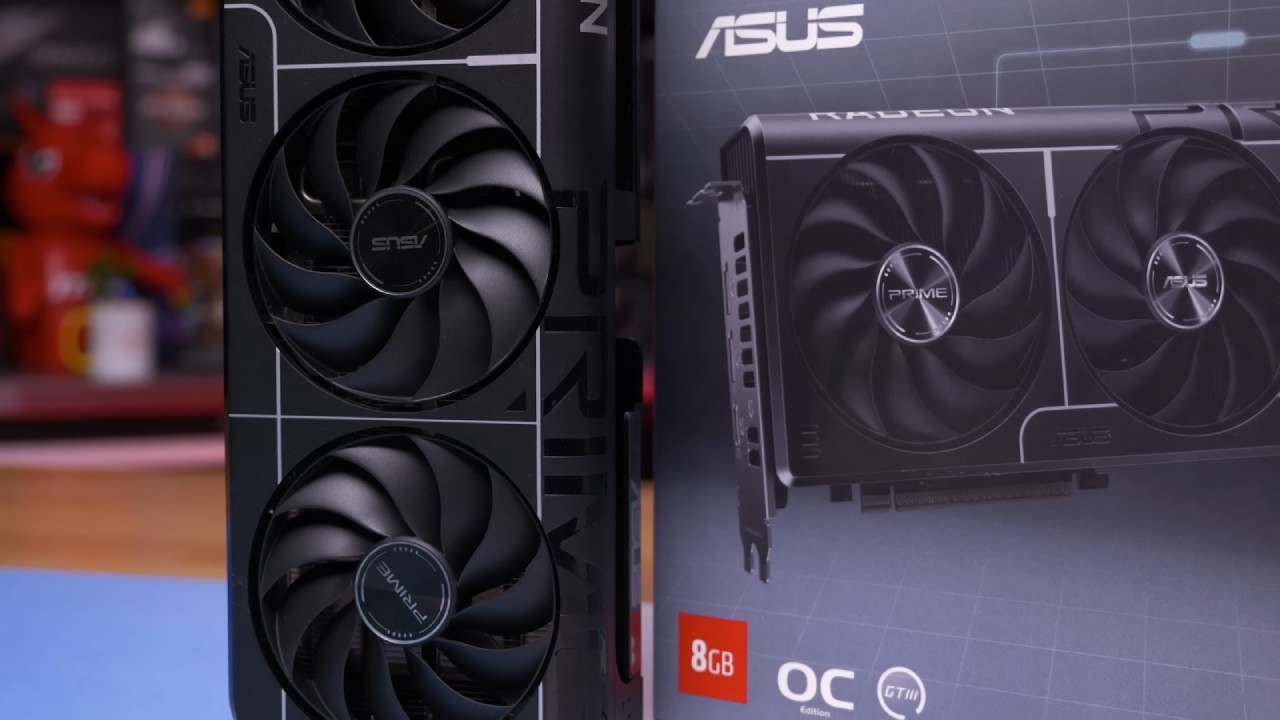
Let's break down the price, performance, and possible release date for these GPUs. And let's start off once again with the 1070. We believe this thing will be $499, and in terms of performance, it should be basically identical to the RX 9070 XT. So you'll basically be able to pick up a 9070XT for $100 cheaper. Yeah, that's great, but you probably want more performance than the 9070 XT. So let's move on to the next one, the 1070 XT.
This one should come in, we think, at the same price as the 9070 XT of $599. However, you should be getting a real-world performance upgrade of around 25%. And with a release date, look, it could be next year, but since AMD, at least Radeon, tends to be a little behind Nvidia in terms of release dates, we wouldn't be surprised to see it in Q1 2027.
Also, with the RX 1080, we think this one will jump from around $600 to $749. Now, this should be going head-to-head with something like an RTX 6070 Ti. However, this could actually be even more powerful, as this should be around 50% faster than something like the RX 9070 XT. And even more impressively, well, that would actually put it not too far behind the RTX 5090. Once again, the release date is Q1 2027.
Then let's finally sum it up with the rumored 96 compute unit version—if that turns out to be true from Kepler L2—which should have around a price tag of $999. That would put it at half the price of the RTX 5090. And get this: it should actually give you around the same performance. Now, it's possible it could be even faster. Everything is still up in the air right now, but to be fair, it could be a little slower as well.
So, we think it's probably fair to assume you'll get performance around the RTX 5090. Will it dethrone the RTX 6090? No. But it will also be around half the price of the 5090 or future potential RTX 6090.
Final Thoughts
So if you're someone who's maybe on the fence about buying an RTX 5090 and you're thinking $2000 is way too high, well, it might be worth waiting to see what both AMD and Nvidia have to show by the end of next year or maybe early in 2027.
But hey, that's just what we think. Do you think the RX 1080 XT really can come right next to the RTX 5090 or maybe even dethrone it for half the price? Or do you think they're going to fall short of expectations?
Also, check our other AMD articles:
- AMD Ryzen 9 9950X3D Review: Setting The Standard For 2025 Gaming CPU
- AMD Ryzen 7 9800X3D Review: 3D V-Cache Goes God Mode with Stunning Gaming Performance
- AMD RX 9070 Performance Review: Thermals, Clocks, and Real-World FPS
- AMD Ryzen 5 7600 Review: Best Budget Gaming CPU of 2025?
- AMD Radeon RX 7800 XT Review: RDNA 3 Power For Midrange Gaming
- Sapphire NITRO+ AMD Radeon RX 9070 XT Review: The Ultimate 4K Gaming GPU
- AMD Ryzen 7 7800X3D: Delivers Gaming Performance Far Beyond Expectations
- AMD Ryzen 9 7900X Review: Powering the AM5 Era with DDR5 & PCIe 5.0
- ASRock Radeon RX 7800 XT Challenger OC Review: Best Price-to-Performance GPU of 2025
- Intel Core i9‑14900K vs. AMD Ryzen 7 7800X3D: Power Profiles & Gaming Benchmarks
Senior Editor, NoobFeed
Gaming Hardware Updates
No Data.