
AMD and Sony Unveil Next-Gen Gaming Tech with Neuroarrays and Radiance Cores
Collaborative engineering between AMD and Sony is shaping future-ready machine learning systems for enhanced real-time game performance.
Hardware by Masaru Hoshino on Oct 10, 2025
Sony is working on some really fascinating gaming technologies that pushes the limits of what's possible in real-time graphics, AI, and machine learning. This partnership combines Sony's deep knowledge of games with AMD's competence in high-performance computing to create next-generation graphics and performance.
Together, They're developing advanced tools and hardware that enable neural rendering, cinematic lighting, efficient asset streaming, and ultra-low latency synchronization between CPU and GPU.
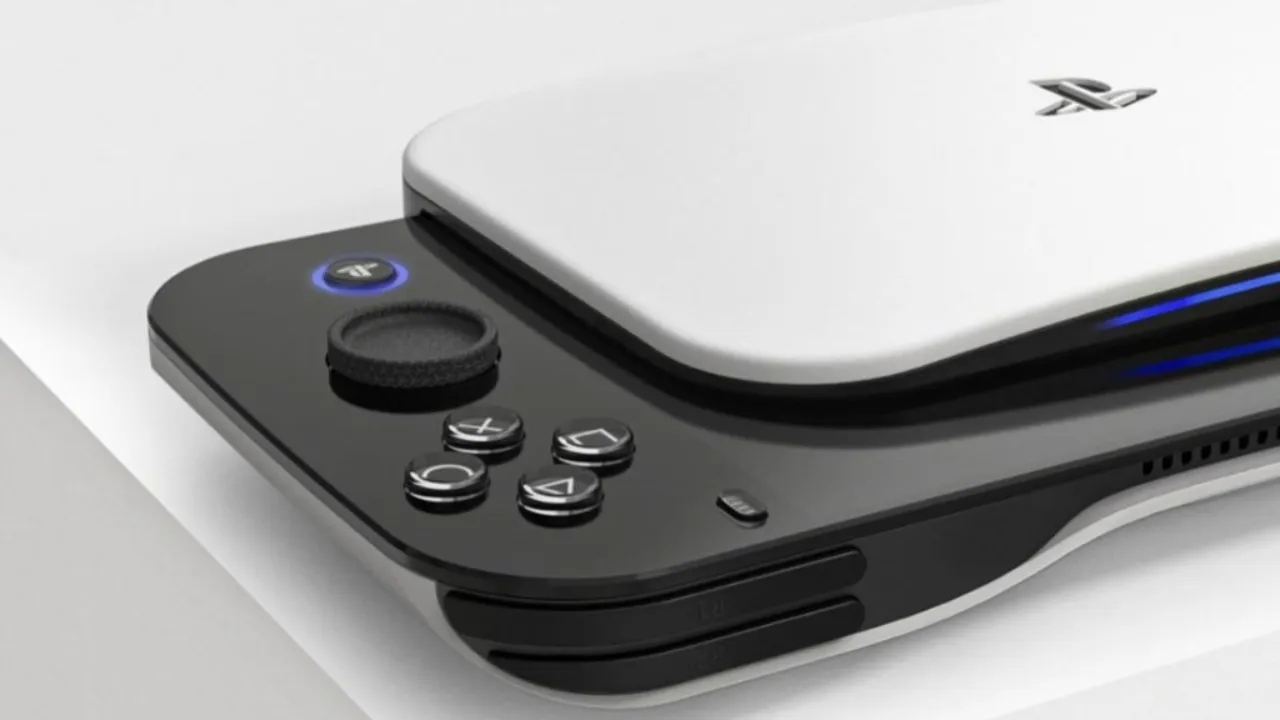
These innovations aim to elevate gaming experiences to new levels of realism, responsiveness, and creative freedom—laying the foundation for the future of immersive entertainment.
Project Amethyst: Pioneering Machine Learning Technologies
Under their collaboration with Sony, known internally as Project Amethyst, they've been creating the machine learning technologies of the future. Delivering the highest possible gaming experience takes a complex mix of system expertise—everything from real-time physics and cinematic lighting to efficient asset streaming and ultra-low latency synchronization between CPU and GPU.
Brute-forcing these challenges with raw power alone doesn't scale. That's why they're combining traditional rasterization with neural acceleration. Machine learning has evolved beyond a neat trick; it's now a real tool for developers—enabling smarter pipelines, cleaner visuals, smoother gameplay, and more creative headroom to build immersive worlds.
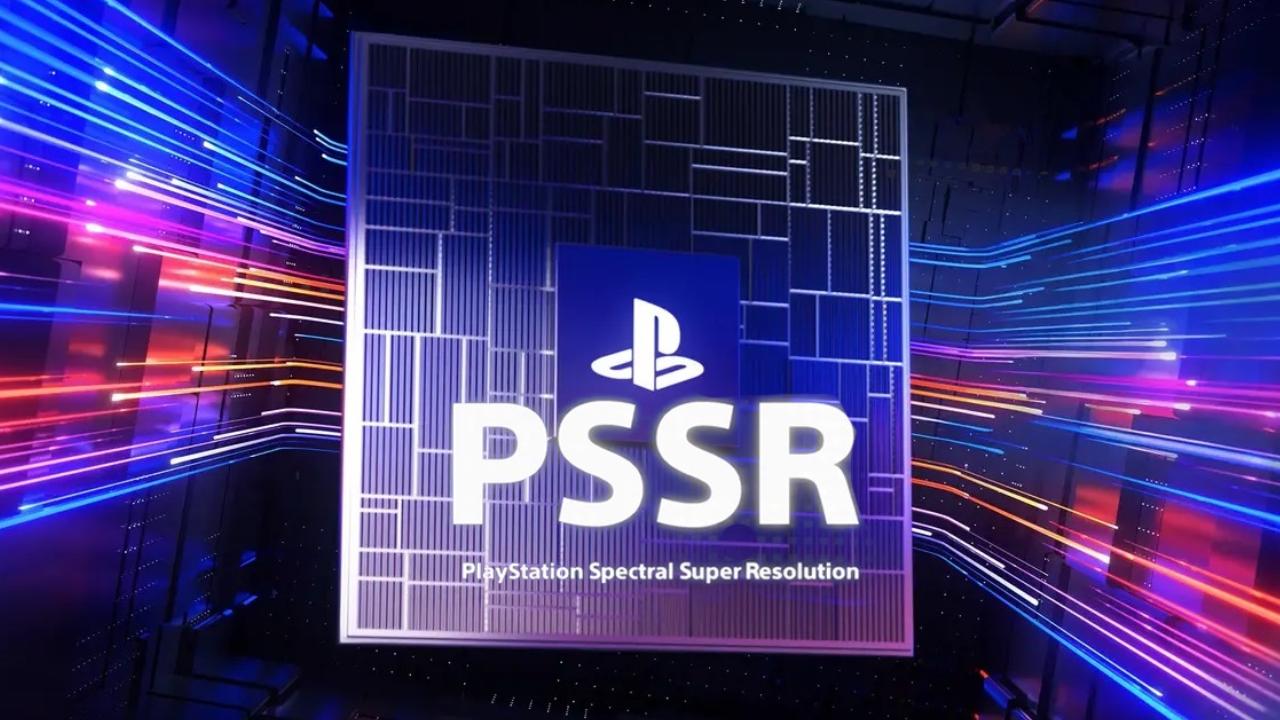
FSR and PSSR technologies are born from deep co-engineering between Sony and AMD, where they jointly develop the neural networks powering them. Moving forward, more of what appears on-screen—the detail, fidelity, and atmosphere—will be enhanced by ML. This not only advances technical benchmarks but also helps achieve the artistic visions behind the games.
Introducing Neuroarrays: The Future of Neural Rendering
The neural networks that drive technologies like FSR and PSSR are highly demanding on GPUs, requiring immense computational power and rapid access to large memory pools. Traditionally, GPUs rely on multiple compute units (CUs) that divide tasks into smaller pieces. This process can introduce inefficiency or even limit scalability.
That challenge inspired a breakthrough concept: Neuroarrays. Instead of isolated compute units, neuroarrays allow them to collaborate—sharing data and processing tasks as a unified AI engine. They're not linking the entire GPU into one massive unit, but rather connecting CUs within each shader engine in a smart, efficient way.
This innovation changes the game for neural rendering. It enables larger ML models, reduces overhead, improves efficiency, and scales seamlessly as workloads grow.
With neuroarrays, it can process large portions of the screen simultaneously, delivering a major leap in performance for ML-driven features. Expect better FSR, improved ray regeneration, and new real-time AI-powered rendering tools—all running directly on the GPU.
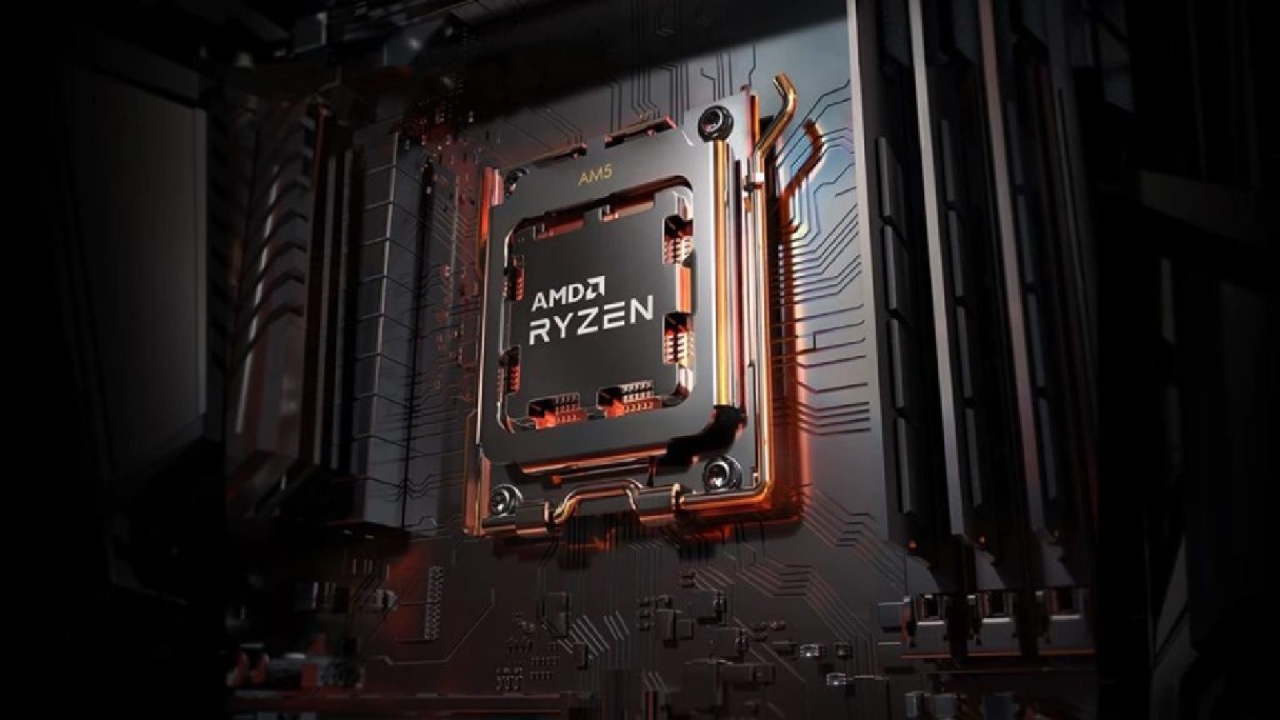
Radiance Cores: A New Era of Real-Time Lighting
Ray tracing is now an important part of modern gaming, making reflections, shadows, and global illumination work on all platforms. It's already going beyond what it can do now, just five years after it came out. Path tracing, the next step, needs even better GPU performance.
To meet these needs, they've rethought the entire path tracing pipeline from hardware to software. Earlier this year at Computex, Sony revealed Neuro Radiance Caching, a cornerstone of FSR Redstone. Building upon that, they're introducing Radiance Cores—a new dedicated hardware block designed for unified light transport.
Radiance Cores handle ray and path tracing in real time, taking full control of ray traversal—the most computationally heavy part of rendering. Offloading traversal to dedicated hardware not only speeds up performance but also frees the CPU for geometry and simulation tasks. At the same time, the GPU focuses on shading and lighting. The result is a cleaner, faster, and more efficient rendering pipeline tailored for next-generation ray-traced games.
The hardware independence of Radiance Cores allows shader cores to operate more efficiently. At the same time, new flexible data structures make ray tracing geometry even more optimized. With these improvements, developers can push realism and cinematic lighting to new heights.
Universal Compression: Unlocking Higher Bandwidth and Efficiency
The memory bandwidth of the GPU is a problem for both machine learning and ray tracing. Next-gen rendering techniques, which need a lot of bandwidth for 4K+ textures and ray tracing denoising maps, can't be used easily right now because of constraints.
To overcome this, they've developed Universal Compression, an evolution of the existing delta color compression (DCC) found in today's GPUs, including those in PlayStation 5 and PlayStation 5 Pro. While DCC focuses on compressing specific data types like textures, universal compression evaluates every piece of data sent to memory and compresses it wherever possible.
Universal compression cuts down on memory bandwidth use by just sending the most important data. This lets GPUs produce higher frame rates, more information, and better performance.
This not only uses less power and sounds better, but it also works wonderfully with neuroarrays and radiance cores. Together, they create a more cohesive, high-performance ecosystem built for the future of gaming.
Looking Ahead: Building the Future Together
Neuroarrays, Radiance Cores, and Universal Compression are all still in the early stages of testing, but the results are quite encouraging. They're delighted to deliver them to future consoles and GPUs in the coming years, which will pave the way for the next big step in gaming graphics and performance.
Sony is still all about giving power to both creators and players. AMD and Sony designing everything with one purpose in mind: to move gaming forward. This includes smarter ML algorithms, faster rendering pipelines, and cutting-edge technology.
They're here for the players, the people who produce games, and the communities that make gaming what it is. And they're just getting started together.
Check Our Other Articles:
- PS5 Pro vs. PS5 Slim: Frame‑Rate, Graphics & Performance
- PS5 Pro vs. Radeon RX 9060 XT vs RTX 5060 Ti: Ultimate $700 Gaming Showdown
- ASUS ROG Ally PS5 Remote Play | How to do Remote play on PS5 Using Sony's Official Remote Play App
- Stream PS5 Games on Steam Deck OLED: Step-by-Step Installation and Configuration
- AI Upscaling on PS5 Pro: Can PSSR Finally Match DLSS?
- PS5 Pro vs. PS5 Slim vs. PS5 — Design, Storage, Specs, and Gaming
- PS5 Pro vs. Xbox Series X: Specs, Price, Storage, Customization, and Gaming
- PS5 Pro vs. PC Gaming: Comparison of Graphics, Frame Rates, and Price
Editor, NoobFeed
Gaming Hardware Updates
No Data.