
ASUS RX 9070 Prime OC Small Form Factor Build Delivers Strong 4K Gaming Performance
A purpose-driven mini ITX gaming PC build focused on performance, efficiency, and future upgrade flexibility.
Hardware by Nahe Yan on Dec 29, 2025
A few elements came together to make a tiny PC setup with the shoebox-sized Fractal Design Terra. A friend put the system together as a surprise gift for his son, who wants to start making content and playing PC games. At the same time, AMD and ASUS helped us donate hardware back to the community while addressing a popular concern about what happens to review gear after testing.
From the very beginning, the purpose was obvious. The system had to handle Arc Raiders, let people make and stream videos, fit into a tiny space, and use little RGB. That direction determined every part choice and the overall design.
The Parts and What They Are For
Most of the parts came from existing storage, not new acquisitions. The power supply is an older Corsair SF750. This item works fine because AMD graphics cards don't require the Nvidia 12-pin connector. The CPU is a Ryzen 7800X3D, and the ID-Cooling IS-55 low-profile cooler keeps it cool while staying inside the case height constraints.
The computer has a Gigabyte X870I Aorus Pro Ice motherboard and Corsair Vengeance DDR5-6000 CL30 memory. The kit has 96GB of space, which is enough for multitasking, editing, and future demands. A 4TB Crucial T700 PCIe 5.0 NVMe drive handles storage. A single 120mm Be Quiet Silent Wings 4 fan at the bottom helps with airflow.
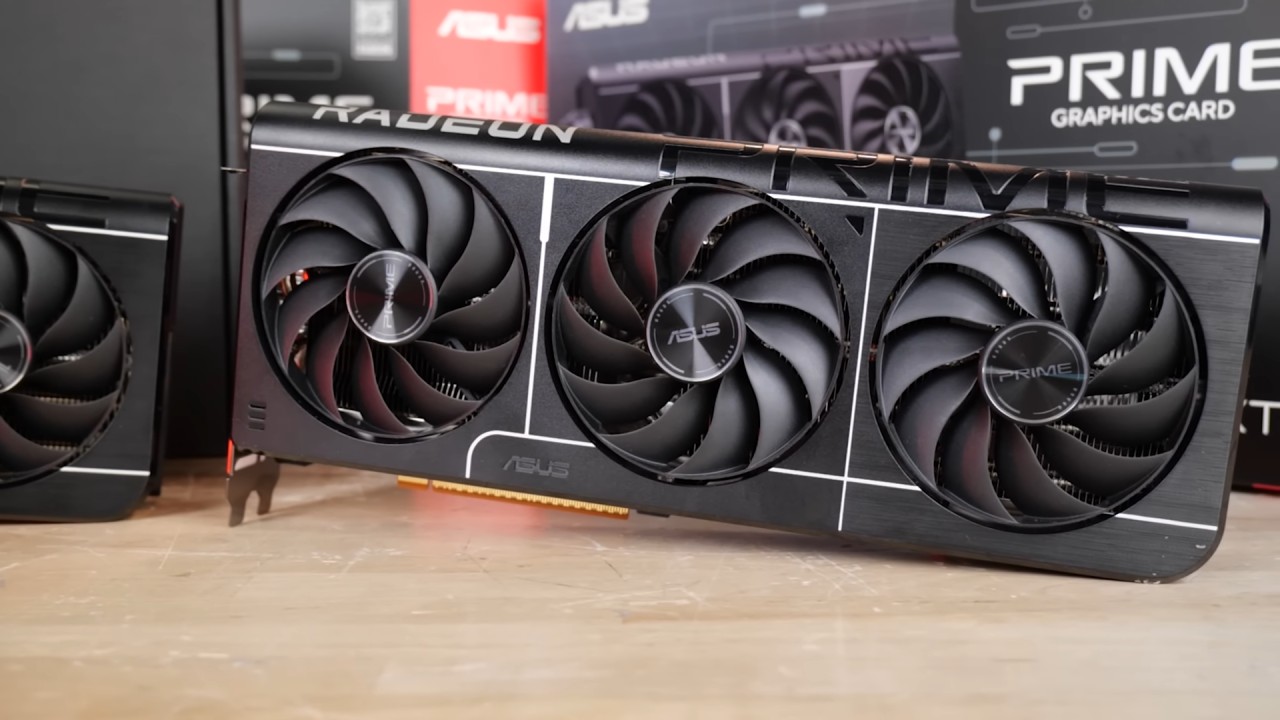
RX 9070 ASUS Prime OC is the graphics card. The Prime design features a 2.5-slot architecture, which is important for tiny-form-factor projects. It's hard to fit bigger cards like the 9070 XT, but this design strikes a good compromise between size and performance. The result is a system that can be built on in the future without compromising right now.
Inside the Fractal Terra, building
The Fractal Terra is set up like a sandwich, with the GPU on one side and the motherboard and cooler on the other, with a central spine in between. You can change the clearance on both sides by turning the spine with four screws. According to the manual's table, the build started at position three, but the case lets you make little changes as you go.
The motherboard installation was very tight in a few places, especially around the heatsinks and the memory clearance. Like many small-form-factor projects, there were times when it seemed like things wouldn't fit, but changes made it work. Because the default PSU cables were too stiff, the lower fan had to be taken off. It could have stayed if it had custom-length, flexible wires, but the open-case design ensured good airflow.
When put together, both sides closed neatly with some extra space. The system posted during the first boot, confirming that the chosen layout and spacing worked as planned.
Native: How well it works at 1440p and 4K
When possible, benchmarking focused on native rendering. No AI upscaling, no frame creation, and ray tracing should only be used when necessary. Most of the time, settings were one step below the highest preset. At 1440p, most games ran smoothly, although Black Myth Wukong put the most strain on the system.
At 4K, the results were more surprising. Even with native rendering, the RX 9070 ran most games well. Because of a problem with preset sliders on AMD cards, Red Dead Redemption 2 needed particular care. The default settings were used, which use extreme textures and generally low-to-medium values in other areas. Even with that mix, the results for both 1440p and 4K were good, and there was ample room to change the visual settings as needed.
RX 9070 delivered a steady 4K experience across many games. When frame rates were around 60 fps, extra tools were helpful.
When native performance reaches its limit, FSR4 and Frame Generation AI upscaling step in. FSR4 is a clear improvement over previous versions, especially in image stability. Frame generation is more situational, but you can't ignore its impact on performance.
Black Myth Wukong makes this disparity very evident. Native rendering gives you precision at lower frame rates. In contrast, upscaling and frame generation provide large increases at the cost of certain artifacts. It all comes down to whether you care more about higher frame rates or strict visual correctness at the time.
FSR Redstone provides neural radiance caching for ray regeneration and route tracking, which is another layer. Support is minimal right now; however, Black Ops 7 shows off ray regeneration. Around 46 games, including Arc Raiders, enable ML-based frame creation.
Arc Raiders as an Example from Real Life
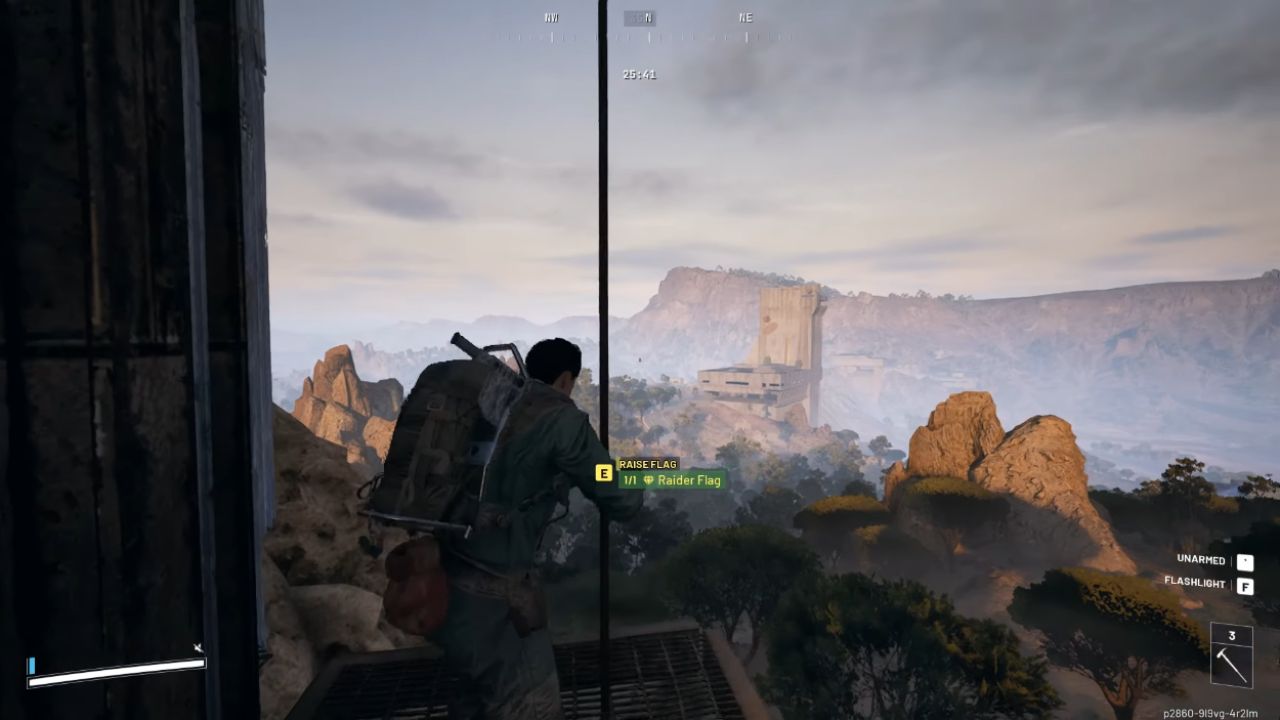
Arc Raiders shows how these tools transform the way things are done. When the settings are set to epic, and there is no upscaling, the performance is between 40 and 50 fps at 4K. Just turning on AI upscaling boosts performance to 75-90 fps with very few visual trade-offs.
If you turn on ML frame generation in the driver and in-game settings, the performance goes up even more, reaching about 130 to 140 fps. At that moment, the experience is seamless, responsive, and visually consistent, and there are no interruptions while you play.
Thermals, Prices, and Choices for Upgrading
Even with the small layout, the thermals stayed under control during testing. The Terra's open design helps keep things cool even if there aren't many places to put fans.
RX 9070 ASUS Prime OC usually costs between $635 and $650. ASUS also makes a smaller version of the EVO for tighter builds. RX 9070XT has the same cooler architecture and runs 10% to 15% faster, but it uses more power. It used to be listed at a greater price, but it is regularly available for the same price now.
These choices make the Prime design useful for devices with tiny form factors without restricting performance requirements.
Final Thoughts
The finished setup works well at 1440p and 4K and is small and easy to carry. It fits perfectly in the Fractal Terra, stays cool, and offers room for future upgrades. More significantly, it satisfies the needs of a beginner PC gamer and content creator without being too complicated or adding too much.
When a compact-form-factor build works out, there is always a sense of relief. The hardware disappears into the background while the experience takes control. Desks feel more open, and setups feel easier. The system has a new home and has already achieved its aim.
Also, check our other AMD articles below:
- AMD Ryzen 9 9950X3D Review: Setting The Standard For 2025 Gaming CPU
- AMD Ryzen 7 9800X3D Review: 3D V-Cache Goes God Mode with Stunning Gaming Performance
- AMD RX 9070 Performance Review: Thermals, Clocks, and Real-World FPS
- AMD Ryzen 5 7600 Review: Best Budget Gaming CPU of 2025?
- AMD Radeon RX 7800 XT Review: RDNA 3 Power For Midrange Gaming
- Sapphire NITRO+ AMD Radeon RX 9070 XT Review: The Ultimate 4K Gaming GPU
- AMD Ryzen 7 7800X3D: Delivers Gaming Performance Far Beyond Expectations
- AMD Ryzen 9 7900X Review: Powering the AM5 Era with DDR5 & PCIe 5.0
- Intel Core i9‑14900K vs. AMD Ryzen 7 7800X3D: Power Profiles & Gaming Benchmarks
Editor, NoobFeed
Gaming Hardware Updates
No Data.